Best Neurologists in Faridabad
 20+ years of experience
- Advanced Technology & Facilities
20+ years of experience Advanced Technology & FacilitiesAt Yatharth Super Speciality Hospitals, neurological care is led by a team of experienced neurologists who specialise in diagnosing and managing a wide range of brain, spine, and nerve-related conditions. Supported by neuro-radiologists, critical care experts, and rehabilitation specialists, the team follows a coordinated, multidisciplinary approach to ensure accurate diagnosis, evidence-based treatment, and continuous patient monitoring. With expertise in managing conditions such as stroke, epilepsy, movement disorders, and nerve-related conditions, our specialists focus on delivering personalised, outcome-oriented care using advanced diagnostic technology and modern treatment protocols.
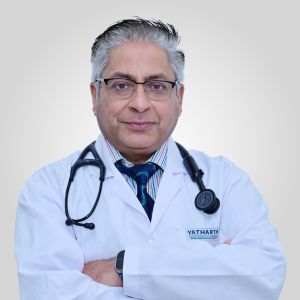
Senior Consultant - Internal Medicine
MBBS, MD, FACC
Internal Medicine
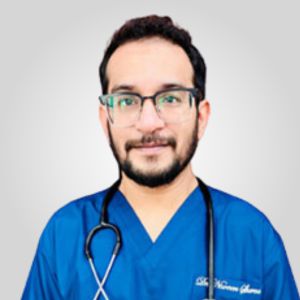
Consultant - General, Laproscopic, Minimal Invasive & Robotics Surgeon
MBBS, MS (General Surgery) Fellow, Minimal Access & Bariatric Surgery, FALS, FIAGES
General & Laparoscopic Surgery
Robotic Surgery
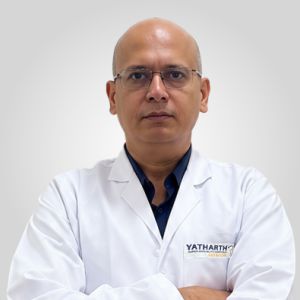
Senior Consultant - Neurosurgery & Neurospine
MBBS, MS (General Surgery), MCh (Neurosurgery)
Neurosciences
Neurosurgery
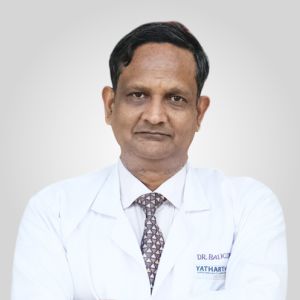
Group Director- Surgical Disciplines & Group Medical Advisor
MBBS, MS, FAIGES, FALS
General & Laparoscopic Surgery
Robotic Surgery

Consultant - Dental
BDS, MDS (Implantologist)
Dental Sciences
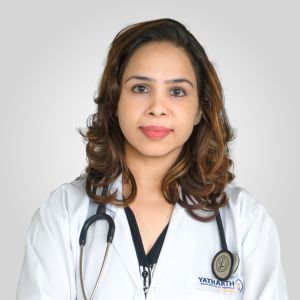
HOD & Senior Consultant - Anesthesia
MBBS, MD (Anesthesia)
Anaesthesia
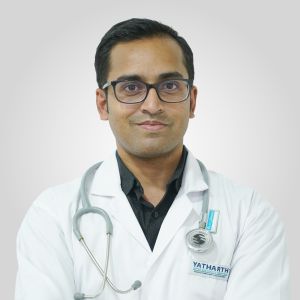
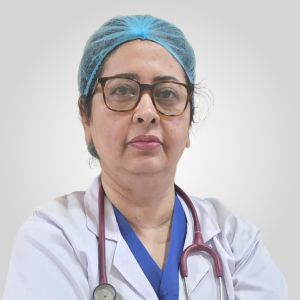
Senior Consultant & HOD - Neurocritical Care and Neuroanesthesia
MBBS, MD (Anaesthesiology), Fellow Neurocritical Care (AIIMS)
Neurosciences
Neuroanesthesia
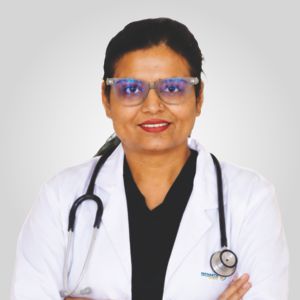
Senior Consultant & HOD - Pain & Palliative Care
MBBS, DA, DNB, MNAMS (Anaesthesia), FIPM (Pain Management), Palliative Care (Capstone Course, Stanford)
Anaesthesia
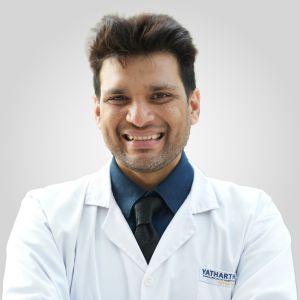
Director - Obstetrics & Gynaecology
MBBS, DGO, DNB, FICOG
Gynaecology & Obstetrics
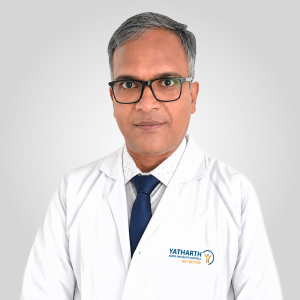
Consultant - Neurosurgeon
MBBS, MS, MCh (Neurosurgery)
Neurosciences
Neurosurgery
Visiting Consultant - Pediatric Interventional & Fetal Cardiologist
MBBS, MD (Pediatric), FNB (Pediatric Cardiology)
Cardiology
Paediatrics
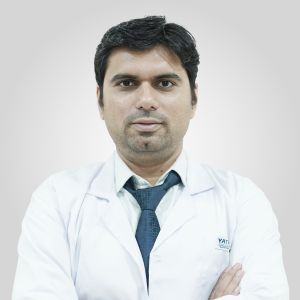
Consultant & Head Unit 1- Nephrology and Kidney Transplant
MBBS, DNB (General Medicine), DrNB (Nephrology)
Nephrology
Renal Sciences & Kidney Transplant
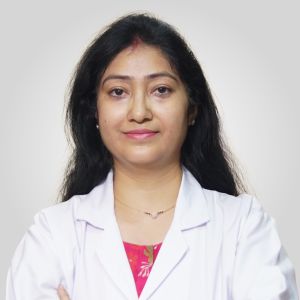
Senior Consultant - Ophthalmology & Phaco Surgeon
MBBS, DNB (Ophthalmology)
Ophthalmology
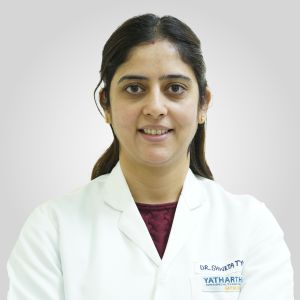
Senior Consultant - Dental
MDS (ENDODONTIST)
Dental Sciences
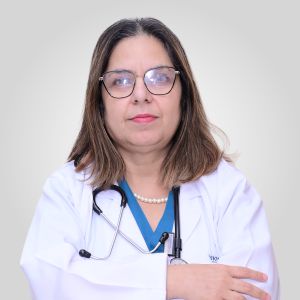
Senior Consultant & Robotic Surgeon and HOD - IVF & Fertility
MBBS, MD (AIIMS)
Gynaecology & Obstetrics
IVF
Robotic Surgery
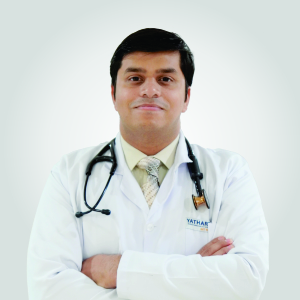
Consultant - Interventional Cardiology Cardiovascular Sciences
MBBS, MD (Medicine), DM (Cardiology), DNB (Medicine) FACC, CCK
Cardiology
Cardiac Sciences
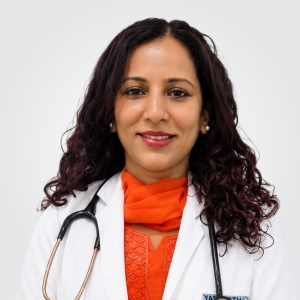
Associate Consultant - Internal Medicine
MBBS, DNB
Internal Medicine
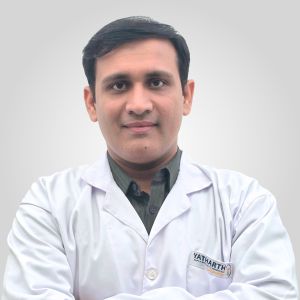
Senior Consultant – Neurosurgery
MBBS, MS (General Surgery) MCh & DrNB (Neurosurgery), FPNS, AFAMS, MNAMS, FAIS, AIIMS & NIMHANS
Neurosciences
Neurosurgery
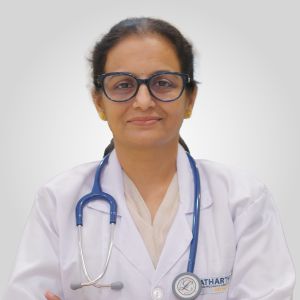
Principal Consultant - Paediatrics & HOD - PICU
MBBS, DCH, MRCPCH (UK), IDPCCM
Paediatrics
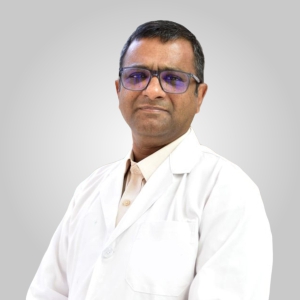
Director & HOD - Critical Care Medicine
MBBS, DNB (General Medicine), MRCP (UK), EDIC, FICCM
Critical Care
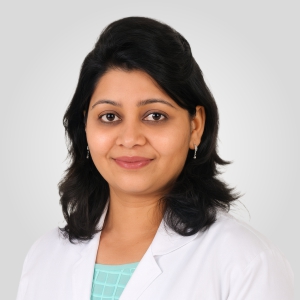
Sr. Consultant - Endocrinology
MBBS, MD(Medicine), DM(Endocrinology)
Endocrinology
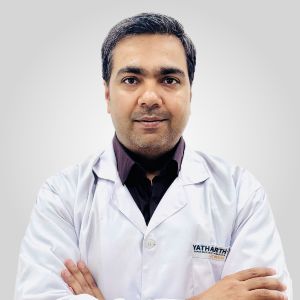
Consultant - Neurosurgery
MBBS, MS (General Surgery), MCh (Neurosurgery)
Neurosciences
Neurosurgery
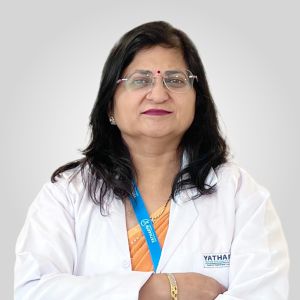
Director & HOD - Obstetrics & Gynaecology, Advanced Gynae Laparoscopic & Robotic Surgeon
MBBS, DNB, FMAS, FICOG
Gynaecology & Obstetrics
Robotic Surgery
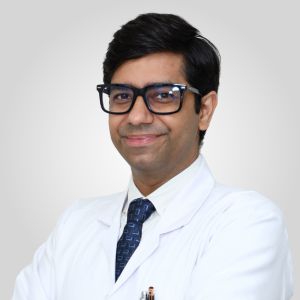
Sr. Consultant & HOD - Neurology
MBBS, MD (Internal Medicine), DM (Neurology)
Neurosciences
Neurology
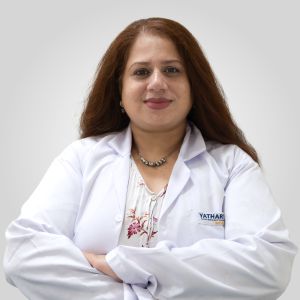
Visiting Consultant - Plastic & Reconstructive Surgery
MBBS, MS (General Surgery), MCh (Plastic Surgery)
Plastic & Reconstructive & Cosmetic Surgery
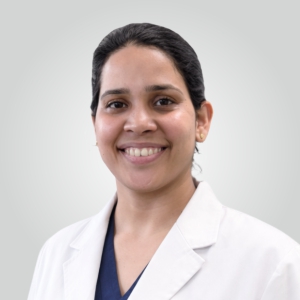
Consultant - Anaesthesia
MBBS, DA, DNB
Anaesthesia

Associate Director - Orthopaedics & Joint Replacement
MBBS, DNB (Orthopaedics)
Orthopaedics & Spine
Knee Replacement
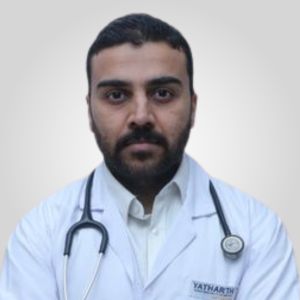
Consultant - Paediatrics & Paediatric Critical Care (PICU)
MBBS, DNB (Pediatrics), Fellowship in Pediatric Critical Care (IDPCCM)
Paediatrics

HOD - Clinical Nutrition and Diabetes
MBBS, FICP, DIP, MBA
Nutrition & Health

Senior Consultant - Internal Medicine
MBBS, DNB (General Medicine)
Internal Medicine
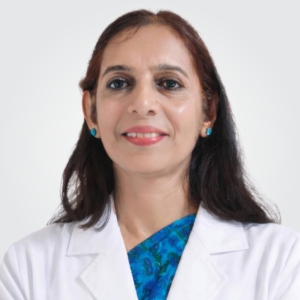
Director - Pathology
MBBS, MD (Pathology)
Pathology & Laboratory Medicine
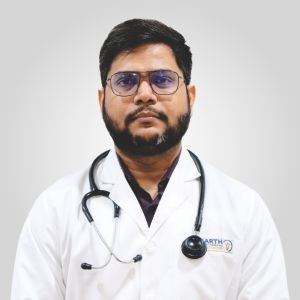
Associate Consultant - Neurosurgery
MBBS, MS, Mch
Neurosciences
Neurosurgery
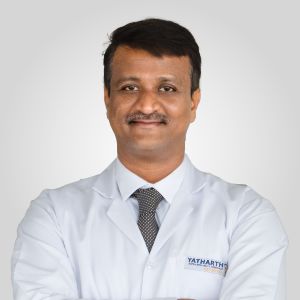
Director & HOD - Neurosurgery
MS, MCH (Neuro & Spine Surgery)
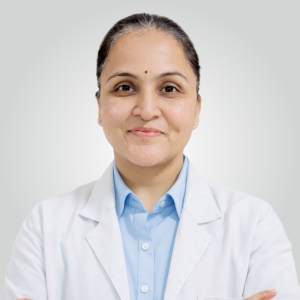
Consultant - Anesthesiology
MBBS , MD
Anaesthesia
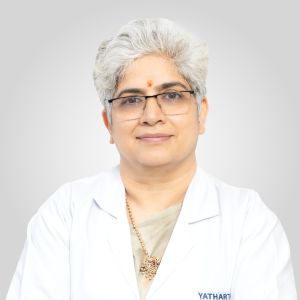
Director & HOD – Obstetrics & Gynaecology
MBBS, MD (Obstetrics & Gynaecology), FICOG, FICMCH, FIMSA
Gynaecology & Obstetrics
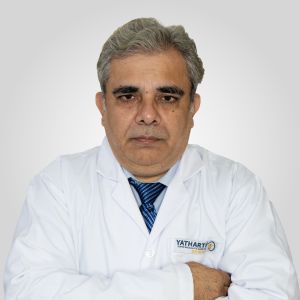
HOD & Senior Consultant – Pediatrics
MBBS, MD (Pediatrics)
Paediatrics
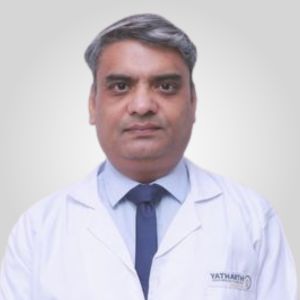
Senior Director & Head - Department of Robotic & Laparoscopic GI Surgery, GI Oncology and Liver Transplant
MBBS, MS, DNB (GI Surgery )
GI Surgery & Liver Transplant
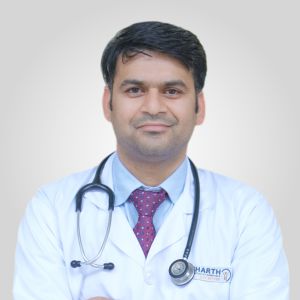
Consultant - Nephrology
MBBS, MD (Internal Medicine)
Renal Sciences
Nephrology
Renal Sciences & Kidney Transplant
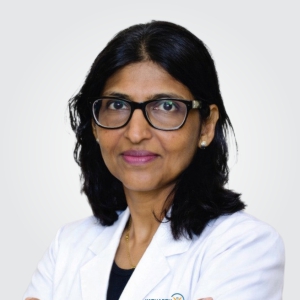
Consultant - Obstetrics & Gynaecology
MBBS, MD
Gynaecology & Obstetrics
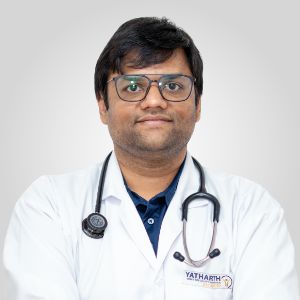
Consultant - Cardio Thoracic & Vascular Surgery
MBBS, MS (General Surgery), MCh (CTVS)
Cardiac Sciences
Cardiac Surgery
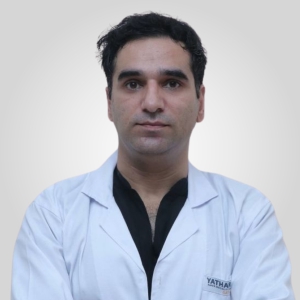
Consultant - Interventional Radiology
MBBS, MD (Radiodiagnosis), FVIR(AIIMS Delhi)
Radiology
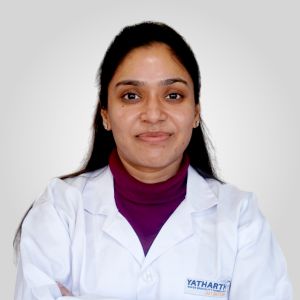
Associate Consultant – Medical Oncology
MBBS, MD (Medicine), DM (Medical Oncology)
Cancer and Bone Marrow Transplant
Medical Oncology
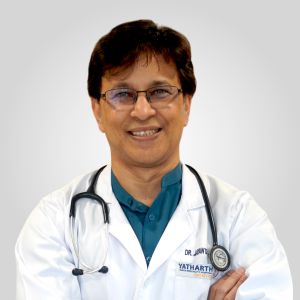
Senior Director - Internal Medicine & Rheumatology
MBBS, MD (Medicine), MRCP Rheu. (EULAR), LUPUS (EULAR)
Internal Medicine
Rheumatology

Senior Consultant - Dermatology
MBBS, DV&D (Dermatology)
Dermatology
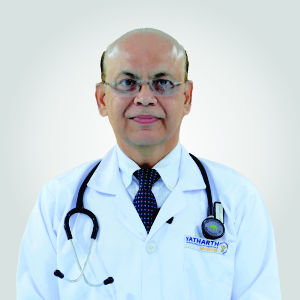
Chairman - Cardiovascular Sciences
MBBS, MD (Internal Medicine) DM (Cardiology)
Cardiology
Cardiac Sciences

Consultant - Endocrinology
MBBS, MD (Internal Medicine), DM (Endocrinology)
Endocrinology
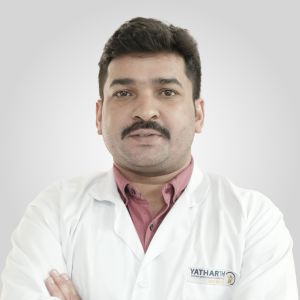
Consultant - Pulmonology
MBBS, MD (Respiratory & Critical Care Medicine)
Pulmonology
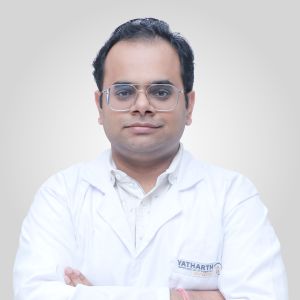
Senior Consultant - Neurology
MBBS, MD, DM (Neurology)
Neurosciences
Neurology
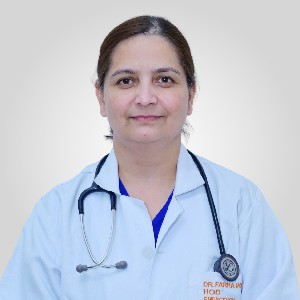
Senior Consultant & HOD - Emergency Medicine
MBBS, DEM, MEM
Emergency Medicine

Consultant - Orthopaedics, Arthroscopy & Joint Replacement Surgery
MBBS, DNB (Ortho), Fellowship in Sports Medicine & Arthroscopy (ISAKOS)
Orthopaedics & Spine
Knee Replacement
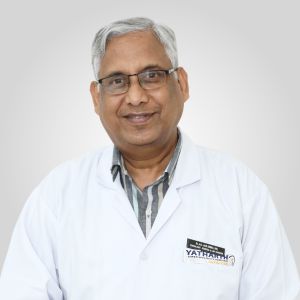
Senior Consultant - Laparoscopy & General Surgeon
MS Surgery
General & Laparoscopic Surgery

HOD - Dietetics
M.Sc. (Food & Nutrition), B.Sc. (Food & Nutrition)
Nutrition & Health
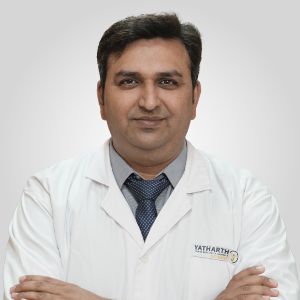
Attending Consultant-Urology
MBBS, DNB (General Surgery), DNB (Urology)
Robotic Surgery
Urology
Renal Sciences & Kidney Transplant
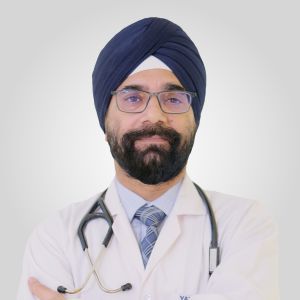
Director - Pulmonology
MBBS, MD (Pulmonology)
Pulmonology
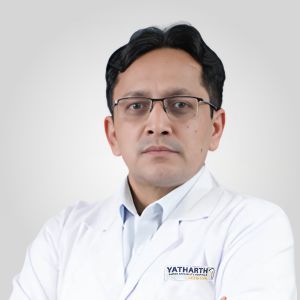
Senior Consultant - Pediatric Surgeon
MBBS, MS, MCh (Pediatric Surgery)
Paediatrics
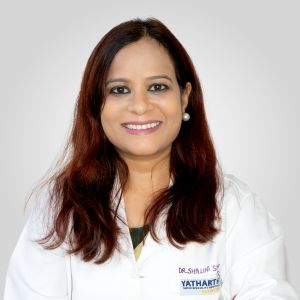
Senior Consultant - Obstetrics & Gynaecology
MBBS, DGO, DNB
Gynaecology & Obstetrics
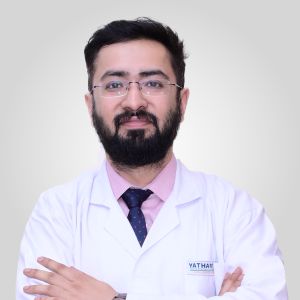
Consultant - Pulmonology
MBBS, MD, DM (Pulmonary Medicine)
Pulmonology
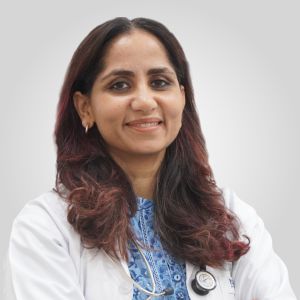
Consultant & HOD – Paediatric Nephrology
MBBS, DCH, Fellowship Paediatric Nephrology (FIPNA, FISPN) & PhD Scholar
Nephrology
Paediatrics
Renal Sciences & Kidney Transplant
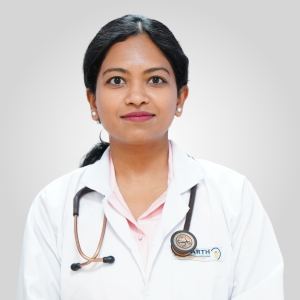
Attending Consultant - Internal Medicine
MBBS, PhD (Medical Sciences – Japan)
Internal Medicine
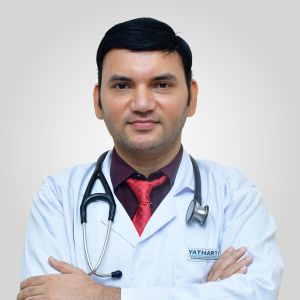
Senior Consultant - Internal Medicine, Facility Director
MBBS, MD (Physician), AFIHC (MAMC)
Internal Medicine
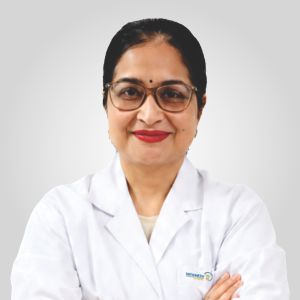
Associate Director - Obstetrics & Gynaecology
FICOG, DNB, DGO, MBBS
Gynaecology & Obstetrics
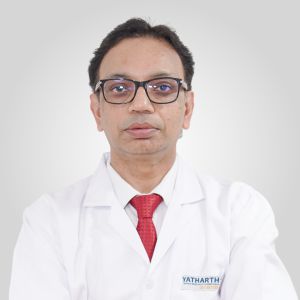
Director - Orthopaedics & Trauma Care
MBBS, MS (Orthopedics)
Orthopaedics & Spine
Knee Replacement
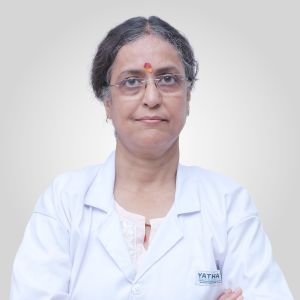
Senior Consultant - Obstetrics & Gynaecology
MD (Obstetrics & Gynecology), FOGSI, IMA
Gynaecology & Obstetrics
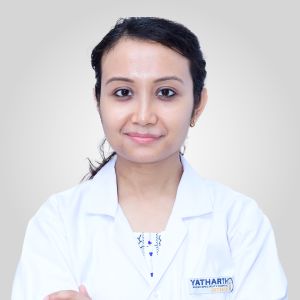
Consultant - Neonatology & Paediatric
MBBS, MD (Paediatrics), DM (Neonatology)
Paediatrics
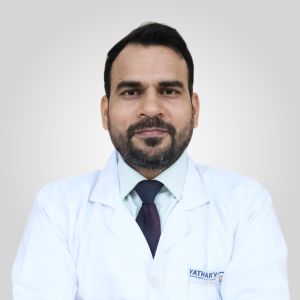
Director- Neurosurgery
MBBS, MS, MCh (Neurosurgery)
Neurosciences
Neurosurgery
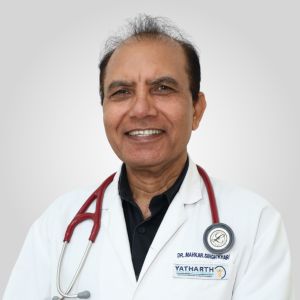
Senior Consultant - Cardiology
MBBS, PGDCC (Cardiology)
Cardiology
Cardiac Sciences
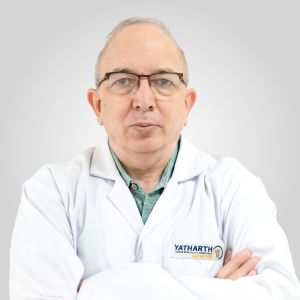
Director & HOD – Urology
MBBS, MS (General Surgery), DNB (Urology), PGDFM
Urology
Renal Sciences & Kidney Transplant
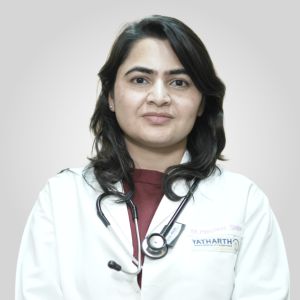
Senior Consultant - Radiation Oncology
MBBS, DNB (Radiation Oncology)
Cancer and Bone Marrow Transplant
Radiation Oncology
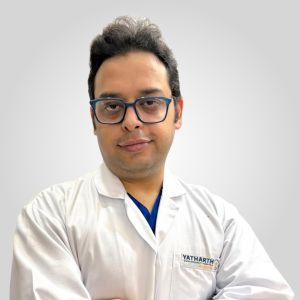
Sr. Consultant - Plastic Surgery
MBBS, MS, Mch, DrNB (Plastic Surgery)
Plastic & Reconstructive & Cosmetic Surgery
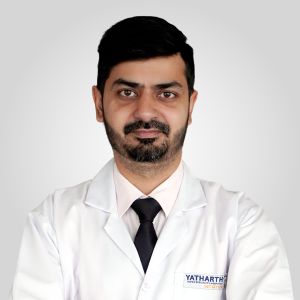
Senior Consultant & HOD - Neurology
MBBS, MD, DrNB
Neurosciences
Neurology
Consultant - Dermatology
MBBS, MD, DNB (Dermatology, Venereology & Leprosy), MRCP, MNAMS
Dermatology
Senior Consultant - ENT
MBBS, MS (ENT)
ENT & Cochlear Implant
Consultant - Orthopaedics & Joint Replacement
MBBS, MS
Orthopaedics & Spine
Knee Replacement

Consultant - Fetal Medicine
MBBS, MS, DNB (Obstetrics & Gynaecology), Fellowship in Fetal Medicine
Gynaecology & Obstetrics
HOD - Pulmonology, Intervention Pulmonology & Sleep Medicine
MBBS, MD (Pulmonary Medicine)
Pulmonology
Senior Consultant - Aesthetics & Reconstructive Surgery
MBBS, MS (General Surgery), MCh (Burns & Plastic Surgery)
Plastic & Reconstructive & Cosmetic Surgery
Associate Director - Pediatric Cardiology
MBBS,MD (Pediatrics), FNB (Pediatric Cardiology)
Cardiology
Cardiac Sciences
Director & HOD - ENT
MBBS, DNB (ENT)
ENT & Cochlear Implant
Director & HOD - Plastic, Aesthetic & Reconstructive Surgery
MBBS, MS (General Surgery), MCh (Plastic Surgery), FICS (Plastic Surgery)
Plastic & Reconstructive & Cosmetic Surgery
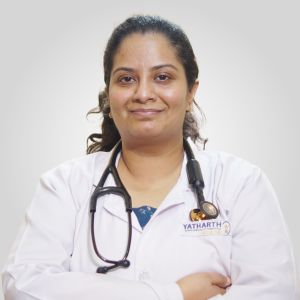
Consultant - Clinical Immunology and Rheumatology
MBBS, MD, DM
Rheumatology and Orthopaedics
Rheumatology
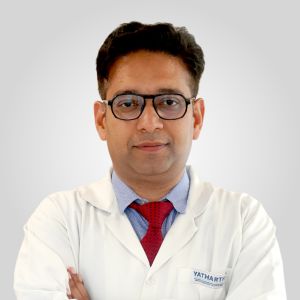
Consultant – Neurosurgery
MBBS, MS, MCh (Neurosurgery)
Neurosciences
Neurosurgery
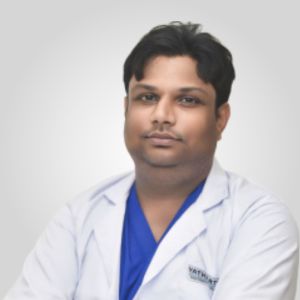
Consultant - Maxilo-Facial Surgeon
BDS, MDS
Dental Sciences
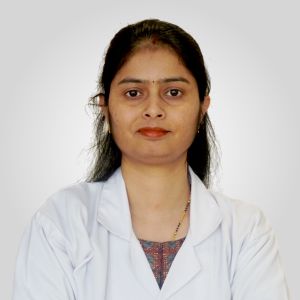
HOD – Physiotherapy & Rehabilitation
BPT, MPT (Ortho), CMMT, CCT, MMTFI
Physiotherapy & Rehabilitation
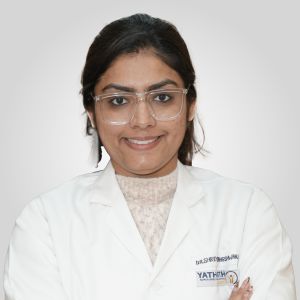
Consultant - Periodontist & Implantologist
BDS, MDS
Dental Sciences
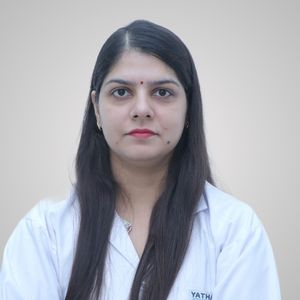
Consultant - Ophthalmology
MBBS, MS, FMR
Ophthalmology
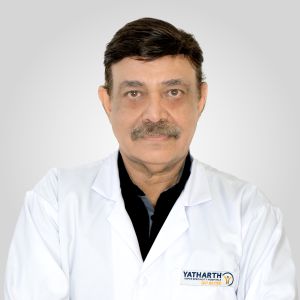
Senior Consultant – Internal Medicine & Diabetologist
MBBS, DMRD, MD (Medicine), FIACM, FCCP, FICP, Diploma in Diabetology
Internal Medicine
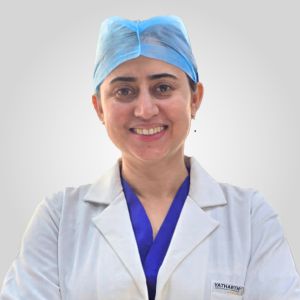
Director - Obstetrics & Gynecology, Robotic, Laparoscopic Surgeon
MBBS, MS, FMAS, DMAS, FICMCH, FICRS
Gynaecology & Obstetrics
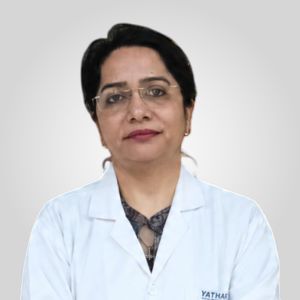
Consultant - Dermatologist
MBBS, MD (Dermatology)
Dermatology
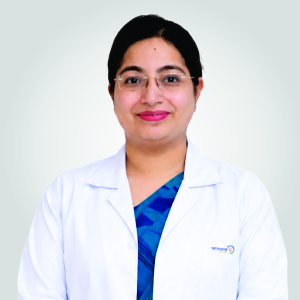
Director & Unit Head - Obstetrics & Gynaecology
MBBS, MS (Obs & Gynae), DNB, CIMP, FICOG
Gynaecology & Obstetrics
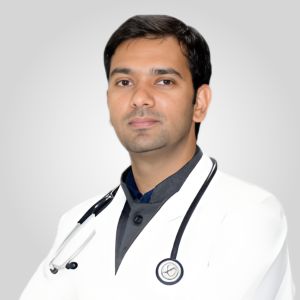
Consultant - Rheumatology
MBBS, MD (General Medicine), DM (Clinical Immunology & Rheumatology)
Orthopaedics & Spine
Rheumatology
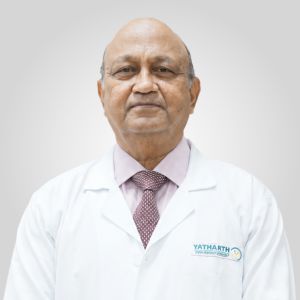
Senior Consultant - Orthopaedics
MBBS, MS (General Surgery), MS (Ortho), PGDM
Orthopaedics & Spine
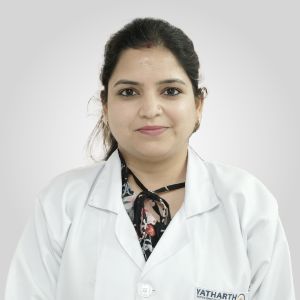
Consultant - Conservative Dentistry & Endodontics
BDS, MDS
Dental Sciences
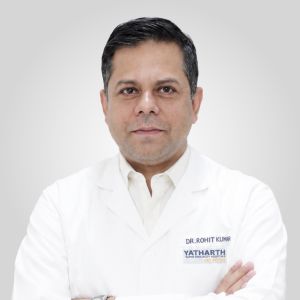
Senior Consultant & HOD - Emergency
MBBS, FICCM
Emergency Medicine

Consultant - Pathology
MBBS, MD
Pathology & Laboratory Medicine

Consultant - Dermatology
MBBS, MD (AIIMS New Delhi), DNB, MRCP UK (SCE)
Dermatology
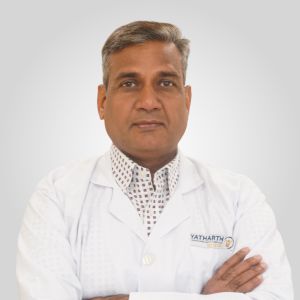
Senior Director & HOD Paediatrics & Neonatology
MBBS, MD (Paediatrics), DNB (Neonatology)
Paediatrics
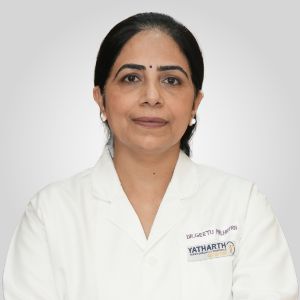
Director & HOD - Laboratory
MBBS, MD, FRC Path (Histopathology)
Pathology & Laboratory Medicine
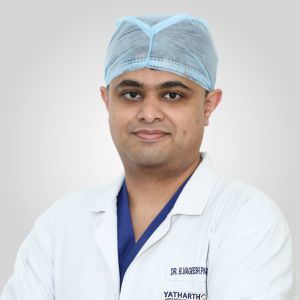
Senior Consultant & HOD - ENT
MBBS, MS, DNB
ENT & Cochlear Implant
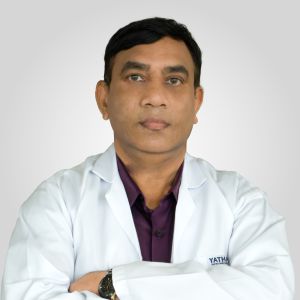
Senior Consultant - General & Laparoscopic Surgeon
MBBS, MS (General Surgery)
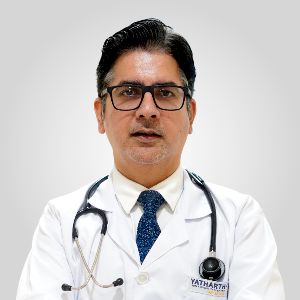
Chairman & Group Director - Neurology
MBBS, MD, DM (AIIMS), MRCP (UK), FEBN, FIHN, FRCP (Glasgow, London)
Neurosciences
Neurology

HOD - Critical Care
MBBS, MD (Anaesthesia)
Critical Care
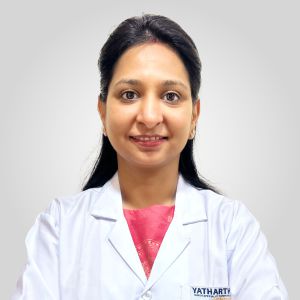
Consultant- Paediatrics & Neonatology
MD, DrNB (Neonatology)
Paediatrics
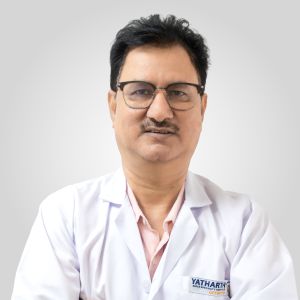
Director & HOD – Nephrology
MBBS, MD (Medicine), DM (Nephrology)
Nephrology
Renal Sciences & Kidney Transplant
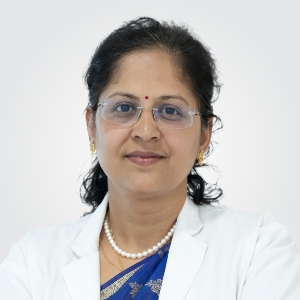
Director- Obstetrics & Gynaecology
MBBS, MS, FICOG, CIMP
Gynaecology & Obstetrics
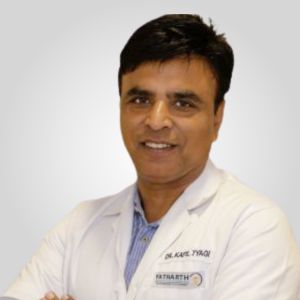
Managing Director - Yatharth Group of Hospitals
MBBS, MS, MCh
Orthopaedics & Spine
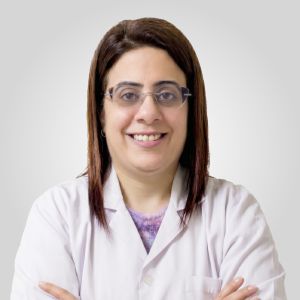
HOD & Consultant – Dental Sciences
BDS, Fellowship in Oral Implantology (FAOI)
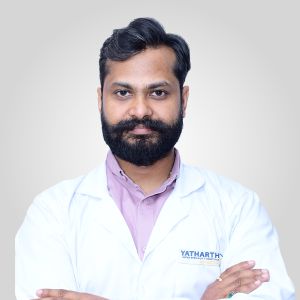
Director & HOD - CTVS
MBBS, MS (General Surgery ), MCh (Cardiothoracic and Vascular Surgery)
Cardiac Sciences
Cardiac Surgery
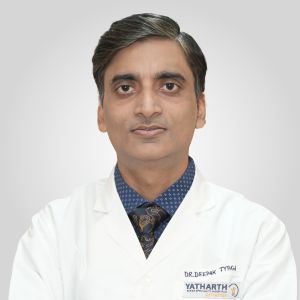
HOD - Physiotherapy and Rehabilitation
BPT, MPT ( Neuro)
Physiotherapy & Rehabilitation
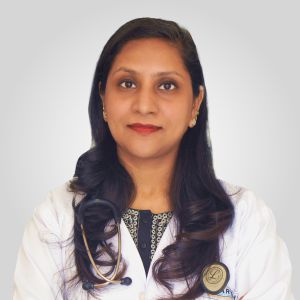
Senior Consultant – Endocrinology
MBBS, MD (Medicine), DrNB (Endocrinology)
Endocrinology
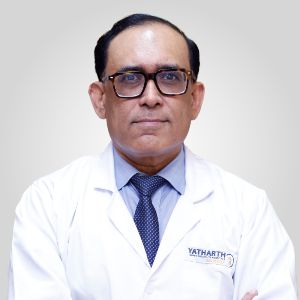
Director - Critical Care & Pulmonology
MBBS, MD, EDIC, EDARM, FCCP (USA)
Pulmonology
Critical Care

Senior Consultant & HOD - Robotic, General & Laparoscopic Surgery
MBBS, MS (Surgery)
General & Laparoscopic Surgery
Robotic Surgery
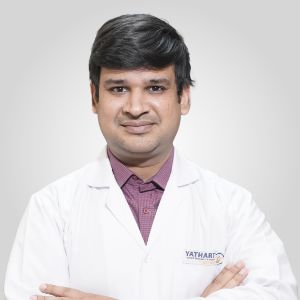
Consultant – Interventional Radiology
MBBS, MD (Radiodiagnosis), DNB (Radiodiagnosis)
Radiology

HOD - Dietetics
M.Sc Food and Nutrition (Gold Medalist, University of Delhi)
Nutrition & Health
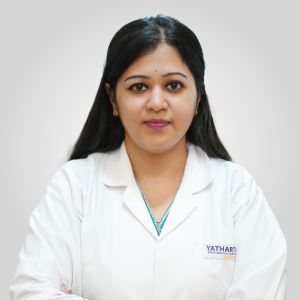
General Physician
MBBS (Internal Medicine), MPH (Masters in Public Health)
Internal Medicine
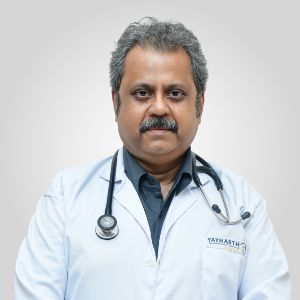
Medical Director - Internal Medicine & Academic Head - DNB Programme
MBBS, DNB (Medicine)
Internal Medicine
-j.-m.-hans87073830.png)
Principal Consultant - ENT
MBBS, MS (ENT), Gold Medalist & Topper – PGI Chandigarh
ENT & Cochlear Implant
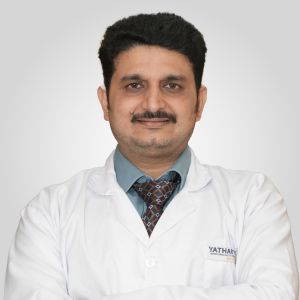
Associate Director - Orthopaedics & Joint Replacement
DNB (Ortho), D. Ortho, MNAMS (Ortho)
Orthopaedics & Spine
Knee Replacement
Senior Consultant – Critical Care Medicine
MBBS, MD, DM
Critical Care
Director & HOD of Neurosurgery, Group Director of Neurointervention
MBBS, DNB (Neurosurgery), FINR (France)
Neurosciences
Neurosurgery
Interventional Spine
Neurointervention
HOD & Sr. Consultant
MBBS, MS
ENT & Cochlear Implant

Consultant - Orthopaedics & Joint Replacement
MBBS, DNB (Orthopedics), Fellowship in Arthroscopy & Arthroplasty
Orthopaedics & Spine
Knee Replacement
Director – Paediatrics & Neonatology
MBBS, DCH, DNB (Paediatrics)
Paediatrics
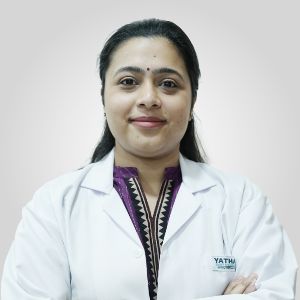
Consultant - Ophthalmology
MBBS, DNB, FICO
Ophthalmology
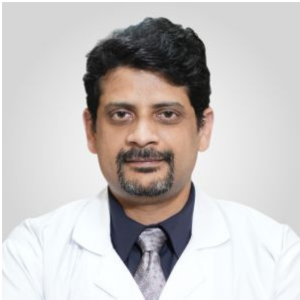
Director & HOD - Neurology & Endovascular Intervention
MBBS, MD, DM, FINR
Neurosciences
Neurology
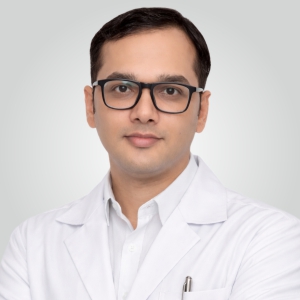
Consultant - Rheumatology & Clinical Immunology
MBBS (Gold Medal), MD (Gold Medal), DM (Clinical Immunology & Rheumatology) SCE Rheumatology (UK), RhMSUS (USA) USSONAR Fellow (USA) IURF Fellow (UK)
Rheumatology
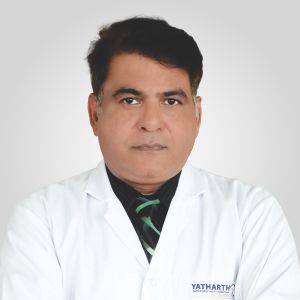
Group Chairman - Orthopaedics & Joint Replacement
MBBS, MS (Ortho)
Orthopaedics & Spine
Robotic Surgery
Knee Replacement
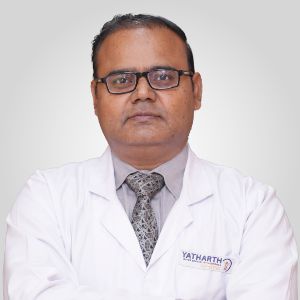
Senior Consultant - Minimal Access, Bariatric, Robotic & General Surgery
MBBS, MS (General Surgery)
General & Laparoscopic Surgery
Robotic Surgery
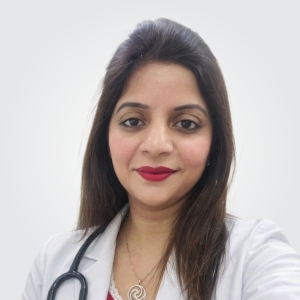
Senior Consultant - Obstetrics & Gynaecology
MBBS, DNB, MNAMS, FMAS
Gynaecology & Obstetrics
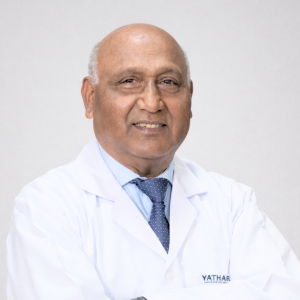
Senior Consultant - Pediatrics & Neonatology
MBBS, MD (Paediatrics)
Paediatrics
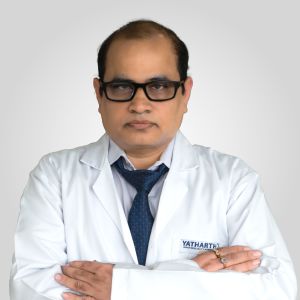
Consultant - Anaesthesia
MBBS, Diploma in Anaesthesiology, DNB (Anaesthesiology)
Anaesthesia
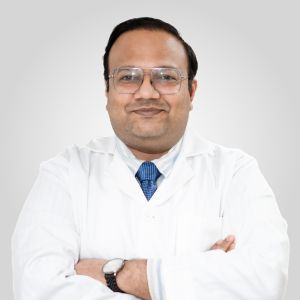
Consultant - Orthopedic
DNB (Orthopedics), MNAMS, Diploma in Ortho, FIAS (Fellowship in Sports injury, Singapore)
Orthopaedics & Spine
Knee Replacement

HOD - Physiotherapy
BPT, MPT, MIAP
Physiotherapy & Rehabilitation
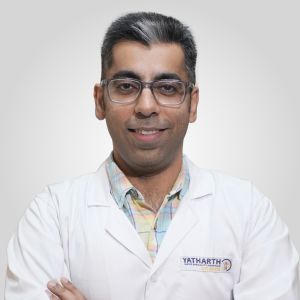
Sr. Consultant - Surgical Oncology
MBBS, MS (General Surgery), MCh, DNB (Surgical Oncology)
Cancer and Bone Marrow Transplant
Surgical Oncology
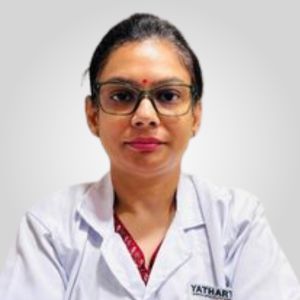
Senior Consultant - Ophthalmology
MBBS, DNB, Fellowship in Oculoplasty
Ophthalmology
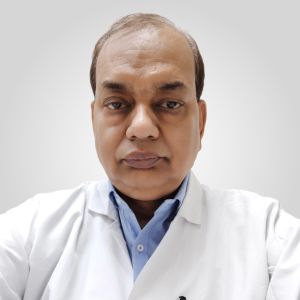
Sr. Consultant - Dermatology
MBBS,MD, Dermatologist
Dermatology
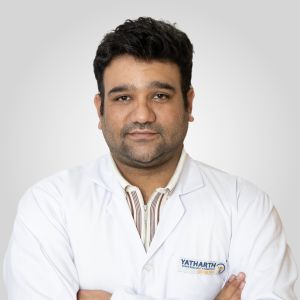
Senior Consultant – Radiology
MBBS, MD (Radiodiagnosis)
Radiology
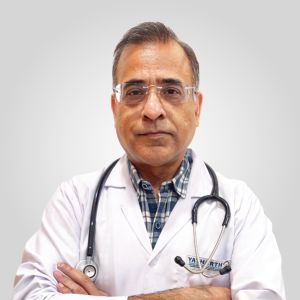
Director & HOD Neurology
MBBS, MD, DM, DNB
Neurosciences
Neurology
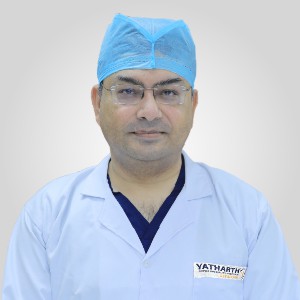
Senior Consultant - Orthopaedics & Robotic Joint Replacement
MBBS, MS
Orthopaedics & Spine
Knee Replacement
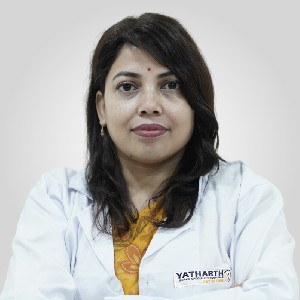
Associate Consultant - Obstetrics & Gynaecology
MBBS (Gold Medalist), DNB (Obs & Gynae)
Gynaecology & Obstetrics
Senior Consultant - Psychologist
MA (Clinical Psychology), PGDGC, CIG
Psychology & Psychiatry
Senior Consultant – Radiology
MBBS, MD (PHYSIOLOGY), MD (RADIO-DIAGNOSIS), FMF (UK) CERTIFIED
Radiology
Consultant - Paediatric Critical Care
MBBS, MD (Paediatrics), IDPCCM & Fellowship in Paediatric Critical Care
Paediatrics

Consultant - Obstetrics & Gynaecology
MBBS, DNB
Gynaecology & Obstetrics
Senior Consultant – Pathology
MBBS, MD (Pathology)
Pathology & Laboratory Medicine
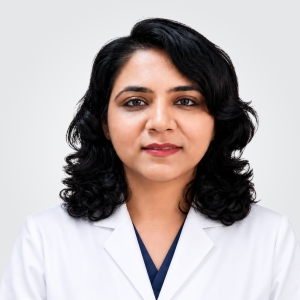
Clinical Psychologist
M. Phil (Clinical Psychology)
Psychology & Psychiatry
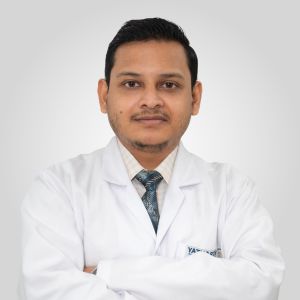
Consultant - Orthopaedics Trauma, Spine & Joint Replacement
MBBS, MS (Ortho)
Orthopaedics & Spine
Knee Replacement

Consultant - Ophthalmology
MBBS, MS (Ophthalmology)
Ophthalmology
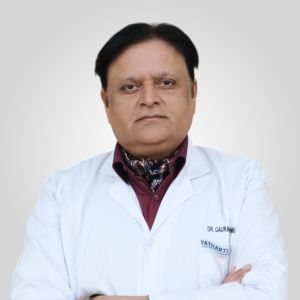
HOD - Emergency
MBBS, MD (Physician), AFIH
Emergency Medicine
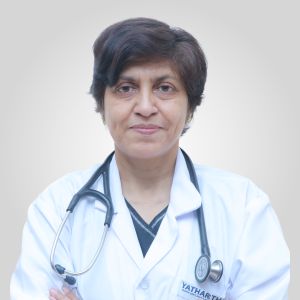
Senior Consultant - Critical Care
MBBS, MD (Medicine)
Critical Care
HOD – Pathology & Lab Medicine
MBBS, MD (Pathology), DNB (Pathology)
Pathology & Laboratory Medicine
Senior Consultant – Respiratory, Critical Care & Sleep Medicine and Interventional Pulmonologist
MD, DTCD, DNB (Respiratory Medicine), AFSA (France), Fellow European Respiratory Society (Switzerland)
Pulmonology

Consultant - Oral & Maxillofacial Surgery
BDS, MDS (OMFS)
Dental Sciences
Consultant-Medical & Haemato Oncology
DNB, MD (Medicine), DM, (Med. Onco.), MRCP (UK), MRCP SCE (Med.Onco), ECMO
Haemato-Medical Oncology
Cancer and Bone Marrow Transplant
Medical Oncology
Director & HOD - Neonatology
MBBS, MD (Paediatrics), DNB (Neonatology)
Paediatrics
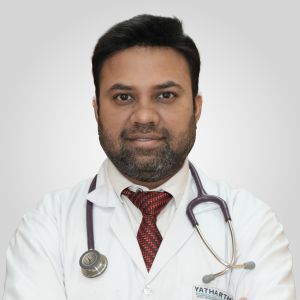
Consultant & HOD - Nuclear Medicine
MBBS, DRM (Nuclear Medicine)
Nuclear Medicine
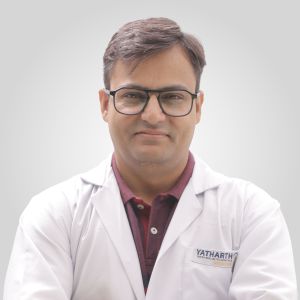
Senior Consultant – Neurosurgery
MBBS, MS (General Surgery), MCh (Neurosurgery)
Neurosciences
Neurosurgery
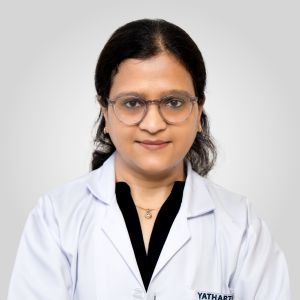
Senior Consultant – Anesthesia
MBBS, DNB (Anaesthesiology), MNAMS
Anaesthesia
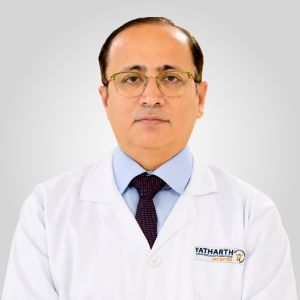
Chairman & Head - Urology, Robotic Surgery, Uro-oncology & Kidney Transplant
MBBS, MS (Surgery), DNB (Urology)
Robotic Surgery
Urology
Renal Sciences & Kidney Transplant
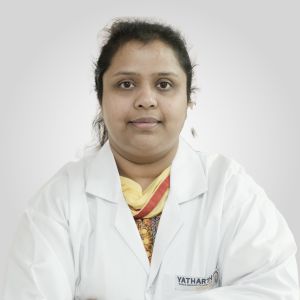
Consultant - Physiotherapy
BPT ( Physiotherapist)
Physiotherapy & Rehabilitation
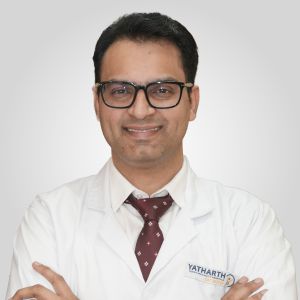
Senior Consultant & HOD - Cardiology
MD, DNB, DM (Cardiology)
Cardiology
Cardiac Sciences
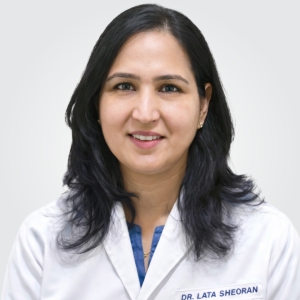
Consultant & HOD - Clinical Microbiology, Serology & Immunology
MBBS, DNB
Pathology & Laboratory Medicine

Senior Consultant - Nephrology
MBBS, DNB (General Medicine), DM (Nephrology)
Nephrology
Renal Sciences & Kidney Transplant

Senior Consultant - Gastroenterology
MBBS, MD, DM
Gastroenterology
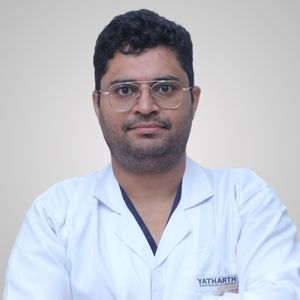
Consultant - Pain and Palliative Medicine
MBBS, MD (Anesthesiology), PDCC, CCEPC (Palliative Medicine), FCPM (Palliative Medicine)
Anaesthesia

Chief Dietician
M.Sc. (F&N), CCCN, CFN, CBN
Nutrition & Health
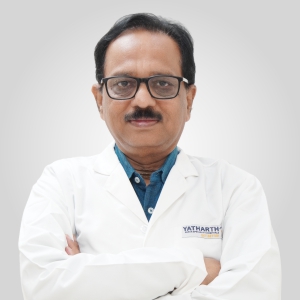
Vice Chairman - Surgical Oncology
MBBS, MS, MCh (Surgical Oncology)
Cancer and Bone Marrow Transplant
Surgical Oncology
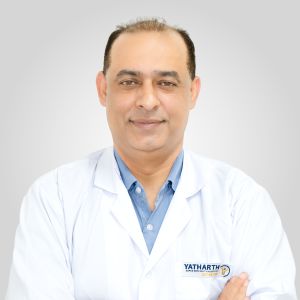
Director & HOD – Emergency Medicine and Trauma Services
MBBS, DEM (UK), MRCEM (UK), Fellow (RSPH, UK)
Emergency Medicine
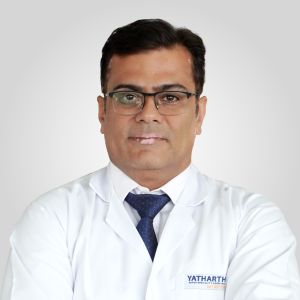
Senior Consultant - Sports Injuries & Arthroscopy Specialist
MBBS, DNB (Orthopaedics)
Orthopaedics & Spine
Knee Replacement
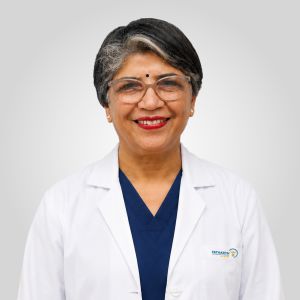
Chairman - Obstetrics & Gynaecology
MD, FICOG, FICS, PGDMLS
Gynaecology & Obstetrics
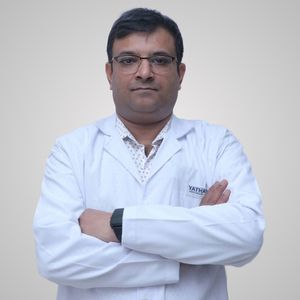
Senior Consultant - ENT
MBBS, MS (ENT)
ENT & Cochlear Implant

Consultant - HIV Medicine
MBBS, Diploma in Family Medicine, Fellowship in HIV Medicine
Internal Medicine
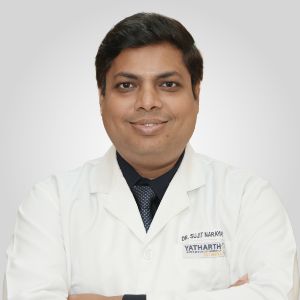
Senior Consultant - Complex Trauma & Spine
MBBS, D.ORTHO, FIMS, AO TRAUMA
Orthopaedics & Spine
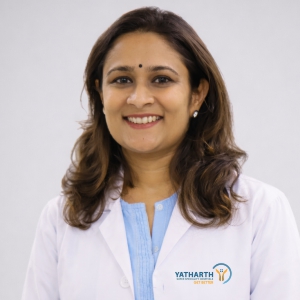
Senior Consultant - Pediatrics & Neonatology
MBBS, MD (Paediatrics), MRCPCH
Paediatrics
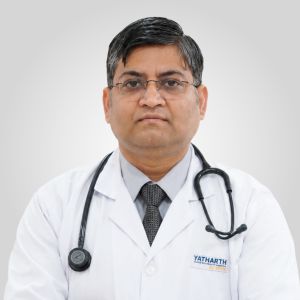
Regional Director & HOD - ENT
MBBS, MS (Gold Medalist) - ENT
ENT & Cochlear Implant
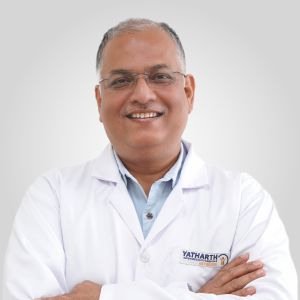
Vice Chairman & HOD – Cardiology
MBBS, MD (Medicine), DM (Cardiology), FACC (USA), FESC (Europe), FSCAI (USA), FCSI
Cardiology
Cardiac Sciences
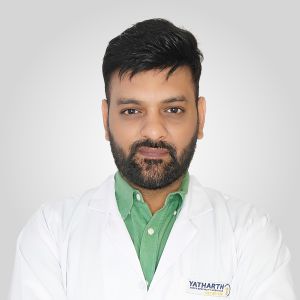
Consultant – Urology & Kidney Transplant and Robotic Surgery
MBBS, MS, MCh, FMAS
Urology
Renal Sciences & Kidney Transplant

Senior Consultant - Neonatology & Pediatrics
MBBS, DCH, NNF Fellowship in Neonatology
Paediatrics
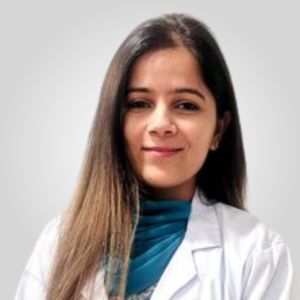
Associate Consultant - Ophthalmology
MBBS, MS, FPRS, FMR
Ophthalmology
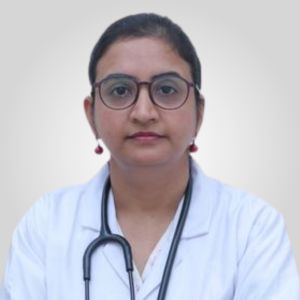
Consultant - Endocrinology & Diabetes
MBBS, MD (General Medicine), DrNB (Endocrinology)
Endocrinology
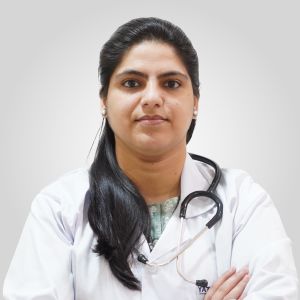
Consultant - Pediatrics
MBBS, MD (Pediatrics)
Paediatrics
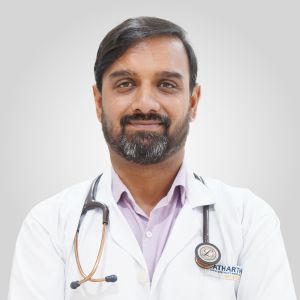
Senior Consultant - Cardiothoracic & Vascular Surgery
MBBS, MS (General Surgery), MCh (CTVS)
Cardiac Sciences
Cardiac Surgery
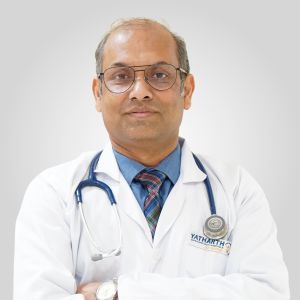
Director and HOD - Anaesthesia
MBBS, MD, EDAIC, PGDMLE
Anaesthesia
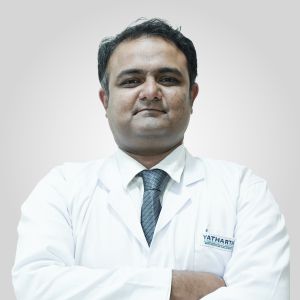
Senior Consultant - Surgical Oncology
MBBS, MS (General Surgery), MCh (Surgical Oncology)
Cancer and Bone Marrow Transplant
Surgical Oncology
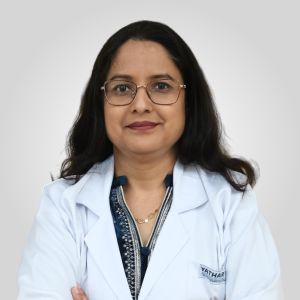
Senior Consultant & HOD - Anaesthesia
MBBS, DNB, DA
Anaesthesia

Senior Consultant & HOD - Medical Oncology
MBBS, MD, DrNB (Medical Oncology)
Cancer and Bone Marrow Transplant
Medical Oncology
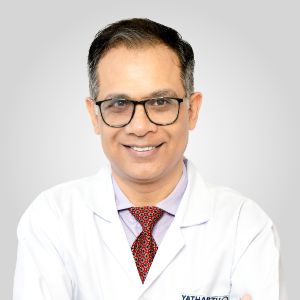
Senior Consultant – Orthopaedics
MBBS, DNB, MCh
Orthopaedics & Spine
Robotic Surgery
Knee Replacement
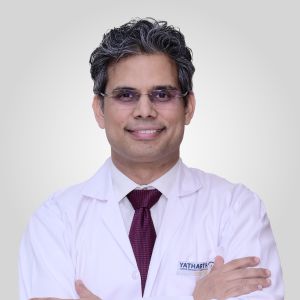
Senior Consultant & Robotic Surgeon - Urology
MBBS, MS, DNB (Urology)
Robotic Surgery
Urology
Renal Sciences & Kidney Transplant
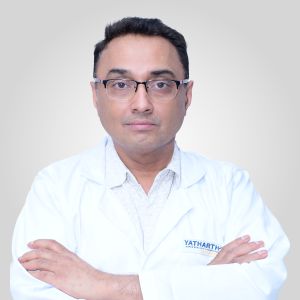
Consultant - Adult & Paediatric Cardio Thoracic and Vascular Surgery
MD, DNB
Cardiology
Cardiac Sciences
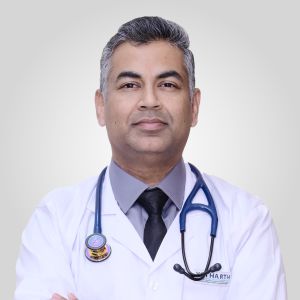
Senior Consultant & HOD - Non-Invasive Cardiology
MBBS, CTCCM Fellowship in Non-Invasive Cardiology
Cardiology
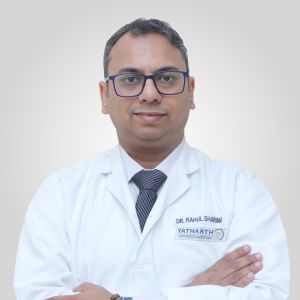
Senior Consultant - Neurosurgery and Chief MISS & Pain Modulation
MBBS, MS, DNB (Neurosurgery) FIPP, FESS
Neurosciences
Neurosurgery
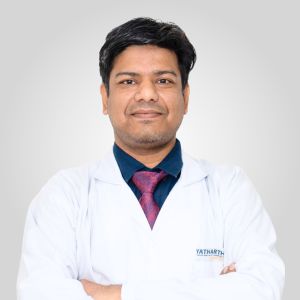
Consultant - Gastroenterology
MBBS, MD (Medicine), DM, DrNB (Gastroenterology)
Gastroenterology

Senior Consultant - IVF
MBBS, DNB (OBG), FRM
Gynaecology & Obstetrics
IVF
Senior Consultant - Paediatrics & Neonatology
MBBS, MD (Paediatric), Fellow NNF (Neonatology)
Paediatrics

Senior Consultant - Internal Medicine
MBBS, DFID, M. Med, PGDMH, DNHE, PGHHM
Internal Medicine
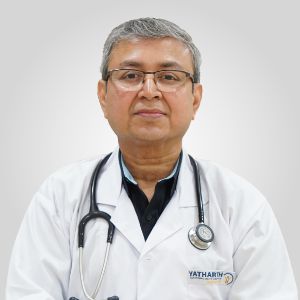
Senior Director - Pediatrics
MBBS, MD (Pediatrics)
Paediatrics
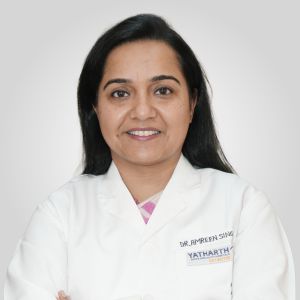
Senior Consultant & HOD - Infertility and IVF
MBBS, MD, ISAR ASPIRE Fellowship, DRM (Kiel, Germany)
IVF
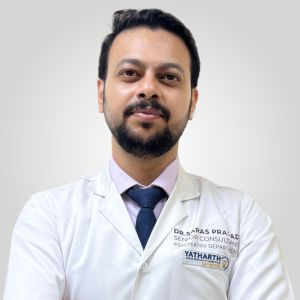
Consultant - Psychiatry
MD, FIPS
Psychology & Psychiatry
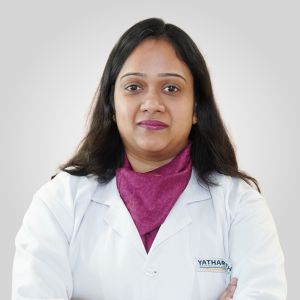
Senior Consultant - Psychiatry
MBBS, DNB (Psychiatry)
Psychology & Psychiatry
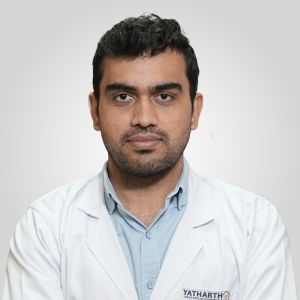
Attending Consultant - General Surgery & Minimal Access (Laparoscopic) Surgery
MBBS, MS, MMAS (Mastery in Minimal Access Surgery)
General & Laparoscopic Surgery
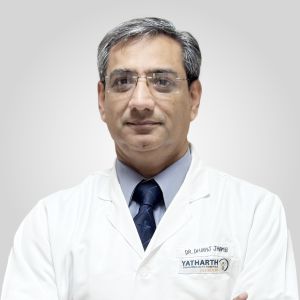
Director & Senior Consultant – Cardiovascular & Thoracic Surgery
MBBS, MS, MCh (Cardiothoracic & Vascular Surgery))
Cardiac Sciences
Cardiac Surgery
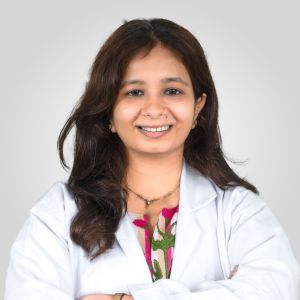
Associate Consultant – Anesthesia
MBBS, DNB (Anaesthesiology)
Anaesthesia
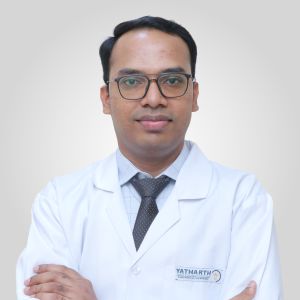
Consultant - Neurosurgery
MBBS, MS, MCh (Neurosurgery)
Neurosciences
Neurosurgery

Director - Orthopaedics & Joint Replacement
MBBS, MS (Orthopaedics), DNB (Orthopedics)
Orthopaedics & Spine
Robotic Surgery
Knee Replacement

Sr. Consultant & HOD - Orthopaedics
MBBS, MS (Orthopaedics)
Orthopaedics & Spine
Knee Replacement
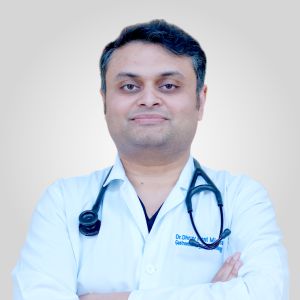
Consultant- Gastroenterology & Hepatology
MBBS, MD, DrNB
Gastroenterology
Hepatology
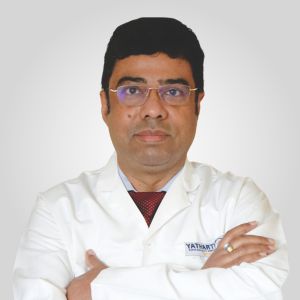
Vice Chairman – Medical Oncology & Haematology
MBBS, MD (Internal Medicine), DrNB (Medical Oncology)
Haemato-Medical Oncology
Cancer and Bone Marrow Transplant
Medical Oncology
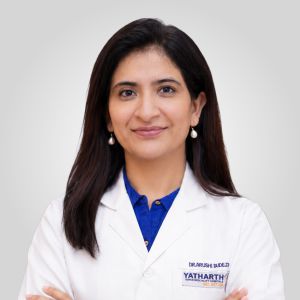
Consultant - Dermatologist, Hair Transplant Surgeon & Vaginal Aesthetist
MBBS, MD (Dermatology)
Dermatology
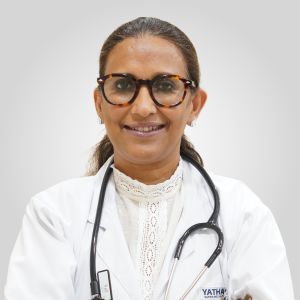
Director - Critical Care
MBBS, DNB (Medicine), IDCCM, EDIC
Critical Care
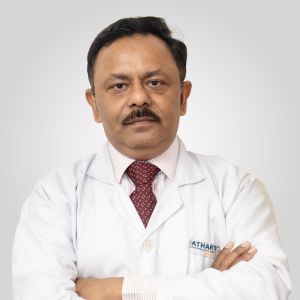
Senior Consultant - Anaesthesia
MBBS, MD (Anaesthesia)
Anaesthesia
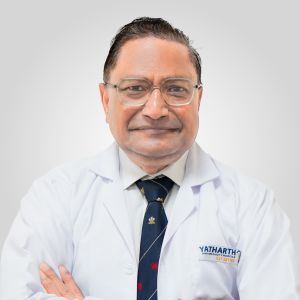
Visiting Consultant - Neurosurgery
MS (General Surgery), MBBS
Neurosciences
Neurosurgery
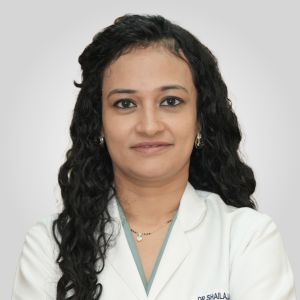
Consultant - Pathology
MBBS & DCP (Pathology)
Pathology & Laboratory Medicine
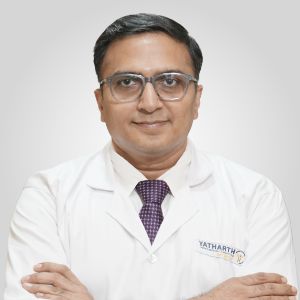
Senior Director & HOD – Urology, Renal Transplant, Robotics & Uro-Oncology
MBBS, DNB (General Surgery), MCh (Urology)
Robotic Surgery
Urology
Renal Sciences & Kidney Transplant
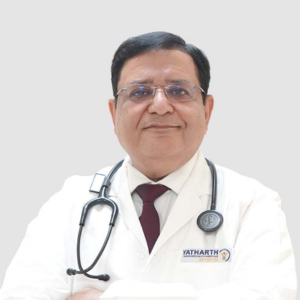
Vice Chairman & HOD – Pulmonology
MBBS, DCH, MD (Pulmonary Medicine), DNB (Respiratory Medicine)
Pulmonology
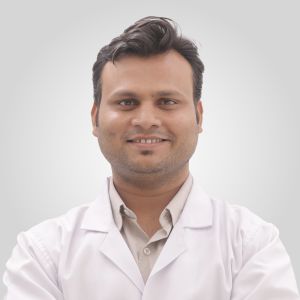
Senior Consultant – Neurosurgery
MBBS, DrNB (Neurosurgery)
Neurosciences
Neurosurgery
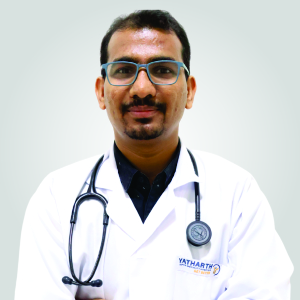
Associate Consultant - Medical Gastroenterology
MBBS, MD (General Medicine), DM (Medical Gastroenterology)
Gastroenterology
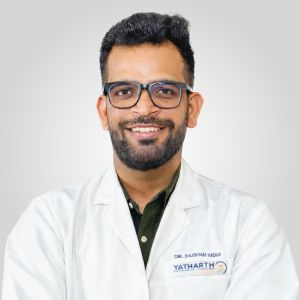
Associate Consultant - Physician & Diabetologist
MBBS, MD, DNB (Internal Medicine)
Internal Medicine
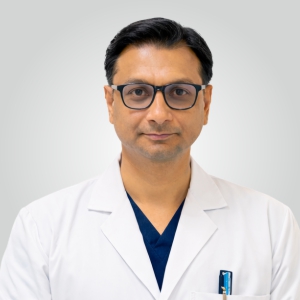
Senior Consultant - Anaesthesia
MBBS, Diploma (Anaesthesia)
Anaesthesia
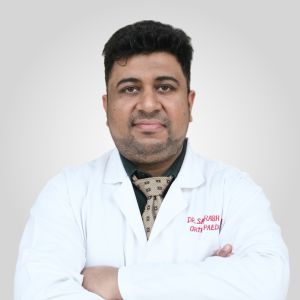
Consultant - Orthopaedics & Joint Replacement
MBBS, MS, FIJR (Ortho)
Orthopaedics & Spine
Knee Replacement
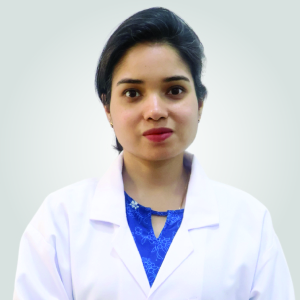
Associate Consultant - Plastic Surgery
MBBS, MS (General Surgery), MCh (Plastic Surgery), Fellowship in Aesthetic Surgery
Plastic & Reconstructive & Cosmetic Surgery
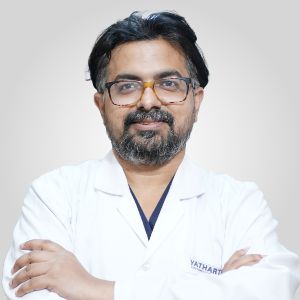
Consultant - Orthopaedics & Joint Replacement
MBBS, DNB (Ortho), D-Ortho , FIJR, FIAA
Orthopaedics & Spine
Knee Replacement

Consultant – Orthopaedics
MBBS – SSR Medical College DNB (Orthopaedics) – Indian Spinal Injuries Centre MNAMS (Ortho)
Orthopaedics & Spine
Knee Replacement
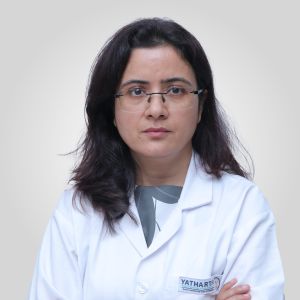
Director & HOD - Pathology
MBBS, MD (Pathology)
Pathology & Laboratory Medicine
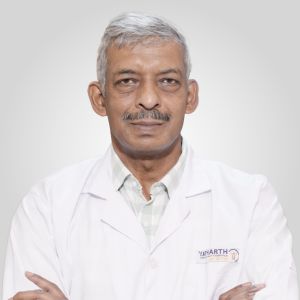
Senior Consultant & Regional Director
DM (Clinical Haematology), MD (Internal Medicine)
Haemato-Medical Oncology
Cancer and Bone Marrow Transplant
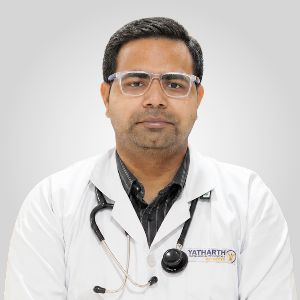
Associate Consultant – Radiology
MBBS, DNB
Radiology

Director & HOD - Obstetrics & Gynaecology Advanced Gynae Laparoscopic & Robotic Surgeon
MBBS, MD (Obstetrics & Gynaecology)
Gynaecology & Obstetrics
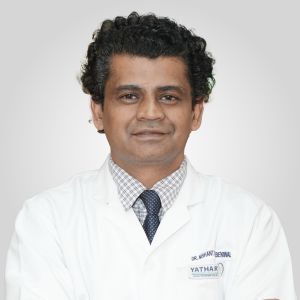
Director - Physician and Diabetologist
MBBS, MD (InternalMedicine)
Internal Medicine
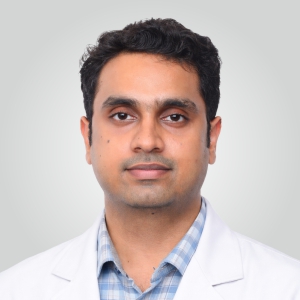
Consultant - Anesthesiology
MBBS, MD, EDIC, DrNB
Anaesthesia
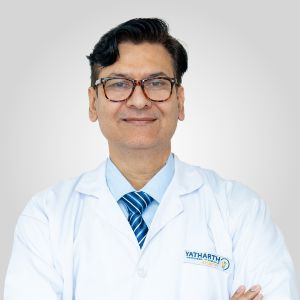
Principal Director & HOD - Urology, Andrology, Uro-oncology & Renal Transplant
MBBS, MS, MRCS (UK), MCh (Urology), FRLS (Japan), FICS (USA)
Urology
Renal Sciences & Kidney Transplant

Consultant - Dental Sciences
BDS (Dental)
Dental Sciences
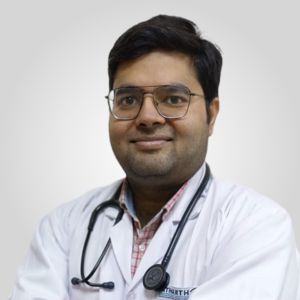
Consultant - Cardiology
MBBS, MD, DM (Cardiology)
Cardiology
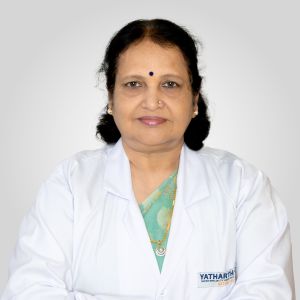
Visiting Consultant - Gynaecology & Obstetrics
MBBS, MS (Gynaecology & Obstetrics)
Gynaecology & Obstetrics
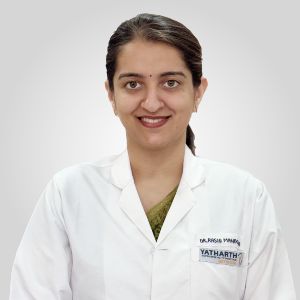
Consultant - Psychiatry
MBBS, MD (Psychiatry)
Psychology & Psychiatry
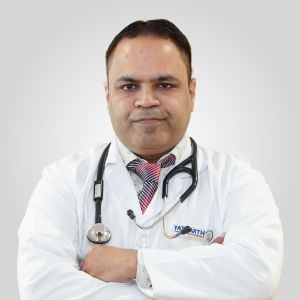
Consultant - Pulmonology & Sleep Medicine
MBBS, DTCD, DNB (Chest & Tuberculosis)
Pulmonology
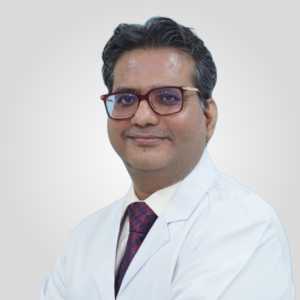
Principal Consultant - Orthopaedic & Joint Surgeon
MBBS, MS, MCh
Orthopaedics & Spine
Knee Replacement
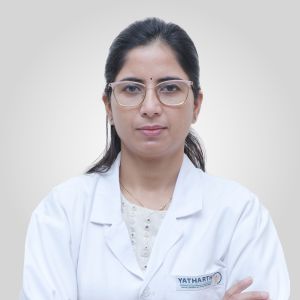
Consultant - Dental Sciences
BDS (Dental)
Dental Sciences
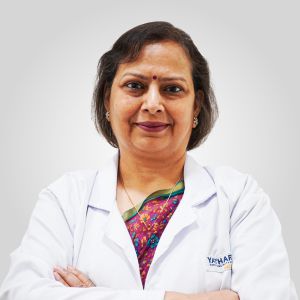
Senior Consultant - Obstetrics & Gynaecology
MBBS, MS (Obs & Gynae)
Gynaecology & Obstetrics
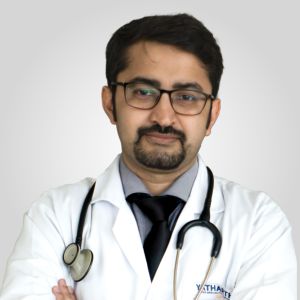
HOD & Consultant - Critical Care
MBBS, MD (Anaesthesia & Critical Care Medicine)
Critical Care
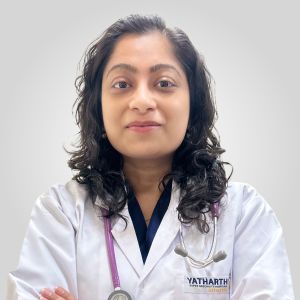
Consultant Critical Care Medicine
MBBS, MD, IDCCM, DrNB
Critical Care

Consultant - Obstetrics & Gynaecology
MBBS, MS
Gynaecology & Obstetrics
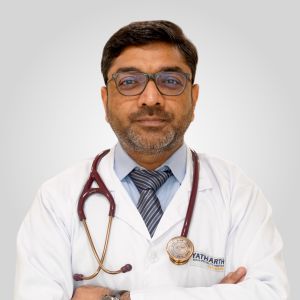
Director - Internal Medicine
MBBS, MD (Internal Medicine)
Internal Medicine
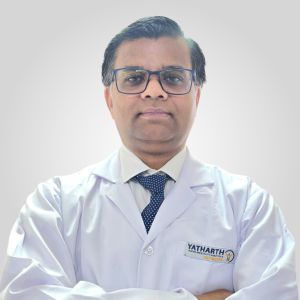
Consultant - Interventional Cardiology
MBBS, MD, DM (Cardiology) FESC, FACC, FSCAI
Cardiology
Cardiac Sciences
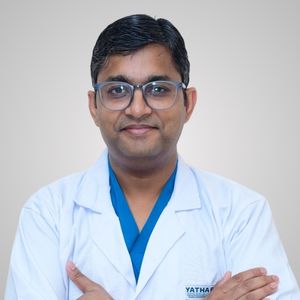
Consultant - Pediatric Cardiology
MBBS, MD (Pediatrics), DrNB (Pediatric Cardiology)
Cardiology
Cardiac Sciences
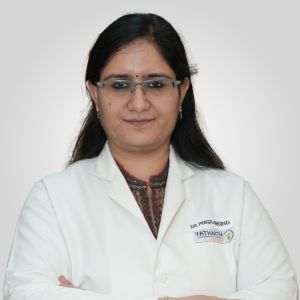
Consultant - Neurology
MBBS, MD, DM
Neurosciences
Neurology
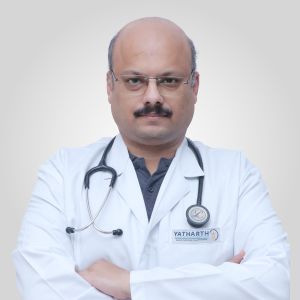
Senior Consultant - Neurology
MBBS, MD (Medicine), DNB (Neurology)
Neurosciences
Neurology
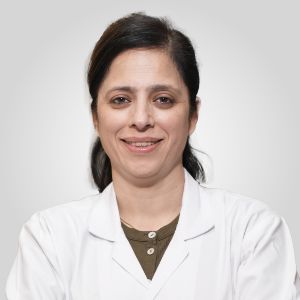
Consultant & Incharge - Child Development Centre
MBBS, DCH, PGDDN
Paediatrics
Child Development Centre

Consultant - Gynaecology
MBBS, DGO, MD
Gynaecology & Obstetrics
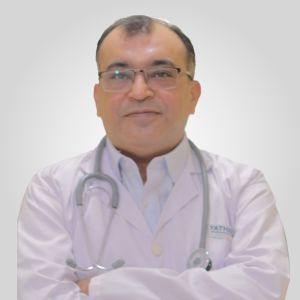
Director - Internal Medicine
MBBS, MD
Internal Medicine
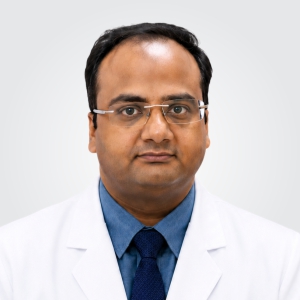
Associate Consultant - Pulmonology
MBBS, MD, PDCC
Pulmonology
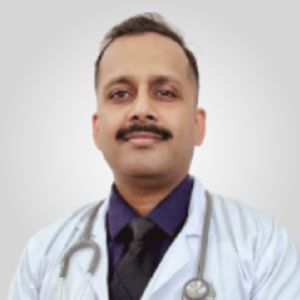
Senior Consultant - Dermatology
MBBS, MD (Dermatology)
Dermatology
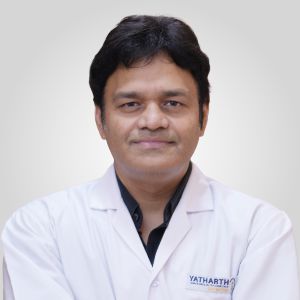
Group Director - Liver Transplant, HPB, GI & Robotic Surgery
MBBS, MS, FAIS, FALS (HPB), FICRS, FACS
GI Surgery & Liver Transplant
Liver Transplant

Director & HOD - Paediatrics & Neonatology
MBBS, MD, MRCPCH (UK), DCH, MSc (LSE), PGD (Allergy & Asthma)
Paediatrics
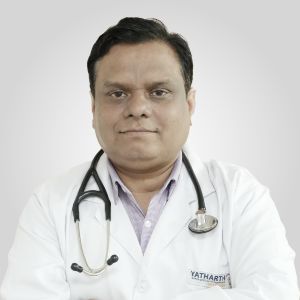
Director & HOD - Internal Medicine
MBBS, MD, DNB (Internal Medicine), MNAMS, FICCM, PGDHHM, PGDMLS, MHA, ACR, ELUR, Rheumatology
Internal Medicine
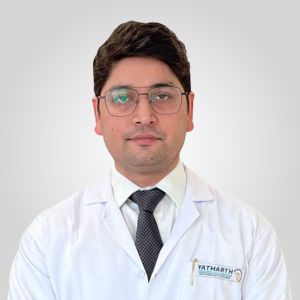
Sr. Consultant & HOD – Orthopaedics
MBBS, MS, DNB
Orthopaedics & Spine
Robotic Surgery
Knee Replacement
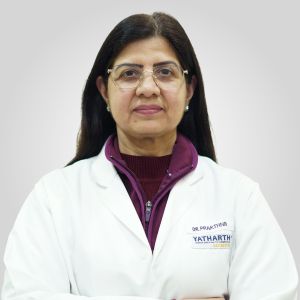
Senior Consultant - Ophthalmology
MBBS, MS (Ophthalmology) , DNB (Ophthalmology)
Ophthalmology
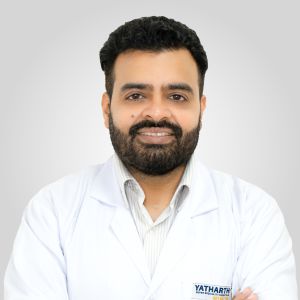
Senior Consultant – Respiratory Medicine & Interventional Pulmonologist
MBBS, DTCD, DNB (Respiratory Medicine)
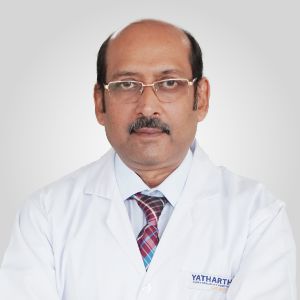
Senior Director & HOD - Internal Medicine
MBBS, MD, FCCP, FCCM (USA), MRCP (UK), FICP
Internal Medicine
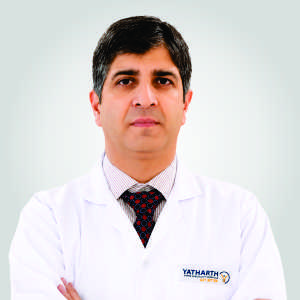
Senior Consultant - Urology, Robotic Surgery, Uro-oncology & Kidney Transplant
MBBS, MS (General Surgery), DNB (Genitourinary Surgery)
Renal Sciences
Urology
Renal Sciences & Kidney Transplant
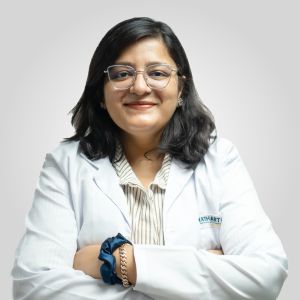
Consultant - ENT
MBBS, MS (ENT)
ENT & Cochlear Implant

Senior Consultant - Dermatology
MBBS, MRCP (UK), MD
Dermatology
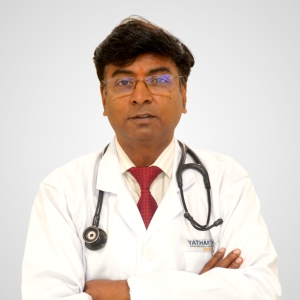
Consultant - Cardiology
MBBS, MD (Physician), Post Graduate Diploma (Clinical Cardiology)
Cardiology
Cardiac Sciences
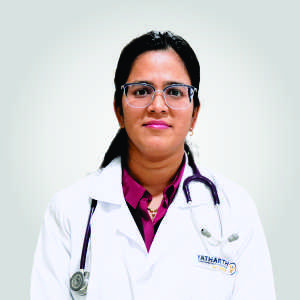
Consultant Neurology
MBBS, MD, DrNB
Neurology
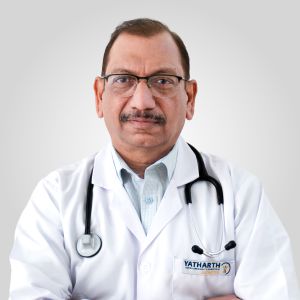
Senior Director – Internal Medicine
MBBS, MD (Medicine), DNB (General Medicine)
Internal Medicine
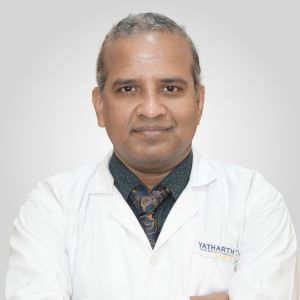
Director - Orthopaedics & Joint Replacement
MBBS, MS (Orthopaedics), DNB (Orthopaedics)
Orthopaedics & Spine
Knee Replacement

Senior Consultant - Ophthalmology
MBBS, MS, DNB, FLVPEI, FICO, FAICO
Ophthalmology
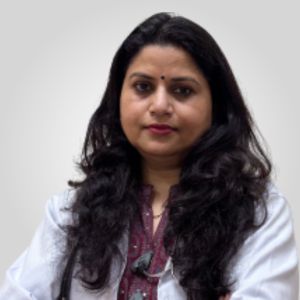
Senior Consultant - Obstetrics & Gynaecology
MBBS, MS, PGDAS, FMAS
Gynaecology & Obstetrics
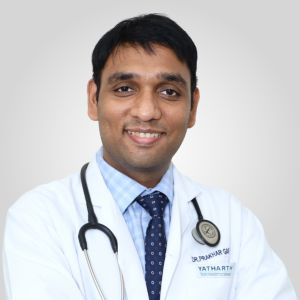
Associate Director - Internal Medicine
MBBS, MD (Internal Medicine)
Internal Medicine

Visiting Consultant – Ophthalmology (Orbit, Oculoplasty & Cataract Services)
MS (Ophthalmology), FAEH (Orbit & Oculoplasty)
Ophthalmology
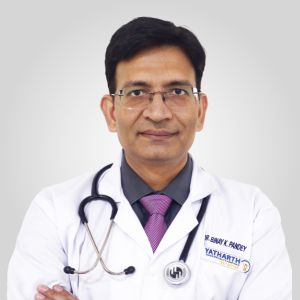
Director - Interventional Cardiology & Electrophysiology
MD, DM, MBBS
Cardiology
Cardiac Sciences
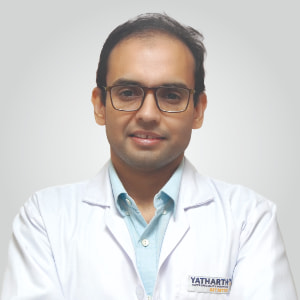
Consultant – Pulmonary Medicine
MBBS, MD (Tuberculosis & Respiratory Diseases / Pulmonary Medicine)
Pulmonology
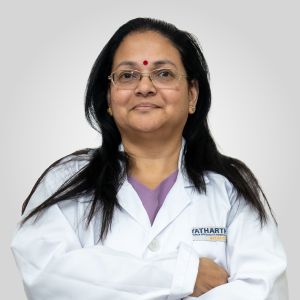
Senior Consultant-Critical Care & Anesthesia
MBBS, DA, PGDHA, FICCM
Anaesthesia
Critical Care
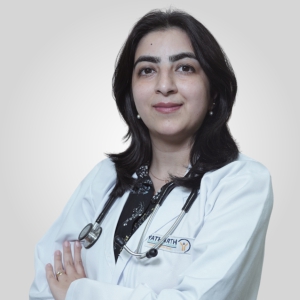
Consultant - Non Invasive Cardiology
MBBS, PGDCC, Dip (Diabetology)
Cardiology

Senior Consultant - Orthopaedics & Robotic Joint Replacement
MBBS, D. Ortho, DNB, MNAMS
Orthopaedics & Spine
Robotic Surgery
Knee Replacement
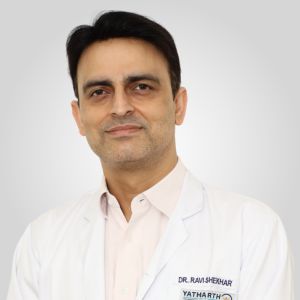
Sr. Consultant & HOD - Radiology
MBBS, MD (Radio Diagnosis)
Radiology
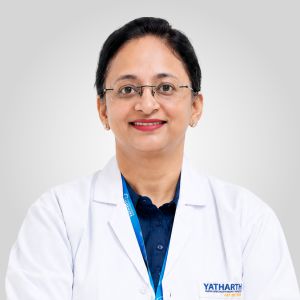
Consultant - Plastic Surgery
MBBS, DNB (General Surgery), DrNB (Plastic Surgery)
Plastic & Reconstructive & Cosmetic Surgery
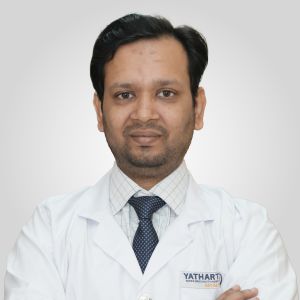
Consultant - Plastic & Reconstructive Surgery
MBBS, MS (General Surgery), MCh
Plastic & Reconstructive & Cosmetic Surgery

Senior Consultant - Pediatrics
MBBS, DCH, MD (Paediatrics)
Paediatrics

Senior Consultant – Pathology
MBBS, MD (Pathology), DIP RCPath (Histopathology & Cytopathology)
Pathology & Laboratory Medicine
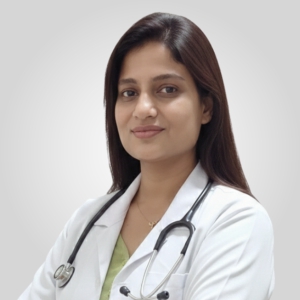
Consultant - Gastroenterologist
DM (Gastroenterology)
Gastroenterology
-sarvinder-singh1947945.jpg)
HOD - Pulmonology
MD (Med), MD (Resp. Med)
Pulmonology
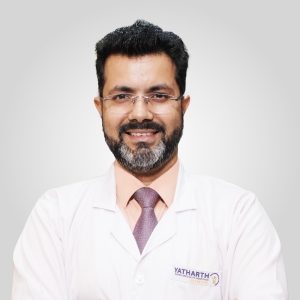
Director - Gastroenterology, Hepatology & Interventional Endoscopy
MBBS, MD, DM (ILBS, Delhi), AASLD Awardee (USA), MNAMS, FAMS
Gastroenterology
Hepatology

Senior Consultant - Gastroenterology & Hepatology
MBBS, MD (Internal Medicine), DM (Hepatology), Fellowship in Transplant Hepatology
Gastroenterology
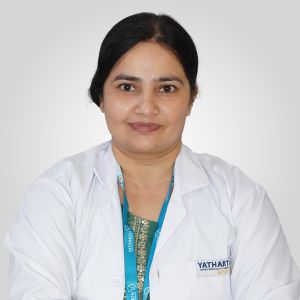
Consultant - Audiologist
Audiologist, Speech Language Therapist
Audiology and Speech Therapy
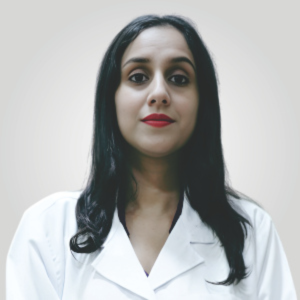
Consultant - Oral Implantologist, Cosmetologist
BDS, Oral Implantologist
Dental Sciences
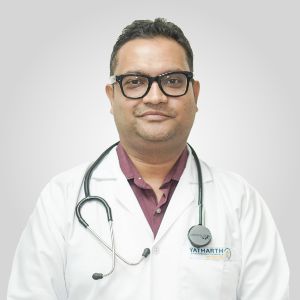
Consultant - Cardio Thoracic & Vascular Surgery
MBBS, MS, MCh (CTVS)
Cardiac Sciences
Cardiac Surgery
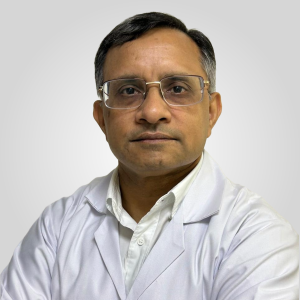
Senior Consultant & HOD - Neurosurgery
MBBS, MS, MCH
Neurosciences
Neurosurgery
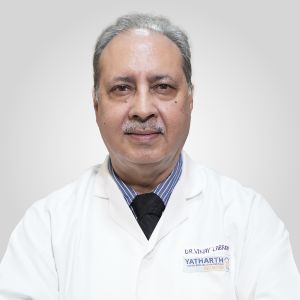
Director - Internal Medicine
MBBS, MD (General Medicine)
Internal Medicine
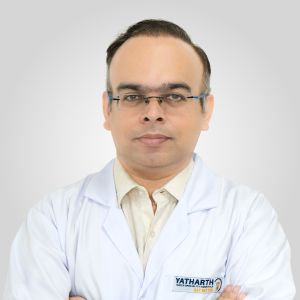
Additional Director & HOD - Gastroenterology & Hepatology
MBBS, MD, DM
Gastroenterology
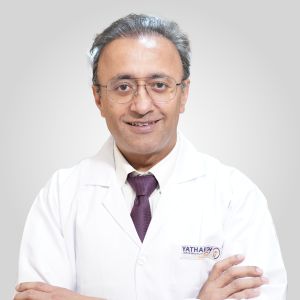
Chairman & HOD – Pediatrics & Neonatology
MBBS, MD (Pediatrics), IAP Fellowship in Neonatology
Paediatrics
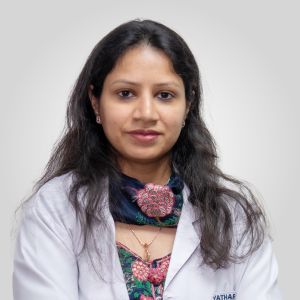
Consultant - Neonatal Paediatrics
MBBS, MD (Paedaitrics)
Paediatrics
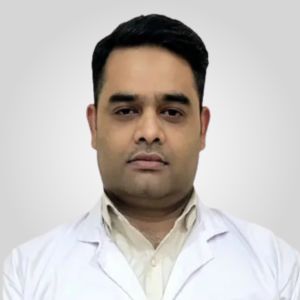
Senior Physiotherapist
BPT, MPT (Orthopedic), PHD
Physiotherapy & Rehabilitation
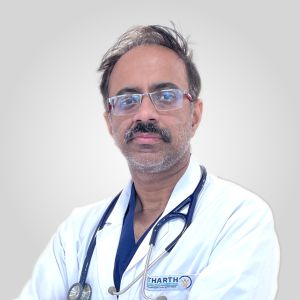
Director- Critical Care & Academics
IDCCM, MD, MBBS
Critical Care
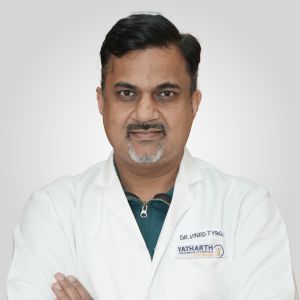
HOD & Senior - Consultant - Dentistry
MDS
Dental Sciences

Principal Consultant - Minimal Access GI & Bariatric Surgery
MBBS, DNB, FIAGES, FALS-Bariatric Surgery, FNB- Minimal Access Surgery
General & Laparoscopic Surgery
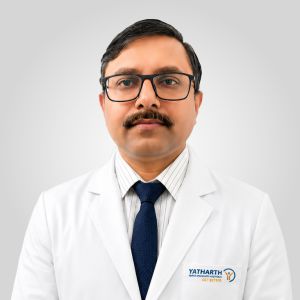
Senior Consultant - GI Surgery
MBBS, MS, MCh (Surgical Gastroenterology), FMAS, FALS, FACRSI
GI Surgery & Liver Transplant
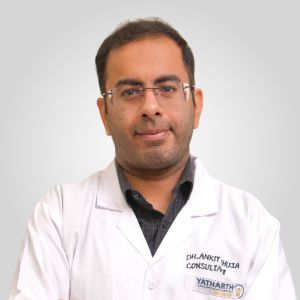
Consultant - GI, Laparoscopic & Bariatric Surgery
MBBS, MS (General Surgery), FNB - Minimal Access Surgery
General & Laparoscopic Surgery
HOD - Physiotherapy
MPT (Neurology), BPT
Physiotherapy & Rehabilitation
Director & HOD - Liver Transplant Anesthesia & Critical Care
MBBS, DA, DNB (Anaesthesiology), MNAMS
Critical Care
GI Surgery & Liver Transplant

Additional Director - Cardiology
MBBS, MD (Medicine), DM (Cardiology)
Cardiology
Cardiac Sciences
Consultant - Surgical Oncology
MBBS, MS (General Surgery), FELS
Cancer and Bone Marrow Transplant
Surgical Oncology
Consultant - Gastroenterology
MBBS, MD (Internal Medicine), DrNB (Gastroenterology), EUS Fellowship
Gastroenterology
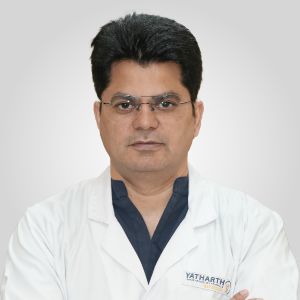
Consultant - Plastic & Reconstructive Surgery
MBBS, MS, MCh (Plastic & Cosmetic Surgery)
Plastic & Reconstructive & Cosmetic Surgery
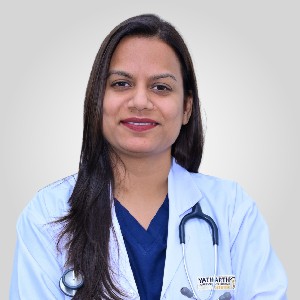
Trauma Surgeon
MBBS, MS, M.Ch (Trauma Surgery & Critical Care)
Emergency Medicine
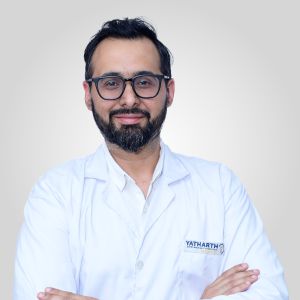
Consultant - Adult and Pediatric Cardiac Surgery
MBBS, MS, MCH (CTVS)
Cardiac Sciences
Cardiac Surgery
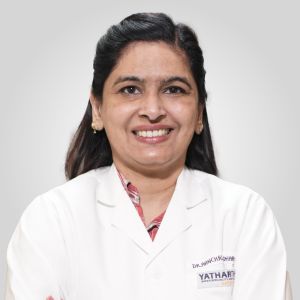
Consultant - Internal Medicine
MBBS, DNB, PGDHHM
Internal Medicine
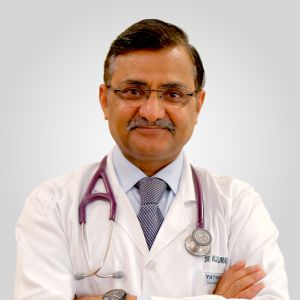
Director - Pulmonology & Sleep medicine
MBBS, MD, IDCCM, FCCP, FCCS
Pulmonology
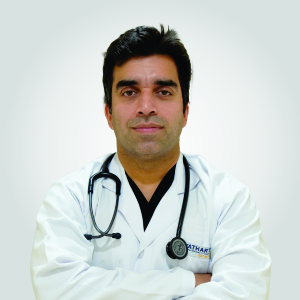
Senior Consultant GI Surgery | GI Oncosurgery | HPB Surgery | Minimal Access & Robotic Surgery
MBBS, MS (General Surgery), DrNB (Surgical Gastroenterology)
Robotic Surgery
GI Surgery & Liver Transplant
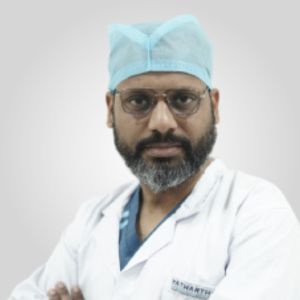
HOD - Anaesthesiology & Pain Medicine
MBBS, MD (Anaesthesia)
Anaesthesia
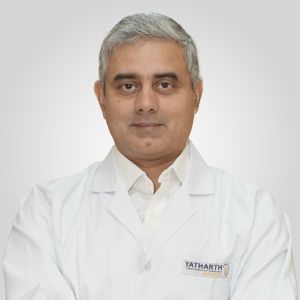
Director & HOD - Orthopaedics & Joint Replacement
MBBS, MS, MCH, FRCS
Orthopaedics & Spine
Robotic Surgery
Knee Replacement
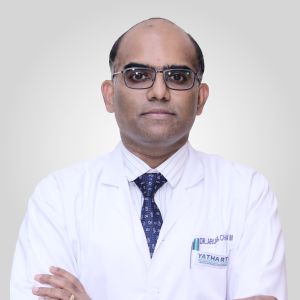
Senior Consultant and HOD - Pulmonology
MBBS, DTCD, DNB, DM, EDARM, MRCP SCE Pulmonology
Pulmonology
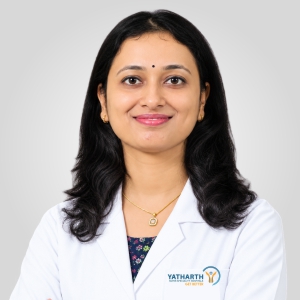
Senior Consultant - Internal Medicine
MBBS, MD - General Medicine
Internal Medicine
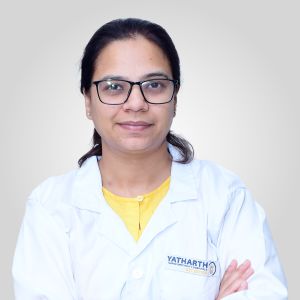
Consultant - Pediatric Cardiology
MBBS, MD (Pediatrics), DrNB (Pediatric Cardiology)
Cardiology
Cardiac Sciences

HOD - Physiotherapy & Rehabilitation
BPT, MPT
Physiotherapy & Rehabilitation

Consultant - ENT
MBBS, MS (ENT)
ENT & Cochlear Implant

Consultant - Gastroenterology & Hepatology
MBBS, MD, DNB, DM, MRCPESEGH (London)
Gastroenterology
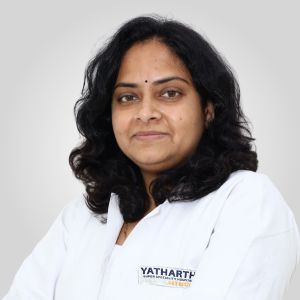
Senior Consultant - Psychiatry
MBBS, DPM, DNB
Psychology & Psychiatry
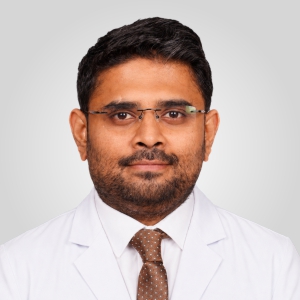
Senior Consultant - General Surgery
MS, FNB, FALS (Bariatric Surgery), FCRS (Hongkong)
General & Laparoscopic Surgery
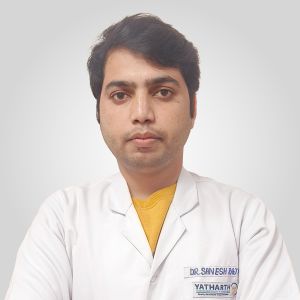
Senior - Physiotherapist
BPT, MPT (Sports)
Physiotherapy & Rehabilitation
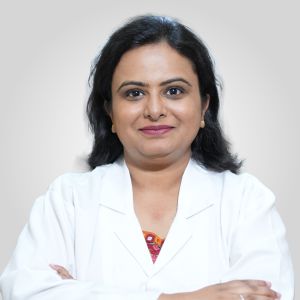
Paediatric Clinical Psychologist
M.Phil (Clinical Psychology)
Psychology & Psychiatry
Paediatrics
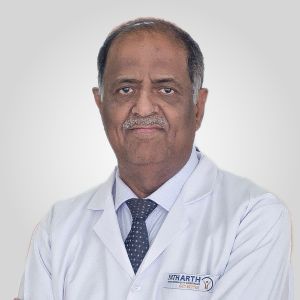
Director – General Surgery
MBBS, MS (General Surgery)
General & Laparoscopic Surgery
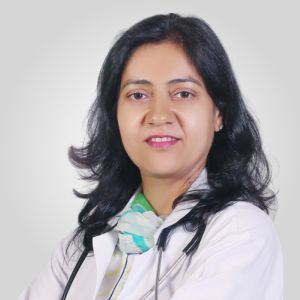
Director - Internal Medicine
MBBS, MD (Medicine)
Internal Medicine
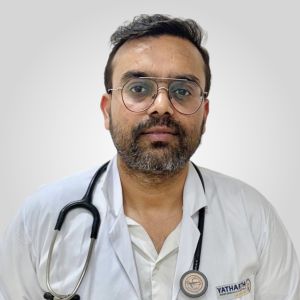
Consultant - Medical Oncology
MBBS, MD, DrNB, ESMO Certified
Cancer and Bone Marrow Transplant
Medical Oncology
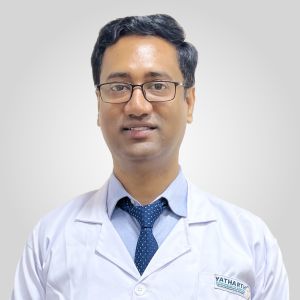
Consultant - Paediatric Haemato-Oncology & BMT
MBBS, MD (Pediatrics) Fellowship PHO & BMT
Haemato-Medical Oncology
Cancer and Bone Marrow Transplant

Consultant - Obstetrics and Gynecology
MBBS, DGO, DNB
Gynaecology & Obstetrics
Robotic Surgery

HOD & Senior Consultant - Medical Oncology
MBBS, MD (Internal Medicine), DM (Medical Oncology)
Cancer and Bone Marrow Transplant
Medical Oncology
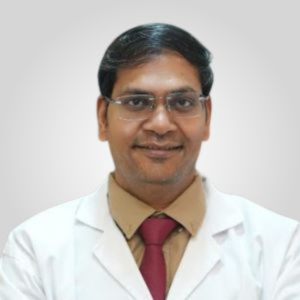
Consultant – Nephrology & Kidney Transplant
MBBS, MD (Internal Medicine), DrNB (Nephrology)
Nephrology
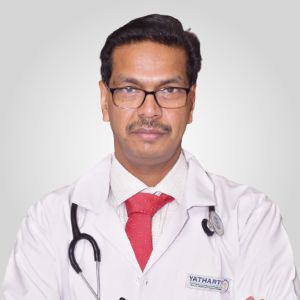
HOD - Cardiology
MBBS, MD, DM (Cardiology)
Cardiology
Cardiac Sciences
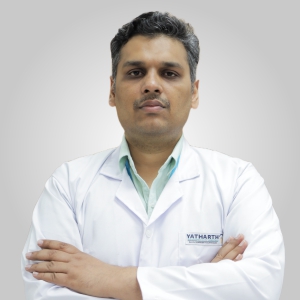
Sr. Consultant - Neurosurgery
MBBS, DNB (Neurosurgery)
Neurosciences
Neurosurgery
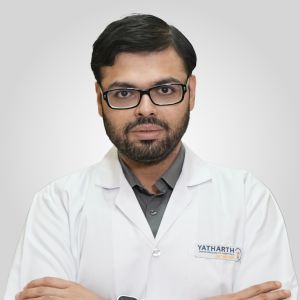
Consultant - Endocrinology, Diabetes & Metabolic Disorder
MBBS, MD, DM, SCE (UK), MRCP (UK)
Endocrinology
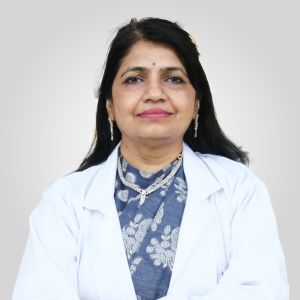
HOD & Senior Consultant – Laboratory
MBBS, DNB, DCP
Pathology & Laboratory Medicine
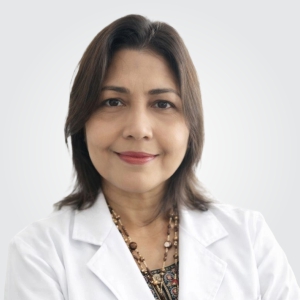
Senior Consultant - Pathology & Blood Bank
MBBS, MD (Pathology)
Pathology & Laboratory Medicine

Group Director - Gastroenterology
MBBS, MD (General Medicine), DM (Gastroenterology)
Gastroenterology
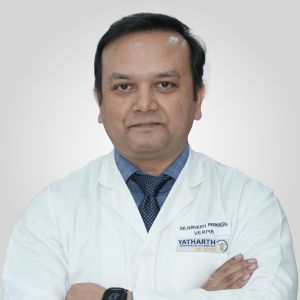
Senior Consultant & HOD- Emergency
MBBS, FMS, PGDGM, PGDMCH, AFIH, Diploma in Emergency Medicine
Emergency Medicine
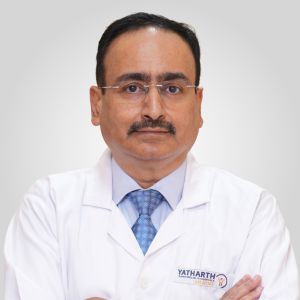
Director - Minimal Access, Bariatric, Robotic & General Surgery
MBBS, MS (General Surgery)
General & Laparoscopic Surgery
Robotic Surgery
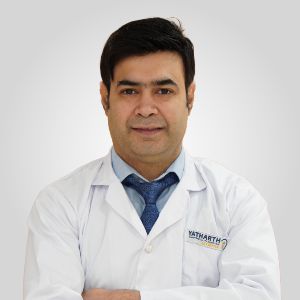
Senior Consultant - Orthopaedics & Joint Replacement
MBBS, DNB (Orthopedics)
Orthopaedics & Spine
Knee Replacement
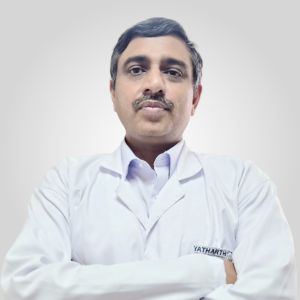
Director & HOD - Nephrology
MBBS, MD (Medicine), DM (Nephrology)
Nephrology
Renal Sciences & Kidney Transplant
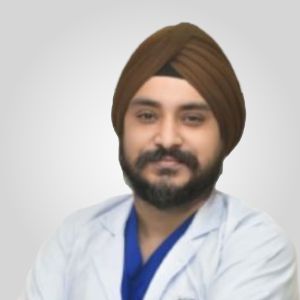
Consultant - Neurosurgery
MBBS, MS, MCh (Neurosurgery)
Neurosciences
Neurosurgery

Consultant - Psychiatry
MBBS, MD
Psychology & Psychiatry
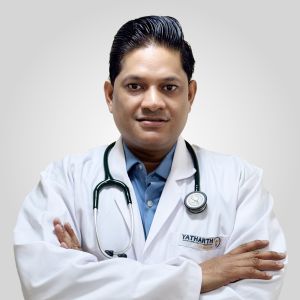
Senior Consultant - Internal Medicine
MBBS, DNB (General Medicine)
Internal Medicine

Consultant - Paediatric Surgery
MBBS, DNB (Paediatric Surgery)
Paediatrics
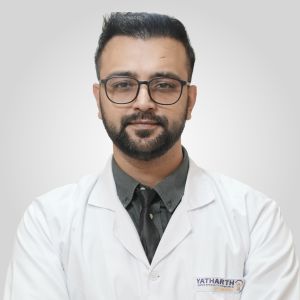
Consultant & Head - TM, Apheresis & Transplant Services
MBBS, MD (Transfusion Medicine)
Transfusion Medicine and Cellular Therapy
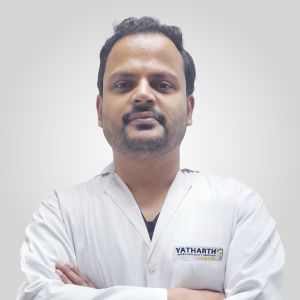
Consultant - General Surgeon
MBBS, MS (Gen. Surgery)
General & Laparoscopic Surgery
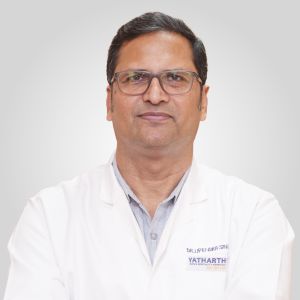
Senior Consultant & HOD - Nephrology
MBBS, MD (Internal Medicine), DNB (Nephrology), FIMSA
Nephrology
Renal Sciences & Kidney Transplant
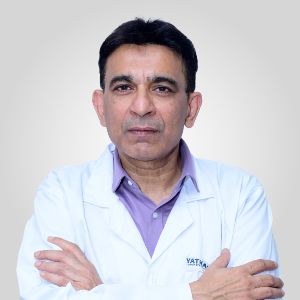
Chairman - Pediatric Cardiac Sciences
MBBS, MD (Pediatrics), FNB (Pediatric Cardiology)
Cardiology
Cardiac Sciences
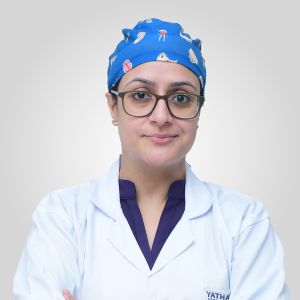
Associate Consultant - Plastic, Reconstructive & Cosmetic Surgery
MBBS, MS (General Surgery), MCh (Plastic Surgery)
Plastic & Reconstructive & Cosmetic Surgery
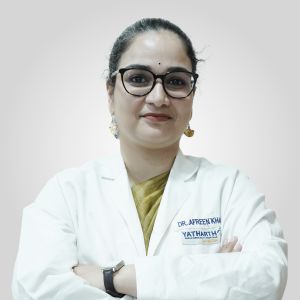
Senior Consultant - Obstetrics & Gynaecology
MBBS, DGO, DNB (Obs & Gynae), MRCOG (Obs & Gynae)
Gynaecology & Obstetrics
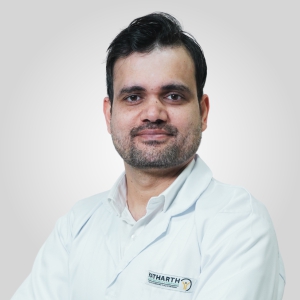
Consultant - Orthopedics & Spine
MBBS, MS, DNB, Fellowship in Hip & Knee Arthroplasty (OCM, Munich, Germany)
Orthopaedics & Spine
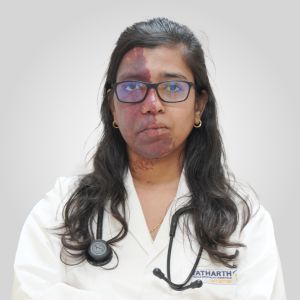
Consultant - Pulmonology
MBBS, DNB (Respiratory Medicine)
Pulmonology
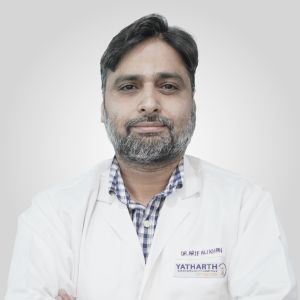
Senior Director - Liver Transplant, HPB, GI & Robotic Surgery
MBBS, MS, MCh
GI Surgery & Liver Transplant
Liver Transplant
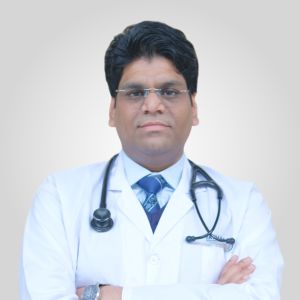
Consultant – Nephrology & Kidney Transplant
MBBS, DNB, DM
Renal Sciences
Nephrology
Renal Sciences & Kidney Transplant
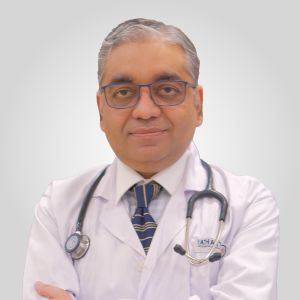
Chairman - Nephrology & Kidney Transplant
MBBS, MD, DNB (Nephrology)
Renal Sciences
Nephrology
Renal Sciences & Kidney Transplant
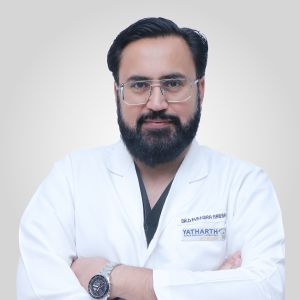
Senior Consultant - Renal Sciences & Robotic Surgery (Urology)
MBBS, MS, DNB (Urology)
Robotic Surgery
Urology
Renal Sciences & Kidney Transplant
Attending Consultant-Urology
MBBS, DNB (General Surgery), DNB (Urology)
Robotic Surgery
Urology
Renal Sciences & Kidney Transplant
Noida Extension
Senior Consultant - Pediatrics
MBBS, DCH, MD (Paediatrics)
Paediatrics
Noida Extension
Consultant - Anaesthesia
MBBS, DA, DNB
Anaesthesia
Noida
Consultant - Anaesthesia
MBBS, Diploma in Anaesthesiology, DNB (Anaesthesiology)
Anaesthesia
New Delhi (Model Town)
Chief Dietician
M.Sc. (F&N), CCCN, CFN, CBN
Nutrition & Health
Faridabad (Sector 20)
Senior Consultant - Cardiology
MBBS, PGDCC (Cardiology)
Cardiology
Cardiac Sciences
Noida
Consultant - Pulmonology
MBBS, MD (Respiratory & Critical Care Medicine)
Pulmonology
Agra
Consultant - Neurosurgery
MBBS, MS, MCh (Neurosurgery)
Neurosciences
Neurosurgery
Jhansi Orchha
Senior Consultant - Dental
MDS (ENDODONTIST)
Dental Sciences
Noida | Noida Extension
Consultant - Neurology
MBBS, MD, DM
Neurosciences
Neurology
Noida Extension
HOD & Senior Consultant - Anesthesia
MBBS, MD (Anesthesia)
Anaesthesia
New Delhi (Model Town)
Consultant - Oral & Maxillofacial Surgery
BDS, MDS (OMFS)
Dental Sciences
Greater Noida
Managing Director - Yatharth Group of Hospitals
MBBS, MS, MCh
Orthopaedics & Spine
Noida | Greater Noida
Senior Consultant - Critical Care
MBBS, MD (Medicine)
Critical Care
Greater Noida
Senior Consultant - Sports Injuries & Arthroscopy Specialist
MBBS, DNB (Orthopaedics)
Orthopaedics & Spine
Knee Replacement
New Delhi (Model Town)
Principal Consultant - Minimal Access GI & Bariatric Surgery
MBBS, DNB, FIAGES, FALS-Bariatric Surgery, FNB- Minimal Access Surgery
General & Laparoscopic Surgery
Noida
Consultant - Pulmonology
MBBS, MD, DM (Pulmonary Medicine)
Pulmonology
Greater Noida
Director - Minimal Access, Bariatric, Robotic & General Surgery
MBBS, MS (General Surgery)
General & Laparoscopic Surgery
Robotic Surgery
Noida Extension
Consultant - Pediatrics
MBBS, MD (Pediatrics)
Paediatrics
Faridabad (Sector 20)
Consultant - Endocrinology, Diabetes & Metabolic Disorder
MBBS, MD, DM, SCE (UK), MRCP (UK)
Endocrinology
Noida | Noida Extension
HOD & Consultant - Critical Care
MBBS, MD (Anaesthesia & Critical Care Medicine)
Critical Care
New Delhi (Model Town)
Trauma Surgeon
MBBS, MS, M.Ch (Trauma Surgery & Critical Care)
Emergency Medicine
Greater Noida
Consultant & HOD - Nuclear Medicine
MBBS, DRM (Nuclear Medicine)
Nuclear Medicine
Noida Extension
Senior Consultant - Internal Medicine
MBBS, MD, FACC
Internal Medicine
Greater Noida
Senior Consultant - Gastroenterology & Hepatology
MBBS, MD (Internal Medicine), DM (Hepatology), Fellowship in Transplant Hepatology
Gastroenterology
Noida
Consultant - Dermatologist, Hair Transplant Surgeon & Vaginal Aesthetist
MBBS, MD (Dermatology)
Dermatology
Faridabad (Sector 20)
Associate Consultant - Ophthalmology
MBBS, MS, FPRS, FMR
Ophthalmology
Greater Noida
Director & HOD - Neurosurgery
MS, MCH (Neuro & Spine Surgery)
Sr. Consultant - Surgical Oncology
MBBS, MS (General Surgery), MCh, DNB (Surgical Oncology)
Cancer and Bone Marrow Transplant
Surgical Oncology
Noida Extension
Consultant - Cardiology
MBBS, MD (Physician), Post Graduate Diploma (Clinical Cardiology)
Cardiology
Cardiac Sciences
Faridabad (Sector 88)
Consultant - Interventional Cardiology Cardiovascular Sciences
MBBS, MD (Medicine), DM (Cardiology), DNB (Medicine) FACC, CCK
Cardiology
Cardiac Sciences
Faridabad (Sector 20)
Senior Consultant & HOD - Robotic, General & Laparoscopic Surgery
MBBS, MS (Surgery)
General & Laparoscopic Surgery
Robotic Surgery
Greater Noida
Consultant & HOD – Paediatric Nephrology
MBBS, DCH, Fellowship Paediatric Nephrology (FIPNA, FISPN) & PhD Scholar
Nephrology
Paediatrics
Renal Sciences & Kidney Transplant
New Delhi (Model Town)
Director & HOD of Neurosurgery, Group Director of Neurointervention
MBBS, DNB (Neurosurgery), FINR (France)
Neurosciences
Neurosurgery
Interventional Spine
Neurointervention
Noida | Greater Noida
Chairman & Head - Urology, Robotic Surgery, Uro-oncology & Kidney Transplant
MBBS, MS (Surgery), DNB (Urology)
Robotic Surgery
Urology
Renal Sciences & Kidney Transplant
Faridabad (Sector 88) | Faridabad (Sector 20)
Consultant - Dermatology
MBBS, MD, DNB (Dermatology, Venereology & Leprosy), MRCP, MNAMS
Dermatology
Noida Extension
Senior Consultant - Orthopaedics
MBBS, MS (General Surgery), MS (Ortho), PGDM
Orthopaedics & Spine
Greater Noida
Senior Consultant - Orthopaedics & Robotic Joint Replacement
MBBS, D. Ortho, DNB, MNAMS
Orthopaedics & Spine
Robotic Surgery
Knee Replacement
Greater Noida
HOD & Senior Consultant – Pediatrics
MBBS, MD (Pediatrics)
Paediatrics
New Delhi (Model Town)
Consultant Neurology
MBBS, MD, DrNB
Neurology
Faridabad (Sector 20)
Director - Internal Medicine
MBBS, MD (General Medicine)
Internal Medicine
Noida Extension
Senior Consultant – Neurosurgery
MBBS, DrNB (Neurosurgery)
Neurosciences
Neurosurgery
Agra
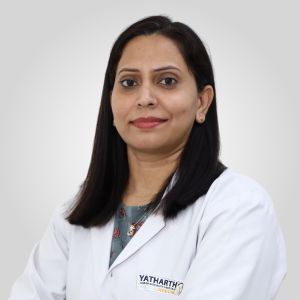
Consultant - Dermatology
MBBS, MD
Dermatology
Noida
Senior Consultant - Dermatology
MBBS, MRCP (UK), MD
Dermatology
Greater Noida
Paediatric Clinical Psychologist
M.Phil (Clinical Psychology)
Psychology & Psychiatry
Paediatrics
Noida Extension
Consultant - Audiologist
Audiologist, Speech Language Therapist
Audiology and Speech Therapy
Noida | Noida Extension | New Delhi (Model Town)
Senior Consultant & Robotic Surgeon - Urology
MBBS, MS, DNB (Urology)
Robotic Surgery
Urology
Renal Sciences & Kidney Transplant
Noida | Greater Noida
Consultant - Clinical Immunology and Rheumatology
MBBS, MD, DM
Rheumatology and Orthopaedics
Rheumatology
Noida Extension
Director & HOD - Pathology
MBBS, MD (Pathology)
Pathology & Laboratory Medicine
Greater Noida
Senior Physiotherapist
BPT, MPT (Orthopedic), PHD
Physiotherapy & Rehabilitation
Greater Noida
Associate Consultant - Obstetrics & Gynaecology
MBBS (Gold Medalist), DNB (Obs & Gynae)
Gynaecology & Obstetrics
Greater Noida
Senior Consultant - Internal Medicine
MBBS, DFID, M. Med, PGDMH, DNHE, PGHHM
Internal Medicine
Greater Noida
Consultant - Plastic Surgery
MBBS, DNB (General Surgery), DrNB (Plastic Surgery)
Plastic & Reconstructive & Cosmetic Surgery
Faridabad (Sector 88) | Faridabad (Sector 20)
Director - Interventional Cardiology & Electrophysiology
MD, DM, MBBS
Cardiology
Cardiac Sciences
Faridabad (Sector 88) | Faridabad (Sector 20)
Senior Consultant – Pathology
MBBS, MD (Pathology), DIP RCPath (Histopathology & Cytopathology)
Pathology & Laboratory Medicine
Noida Extension
Consultant - General Surgeon
MBBS, MS (Gen. Surgery)
General & Laparoscopic Surgery
Agra
Consultant & HOD - Clinical Microbiology, Serology & Immunology
MBBS, DNB
Pathology & Laboratory Medicine
Noida
Director & HOD - Orthopaedics & Joint Replacement
MBBS, MS, MCH, FRCS
Orthopaedics & Spine
Robotic Surgery
Knee Replacement
Noida Extension | Greater Noida
Senior Consultant - Obstetrics & Gynaecology
MBBS, MS, PGDAS, FMAS
Gynaecology & Obstetrics
Greater Noida
Consultant - HIV Medicine
MBBS, Diploma in Family Medicine, Fellowship in HIV Medicine
Internal Medicine
Greater Noida
HOD & Senior Consultant – Laboratory
MBBS, DNB, DCP
Pathology & Laboratory Medicine
Faridabad (Sector 88)
Consultant - ENT
MBBS, MS (ENT)
ENT & Cochlear Implant
Noida Extension
Consultant - Pathology
MBBS & DCP (Pathology)
Pathology & Laboratory Medicine
Noida Extension
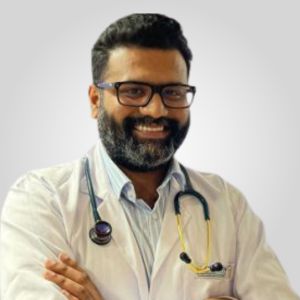
Consultant - Paediatrics
MBBS, MD
Paediatrics
Noida
Senior Consultant - Complex Trauma & Spine
MBBS, D.ORTHO, FIMS, AO TRAUMA
Orthopaedics & Spine
Noida Extension
Director - Orthopaedics & Joint Replacement
MBBS, MS (Orthopaedics), DNB (Orthopedics)
Orthopaedics & Spine
Robotic Surgery
Knee Replacement
Faridabad (Sector 88) | Faridabad (Sector 20)
HOD & Consultant – Dental Sciences
BDS, Fellowship in Oral Implantology (FAOI)
Consultant - Plastic & Reconstructive Surgery
MBBS, MS, MCh (Plastic & Cosmetic Surgery)
Plastic & Reconstructive & Cosmetic Surgery
Noida Extension
Consultant - Orthopaedics & Joint Replacement
MBBS, DNB (Ortho), D-Ortho , FIJR, FIAA
Orthopaedics & Spine
Knee Replacement
Noida Extension
Associate Director - Obstetrics & Gynaecology
FICOG, DNB, DGO, MBBS
Gynaecology & Obstetrics
Faridabad (Sector 20)
Senior Consultant - Ophthalmology
MBBS, MS, DNB, FLVPEI, FICO, FAICO
Ophthalmology
Greater Noida
Director - Obstetrics & Gynecology, Robotic, Laparoscopic Surgeon
MBBS, MS, FMAS, DMAS, FICMCH, FICRS
Gynaecology & Obstetrics
Agra
Consultant - Paediatrics & Paediatric Critical Care (PICU)
MBBS, DNB (Pediatrics), Fellowship in Pediatric Critical Care (IDPCCM)
Paediatrics
Greater Noida
Senior Consultant – Internal Medicine & Diabetologist
MBBS, DMRD, MD (Medicine), FIACM, FCCP, FICP, Diploma in Diabetology
Internal Medicine
New Delhi (Model Town)
Director - Critical Care & Pulmonology
MBBS, MD, EDIC, EDARM, FCCP (USA)
Pulmonology
Critical Care
Noida Extension
Senior Consultant and HOD - Pulmonology
MBBS, DTCD, DNB, DM, EDARM, MRCP SCE Pulmonology
Pulmonology
Noida | Greater Noida
HOD - Physiotherapy and Rehabilitation
BPT, MPT ( Neuro)
Physiotherapy & Rehabilitation
Noida Extension
Senior Consultant - Internal Medicine
MBBS, DNB (General Medicine)
Internal Medicine
Noida Extension
Senior Consultant & Robotic Surgeon and HOD - IVF & Fertility
MBBS, MD (AIIMS)
Gynaecology & Obstetrics
IVF
Robotic Surgery
Greater Noida
Senior Consultant - Surgical Oncology
MBBS, MS (General Surgery), MCh (Surgical Oncology)
Cancer and Bone Marrow Transplant
Surgical Oncology
Greater Noida
Senior Consultant - Cardiothoracic & Vascular Surgery
MBBS, MS (General Surgery), MCh (CTVS)
Cardiac Sciences
Cardiac Surgery
Faridabad (Sector 20)
Senior Consultant – Radiology
MBBS, MD (PHYSIOLOGY), MD (RADIO-DIAGNOSIS), FMF (UK) CERTIFIED
Radiology
New Delhi (Model Town)
Senior Consultant & HOD - Emergency
MBBS, FICCM
Emergency Medicine
Faridabad (Sector 20)
Consultant - Gynaecology
MBBS, DGO, MD
Gynaecology & Obstetrics
Noida Extension
Consultant - Cardiology
MBBS, MD, DM (Cardiology)
Cardiology
Noida
Senior Consultant & HOD - Cardiology
MD, DNB, DM (Cardiology)
Cardiology
Cardiac Sciences
Noida Extension
Consultant - Interventional Cardiology
MBBS, MD, DM (Cardiology) FESC, FACC, FSCAI
Cardiology
Cardiac Sciences
Agra
Senior Director & Head - Department of Robotic & Laparoscopic GI Surgery, GI Oncology and Liver Transplant
MBBS, MS, DNB (GI Surgery )
GI Surgery & Liver Transplant
Greater Noida
Consultant - Orthopedic
DNB (Orthopedics), MNAMS, Diploma in Ortho, FIAS (Fellowship in Sports injury, Singapore)
Orthopaedics & Spine
Knee Replacement
Agra
Consultant & Head - TM, Apheresis & Transplant Services
MBBS, MD (Transfusion Medicine)
Transfusion Medicine and Cellular Therapy
Noida Extension
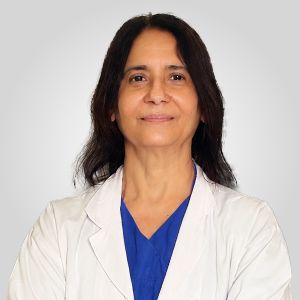
Director - Anaesthesia
Anaesthesia
Noida Extension
Senior Consultant – Radiology
MBBS, MD (Radiodiagnosis)
Radiology
New Delhi (Model Town)
Consultant - Ophthalmology
MBBS, MS, FMR
Ophthalmology
Greater Noida
Director- Critical Care & Academics
IDCCM, MD, MBBS
Critical Care
Faridabad (Sector 88)
Senior Consultant & HOD - Pain & Palliative Care
MBBS, DA, DNB, MNAMS (Anaesthesia), FIPM (Pain Management), Palliative Care (Capstone Course, Stanford)
Anaesthesia
Noida
Director- Obstetrics & Gynaecology
MBBS, MS, FICOG, CIMP
Gynaecology & Obstetrics
Noida
Director and HOD - Anaesthesia
MBBS, MD, EDAIC, PGDMLE
Anaesthesia
Faridabad (Sector 20)
Group Director - Gastroenterology
MBBS, MD (General Medicine), DM (Gastroenterology)
Gastroenterology
Greater Noida | Faridabad (Sector 20)
HOD - Dietetics
M.Sc Food and Nutrition (Gold Medalist, University of Delhi)
Nutrition & Health
Noida Extension
Senior Consultant - Dermatology
MBBS, MD (Dermatology)
Dermatology
Greater Noida
Consultant - Maxilo-Facial Surgeon
BDS, MDS
Dental Sciences
Jhansi Orchha
Group Chairman - Orthopaedics & Joint Replacement
MBBS, MS (Ortho)
Orthopaedics & Spine
Robotic Surgery
Knee Replacement
New Delhi (Model Town)
Group Director- Surgical Disciplines & Group Medical Advisor
MBBS, MS, FAIGES, FALS
General & Laparoscopic Surgery
Robotic Surgery
Faridabad (Sector 88) | New Delhi (Model Town) | Faridabad (Sector 20)
HOD & Senior - Consultant - Dentistry
MDS
Dental Sciences
Noida | Noida Extension
Senior Consultant – Respiratory Medicine & Interventional Pulmonologist
MBBS, DTCD, DNB (Respiratory Medicine)
Director & HOD - Obstetrics & Gynaecology Advanced Gynae Laparoscopic & Robotic Surgeon
MBBS, MD (Obstetrics & Gynaecology)
Gynaecology & Obstetrics
Noida Extension
Consultant - Pulmonology
MBBS, DNB (Respiratory Medicine)
Pulmonology
New Delhi (Model Town)
Senior Consultant - Nephrology
MBBS, DNB (General Medicine), DM (Nephrology)
Nephrology
Renal Sciences & Kidney Transplant
Noida
Associate Consultant – Radiology
MBBS, DNB
Radiology
Faridabad (Sector 20)
Senior Director - Liver Transplant, HPB, GI & Robotic Surgery
MBBS, MS, MCh
GI Surgery & Liver Transplant
Liver Transplant
Noida Extension
Senior Consultant & HOD - Non-Invasive Cardiology
MBBS, CTCCM Fellowship in Non-Invasive Cardiology
Cardiology
Greater Noida
Consultant-Medical & Haemato Oncology
DNB, MD (Medicine), DM, (Med. Onco.), MRCP (UK), MRCP SCE (Med.Onco), ECMO
Haemato-Medical Oncology
Cancer and Bone Marrow Transplant
Medical Oncology
Agra
Senior Consultant - Psychologist
MA (Clinical Psychology), PGDGC, CIG
Psychology & Psychiatry
New Delhi (Model Town)
Principal Consultant - Paediatrics & HOD - PICU
MBBS, DCH, MRCPCH (UK), IDPCCM
Paediatrics
Faridabad (Sector 20)
Consultant & Head Unit 1- Nephrology and Kidney Transplant
MBBS, DNB (General Medicine), DrNB (Nephrology)
Nephrology
Renal Sciences & Kidney Transplant
Greater Noida
Consultant - Psychiatry
MBBS, MD
Psychology & Psychiatry
Noida | Greater Noida
HOD – Physiotherapy & Rehabilitation
BPT, MPT (Ortho), CMMT, CCT, MMTFI
Physiotherapy & Rehabilitation
Faridabad (Sector 88)
Senior Consultant - Ophthalmology
MBBS, DNB, Fellowship in Oculoplasty
Ophthalmology
Greater Noida
HOD – Pathology & Lab Medicine
MBBS, MD (Pathology), DNB (Pathology)
Pathology & Laboratory Medicine
New Delhi (Model Town)
Associate Consultant – Anesthesia
MBBS, DNB (Anaesthesiology)
Anaesthesia
New Delhi (Model Town)
HOD - Cardiology
MBBS, MD, DM (Cardiology)
Cardiology
Cardiac Sciences
Noida | Noida Extension | Greater Noida
Attending Consultant - General Surgery & Minimal Access (Laparoscopic) Surgery
MBBS, MS, MMAS (Mastery in Minimal Access Surgery)
General & Laparoscopic Surgery
Noida Extension
Consultant - Orthopaedics Trauma, Spine & Joint Replacement
MBBS, MS (Ortho)
Orthopaedics & Spine
Knee Replacement
Agra
Director - Pulmonology & Sleep medicine
MBBS, MD, IDCCM, FCCP, FCCS
Pulmonology
Faridabad (Sector 88)
HOD - Critical Care
MBBS, MD (Anaesthesia)
Critical Care
Greater Noida
Consultant - Oral Implantologist, Cosmetologist
BDS, Oral Implantologist
Dental Sciences
Greater Noida
Consultant - Orthopaedics & Joint Replacement
MBBS, MS
Orthopaedics & Spine
Knee Replacement
Noida Extension
Senior Consultant & HOD- Emergency
MBBS, FMS, PGDGM, PGDMCH, AFIH, Diploma in Emergency Medicine
Emergency Medicine
Noida Extension
Consultant - Ophthalmology
MBBS, DNB, FICO
Ophthalmology
Greater Noida
Clinical Psychologist
M. Phil (Clinical Psychology)
Psychology & Psychiatry
Noida
Senior Consultant & HOD - Neurology
MBBS, MD, DrNB
Neurosciences
Neurology
New Delhi (Model Town)
Director - Critical Care
MBBS, DNB (Medicine), IDCCM, EDIC
Critical Care
Faridabad (Sector 20)
Senior Consultant – Critical Care Medicine
MBBS, MD, DM
Critical Care
Noida Extension
Consultant - Obstetrics & Gynaecology
MBBS, MS
Gynaecology & Obstetrics
Noida Extension
Sr. Consultant & HOD - Orthopaedics
MBBS, MS (Orthopaedics)
Orthopaedics & Spine
Knee Replacement
Noida
Director & Unit Head - Obstetrics & Gynaecology
MBBS, MS (Obs & Gynae), DNB, CIMP, FICOG
Gynaecology & Obstetrics
Faridabad (Sector 20)
Associate Consultant - Plastic, Reconstructive & Cosmetic Surgery
MBBS, MS (General Surgery), MCh (Plastic Surgery)
Plastic & Reconstructive & Cosmetic Surgery
Greater Noida
Senior Consultant - Internal Medicine, Facility Director
MBBS, MD (Physician), AFIHC (MAMC)
Internal Medicine
Greater Noida
Sr. Consultant - Endocrinology
MBBS, MD(Medicine), DM(Endocrinology)
Endocrinology
Noida
Consultant - Pulmonology & Sleep Medicine
MBBS, DTCD, DNB (Chest & Tuberculosis)
Pulmonology
Faridabad (Sector 20)
Consultant - Obstetrics & Gynaecology
MBBS, MD
Gynaecology & Obstetrics
Noida
Senior Consultant - Radiation Oncology
MBBS, DNB (Radiation Oncology)
Cancer and Bone Marrow Transplant
Radiation Oncology
Noida Extension
Chairman & HOD – Pediatrics & Neonatology
MBBS, MD (Pediatrics), IAP Fellowship in Neonatology
Paediatrics
Noida Extension
Senior Consultant - Obstetrics & Gynaecology
MBBS, DGO, DNB
Gynaecology & Obstetrics
New Delhi (Model Town)
Associate Consultant - Internal Medicine
MBBS, DNB
Internal Medicine
Noida
HOD - Physiotherapy & Rehabilitation
BPT, MPT
Physiotherapy & Rehabilitation
Faridabad (Sector 20)
Consultant - Orthopaedics, Arthroscopy & Joint Replacement Surgery
MBBS, DNB (Ortho), Fellowship in Sports Medicine & Arthroscopy (ISAKOS)
Orthopaedics & Spine
Knee Replacement
Jhansi Orchha
Senior Consultant - Minimal Access, Bariatric, Robotic & General Surgery
MBBS, MS (General Surgery)
General & Laparoscopic Surgery
Robotic Surgery
Noida Extension
Consultant - Neonatal Paediatrics
MBBS, MD (Paedaitrics)
Paediatrics
Agra
Senior Consultant - Laparoscopy & General Surgeon
MS Surgery
General & Laparoscopic Surgery
Noida
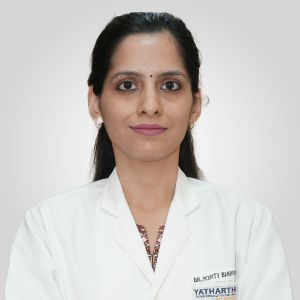
Consultant - Dental
BDS
Dental Sciences
Noida Extension
HOD - Clinical Nutrition and Diabetes
MBBS, FICP, DIP, MBA
Nutrition & Health
Greater Noida
Consultant - Cardio Thoracic & Vascular Surgery
MBBS, MS, MCh (CTVS)
Cardiac Sciences
Cardiac Surgery
Agra
Senior Consultant - Neurosurgery & Neurospine
MBBS, MS (General Surgery), MCh (Neurosurgery)
Neurosciences
Neurosurgery
New Delhi (Model Town)
Chairman - Obstetrics & Gynaecology
MD, FICOG, FICS, PGDMLS
Gynaecology & Obstetrics
Faridabad (Sector 88) | Faridabad (Sector 20)
Consultant - Endocrinology
MBBS, MD (Internal Medicine), DM (Endocrinology)
Endocrinology
Greater Noida
Senior Consultant & HOD - Neurocritical Care and Neuroanesthesia
MBBS, MD (Anaesthesiology), Fellow Neurocritical Care (AIIMS)
Neurosciences
Neuroanesthesia
Greater Noida
Principal Consultant - Orthopaedic & Joint Surgeon
MBBS, MS, MCh
Orthopaedics & Spine
Knee Replacement
Noida
Senior Consultant - Pathology & Blood Bank
MBBS, MD (Pathology)
Pathology & Laboratory Medicine
Noida
Additional Director - Cardiology
MBBS, MD (Medicine), DM (Cardiology)
Cardiology
Cardiac Sciences
Greater Noida
HOD - Dietetics
M.Sc. (Food & Nutrition), B.Sc. (Food & Nutrition)
Nutrition & Health
New Delhi (Model Town)
Consultant - Adult & Paediatric Cardio Thoracic and Vascular Surgery
MD, DNB
Cardiology
Cardiac Sciences
Noida | Greater Noida
Consultant - Medical Oncology
MBBS, MD, DrNB, ESMO Certified
Cancer and Bone Marrow Transplant
Medical Oncology
Noida
Consultant - Rheumatology
MBBS, MD (General Medicine), DM (Clinical Immunology & Rheumatology)
Orthopaedics & Spine
Rheumatology
Greater Noida
Senior Consultant-Critical Care & Anesthesia
MBBS, DA, PGDHA, FICCM
Anaesthesia
Critical Care
Agra
Senior Consultant - Aesthetics & Reconstructive Surgery
MBBS, MS (General Surgery), MCh (Burns & Plastic Surgery)
Plastic & Reconstructive & Cosmetic Surgery
New Delhi (Model Town)
Consultant - Dermatology
MBBS, MD (AIIMS New Delhi), DNB, MRCP UK (SCE)
Dermatology
Noida Extension
Consultant – Nephrology & Kidney Transplant
MBBS, DNB, DM
Renal Sciences
Nephrology
Renal Sciences & Kidney Transplant
Faridabad (Sector 88) | Faridabad (Sector 20)
Additional Director & HOD - Gastroenterology & Hepatology
MBBS, MD, DM
Gastroenterology
New Delhi (Model Town)
Attending Consultant - Internal Medicine
MBBS, PhD (Medical Sciences – Japan)
Internal Medicine
New Delhi (Model Town)
Director & HOD - Nephrology
MBBS, MD (Medicine), DM (Nephrology)
Nephrology
Renal Sciences & Kidney Transplant
Agra
Director & HOD - Neurology & Endovascular Intervention
MBBS, MD, DM, FINR
Neurosciences
Neurology
Noida Extension
Consultant - Orthopaedics & Joint Replacement
MBBS, DNB (Orthopedics), Fellowship in Arthroscopy & Arthroplasty
Orthopaedics & Spine
Knee Replacement
Noida
Director & HOD - ENT
MBBS, DNB (ENT)
ENT & Cochlear Implant
New Delhi (Model Town)
Visiting Consultant – Ophthalmology (Orbit, Oculoplasty & Cataract Services)
MS (Ophthalmology), FAEH (Orbit & Oculoplasty)
Ophthalmology
New Delhi (Model Town)
Senior Consultant - Anaesthesia
MBBS, Diploma (Anaesthesia)
Anaesthesia
Noida
Consultant - ENT
MBBS, MS (ENT)
ENT & Cochlear Implant
Agra
Consultant – Pulmonary Medicine
MBBS, MD (Tuberculosis & Respiratory Diseases / Pulmonary Medicine)
Pulmonology
New Delhi (Model Town)
Consultant - Psychiatry
MD, FIPS
Psychology & Psychiatry
Noida Extension
Consultant - Cardio Thoracic & Vascular Surgery
MBBS, MS (General Surgery), MCh (CTVS)
Cardiac Sciences
Cardiac Surgery
Agra
Director - Internal Medicine
MBBS, MD (Medicine)
Internal Medicine
Noida
Director - Internal Medicine
MBBS, MD (Internal Medicine)
Internal Medicine
Faridabad (Sector 88)
Consultant - Anesthesiology
MBBS , MD
Anaesthesia
Noida
Consultant - Orthopedics & Spine
MBBS, MS, DNB, Fellowship in Hip & Knee Arthroplasty (OCM, Munich, Germany)
Orthopaedics & Spine
Greater Noida
Consultant- Gastroenterology & Hepatology
MBBS, MD, DrNB
Gastroenterology
Hepatology
Faridabad (Sector 88)
Senior Consultant – Neurosurgery
MBBS, MS (General Surgery) MCh & DrNB (Neurosurgery), FPNS, AFAMS, MNAMS, FAIS, AIIMS & NIMHANS
Neurosciences
Neurosurgery
Agra
Senior Consultant - Internal Medicine
MBBS, DNB (General Medicine)
Internal Medicine
Greater Noida
Consultant - Gastroenterology & Hepatology
MBBS, MD, DNB, DM, MRCPESEGH (London)
Gastroenterology
Noida
Senior Consultant - Ophthalmology
MBBS, MS (Ophthalmology) , DNB (Ophthalmology)
Ophthalmology
Noida | Noida Extension
Senior Consultant - IVF
MBBS, DNB (OBG), FRM
Gynaecology & Obstetrics
IVF
Greater Noida
Senior Consultant & HOD - Emergency Medicine
MBBS, DEM, MEM
Emergency Medicine
Greater Noida
Senior Consultant - Psychiatry
MBBS, DPM, DNB
Psychology & Psychiatry
Noida
Senior Consultant – Orthopaedics
MBBS, DNB, MCh
Orthopaedics & Spine
Robotic Surgery
Knee Replacement
New Delhi (Model Town)
Director - Pathology
MBBS, MD (Pathology)
Pathology & Laboratory Medicine
Noida
Senior Director & HOD - Internal Medicine
MBBS, MD, FCCP, FCCM (USA), MRCP (UK), FICP
Internal Medicine
New Delhi (Model Town)
Director & HOD – Obstetrics & Gynaecology
MBBS, MD (Obstetrics & Gynaecology), FICOG, FICMCH, FIMSA
Gynaecology & Obstetrics
New Delhi (Model Town)
Senior Consultant - Obstetrics & Gynaecology
MBBS, DGO, DNB (Obs & Gynae), MRCOG (Obs & Gynae)
Gynaecology & Obstetrics
Greater Noida
Consultant - Interventional Radiology
MBBS, MD (Radiodiagnosis), FVIR(AIIMS Delhi)
Radiology
Noida | Noida Extension | Greater Noida
Visiting Consultant - Plastic & Reconstructive Surgery
MBBS, MS (General Surgery), MCh (Plastic Surgery)
Plastic & Reconstructive & Cosmetic Surgery
New Delhi (Model Town)
Senior Consultant - General & Laparoscopic Surgeon
MBBS, MS (General Surgery)
HOD & Sr. Consultant
MBBS, MS
ENT & Cochlear Implant
Noida Extension
Consultant - Obstetrics & Gynaecology
MBBS, DNB
Gynaecology & Obstetrics
New Delhi (Model Town)
Director- Neurosurgery
MBBS, MS, MCh (Neurosurgery)
Neurosciences
Neurosurgery
Faridabad (Sector 88) | Faridabad (Sector 20)
Consultant Critical Care Medicine
MBBS, MD, IDCCM, DrNB
Critical Care
Noida Extension
Senior Consultant - Pediatrics & Neonatology
MBBS, MD (Paediatrics)
Paediatrics
Noida
Senior Consultant & HOD - Infertility and IVF
MBBS, MD, ISAR ASPIRE Fellowship, DRM (Kiel, Germany)
IVF
Noida Extension
Consultant - Dental
BDS, MDS (Implantologist)
Dental Sciences
Faridabad (Sector 20)
Senior Consultant - Renal Sciences & Robotic Surgery (Urology)
MBBS, MS, DNB (Urology)
Robotic Surgery
Urology
Renal Sciences & Kidney Transplant
Noida | Greater Noida
Senior Consultant - ENT
MBBS, MS (ENT)
ENT & Cochlear Implant
Greater Noida
Senior Director & HOD Paediatrics & Neonatology
MBBS, MD (Paediatrics), DNB (Neonatology)
Paediatrics
Faridabad (Sector 88)
Consultant - Dermatologist
MBBS, MD (Dermatology)
Dermatology
Faridabad (Sector 88)
Consultant - Pain and Palliative Medicine
MBBS, MD (Anesthesiology), PDCC, CCEPC (Palliative Medicine), FCPM (Palliative Medicine)
Anaesthesia
Greater Noida
Consultant - Nephrology
MBBS, MD (Internal Medicine)
Renal Sciences
Nephrology
Renal Sciences & Kidney Transplant
Faridabad (Sector 88)
Senior Consultant - Paediatrics & Neonatology
MBBS, MD (Paediatric), Fellow NNF (Neonatology)
Paediatrics
Greater Noida
Senior Consultant – Anesthesia
MBBS, DNB (Anaesthesiology), MNAMS
Anaesthesia
New Delhi (Model Town)
HOD - Pulmonology
MD (Med), MD (Resp. Med)
Pulmonology
Greater Noida
Consultant - Surgical Oncology
MBBS, MS (General Surgery), FELS
Cancer and Bone Marrow Transplant
Surgical Oncology
New Delhi (Model Town)
Vice Chairman – Medical Oncology & Haematology
MBBS, MD (Internal Medicine), DrNB (Medical Oncology)
Haemato-Medical Oncology
Cancer and Bone Marrow Transplant
Medical Oncology
New Delhi (Model Town)
Consultant – Urology & Kidney Transplant and Robotic Surgery
MBBS, MS, MCh, FMAS
Urology
Renal Sciences & Kidney Transplant
New Delhi (Model Town)
Senior Consultant - Internal Medicine
MBBS, MD - General Medicine
Internal Medicine
Noida
Consultant – Nephrology & Kidney Transplant
MBBS, MD (Internal Medicine), DrNB (Nephrology)
Nephrology
Noida Extension
Consultant - Non Invasive Cardiology
MBBS, PGDCC, Dip (Diabetology)
Cardiology
Greater Noida
Senior Consultant - Orthopaedics & Joint Replacement
MBBS, DNB (Orthopedics)
Orthopaedics & Spine
Knee Replacement
Faridabad (Sector 20)
Consultant - Orthopaedics & Joint Replacement
MBBS, MS, FIJR (Ortho)
Orthopaedics & Spine
Knee Replacement
Faridabad (Sector 88)
Associate Director - Orthopaedics & Joint Replacement
MBBS, DNB (Orthopaedics)
Orthopaedics & Spine
Knee Replacement
Noida Extension
Senior Consultant - GI Surgery
MBBS, MS, MCh (Surgical Gastroenterology), FMAS, FALS, FACRSI
GI Surgery & Liver Transplant
New Delhi (Model Town)
Senior Consultant - Orthopaedics & Robotic Joint Replacement
MBBS, MS
Orthopaedics & Spine
Knee Replacement
Greater Noida
Senior Director & HOD – Urology, Renal Transplant, Robotics & Uro-Oncology
MBBS, DNB (General Surgery), MCh (Urology)
Robotic Surgery
Urology
Renal Sciences & Kidney Transplant
Noida Extension
Director & HOD - Liver Transplant Anesthesia & Critical Care
MBBS, DA, DNB (Anaesthesiology), MNAMS
Critical Care
GI Surgery & Liver Transplant
Noida Extension
Senior Director - Pediatrics
MBBS, MD (Pediatrics)
Paediatrics
Faridabad (Sector 20)
Senior Consultant - Pediatrics & Neonatology
MBBS, MD (Paediatrics), MRCPCH
Paediatrics
Noida
Senior Consultant - Neurology
MBBS, MD (Medicine), DNB (Neurology)
Neurosciences
Neurology
Greater Noida
Senior Consultant & HOD - Medical Oncology
MBBS, MD, DrNB (Medical Oncology)
Cancer and Bone Marrow Transplant
Medical Oncology
Greater Noida
Director - Orthopaedics & Trauma Care
MBBS, MS (Orthopedics)
Orthopaedics & Spine
Knee Replacement
Agra
Consultant - Endocrinology & Diabetes
MBBS, MD (General Medicine), DrNB (Endocrinology)
Endocrinology
Greater Noida
Visiting Consultant - Gynaecology & Obstetrics
MBBS, MS (Gynaecology & Obstetrics)
Gynaecology & Obstetrics
New Delhi (Model Town)
Director & HOD - Internal Medicine
MBBS, MD, DNB (Internal Medicine), MNAMS, FICCM, PGDHHM, PGDMLS, MHA, ACR, ELUR, Rheumatology
Internal Medicine
Agra
Director & HOD - Obstetrics & Gynaecology, Advanced Gynae Laparoscopic & Robotic Surgeon
MBBS, DNB, FMAS, FICOG
Gynaecology & Obstetrics
Robotic Surgery
Faridabad (Sector 88)
Consultant - Pathology
MBBS, MD
Pathology & Laboratory Medicine
Greater Noida
Consultant - Rheumatology & Clinical Immunology
MBBS (Gold Medal), MD (Gold Medal), DM (Clinical Immunology & Rheumatology) SCE Rheumatology (UK), RhMSUS (USA) USSONAR Fellow (USA) IURF Fellow (UK)
Rheumatology
Noida
Chairman - Pediatric Cardiac Sciences
MBBS, MD (Pediatrics), FNB (Pediatric Cardiology)
Cardiology
Cardiac Sciences
Noida | Greater Noida | Faridabad (Sector 20)
Consultant - Paediatric Haemato-Oncology & BMT
MBBS, MD (Pediatrics) Fellowship PHO & BMT
Haemato-Medical Oncology
Cancer and Bone Marrow Transplant
Greater Noida
Principal Consultant - ENT
MBBS, MS (ENT), Gold Medalist & Topper – PGI Chandigarh
ENT & Cochlear Implant
Noida
Consultant- Paediatrics & Neonatology
MD, DrNB (Neonatology)
Paediatrics
Noida Extension
Consultant - Plastic & Reconstructive Surgery
MBBS, MS (General Surgery), MCh
Plastic & Reconstructive & Cosmetic Surgery
Noida Extension
HOD - Anaesthesiology & Pain Medicine
MBBS, MD (Anaesthesia)
Anaesthesia
Greater Noida
Senior Consultant & HOD - Nephrology
MBBS, MD (Internal Medicine), DNB (Nephrology), FIMSA
Nephrology
Renal Sciences & Kidney Transplant
Noida Extension
Consultant – Orthopaedics
MBBS – SSR Medical College DNB (Orthopaedics) – Indian Spinal Injuries Centre MNAMS (Ortho)
Orthopaedics & Spine
Knee Replacement
New Delhi (Model Town)
Visiting Consultant - Pediatric Interventional & Fetal Cardiologist
MBBS, MD (Pediatric), FNB (Pediatric Cardiology)
Cardiology
Paediatrics
New Delhi (Model Town)
Consultant - Psychiatry
MBBS, MD (Psychiatry)
Psychology & Psychiatry
Noida Extension
Vice Chairman - Surgical Oncology
MBBS, MS, MCh (Surgical Oncology)
Cancer and Bone Marrow Transplant
Surgical Oncology
New Delhi (Model Town)

Consultant - Radiology
MBBS, DMRD, DNB
Radiology
Noida
Chairman & Group Director - Neurology
MBBS, MD, DM (AIIMS), MRCP (UK), FEBN, FIHN, FRCP (Glasgow, London)
Neurosciences
Neurology
Faridabad (Sector 88) | Faridabad (Sector 20)
Senior Consultant - Obstetrics & Gynaecology
MBBS, DNB, MNAMS, FMAS
Gynaecology & Obstetrics
Noida
Director - Internal Medicine
MBBS, MD
Internal Medicine
Faridabad (Sector 20)
Chairman - Cardiovascular Sciences
MBBS, MD (Internal Medicine) DM (Cardiology)
Cardiology
Cardiac Sciences
Faridabad (Sector 20)
HOD - Neonatology
MBBS, MRCPCH (UK), FNNF
Senior Consultant - Neonatology & Pediatrics
MBBS, DCH, NNF Fellowship in Neonatology
Paediatrics
New Delhi (Model Town)
Director & HOD - Plastic, Aesthetic & Reconstructive Surgery
MBBS, MS (General Surgery), MCh (Plastic Surgery), FICS (Plastic Surgery)
Plastic & Reconstructive & Cosmetic Surgery
Greater Noida
Consultant - Adult and Pediatric Cardiac Surgery
MBBS, MS, MCH (CTVS)
Cardiac Sciences
Cardiac Surgery
Noida | Greater Noida
Consultant - Dental Sciences
BDS (Dental)
Dental Sciences
Greater Noida
Consultant - Neurosurgery
MBBS, MS (General Surgery), MCh (Neurosurgery)
Neurosciences
Neurosurgery
Noida Extension
Senior - Physiotherapist
BPT, MPT (Sports)
Physiotherapy & Rehabilitation
Noida Extension
Associate Consultant - Plastic Surgery
MBBS, MS (General Surgery), MCh (Plastic Surgery), Fellowship in Aesthetic Surgery
Plastic & Reconstructive & Cosmetic Surgery
Greater Noida
Senior Consultant & Regional Director
DM (Clinical Haematology), MD (Internal Medicine)
Haemato-Medical Oncology
Cancer and Bone Marrow Transplant
Noida | Noida Extension
Consultant - Gastroenterologist
DM (Gastroenterology)
Gastroenterology
Greater Noida
Chairman - Nephrology & Kidney Transplant
MBBS, MD, DNB (Nephrology)
Renal Sciences
Nephrology
Renal Sciences & Kidney Transplant
Faridabad (Sector 88) | Faridabad (Sector 20)
Director & HOD – Nephrology
MBBS, MD (Medicine), DM (Nephrology)
Nephrology
Renal Sciences & Kidney Transplant
New Delhi (Model Town)
HOD - Pulmonology, Intervention Pulmonology & Sleep Medicine
MBBS, MD (Pulmonary Medicine)
Pulmonology
Noida Extension
Group Director - Liver Transplant, HPB, GI & Robotic Surgery
MBBS, MS, FAIS, FALS (HPB), FICRS, FACS
GI Surgery & Liver Transplant
Liver Transplant
Noida Extension
Senior Consultant – Neurosurgery
MBBS, MS (General Surgery), MCh (Neurosurgery)
Neurosciences
Neurosurgery
Agra
Consultant - Pediatric Cardiology
MBBS, MD (Pediatrics), DrNB (Pediatric Cardiology)
Cardiology
Cardiac Sciences
Greater Noida
Sr. Consultant - Dermatology
MBBS,MD, Dermatologist
Dermatology
Noida
Sr. Consultant & HOD - Neurology
MBBS, MD (Internal Medicine), DM (Neurology)
Neurosciences
Neurology
Noida
Senior Consultant - Dermatology
MBBS, DV&D (Dermatology)
Dermatology
Greater Noida
Senior Consultant - Ophthalmology & Phaco Surgeon
MBBS, DNB (Ophthalmology)
Ophthalmology
Noida Extension
Director & Senior Consultant – Cardiovascular & Thoracic Surgery
MBBS, MS, MCh (Cardiothoracic & Vascular Surgery))
Cardiac Sciences
Cardiac Surgery
New Delhi (Model Town)
Senior Consultant & HOD - Anaesthesia
MBBS, DNB, DA
Anaesthesia
Faridabad (Sector 88)
Director & HOD - Paediatrics & Neonatology
MBBS, MD, MRCPCH (UK), DCH, MSc (LSE), PGD (Allergy & Asthma)
Paediatrics
Greater Noida
Director & HOD – Urology
MBBS, MS (General Surgery), DNB (Urology), PGDFM
Urology
Renal Sciences & Kidney Transplant
New Delhi (Model Town)
Senior Consultant GI Surgery | GI Oncosurgery | HPB Surgery | Minimal Access & Robotic Surgery
MBBS, MS (General Surgery), DrNB (Surgical Gastroenterology)
Robotic Surgery
GI Surgery & Liver Transplant
Faridabad (Sector 20)
Senior Consultant - Gastroenterology
MBBS, MD, DM
Gastroenterology
Noida
Consultant - Obstetrics and Gynecology
MBBS, DGO, DNB
Gynaecology & Obstetrics
Robotic Surgery
Noida Extension
Senior Consultant - Neurosurgery and Chief MISS & Pain Modulation
MBBS, MS, DNB (Neurosurgery) FIPP, FESS
Neurosciences
Neurosurgery
Greater Noida
Senior Consultant - General Surgery
MS, FNB, FALS (Bariatric Surgery), FCRS (Hongkong)
General & Laparoscopic Surgery
Noida
Director – General Surgery
MBBS, MS (General Surgery)
General & Laparoscopic Surgery
New Delhi (Model Town)
Director & HOD - CTVS
MBBS, MS (General Surgery ), MCh (Cardiothoracic and Vascular Surgery)
Cardiac Sciences
Cardiac Surgery
Noida | Greater Noida | Faridabad (Sector 20)
Director - Gastroenterology, Hepatology & Interventional Endoscopy
MBBS, MD, DM (ILBS, Delhi), AASLD Awardee (USA), MNAMS, FAMS
Gastroenterology
Hepatology
Noida Extension

Consultant - Radiology
MBBS, MD
Radiology
Noida Extension
Director & HOD - Critical Care Medicine
MBBS, DNB (General Medicine), MRCP (UK), EDIC, FICCM
Critical Care
Noida
Associate Consultant - Physician & Diabetologist
MBBS, MD, DNB (Internal Medicine)
Internal Medicine
Noida Extension
Consultant - Ophthalmology
MBBS, MS (Ophthalmology)
Ophthalmology
Noida
Consultant - GI, Laparoscopic & Bariatric Surgery
MBBS, MS (General Surgery), FNB - Minimal Access Surgery
General & Laparoscopic Surgery
Faridabad (Sector 88)
Consultant - Neurosurgery
MBBS, MS, MCh (Neurosurgery)
Neurosciences
Neurosurgery
Greater Noida
Director - Obstetrics & Gynaecology
MBBS, DGO, DNB, FICOG
Gynaecology & Obstetrics
Faridabad (Sector 88) | Faridabad (Sector 20)
Senior Consultant - Pediatric Surgeon
MBBS, MS, MCh (Pediatric Surgery)
Paediatrics
Noida | Greater Noida
Medical Director - Internal Medicine & Academic Head - DNB Programme
MBBS, DNB (Medicine)
Internal Medicine
Greater Noida
Senior Consultant – Endocrinology
MBBS, MD (Medicine), DrNB (Endocrinology)
Endocrinology
New Delhi (Model Town)
Consultant - Paediatric Surgery
MBBS, DNB (Paediatric Surgery)
Paediatrics
Noida Extension
Associate Consultant - Neurosurgery
MBBS, MS, Mch
Neurosciences
Neurosurgery
Faridabad (Sector 20)
Director & HOD – Emergency Medicine and Trauma Services
MBBS, DEM (UK), MRCEM (UK), Fellow (RSPH, UK)
Emergency Medicine
New Delhi (Model Town)
Senior Consultant - Obstetrics & Gynaecology
MD (Obstetrics & Gynecology), FOGSI, IMA
Gynaecology & Obstetrics
Noida Extension | Greater Noida
Director & HOD - Laboratory
MBBS, MD, FRC Path (Histopathology)
Pathology & Laboratory Medicine
Noida Extension
Associate Director - Internal Medicine
MBBS, MD (Internal Medicine)
Internal Medicine
Noida
Consultant & Incharge - Child Development Centre
MBBS, DCH, PGDDN
Paediatrics
Child Development Centre
Noida Extension
General Physician
MBBS (Internal Medicine), MPH (Masters in Public Health)
Internal Medicine
Noida Extension
Senior Consultant - Anaesthesia
MBBS, MD (Anaesthesia)
Anaesthesia
Agra
Senior Director – Internal Medicine
MBBS, MD (Medicine), DNB (General Medicine)
Internal Medicine
New Delhi (Model Town)
Director & HOD Neurology
MBBS, MD, DM, DNB
Neurosciences
Neurology
Faridabad (Sector 88)
Senior Consultant - Obstetrics & Gynaecology
MBBS, MS (Obs & Gynae)
Gynaecology & Obstetrics
Faridabad (Sector 88)
Sr. Consultant - Neurosurgery
MBBS, DNB (Neurosurgery)
Neurosciences
Neurosurgery
Noida
Associate Consultant - Medical Gastroenterology
MBBS, MD (General Medicine), DM (Medical Gastroenterology)
Gastroenterology
Greater Noida
Associate Consultant – Medical Oncology
MBBS, MD (Medicine), DM (Medical Oncology)
Cancer and Bone Marrow Transplant
Medical Oncology
Noida Extension
HOD - Physiotherapy
MPT (Neurology), BPT
Physiotherapy & Rehabilitation
New Delhi (Model Town)
Senior Consultant – Respiratory, Critical Care & Sleep Medicine and Interventional Pulmonologist
MD, DTCD, DNB (Respiratory Medicine), AFSA (France), Fellow European Respiratory Society (Switzerland)
Pulmonology
New Delhi (Model Town)
Senior Consultant – Pathology
MBBS, MD (Pathology)
Pathology & Laboratory Medicine
New Delhi (Model Town)
Associate Director - Pediatric Cardiology
MBBS,MD (Pediatrics), FNB (Pediatric Cardiology)
Cardiology
Cardiac Sciences
Greater Noida
Associate Consultant - Pulmonology
MBBS, MD, PDCC
Pulmonology
Noida
Consultant - Dental Sciences
BDS (Dental)
Dental Sciences
Greater Noida
Consultant - Neonatology & Paediatric
MBBS, MD (Paediatrics), DM (Neonatology)
Paediatrics
Greater Noida
Senior Director - Internal Medicine & Rheumatology
MBBS, MD (Medicine), MRCP Rheu. (EULAR), LUPUS (EULAR)
Internal Medicine
Rheumatology
Faridabad (Sector 88) | Faridabad (Sector 20)
Sr. Consultant - Plastic Surgery
MBBS, MS, Mch, DrNB (Plastic Surgery)
Plastic & Reconstructive & Cosmetic Surgery
Noida
Consultant - Gastroenterology
MBBS, MD (Internal Medicine), DrNB (Gastroenterology), EUS Fellowship
Gastroenterology
Faridabad (Sector 20)
Director & HOD - Neonatology
MBBS, MD (Paediatrics), DNB (Neonatology)
Paediatrics
Faridabad (Sector 20)
Consultant – Neurosurgery
MBBS, MS, MCh (Neurosurgery)
Neurosciences
Neurosurgery
Faridabad (Sector 88)
Consultant - Fetal Medicine
MBBS, MS, DNB (Obstetrics & Gynaecology), Fellowship in Fetal Medicine
Gynaecology & Obstetrics
Noida Extension
Senior Consultant & HOD - Neurosurgery
MBBS, MS, MCH
Neurosciences
Neurosurgery
Noida
Principal Director & HOD - Urology, Andrology, Uro-oncology & Renal Transplant
MBBS, MS, MRCS (UK), MCh (Urology), FRLS (Japan), FICS (USA)
Urology
Renal Sciences & Kidney Transplant
Agra
HOD & Senior Consultant - Medical Oncology
MBBS, MD (Internal Medicine), DM (Medical Oncology)
Cancer and Bone Marrow Transplant
Medical Oncology
Noida Extension
Sr. Consultant & HOD - Radiology
MBBS, MD (Radio Diagnosis)
Radiology
Noida
Vice Chairman & HOD – Pulmonology
MBBS, DCH, MD (Pulmonary Medicine), DNB (Respiratory Medicine)
Pulmonology
New Delhi (Model Town)
Consultant - Conservative Dentistry & Endodontics
BDS, MDS
Dental Sciences
Agra
Associate Director - Orthopaedics & Joint Replacement
DNB (Ortho), D. Ortho, MNAMS (Ortho)
Orthopaedics & Spine
Knee Replacement
Noida Extension
Consultant - Anesthesiology
MBBS, MD, EDIC, DrNB
Anaesthesia
Noida
Consultant - Gastroenterology
MBBS, MD (Medicine), DM, DrNB (Gastroenterology)
Gastroenterology
Agra
Consultant - Paediatric Critical Care
MBBS, MD (Paediatrics), IDPCCM & Fellowship in Paediatric Critical Care
Paediatrics
Noida Extension
Consultant - Physiotherapy
BPT ( Physiotherapist)
Physiotherapy & Rehabilitation
Agra
Consultant - Internal Medicine
MBBS, DNB, PGDHHM
Internal Medicine
Noida Extension
Senior Consultant - Urology, Robotic Surgery, Uro-oncology & Kidney Transplant
MBBS, MS (General Surgery), DNB (Genitourinary Surgery)
Renal Sciences
Urology
Renal Sciences & Kidney Transplant
Faridabad (Sector 20)
HOD - Physiotherapy
BPT, MPT, MIAP
Physiotherapy & Rehabilitation
Greater Noida
Consultant - Periodontist & Implantologist
BDS, MDS
Dental Sciences
Noida Extension
Senior Consultant - ENT
MBBS, MS (ENT)
ENT & Cochlear Implant
Faridabad (Sector 88) | Faridabad (Sector 20)
Consultant - Ophthalmology
MBBS, MS
Ophthalmology
Faridabad (Sector 88)
Consultant - Pediatric Cardiology
MBBS, MD (Pediatrics), DrNB (Pediatric Cardiology)
Cardiology
Cardiac Sciences
Noida
Visiting Consultant - Neurosurgery
MS (General Surgery), MBBS
Neurosciences
Neurosurgery
New Delhi (Model Town)
Consultant – Interventional Radiology
MBBS, MD (Radiodiagnosis), DNB (Radiodiagnosis)
Radiology
Noida Extension
Senior Consultant - Neurology
MBBS, MD, DM (Neurology)
Neurosciences
Neurology
Greater Noida
HOD - Emergency
MBBS, MD (Physician), AFIH
Emergency Medicine
Faridabad (Sector 88)
Sr. Consultant & HOD – Orthopaedics
MBBS, MS, DNB
Orthopaedics & Spine
Robotic Surgery
Knee Replacement
Faridabad (Sector 88)
Senior Consultant - Psychiatry
MBBS, DNB (Psychiatry)
Psychology & Psychiatry
Faridabad (Sector 20)
Director - Pulmonology
MBBS, MD (Pulmonology)
Pulmonology
Faridabad (Sector 20)
Vice Chairman & HOD – Cardiology
MBBS, MD (Medicine), DM (Cardiology), FACC (USA), FESC (Europe), FSCAI (USA), FCSI
Cardiology
Cardiac Sciences
New Delhi (Model Town)
Consultant - General, Laproscopic, Minimal Invasive & Robotics Surgeon
MBBS, MS (General Surgery) Fellow, Minimal Access & Bariatric Surgery, FALS, FIAGES
General & Laparoscopic Surgery
Robotic Surgery
Greater Noida
Director - Physician and Diabetologist
MBBS, MD (InternalMedicine)
Internal Medicine
Noida Extension
Director - Orthopaedics & Joint Replacement
MBBS, MS (Orthopaedics), DNB (Orthopaedics)
Orthopaedics & Spine
Knee Replacement
Noida Extension
Regional Director & HOD - ENT
MBBS, MS (Gold Medalist) - ENT
ENT & Cochlear Implant
Faridabad (Sector 88) | Faridabad (Sector 20)
Director – Paediatrics & Neonatology
MBBS, DCH, DNB (Paediatrics)
Paediatrics
Faridabad (Sector 88)
Consultant - Neurosurgeon
MBBS, MS, MCh (Neurosurgery)
Neurosciences
Neurosurgery
Noida Extension
Senior Consultant & HOD - ENT
MBBS, MS, DNB
ENT & Cochlear Implant
Noida
Neurological conditions can affect the brain, spine, and nerves, often impacting essential functions such as movement, memory, speech, and coordination. Seeking timely evaluation from experienced neurologists is important for accurate diagnosis and effective treatment of conditions such as stroke, epilepsy, migraine, Parkinson’s disease, and nerve disorders.
Yatharth Super Speciality Hospitals is home to a team of highly qualified neurologists who specialise in diagnosing and managing complex neurological conditions using advanced technology and evidence-based treatment approaches. The hospital’s neurosciences department is supported by experienced specialists who provide comprehensive care for a wide range of brain, spine, and nerve disorders.
With expertise in stroke management, epilepsy care, headache disorders, vertigo, and neurodegenerative diseases, the neurology team at Yatharth focuses on delivering personalised treatment plans and compassionate care to improve patient outcomes. The hospital also offers access to advanced diagnostics and modern treatment techniques to ensure accurate diagnosis and effective neurological care.
A neurologist is a doctor who specialises in diagnosing and treating disorders that affect the brain, spinal cord, and nerves, which together form the body’s nervous system. This system controls many essential functions such as movement, balance, memory, sensation, coordination, and sleep. When any part of the nervous system is affected, it can lead to symptoms such as headaches, weakness, numbness, seizures, or changes in memory and behaviour.
Neurologists evaluate these symptoms through detailed medical assessments, neurological examinations, and specialised diagnostic tests. Based on the findings, they recommend appropriate treatment plans to manage symptoms, slow disease progression, and improve a patient’s quality of life.
Neurological care may involve managing conditions such as stroke, epilepsy, migraines, movement disorders, nerve damage, and degenerative brain diseases. In many cases, neurologists also work closely with other specialists to provide comprehensive care for complex neurological conditions.
Although both specialists treat conditions affecting the nervous system, their roles are different.
Patients are often first evaluated by a neurologist, who determines whether medical treatment is sufficient or whether a referral to a neurosurgeon is necessary.
Certain symptoms involving the brain, nerves, or spinal cord may indicate an underlying neurological condition that requires medical evaluation. Recognising these warning signs early can help ensure timely diagnosis and appropriate treatment.
The following symptoms may suggest the need to consult a neurologist:
If you experience any of these symptoms, consulting a neurologist can help identify the underlying cause and guide appropriate treatment.
Neurological disorders can affect the brain, spinal cord, and peripheral nerves, often leading to symptoms that influence movement, sensation, memory, or coordination. Accurate diagnosis and specialised care are important for managing these conditions effectively and improving long-term health outcomes. At Yatharth Super Speciality Hospitals, neurologists diagnose and manage a wide range of neurological disorders using modern diagnostic tools and personalised treatment approaches.
Common neurological conditions treated include:
Early evaluation and appropriate management of these conditions can help reduce symptoms, improve daily functioning, and enhance overall quality of life.
Accurate diagnosis is an essential step in identifying neurological conditions and determining the most appropriate treatment plan. After evaluating symptoms and performing a neurological examination, doctors may recommend specialised diagnostic tests to assess brain activity, nerve function, and structural changes in the nervous system. At Yatharth Super Speciality Hospitals, advanced neuro-diagnostic technologies support doctors in evaluating a wide range of neurological disorders with accuracy.
Choosing the right hospital for neurological care is important because disorders affecting the brain, spinal cord, and nerves often require specialised evaluation and coordinated treatment. At Yatharth Super Speciality Hospitals, patients benefit from experienced neurologists, modern diagnostic technology, and a multidisciplinary approach that focuses on accurate diagnosis and personalised care.
The neurology department at Yatharth Super Speciality Hospitals is supported by a team of highly qualified specialists with extensive experience in diagnosing and treating complex neurological conditions. Recognising that brain and nerve health often intersects with other medical fields, the neurology team operates in close coordination with neurosurgeons, interventional radiologists, rehabilitation experts, and specialised nursing staff. This collaborative framework ensures that whether a patient requires medical management or surgical intervention, the transition of care is seamless and comprehensive.
Accuracy in diagnosis is the cornerstone of effective neurological treatment. Yatharth Super Speciality Hospitals is equipped with industry-leading diagnostic technology that allows for the detailed evaluation of the nervous system’s structural and functional integrity. The facility features high-definition 3-Tesla MRI for superior neuroimaging, along with advanced EEG (Electroencephalogram), EMG (Electromyography), and Nerve Conduction Studies (NCS). These tools enable the early detection of anomalies, facilitating informed clinical decisions and targeted treatment pathways.
From the management of chronic conditions like migraines and epilepsy to the treatment of neurodegenerative disorders such as Parkinson’s and Alzheimer’s, the hospital provides a full spectrum of neurological services. A key pillar of the department is its 24/7 Emergency Stroke Management and Neuro-Critical Care unit. This ensures that patients experiencing acute neurological crises, such as a stroke, receive immediate life-saving interventions and specialised monitoring within the critical "golden hour," significantly improving recovery outcomes.
At Yatharth Super Speciality Hospitals, clinical excellence is balanced with a commitment to ethical medical practices and transparent communication. The focus remains on patient safety and informed consent; doctors ensure that diagnoses, treatment options, and long-term outlooks are discussed clearly with patients and their families. This ethical approach fosters a supportive environment where medical care is delivered with integrity, ensuring that patients remain empowered throughout their treatment journey.
If you are experiencing symptoms related to the brain, spinal cord, or nerves, seeking timely medical evaluation can help ensure an accurate diagnosis and appropriate treatment. The neurology team at Yatharth Super Speciality Hospitals provides specialised consultations for a wide range of neurological conditions, from persistent headaches and nerve pain to complex neurological disorders.
Patients can schedule a consultation with experienced neurologists through the hospital’s appointment services. Depending on your condition, the doctor may review your medical history, conduct a neurological examination, and recommend diagnostic tests to better understand your symptoms.
To consult with a neurologist at Yatharth Super Speciality Hospitals, you can book an appointment through the hospital helpline or schedule a visit to the neurology outpatient department.
For expert consultation or more information, call:
+91-8588833310 or +91-8588833311 (Sector 88)
+91-7669999444 (Sector 20)
You may also book your appointment online to consult with the neurology specialists at Yatharth Super Speciality Hospitals in Faridabad.
Could not find what you are looking for?