Best Internal Medicine Hospital in India
Internal medicine is one of the most important medical specialities, focusing on the prevention, diagnosis and treatment of a wide range of diseases affecting adults. It plays a central role in managing both common health concerns and complex medical conditions involving multiple organs and body systems.
From seasonal infections, persistent fever and digestive disorders to diabetes, hypertension, thyroid problems and chronic illnesses, internal medicine specialists help patients receive comprehensive medical evaluation and appropriate treatment.
Modern lifestyles, unhealthy dietary habits, physical inactivity, stress, environmental factors and increasing exposure to infectious diseases have contributed to the growing need for specialised medical care. Many health conditions may initially present with general symptoms such as fever, fatigue, body pain, weakness or unexplained weight changes, making an accurate medical evaluation essential.
Choosing the right hospital for medical treatment is important, particularly when a patient has multiple health concerns, requires long-term disease management or needs coordinated care from different medical specialists.
If you are searching for the best internal medicine hospital in India, it is important to consider the experience of internal medicine specialists, diagnostic facilities, emergency medical support, preventive healthcare services and multidisciplinary treatment capabilities.
Yatharth Hospital provides comprehensive internal medicine services focused on the prevention, diagnosis, and management of infectious and non-infectious diseases in adults. Its Centre of Internal Medicine offers a holistic approach to healthcare, addressing lifestyle-related conditions such as diabetes, hypertension and obesity, as well as infectious diseases such as dengue, malaria, typhoid and influenza.
The department brings together general physicians, endocrinologists, rheumatologists and other specialists to support comprehensive evaluation and coordinated treatment. Preventive health check-ups and diagnostic support through the hospital's NABL-accredited laboratory facilities further contribute to its preventive healthcare approach.
Whether you are experiencing persistent fever, unexplained fatigue, recurring infections, high blood pressure, uncontrolled blood sugar or other health concerns, timely consultation with an internal medicine specialist can help identify the underlying cause and determine an appropriate treatment plan.
Why Choose Yatharth Hospital for Internal Medicine Treatment in India?
Choosing the right hospital for internal medicine involves more than consulting a general physician. Patients may require comprehensive medical assessment, specialised investigations, chronic disease management, emergency support and coordination between different medical departments.
Yatharth Hospital focuses on delivering comprehensive medical care through its Centre of Internal Medicine.
Experienced Internal Medicine Specialists
Internal medicine specialists are trained to diagnose and manage a broad range of adult health conditions. They evaluate symptoms, review medical history, interpret diagnostic reports and develop treatment plans based on individual patient requirements.
Comprehensive Disease Management
The department focuses on managing infectious and non-infectious diseases, including fever, dengue, malaria, typhoid, diabetes, hypertension, obesity, respiratory infections and other chronic medical conditions.
Multidisciplinary Medical Approach
Certain health conditions affect multiple organs and may require the involvement of different medical specialists. Yatharth Hospital follows a collaborative approach involving general physicians, endocrinologists, rheumatologists and other relevant specialists to support comprehensive patient care.
Advanced Diagnostic Support
Accurate diagnosis is essential for effective treatment. Medical investigations may include blood tests, urine tests, imaging studies, cardiac investigations and other specialised diagnostic procedures based on the patient's symptoms and medical history.
Management of Chronic Diseases
Long-term conditions such as diabetes, hypertension, obesity and chronic respiratory disorders require regular monitoring and appropriate treatment. Internal medicine specialists help patients manage these conditions through medications, lifestyle modifications and periodic health assessments.
Emergency and Critical Care Support
Some medical conditions can progress rapidly and require immediate medical intervention. Yatharth Hospital's internal medicine services work in coordination with emergency and intensive care teams to support patients who need urgent medical attention.
Preventive Healthcare and Health Check-ups
Preventive healthcare plays an important role in identifying health risks before they develop into serious medical complications. Yatharth Hospital offers preventive health check-up services to support early diagnosis and appropriate medical intervention.
Internal Medicine Services Available at Yatharth Hospital
Internal medicine covers a wide range of medical conditions affecting different organs and body systems. The speciality focuses on identifying underlying health problems, providing appropriate medical treatment and coordinating care for patients with complex or multiple medical conditions.
Yatharth Hospital's Centre of Internal Medicine provides evaluation and management for various adult health conditions.
General Medicine
General medicine focuses on diagnosing and treating common and complex medical conditions that may affect different organs and body systems.
General physicians evaluate patients presenting with symptoms such as fever, weakness, headache, body pain, cough, abdominal discomfort and unexplained changes in health.
Common conditions managed include:
- Fever and viral infections
- Bacterial infections
- Seasonal illnesses
- General weakness and fatigue
- Headaches and migraines
- Dehydration
- Gastrointestinal infections
- Respiratory infections
- Urinary tract infections
- Anaemia
- Nutritional deficiencies
- Multiple chronic medical conditions
The treatment approach depends on the patient's symptoms, medical history, examination findings and diagnostic reports.
Infectious Disease Management
Infectious diseases are caused by microorganisms such as bacteria, viruses, fungi and parasites. These infections may affect different organs and can range from mild illnesses to serious medical conditions.
Yatharth Hospital's internal medicine department evaluates and manages a range of infectious diseases, including:
- Dengue fever
- Malaria
- Typhoid fever
- Chikungunya
- Influenza
- Chickenpox
- Tuberculosis
- Hepatitis
- Pneumonia
- Meningitis
- Urinary tract infections
- Liver abscess
- Other bacterial and viral infections
Infectious disease management may involve:
- Clinical evaluation and diagnosis.
- Blood and microbiological investigations.
- Appropriate antimicrobial treatment.
- Fluid and electrolyte management.
- Monitoring of organ function.
- Management of infection-related complications.
- Preventive guidance and follow-up care.
Treatment is selected according to the specific infection, its severity and the patient's overall medical condition.
Diabetes and Metabolic Disorder Management
Diabetes is a chronic metabolic condition characterised by elevated blood glucose levels. It occurs when the body does not produce enough insulin or cannot use insulin effectively.
Uncontrolled diabetes can affect several organs, including the heart, kidneys, eyes, nerves and blood vessels.
Yatharth Hospital provides medical evaluation and management for diabetes and associated metabolic conditions.
Common conditions managed include:
- Type 1 Diabetes
- Type 2 Diabetes
- Prediabetes
- Gestational diabetes in coordination with relevant specialists
- Diabetic neuropathy
- Diabetic kidney complications
- Diabetic foot-related concerns
- Metabolic syndrome
- Obesity
- Insulin resistance
Diabetes management may include:
- Blood glucose monitoring.
- HbA1c testing.
- Oral antidiabetic medications.
- Insulin therapy when indicated.
- Dietary and nutritional guidance.
- Weight management.
- Screening for diabetes-related complications.
- Regular follow-up consultations.
An individualised diabetes management plan can help patients maintain better glucose control and reduce the risk of long-term complications.
Hypertension and Cardiovascular Risk Management
Hypertension, commonly known as high blood pressure, is a chronic condition in which the pressure of blood against artery walls remains consistently elevated.
If left uncontrolled, it can increase the risk of heart attack, stroke, kidney disease and other complications.
Internal medicine specialists help evaluate and manage hypertension through medical treatment, lifestyle modifications and regular monitoring.
Common conditions addressed include:
- Primary hypertension
- Secondary hypertension
- Resistant hypertension
- Hypertension associated with diabetes
- Hypertension associated with kidney disorders
- High cholesterol
- Cardiovascular risk factors
Management may include blood pressure monitoring, medications, dietary changes, salt reduction, physical activity and assessment of associated health conditions.
Thyroid and Endocrine Disorder Management
Endocrine disorders occur when hormone production or regulation becomes abnormal. These conditions can affect metabolism, energy levels, growth, body weight and several other physiological functions.
Internal medicine specialists work with endocrinologists when specialised evaluation or treatment is required.
Common endocrine conditions include:
- Hypothyroidism
- Hyperthyroidism
- Thyroid nodules
- Diabetes mellitus
- Metabolic syndrome
- Obesity
- Hormonal imbalances
- Adrenal gland disorders
- Calcium and metabolic disorders
Treatment may involve hormone replacement, medications, laboratory monitoring and lifestyle modifications depending on the diagnosis.
Rheumatology and Autoimmune Disease Evaluation
Autoimmune and rheumatological disorders can affect joints, muscles, connective tissues and multiple organs.
These conditions may cause chronic inflammation, pain, swelling, stiffness, and fatigue.
Internal medicine specialists may coordinate care with rheumatologists for the evaluation and management of:
- Rheumatoid arthritis
- Systemic Lupus Erythematosus (SLE)
- Gout
- Ankylosing spondylitis
- Psoriatic arthritis
- Spondyloarthropathies
- Connective tissue disorders
- Other autoimmune conditions
Treatment may include anti-inflammatory medications, disease-modifying antirheumatic drugs, immunomodulatory therapies and regular disease monitoring.
Respiratory and Chest Disease Management
Respiratory infections and chronic lung conditions may initially present with symptoms such as cough, fever, breathlessness and chest discomfort.
Internal medicine specialists evaluate these symptoms and coordinate with pulmonologists when specialised respiratory care is required.
Common conditions include:
- Bronchial asthma
- Chronic Obstructive Pulmonary Disease (COPD)
- Pneumonia
- Tuberculosis
- Bronchitis
- Respiratory infections
- Allergic respiratory conditions
- Other lung-related medical disorders
Treatment may include medications, respiratory support, diagnostic investigations and specialised pulmonary consultation.
Kidney and Urinary Disorder Management
Kidney disorders can affect the body's ability to filter waste products, maintain fluid balance and regulate important electrolytes.
Internal medicine specialists help identify kidney-related abnormalities and coordinate care with nephrologists when required.
Common conditions include:
- Chronic Kidney Disease (CKD)
- Acute Kidney Injury (AKI)
- Electrolyte imbalances
- Urinary tract infections
- Hypertension-related kidney complications
- Diabetic kidney disease
- Dehydration-related kidney dysfunction
Management may involve laboratory investigations, medication adjustments, fluid management, blood pressure control and specialised nephrology care.
Preventive Health Check-ups
Preventive healthcare focuses on identifying potential health risks before they develop into more serious conditions.
Yatharth Hospital offers preventive health check-up services designed to support early diagnosis and routine health assessment.
Preventive health evaluations may include:
- Complete Blood Count (CBC)
- Blood glucose testing
- HbA1c testing
- Lipid profile
- Liver Function Test (LFT)
- Kidney Function Test (KFT)
- Thyroid Function Test
- Urine examination
- Blood pressure assessment
- Body mass index (BMI) evaluation
- Other investigations based on age and medical history
The tests included in a health check-up package may vary. The physician may recommend additional investigations based on individual risk factors.
Geriatric Medical Care
Older adults may experience multiple medical conditions simultaneously, requiring comprehensive evaluation and coordinated treatment.
Internal medicine specialists help manage age-related health concerns and chronic diseases while considering medication interactions, mobility and overall functional health.
Common concerns include:
- Diabetes and hypertension
- Heart and kidney disorders
- Respiratory conditions
- Joint and mobility problems
- Recurrent infections
- Nutritional deficiencies
- Anaemia
- Multiple medication use
- Age-related weakness and fatigue
The goal is to support overall health, functional independence and quality of life through appropriate medical management.
Common Diseases Treated at Yatharth Hospital's Department of Internal Medicine
Internal medicine specialists manage a wide range of acute and chronic diseases. Many conditions initially present with general symptoms and may require detailed medical evaluation to identify the underlying cause.
The following are some common conditions evaluated and managed by the internal medicine team.
Dengue Fever
Dengue is a mosquito-borne viral infection transmitted primarily through infected Aedes mosquitoes. It is particularly common in tropical and subtropical regions.
Common symptoms:
- High fever
- Severe headache
- Pain behind the eyes
- Muscle and joint pain
- Nausea and vomiting
- Skin rash
- Extreme fatigue
Treatment: Management primarily involves adequate hydration, fever control using appropriate medications, and monitoring of platelet counts and warning signs. Severe dengue may require hospitalisation and careful fluid management.
Malaria
Malaria is a parasitic infection transmitted through the bite of an infected female Anopheles mosquito.
Common symptoms:
- Fever with chills
- Sweating
- Headache
- Muscle pain
- Nausea and vomiting
- Weakness
- Anaemia in some cases
Treatment: Treatment involves appropriate antimalarial medications based on the parasite species, disease severity and local drug-resistance patterns.
Typhoid Fever
Typhoid fever is a bacterial infection caused by Salmonella Typhi. It generally spreads through contaminated food and water.
Common symptoms:
- Persistent high fever
- Headache
- Weakness and fatigue
- Abdominal pain
- Loss of appetite
- Constipation or diarrhoea
- Nausea
Treatment: Treatment includes appropriate antibiotics based on clinical evaluation and, when indicated, culture and sensitivity testing. Hydration and nutritional support are also important.
Diabetes Mellitus
Diabetes mellitus is a metabolic disorder characterised by elevated blood glucose levels. It can develop due to insufficient insulin production or reduced insulin sensitivity.
Common symptoms:
- Frequent urination
- Excessive thirst
- Increased hunger
- Unexplained weight loss
- Fatigue
- Blurred vision
- Slow wound healing
Treatment: Diabetes management may include oral medications, insulin therapy, dietary modifications, regular physical activity and blood glucose monitoring.
Hypertension
Hypertension is a condition in which blood pressure remains consistently higher than the recommended range. It is often called a silent condition because many patients do not experience noticeable symptoms.
Possible symptoms in some patients:
- Headache
- Dizziness
- Blurred vision
- Shortness of breath
- Chest discomfort
Treatment: Management may include blood pressure-lowering medications, dietary modifications, salt restriction, physical activity, weight management and regular monitoring.
Thyroid Disorders
Thyroid disorders occur when the thyroid gland produces too much or too little thyroid hormone, affecting metabolism and several body functions.
The two common conditions are:
Hypothyroidism: Reduced production of thyroid hormones.
Symptoms may include fatigue, weight gain, constipation, dry skin, hair loss and sensitivity to cold.
Hyperthyroidism: Excessive production of thyroid hormones.
Symptoms may include unexplained weight loss, rapid heartbeat, sweating, anxiety, tremors and sensitivity to heat.
Treatment: Depending on the condition, treatment may include hormone replacement medications, antithyroid medications and specialised endocrine evaluation.
Pneumonia
Pneumonia is an infection that causes inflammation in the air sacs of the lungs. It may be caused by bacteria, viruses or fungi.
Common symptoms:
- Fever and chills
- Persistent cough
- Chest pain
- Breathlessness
- Mucus production
- Fatigue
- Low oxygen levels in severe cases
Treatment: Treatment depends on the cause and severity and may include antibiotics for bacterial infections, supportive care, oxygen therapy and hospitalisation when required.
Urinary Tract Infection (UTI)
A urinary tract infection affects any part of the urinary system, including the kidneys, ureters, bladder and urethra.
Common symptoms:
- Burning sensation during urination
- Frequent urination
- Urgent need to urinate
- Lower abdominal discomfort
- Cloudy or strong-smelling urine
- Fever and back pain in kidney infections
Treatment: Treatment may include appropriate antibiotics, hydration, and investigation of underlying causes, particularly in recurrent or complicated infections.
Chronic Obstructive Pulmonary Disease (COPD)
COPD is a chronic respiratory condition characterised by persistent airflow limitation, commonly associated with smoking and long-term exposure to air pollutants.
Common symptoms:
- Chronic cough
- Excessive mucus production
- Breathlessness
- Wheezing
- Chest tightness
- Reduced exercise tolerance
Treatment: Management may involve inhaled medications, smoking cessation, pulmonary rehabilitation, vaccinations and oxygen therapy in selected patients.
Obesity and Metabolic Syndrome
Obesity is a condition characterised by excessive body fat that may negatively affect overall health. Metabolic syndrome refers to a combination of risk factors that increase the likelihood of developing cardiovascular disease and type 2 diabetes.
Common associated conditions:
- High blood pressure
- High blood sugar
- Abnormal cholesterol levels
- Increased abdominal fat
- Insulin resistance
- Fatty liver disease
Treatment: Management may involve personalised dietary planning, physical activity, behavioural changes, medication when indicated and multidisciplinary medical support.
Rheumatoid Arthritis
Rheumatoid arthritis is an autoimmune disorder that causes chronic inflammation of the joints. It can also affect other organs in the body.
Common symptoms:
- Joint pain
- Swelling
- Morning stiffness
- Reduced joint movement
- Fatigue
- General weakness
Treatment: Treatment may include disease-modifying antirheumatic drugs (DMARDs), anti-inflammatory medications, physiotherapy and regular rheumatology follow-up.
Anaemia
Anaemia is a condition in which the body has insufficient healthy red blood cells or haemoglobin to carry adequate oxygen to tissues.
Common symptoms:
- Fatigue
- Weakness
- Pale skin
- Dizziness
- Breathlessness
- Rapid heartbeat
- Headaches
Treatment: Management depends on the underlying cause and may involve iron, vitamin B12 or folate supplementation, dietary changes or further evaluation for blood loss and other medical conditions.
Viral Infections and Seasonal Fever
Viruses cause viral infections and may affect the respiratory tract, digestive system and other organs.
Common examples include influenza, common cold, viral fever and chikungunya.
Common symptoms:
- Fever
- Body aches
- Headache
- Sore throat
- Runny nose
- Cough
- Fatigue
- Joint pain in selected infections
Treatment: Management generally involves supportive care, adequate hydration, rest and symptom control. Specific antiviral treatment may be required for certain infections.
Chronic Kidney Disease (CKD)
Chronic kidney disease refers to a gradual decline in kidney function over time. Diabetes and hypertension are among its major causes.
Common symptoms:
- Swelling in the feet and ankles
- Fatigue
- Changes in urination
- Nausea
- Loss of appetite
- Difficulty concentrating
- High blood pressure
Treatment: Management focuses on controlling the underlying cause, monitoring kidney function, managing complications and coordinating care with nephrology specialists.
Hyperlipidaemia (High Cholesterol)
Hyperlipidaemia refers to elevated levels of cholesterol or triglycerides in the blood. It can contribute to plaque formation in arteries and increase the risk of cardiovascular disease.
Risk factors include:
- Unhealthy dietary habits
- Physical inactivity
- Obesity
- Diabetes
- Genetic factors
- Smoking
Treatment: Management may include dietary changes, regular exercise, weight management and cholesterol-lowering medications when indicated.
Common Symptoms That Require an Internal Medicine Consultation
Many medical conditions share similar symptoms. For example, fatigue may be associated with anaemia, diabetes, thyroid disorders, infections or nutritional deficiencies.
An internal medicine specialist can assess these symptoms, identify possible causes and recommend appropriate diagnostic investigations.
Persistent Fever
Fever lasting several days or recurring frequently may indicate an infection, inflammatory condition or another underlying medical problem.
Unexplained Fatigue and Weakness
Persistent tiredness may be associated with anaemia, diabetes, thyroid disorders, infections, nutritional deficiencies or chronic diseases.
Frequent Headaches and Dizziness
Recurring headaches and dizziness may be related to blood pressure changes, dehydration, infections, metabolic disorders or neurological conditions.
Unexplained Weight Changes
Sudden weight gain or weight loss may be associated with hormonal imbalances, diabetes, thyroid disorders, metabolic conditions or other illnesses.
Frequent Urination and Excessive Thirst
These symptoms may indicate elevated blood glucose levels and require evaluation for diabetes and other medical conditions.
Recurrent Infections
Repeated infections may be associated with diabetes, immune system disorders or other underlying health conditions.
Breathlessness and Chest Discomfort
Breathing difficulties and chest discomfort may be related to respiratory or cardiovascular conditions and require appropriate medical assessment.
Persistent Digestive Problems
Recurring abdominal pain, nausea, diarrhoea, constipation or appetite changes may indicate gastrointestinal or systemic medical conditions.
Joint Pain and Swelling
Persistent joint pain, morning stiffness and swelling may be associated with autoimmune or inflammatory disorders.
Abnormal Blood Test Results
Abnormal blood glucose, haemoglobin, liver function, kidney function or cholesterol results may require further evaluation by an internal medicine specialist.
Medical emergency: Sudden chest pain, severe breathlessness, loss of consciousness, sudden weakness on one side of the body, confusion or severe dehydration requires immediate emergency medical attention.
Advanced Diagnostic Tests for Internal Medicine Conditions
Accurate diagnosis is essential for identifying underlying medical conditions and planning appropriate treatment.
At Yatharth Hospital, internal medicine specialists may recommend different investigations depending on the patient's symptoms, clinical examination and medical history.
|
Diagnostic Test |
Purpose |
|
Complete Blood Count (CBC) |
Evaluates haemoglobin, red blood cells, white blood cells and platelets. |
|
Blood Sugar Test |
Measures blood glucose levels. |
|
HbA1c Test |
Evaluates average blood glucose over approximately 2–3 months. |
|
Lipid Profile |
Measures cholesterol and triglyceride levels. |
|
Liver Function Test (LFT) |
Assesses markers associated with liver health and function. |
|
Kidney Function Test (KFT) |
Evaluates kidney-related parameters such as creatinine and urea. |
|
Thyroid Function Test |
Measures thyroid hormone levels. |
|
Urine Examination |
Helps detect urinary infections and other abnormalities. |
|
Blood Culture |
Helps identify bacteria or fungi in the bloodstream. |
|
Dengue Tests |
Help detect dengue infection, depending on the stage of illness. |
|
Malaria Tests |
Help identify malaria parasites or associated antigens. |
|
ECG |
Evaluates the electrical activity and rhythm of the heart. |
|
Chest X-ray |
Helps assess lung and chest abnormalities. |
|
Ultrasound |
Evaluates selected abdominal and internal organ conditions. |
|
CT Scan and MRI |
Provide detailed imaging for selected medical conditions. |
|
Inflammatory Markers |
Help assess inflammation and certain infectious or autoimmune conditions. |
Not every patient requires all these investigations. The treating physician recommends appropriate tests based on individual clinical requirements.
Advanced Treatment Options at Yatharth Hospital
Treatment in internal medicine depends on the patient's diagnosis, disease severity, medical history and overall health. The objective is to manage the underlying condition, control symptoms, prevent complications and support long-term well-being.
Medical Management of Acute Illnesses
Acute medical conditions may develop suddenly and require timely diagnosis and treatment.
Treatment may include:
- Management of viral and bacterial infections.
- Fever and infection management.
- Fluid and electrolyte correction.
- Treatment of gastrointestinal infections.
- Management of acute respiratory illnesses.
- Treatment of dehydration.
- Monitoring of vital signs and organ function.
Chronic Disease Management
Chronic diseases require continuous medical supervision, appropriate medications and regular follow-up.
Yatharth Hospital focuses on managing conditions such as:
- Diabetes mellitus.
- Hypertension.
- Thyroid disorders.
- Obesity.
- Chronic respiratory diseases.
- Chronic kidney disease.
- High cholesterol.
- Rheumatological disorders.
Diabetes and Metabolic Care
Diabetes management involves maintaining appropriate blood glucose levels and reducing the risk of long-term complications.
Treatment may include oral medications, insulin therapy, glucose monitoring, HbA1c assessment, nutritional guidance and screening for diabetes-related complications.
Hypertension Management
Uncontrolled hypertension can increase the risk of heart disease, stroke and kidney complications.
Treatment may include antihypertensive medications, regular blood pressure monitoring, dietary modifications, salt restriction and lifestyle changes.
Infectious Disease Treatment
Infectious diseases require accurate identification of the causative organism and appropriate medical management.
Treatment may involve antibiotics, antiviral medications, antimalarial drugs, supportive care and monitoring, depending on the specific infection.
Management of Autoimmune and Inflammatory Conditions
Autoimmune diseases may require long-term treatment to control inflammation and prevent organ damage.
Treatment may include anti-inflammatory medications, immunomodulatory therapies, disease-modifying drugs and coordination with rheumatology specialists.
Emergency Medical Management
Certain acute medical conditions require immediate intervention and continuous monitoring.
Emergency medical management may include:
- Stabilisation of vital signs.
- Management of severe infections.
- Treatment of acute metabolic complications.
- Fluid and electrolyte management.
- Emergency cardiovascular evaluation.
- Respiratory support.
- Coordination with intensive care specialists.
Preventive and Lifestyle-Based Treatment
Preventive healthcare helps reduce the risk of developing chronic medical conditions and supports better long-term health.
It may include personalised dietary recommendations, physical activity guidance, weight management, smoking cessation, preventive screenings and regular health assessments.
Importance of Preventive Healthcare and Regular Health Check-ups
Preventive healthcare focuses on identifying potential health problems before they develop into serious medical conditions.
Many chronic diseases, including diabetes, hypertension, thyroid disorders and high cholesterol, may remain undetected during their early stages because they do not always produce noticeable symptoms.
Regular health assessments can help identify risk factors and support timely medical intervention.
Monitor Blood Pressure Regularly
Regular blood pressure checks can help detect hypertension early and reduce the risk of associated cardiovascular and kidney complications.
Check Blood Sugar Levels
Individuals with diabetes risk factors, obesity or a family history of diabetes may benefit from appropriate blood glucose screening.
Monitor Cholesterol Levels
A lipid profile helps assess cholesterol and triglyceride levels, supporting cardiovascular risk evaluation.
Maintain a Healthy Body Weight
Maintaining a healthy weight can help reduce the risk of diabetes, hypertension, fatty liver disease and metabolic syndrome.
Follow a Balanced Diet
Include vegetables, fruits, whole grains, pulses, lean protein and other nutrient-rich foods in your daily diet. Limit excessive salt, sugar and unhealthy fats.
Exercise Regularly
Regular physical activity supports cardiovascular health, improves insulin sensitivity and helps maintain a healthy body weight.
Avoid Smoking and Excessive Alcohol Consumption
Smoking and excessive alcohol consumption can increase the risk of several chronic diseases. Avoiding these habits can support better long-term health.
Stay Updated with Recommended Vaccinations
Vaccinations help protect against several preventable infectious diseases. Consult your physician regarding vaccines appropriate for your age, medical history and risk factors.
Get Adequate Sleep
Maintaining a consistent sleep routine supports metabolic health, immunity and overall physical and mental well-being.
Schedule Routine Medical Check-ups
Regular consultations with an internal medicine specialist can help assess overall health, identify risk factors and support early diagnosis.
When Should You Consult an Internal Medicine Specialist?
An internal medicine consultation is recommended when you experience persistent, recurring or unexplained health symptoms.
You should consider consulting an internal medicine specialist if you have:
- Persistent or recurring fever.
- Unexplained weakness or fatigue.
- Frequent headaches or dizziness.
- High blood pressure.
- Elevated blood sugar levels.
- Thyroid-related symptoms.
- Unexplained weight gain or weight loss.
- Recurrent infections.
- Digestive disturbances.
- Joint pain and inflammation.
- Abnormal blood test results.
- Multiple chronic medical conditions.
- A requirement for preventive health screening.
Internal medicine specialists can evaluate symptoms affecting different body systems and coordinate with relevant specialists when further investigation or specialised treatment is required.
Comprehensive Internal Medicine Care at Yatharth Hospital, India
Yatharth Hospital's Centre of Internal Medicine focuses on providing comprehensive medical care for adults with acute illnesses, chronic conditions and complex multisystem disorders.
The department follows a holistic approach to disease prevention, early diagnosis and medical management. Its services cover infectious diseases, diabetes, hypertension, obesity, respiratory conditions, rheumatological disorders and other general medical concerns.
With a multidisciplinary team involving general physicians, endocrinologists, rheumatologists and other specialists, the hospital focuses on coordinated medical evaluation and individualised treatment planning.
The department also emphasises preventive healthcare through regular health check-ups and diagnostic investigations supported by NABL-accredited laboratory facilities.
Whether you require consultation for a common illness, management of a chronic medical condition or a comprehensive health evaluation, Yatharth Hospital aims to support your healthcare needs through patient-centred medical services.
If you are looking for the best internal medicine hospital in India, consult the internal medicine team at Yatharth Hospital for comprehensive medical evaluation, diagnosis and treatment.
Frequently Asked Questions (FAQs)
Which is the best internal medicine hospital in India?
The best internal medicine hospital should provide experienced physicians, comprehensive diagnostic facilities, multidisciplinary medical care, emergency support and preventive healthcare services. Yatharth Hospital offers internal medicine services for the diagnosis and management of infectious diseases, diabetes, hypertension, obesity and various acute and chronic medical conditions.
What does an internal medicine specialist treat?
An internal medicine specialist diagnoses and treats a wide range of adult medical conditions affecting different organs and body systems. These include diabetes, hypertension, infections, thyroid disorders, respiratory illnesses, kidney-related conditions, autoimmune diseases and metabolic disorders.
What is the difference between internal medicine and general medicine?
Internal medicine and general medicine are closely related medical specialities. Both focus on the prevention, diagnosis and treatment of adult diseases. Internal medicine specialists often manage complex medical conditions involving multiple organs and coordinate care with different subspecialists.
When should I consult an internal medicine doctor?
You should consult an internal medicine doctor if you experience persistent fever, unexplained fatigue, weakness, headaches, digestive problems, recurring infections, high blood pressure, abnormal blood sugar or other unexplained symptoms.
Can an internal medicine doctor treat multiple health conditions?
Yes. Internal medicine specialists are trained to evaluate and manage multiple medical conditions simultaneously. They can coordinate treatment for conditions such as diabetes, hypertension, thyroid disorders and respiratory illnesses while considering medication interactions and overall health.
What are the common diseases treated under internal medicine?
Common conditions include diabetes, hypertension, dengue, malaria, typhoid, influenza, pneumonia, thyroid disorders, obesity, urinary tract infections, anaemia, chronic kidney disease and autoimmune disorders.
What is the difference between an internal medicine doctor and a specialist doctor?
An internal medicine doctor provides comprehensive medical care for adults and manages a wide range of medical conditions. A specialist doctor focuses on a particular organ or medical speciality, such as cardiology, neurology, gastroenterology or pulmonology. Internal medicine doctors may refer patients to specialists when advanced evaluation or treatment is required.
Can internal medicine doctors treat diabetes?
Yes. Internal medicine specialists diagnose and manage diabetes through blood glucose monitoring, HbA1c testing, medications, insulin therapy when required and lifestyle modifications. They also help monitor diabetes-related complications.
Can hypertension be managed through internal medicine?
Yes. Internal medicine specialists evaluate and manage hypertension through blood pressure monitoring, medications, lifestyle modifications and assessment of associated conditions such as diabetes and kidney disease.
What diagnostic tests are commonly recommended by internal medicine doctors?
Common investigations include CBC, blood glucose, HbA1c, lipid profile, liver function tests, kidney function tests, thyroid function tests, urine examination, ECG and imaging studies. The doctor recommends tests according to the patient's symptoms and medical history.
Why is preventive healthcare important?
Preventive healthcare helps identify potential health risks before they develop into serious medical conditions. Regular health check-ups can help detect diabetes, hypertension, high cholesterol, thyroid disorders and other conditions at an earlier stage.
How often should I get a full body health check-up?
The frequency depends on your age, medical history, family history and risk factors. Healthy adults may benefit from periodic health assessments, while people with diabetes, hypertension or other chronic conditions may require more frequent monitoring as advised by their physician.
What are the symptoms of diabetes?
Common diabetes symptoms include excessive thirst, frequent urination, increased hunger, unexplained weight loss, fatigue, blurred vision and slow wound healing. Some individuals may not experience noticeable symptoms, making appropriate screening important.
What are the warning signs of high blood pressure?
Hypertension often does not cause noticeable symptoms. Some people may experience headaches, dizziness or visual disturbances, particularly with very high blood pressure. Regular monitoring is important because symptoms alone cannot reliably identify hypertension.
Can internal medicine doctors treat infectious diseases?
Yes. Internal medicine specialists diagnose and manage several infectious diseases, including dengue, malaria, typhoid, influenza, pneumonia, urinary tract infections and other bacterial or viral infections.
What is a multisystem disease?
A multisystem disease is a condition that affects more than one organ or body system. Examples include diabetes with kidney and cardiovascular complications, autoimmune diseases and severe infections affecting multiple organs. Internal medicine specialists play an important role in coordinating care for these conditions.
Is internal medicine suitable for elderly patients?
Yes. Internal medicine is particularly important for older adults who may have multiple chronic conditions, require regular medication monitoring or experience age-related health concerns. Internal medicine specialists help coordinate treatment and manage overall medical health.
What is the cost of internal medicine treatment in India?
The cost of internal medicine treatment depends on the patient's medical condition, consultation requirements, diagnostic tests, medications, hospitalisation and duration of treatment. Preventive health check-ups and specialised investigations may have separate costs. Patients should contact the hospital for an individualised estimate.
Does Yatharth Hospital provide preventive health check-ups?
Yes. Yatharth Hospital offers preventive health check-up services focused on early diagnosis and preventive healthcare. These assessments may include blood investigations and other diagnostic tests based on the selected health package and individual requirements.
Does Yatharth Hospital provide treatment for dengue and malaria?
Yatharth Hospital's Centre of Internal Medicine evaluates and manages infectious diseases, including dengue and malaria. Treatment depends on the type and severity of infection and may involve medications, hydration, laboratory monitoring and hospitalisation when required.
Does Yatharth Hospital provide treatment for thyroid disorders?
Patients with thyroid-related conditions can seek medical evaluation through the internal medicine and relevant endocrine services. Treatment may include thyroid function testing, medications, hormone replacement and regular monitoring.
How can I book an appointment with an internal medicine specialist at Yatharth Hospital?
You can contact Yatharth Hospital through its official appointment booking channels to schedule a consultation. The hospital team can guide you regarding physician availability, consultation timings and relevant diagnostic facilities.



Dr. Sandeep Sahay
Medical Director - Internal Medicine & Academic Head - DNB Programme
MBBS, DNB (Medicine)
Internal Medicine
Dr. Sunil Kumar Baliyan
Senior Consultant - Internal Medicine, Facility Director
MBBS, MD (Physician), AFIHC (MAMC)
Internal Medicine

Dr. NK Soni
Senior Consultant & HOD - Internal Medicine & Diabetology
MBBS, MD, FRCP (Glasgow), FACP (USA), FICP, FIACM
Internal Medicine

Dr. Ashwani Kansal
Senior Consultant - Internal Medicine
MBBS, DFID, M. Med, PGDMH, DNHE, PGHHM
Internal Medicine

Dr. Gunjan K. Sharma
Senior Consultant - Internal Medicine
MBBS, DNB (General Medicine)
Internal Medicine

Dr. Rahul Punj
Senior Consultant - Internal Medicine
MBBS, MD, FACC
Internal Medicine

Dr. Indu Kulshreshtha
Consultant - HIV Medicine
MBBS, Diploma in Family Medicine, Fellowship in HIV Medicine
Internal Medicine

Dr. Prakhar Garg
Associate Director - Internal Medicine
MBBS, MD (Internal Medicine)
Internal Medicine

Dr. Manju Tyagi
Director - Internal Medicine
MBBS, MD (Medicine)
Internal Medicine
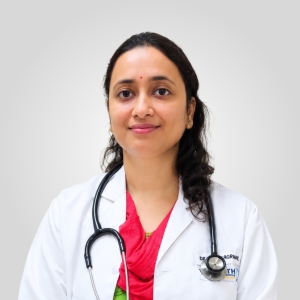
Dr. Reshu Agrawal
Senior Consultant - Internal Medicine
MBBS, MD - General Medicine
Internal Medicine

Dr. Madhura Gopichand More
Associate Consultant - Internal Medicine
MBBS, DNB
Internal Medicine

Dr. Girish Chandra Vaishnava
Chairman - Clinical Services
MBBS, MD (Medicine)
Internal Medicine

Dr. Nishant Singh
Director - Physician and Diabetologist
MBBS, MD (InternalMedicine)
Internal Medicine

Dr. Alok Kumar Singh
Senior Consultant - Internal Medicine
MBBS, DNB (General Medicine)
Internal Medicine

Dr. Shruti Sharma
Senior Consultant - Internal Medicine
MBBS, MD, CCEBDM
Internal Medicine

Dr. Shubham Yadav
Associate Consultant - Physician & Diabetologist
MBBS, MD, DNB (Internal Medicine)
Internal Medicine

Dr. Jayanta Thakuria
Senior Director - Internal Medicine & Rheumatology
MBBS, MD (Medicine), MRCP Rheu. (EULAR), LUPUS (EULAR)
Internal Medicine
Rheumatology

Dr. Santosh Kumar Agrawal
Director - Internal Medicine
MBBS, MD (Internal Medicine)
Internal Medicine

Dr. Sanjay Gupta
Senior Director – Internal Medicine
MBBS, MD (Medicine), DNB (General Medicine)
Internal Medicine

Dr. Anil Gomber
Senior Consultant – Internal Medicine & Diabetologist
MBBS, DMRD, MD (Medicine), FIACM, FCCP, FICP, Diploma in Diabetology
Internal Medicine

Dr. Divyanu Jain
Attending Consultant - Internal Medicine
MBBS, PhD (Medical Sciences – Japan)
Internal Medicine
Dr. Jayanta Thakuria
Senior Director - Internal Medicine & Rheumatology
MBBS, MD (Medicine), MRCP Rheu. (EULAR), LUPUS (EULAR)
Internal Medicine
Rheumatology

Dr. Rajeev Chowdry
Director - Internal Medicine
MBBS, MD
Internal Medicine

Dr. Lt. Col Sumit Lavania
Director & HOD - Internal Medicine
MBBS, MD, DNB (Internal Medicine), MNAMS, FICCM, PGDHHM, PGDMLS, MHA, ACR, ELUR, Rheumatology
Internal Medicine