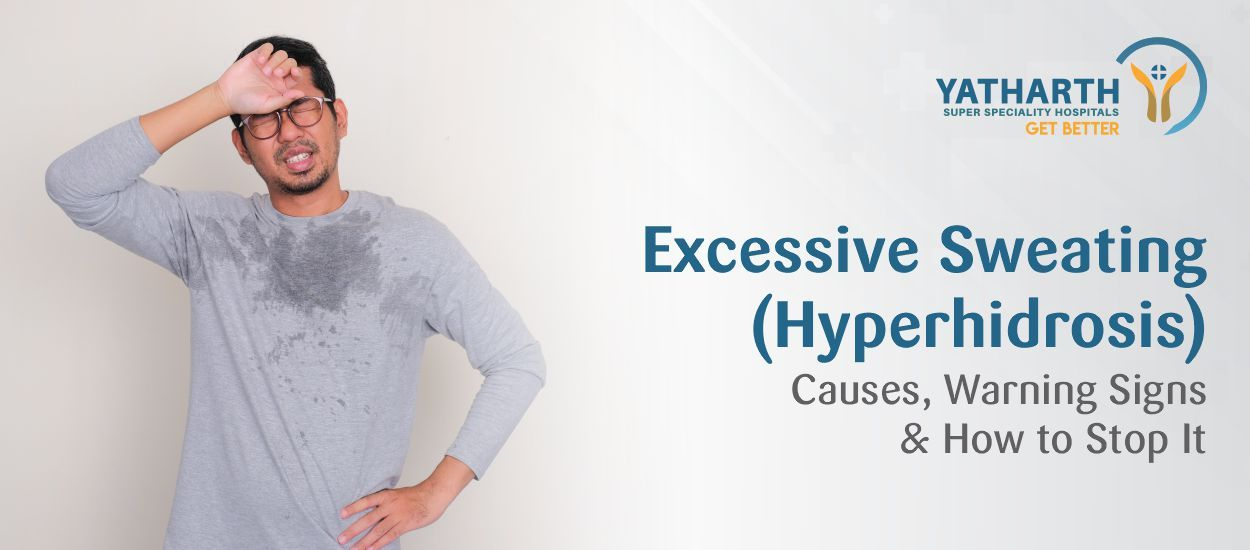


Sweating helps your body stay cool during hot weather, exercise and stressful situations. But if your palms remain wet while resting, your underarms regularly soak through clothing, or your feet sweat heavily in comfortable temperatures, you may have hyperhidrosis
Hyperhidrosis is a medical condition in which sweating exceeds what the body needs for cooling. It can affect confidence, work, sleep and everyday activities, but treatments are available. Understanding the pattern of sweating helps determine whether it is a primary sweating disorder or a symptom of another problem.
What Is Excessive Sweating?
Excessive sweating means producing more sweat than is necessary to regulate body temperature. It may affect particular areas, such as the hands, feet, underarms or face, or occur across much of the body.
Sweating heavily during a workout or on a hot, humid day does not automatically mean you have hyperhidrosis. Sweating when you are cool and inactive, especially when it repeatedly disrupts daily life, deserves attention.
The goal of treatment is to control unnecessary sweating while preserving the body’s ability to cool itself.
Primary Hyperhidrosis vs Secondary Hyperhidrosis
Doctors distinguish between two main types because their causes and treatment approaches differ.
|
Feature |
Primary hyperhidrosis |
Secondary hyperhidrosis |
|
Underlying cause |
No other medical condition or medicine explains the sweating |
Related to a medical condition, medicine or another identifiable factor |
|
Usual pattern |
Localised areas, often both palms, both soles or both underarms |
Often widespread, although localised sweating can occur |
|
Typical onset |
Commonly begins in childhood, adolescence or early adulthood |
May begin at any age |
|
During sleep |
Usually stops during sleep |
May continue during sleep |
|
Family history |
May run in families |
Depends on the underlying cause |
Primary hyperhidrosis is thought to involve overactive nerve signals to sweat glands. People with this form are often otherwise healthy. Secondary hyperhidrosis requires assessment for the factor driving the sweating.
Hyperhidrosis Symptoms: What Should You Notice?
Common hyperhidrosis symptoms include:
- Visible sweat beads or dripping sweat without significant heat or exertion.
- Repeatedly wet palms that interfere with writing, typing, or gripping objects.
- Underarm sweating that leaves noticeable wet patches.
- Damp socks and shoes.
- Skin that becomes soft, whitish, or peeling from prolonged moisture.
- Recurrent skin irritation or infections.
- Avoiding handshakes, certain clothing, or social situations because of sweating.
These sweating disorder symptoms can affect quality of life even when they do not indicate a dangerous illness. Tell your doctor about practical difficulties and emotional distress, as these help guide treatment.
Excessive Sweating Causes
Overactive sweating signal
In primary hyperhidrosis, the nerves controlling sweating appear to signal the glands more strongly than necessary. The sweating may occur without an obvious trigger, although emotional stress can make it more noticeable.
Medical conditions
Medical conditions causing sweating can include:
- An overactive thyroid.
- Low blood sugar.
- Menopausal hot flushes.
- Certain infections.
- Nervous system disorders.
- Some cancers, although sweating alone does not establish this diagnosis.
The pattern, timing and accompanying symptoms determine which possibilities need investigation. A list of potential causes should not be used to diagnose yourself.
Medicines and substance withdrawal
Some antidepressants and other medicines can increase sweating. Alcohol or drug withdrawal can also cause it.
If sweating begins after starting a medicine or changing a dose, tell the prescribing doctor. Do not stop prescribed treatment abruptly without advice.
Heat, food and emotional triggers
Hot environments, spicy foods, caffeine, alcohol, and stressful situations may trigger or worsen sweating. Triggers differ between people, so avoiding every possible trigger is usually unnecessary.
Excessive Sweating and Anxiety
Anxiety can trigger sweating, and worrying about visible sweat can increase anxiety. This can create a frustrating cycle, particularly during presentations, meetings, or social events.
However, sweating too much does not automatically mean anxiety is the underlying cause. Primary hyperhidrosis can occur when a person feels calm.
Relaxation techniques or counselling may help with distress and anxiety-related triggers. They can support medical treatment when sweating itself remains a problem.
Night Sweats: Causes and Warning Signs
Feeling sweaty under a thick blanket is different from repeatedly waking with soaked clothes or bedding despite sleeping in a cool room.
Common night sweats causes include menopause, anxiety, certain medicines, low blood sugar, and alcohol or drug use. Sometimes the cause remains unclear.
Arrange a medical appointment if night sweats repeatedly wake you, worry you, or occur with:
- Unexplained weight loss.
- Fever or chills.
- A persistent cough.
- Other ongoing symptoms.
Recurring night sweats should not simply be assumed to be primary hyperhidrosis, which usually stops during sleep.
When to See a Doctor for Excessive Sweating
Book an appointment if:
- You suddenly start sweating more than usual.
- Sweating interferes with daily activities.
- You develop unexplained night sweats.
- Sweating causes emotional distress or social withdrawal.
- Self-care and over-the-counter products are not helping.
You do not need to wait until the problem becomes severe to ask for treatment.
When is sweating an emergency?
Seek immediate medical attention if heavy sweating occurs with chest discomfort, pain spreading to the jaw or arms, marked dizziness, or cold skin and a rapid pulse. These symptoms can indicate an acute medical problem rather than a routine sweating disorder.
How Is Hyperhidrosis Diagnosed?
A doctor will ask when the sweating began, which areas are affected, whether it occurs during sleep and how it affects your life. Bring a list of medicines and supplements.
An examination may be enough to identify a typical pattern. If an underlying condition is suspected, targeted tests—such as blood glucose or thyroid testing—may be appropriate. Sweat tests can sometimes map affected areas or assess severity.
Not everyone needs extensive testing. Investigations should follow the symptoms and examination findings.
How to Stop Excessive Sweating: Treatment Options
Excessive sweating treatment depends on the cause, affected body area, and severity. A combination of approaches may be needed.
Antiperspirants
Antiperspirants reduce sweat output; deodorants mainly control odour.
For mild symptoms, an over-the-counter antiperspirant may help. Stronger prescription products are available. These are generally applied to completely dry skin before bed, following the product or clinician’s instructions.
Skin irritation can occur. Ask about adjusting the formulation or application schedule if this happens. Use products only on the body areas for which they are recommended.
Prescription skin treatments
Prescription creams, gels, or wipes that reduce sweating signals may be options for underarm sweating treatment. Availability and approved uses vary by country.
Iontophoresis
Iontophoresis uses a controlled electrical current through water to reduce sweating, particularly in the hands and feet. It requires repeated sessions and maintenance. Home treatment is possible after professional assessment and instruction.
Botulinum toxin injections
These injections temporarily reduce sweating in treated areas. Benefits generally last for several months, and repeat treatment may be needed. Injection discomfort and temporary local muscle weakness are possible.
Oral medicines
Doctors sometimes prescribe medicines that reduce sweating signals throughout the body. Side effects can include dry mouth, blurred vision and difficulty urinating. Reduced sweating can also make cooling down harder in hot weather, so these medicines require individual assessment.
Procedures and surgery
Selected patients may benefit from procedures targeting underarm sweat glands. Nerve surgery is generally reserved for severe cases that have not responded to other treatment.
A significant surgical risk is compensatory sweating, where other body areas begin sweating more heavily. Surgery should not be presented as a simple, risk-free cure.
For secondary hyperhidrosis, treating the underlying condition or reviewing the responsible medicine is central to management.
Excessive Sweating Remedies: Practical Daily Care
If you are looking for how to reduce sweating naturally, daily changes can help manage triggers and discomfort. They may not fully control a sweating disorder.
Keep a sweat diary
Record when sweating occurs, the affected areas, recent meals, drinks, activities and emotions. Look for repeat patterns before making changes.
Choose comfortable clothing
Wear breathable fabrics, carry a spare shirt when helpful and consider underarm shields to protect clothing.
Care for sweaty feet
Change damp socks, choose moisture-wicking materials and allow shoes to dry between wears. Absorbent insoles may improve comfort.
Stay hydrated
Replace fluids lost through sweating. Drinking less water is not an appropriate sweating-control strategy. If you have a prescribed fluid restriction, follow your clinician’s advice.
Ask a pharmacist about suitable products
A pharmacist can advise on stronger antiperspirants, foot powders and sweat shields. Seek medical care if symptoms remain troublesome or suggest an underlying condition.