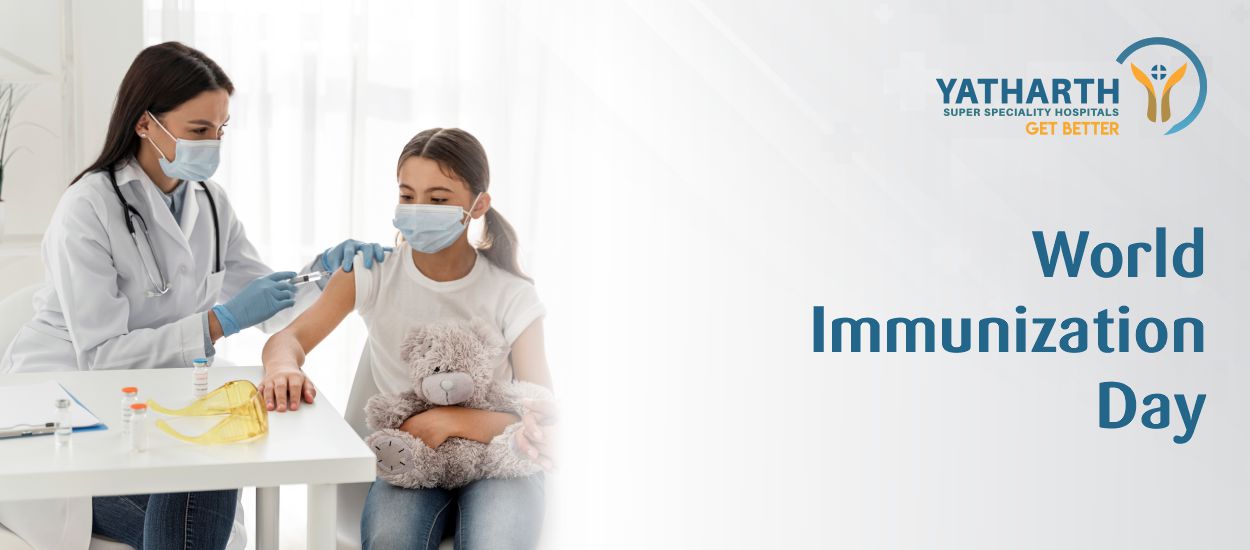


Vaccination is one of the most effective public health measures for protecting people against many infectious diseases. From childhood immunisation to recommended vaccines for adolescents, adults, and older people, vaccines help reduce the risk of serious illness, complications, and preventable deaths.
Immunisation protects individuals and contributes to healthier communities by reducing the spread of certain infections. It has helped control diseases such as polio, measles, diphtheria, and tetanus, while newer vaccines offer protection against additional infections.
In 2026, the World Health Organization's World Immunization Week campaign uses the theme >“For Every Generation, Vaccines Work”, highlighting the importance of vaccination throughout life. The global observance takes place from 24 to 30 April.
For Yatharth Super Speciality Hospitals, this occasion is an opportunity to encourage awareness, address common vaccine-related concerns, and help families make informed decisions with qualified healthcare professionals.
What Is Immunization?
Immunization is the process through which a person develops protection against an infectious disease, usually through vaccination.
Vaccines train the immune system to recognise specific germs or parts of them. This helps the body respond more effectively if it encounters the infection in the future.
Vaccines may contain weakened or inactivated germs, specific components of a germ, or instructions that help the body produce a harmless component that triggers an immune response. The exact technology varies by vaccine.
Vaccination does not guarantee that a person will never become infected. However, many vaccines significantly reduce the risk of serious disease and complications. Some also help reduce the spread of infection within communities.
When Is World Immunization Day 2026?
The phrase >World Immunization Day is commonly used in vaccination-awareness campaigns, but it is important to distinguish it from established observances.
-
World Immunization Week 2026: 24–30 April 2026, observed globally by the World Health Organization.
-
National Vaccination Day in India: 16 March every year, recognised by the WHO's India office.
The official theme for World Immunization Week 2026 is >“For Every Generation, Vaccines Work.”
Hospitals and healthcare organisations may run additional vaccination-awareness activities on other dates. When publishing a campaign under the heading “World Immunization Day 2026,” it is advisable to clarify the relevant observance or use the official World Immunization Week name where appropriate.
Why Is Immunization Important?
Immunization helps protect people from diseases that can cause severe illness, disability, and death. It is particularly important for infants and young children, but vaccination may also be recommended for adolescents, adults, healthcare workers, travellers, and older people.
1. Helps prevent serious infectious diseases
Vaccines can protect against diseases such as measles, polio, hepatitis B, diphtheria, tetanus, pertussis, and certain forms of pneumonia and meningitis.
The vaccines recommended for an individual depend on age, medical history, local guidance, exposure risk, and previous vaccination.
2. Protects infants and children
Young children may be particularly vulnerable to complications from certain infections. Timely vaccination helps build protection during important stages of development.
Following the recommended childhood immunisation schedule helps ensure that children receive vaccines at the appropriate ages and intervals.
3. Reduces the risk of complications
Some vaccine-preventable diseases can lead to hospitalisation, long-term disability, or life-threatening complications. Vaccination reduces the risk of many of these outcomes.
The degree of protection varies by vaccine and disease, and some individuals may need additional doses or boosters.
4. Helps protect communities
When vaccination coverage is high, the spread of certain infections can be reduced. This can help protect people who are too young for particular vaccines or cannot receive them for specific medical reasons.
Community protection depends on the disease, the vaccine, and the level of vaccination coverage.
5. Supports healthy ageing
Immunity can change with age, and older adults may face a higher risk of complications from some infections. Depending on age, health conditions, and national recommendations, vaccines against illnesses such as influenza, COVID-19, pneumococcal disease, and shingles may be appropriate.
A healthcare professional can advise which vaccines are recommended for an individual.
What Is the Theme of World Immunization Week 2026?
The WHO's official 2026 theme is >“For Every Generation, Vaccines Work.” It highlights the role of vaccines in protecting people across different stages of life and encourages families to maintain confidence in evidence-based vaccination.
The theme reinforces three important messages:
-
Vaccination is not limited to infancy; recommended vaccines may be needed throughout life.
-
Families should receive clear, accurate information about vaccine benefits and safety.
-
Missed doses and vaccination gaps should be addressed with appropriate healthcare guidance.
The theme also provides an opportunity to recognise healthcare professionals who support immunisation programmes and help people make informed decisions.
Vaccination Across Different Stages of Life
Vaccination needs change as people grow older and their health circumstances evolve. The appropriate schedule should be based on current national guidance and individual medical advice.
1. Vaccination for infants and children
Childhood vaccination helps protect against infections that can cause severe illness or lasting complications.
India's Universal Immunization Programme includes vaccines against several important vaccine-preventable diseases. The exact schedule depends on the child's age and the current programme recommendations.
Parents should:
-
Follow the recommended immunisation schedule.
-
Keep the child's vaccination card updated.
-
Attend appointments on time.
-
Ask a healthcare professional about missed or delayed doses.
-
Inform the vaccination provider about previous serious reactions or relevant medical conditions.
A missed dose does not automatically mean the vaccination course must be restarted. The appropriate catch-up plan depends on the vaccine and the child's age.
2. Vaccination for adolescents
Adolescents may need certain vaccines or booster doses based on national recommendations, previous vaccination, and individual risk factors.
For example, HPV vaccination can help prevent infections associated with cervical cancer and some other cancers. Other vaccines may be recommended depending on the person's vaccination history and health circumstances.
Parents and adolescents should discuss the appropriate schedule with a qualified healthcare professional.
3. Vaccination for adults
Adults may need vaccines because of incomplete childhood vaccination, waning immunity, occupational exposure, travel, pregnancy-related considerations, or medical conditions.
Depending on the individual's circumstances, recommended vaccines may include influenza, hepatitis B, tetanus-containing vaccines, COVID-19 vaccines, or other vaccines advised under current guidelines.
Adults should not assume that childhood vaccination removes the need for every vaccine later in life.
4. Vaccination during pregnancy
Certain vaccines may be recommended during pregnancy to protect the pregnant person and the baby. The appropriate vaccines and timing depend on national guidance and the individual's health.
Not every vaccine is suitable during pregnancy. Pregnant individuals should consult their obstetrician or healthcare professional before vaccination.
5. Vaccination for older adults
Older adults may have an increased risk of severe illness from certain infections because of age-related changes in immune function or underlying medical conditions.
A clinician may recommend vaccines according to age, medical history, previous vaccination, and current guidance. These may include vaccines against influenza, pneumococcal disease, shingles, or other infections where indicated.
Common Myths and Facts About Vaccination
Misinformation can cause people to delay or avoid recommended vaccines. Understanding the facts helps families make informed decisions.
Myth 1: Vaccines are only necessary for children
Fact: Vaccination may be important throughout life. Adolescents, adults, pregnant individuals, older adults, and people with certain medical conditions may need specific vaccines or boosters.
Myth 2: Vaccines always cause the disease they are designed to prevent
Fact: Most vaccines do not contain a form of the germ capable of causing the target disease in a healthy person. Vaccine types differ, and some may not be suitable for people with particular medical conditions. Ask a healthcare professional about the vaccine being considered.
Myth 3: Natural infection is always better than vaccination
Fact: Natural infection can lead to serious complications and may not provide reliable or lasting protection. Vaccination helps the immune system develop protection without requiring a person to experience the full disease.
Myth 4: If a child looks healthy, vaccines are unnecessary
Fact: Many vaccine-preventable infections can spread before symptoms become obvious or cause severe illness in previously healthy children. Vaccination helps provide protection before exposure occurs.
Myth 5: Mild side effects mean a vaccine is dangerous
Fact: Temporary soreness, mild fever, or fatigue can occur after some vaccines as the immune system responds. Severe reactions are uncommon, but any worrying or persistent symptoms should be assessed by a healthcare professional.
Myth 6: Missed vaccine doses mean the whole course must be restarted
Fact: In many situations, a delayed vaccination course can be continued through a catch-up schedule. The correct plan depends on the vaccine, the person's age, and previous doses.
Are Vaccines Safe?
Vaccines undergo testing and regulatory assessment before they are approved for use. Their safety continues to be monitored after introduction through established reporting and surveillance systems.
Like other medical interventions, vaccines can cause side effects. Most are mild and short-lived, such as pain at the injection site, low-grade fever, or fatigue. Serious adverse reactions are rare, but they can occur.
Before vaccination, tell the healthcare professional about:
-
Previous severe allergic reactions to a vaccine or its ingredients.
-
Relevant medical conditions or immune-system problems.
-
Pregnancy, where applicable.
-
Current medicines and treatments.
-
Any previous significant reaction following vaccination.
The healthcare professional can determine whether a vaccine is suitable, whether precautions are needed, and how to manage any potential side effects.
What Should You Do If You Miss a Vaccine Dose?
Missing a scheduled dose does not necessarily mean that protection is lost completely or that the entire course must be restarted.
The next step depends on the vaccine, the number of previous doses, the person's age, and the time since the last dose.
If a vaccine dose has been missed:
-
Check the vaccination card or medical record.
-
Contact a qualified healthcare professional or vaccination centre.
-
Ask whether a catch-up dose or revised schedule is needed.
-
Keep the updated record for future reference.
For children, parents should avoid making assumptions about delayed doses and should seek advice based on the current immunisation schedule.
The Role of Healthcare Professionals in Immunization
Healthcare professionals play an important role in increasing vaccination awareness, answering questions, and supporting people who may feel uncertain about vaccines.
Their responsibilities include:
-
Explaining the benefits and limitations of recommended vaccines.
-
Reviewing vaccination history and identifying missed doses.
-
Assessing medical history and possible contraindications.
-
Administering vaccines according to approved procedures.
-
Monitoring for immediate reactions and advising about expected side effects.
-
Maintaining accurate vaccination records.
-
Providing evidence-based guidance to address misinformation.
Clear, respectful communication helps patients understand their options and make informed decisions.
How Can Families Stay Up to Date With Vaccination?
Maintaining an accurate vaccination record is a simple but important step in preventive healthcare.
Families can support timely immunisation by:
-
Keeping vaccination cards and medical records in a safe place.
-
Scheduling appointments according to the recommended schedule.
-
Asking about catch-up doses after missed appointments.
-
Checking which vaccines may be appropriate for adolescents and adults.
-
Discussing vaccination before travel or during pregnancy.
-
Seeking advice when a family member has a medical condition that may affect vaccine choice or timing.
Vaccination recommendations can change as new evidence and public health guidance become available. Always refer to current official recommendations and qualified healthcare professionals.
World Immunization Day 2026: Yatharth Hospital's Message
Immunization is an investment in individual health and the wellbeing of future generations. By helping prevent serious infections, vaccines support healthier childhoods, safer communities, and better public health outcomes.
World Immunization Week 2026 reminds us that vaccination matters across generations. Parents, adolescents, adults, older people, healthcare professionals, and communities all have a role in maintaining protection against vaccine-preventable diseases.
Yatharth Super Speciality Hospitals encourages individuals and families to stay informed, maintain vaccination records, and consult qualified healthcare professionals about the vaccines recommended for their age and medical circumstances.