Best Dermatology (Skin) Hospital in India - Comprehensive Skin, Hair & Nail Care at Yatharth Hospital
Healthy skin is an important part of overall health. Skin-related conditions can affect people of all ages and may develop due to infections, allergies, hormonal changes, autoimmune disorders, environmental factors or genetic predisposition. Some conditions are temporary, while others require long-term medical management and regular dermatological follow-up.
Skin problems such as acne, pigmentation, eczema, psoriasis, fungal infections, hair loss, nail disorders and allergic reactions can affect physical comfort, confidence and quality of life. Identifying the underlying cause is essential for choosing the right treatment and preventing complications.
If you are searching for the best dermatology hospital in India, it is important to choose a healthcare centre that offers experienced dermatologists, reliable diagnostic facilities, evidence-based treatments and appropriate medical and cosmetic dermatology services.
Yatharth Super Speciality Hospitals offers comprehensive dermatology and cosmetology services for conditions affecting the skin, hair and nails. The Centre of Dermatology provides medical evaluation and treatment for acne, eczema, psoriasis, vitiligo, leprosy, fungal and viral infections, bacterial skin conditions, allergies, hair disorders and skin cancers.
The department also offers selected diagnostic, therapeutic and cosmetic procedures, including skin biopsies, cryotherapy, electrocautery, chemical peels, acne scar treatments, dermaroller procedures, patch testing and allergy testing. Cosmetic services listed by the hospital include wrinkle treatment, dermal fillers, thread lifts and Platelet-Rich Plasma (PRP) therapy.
Whether you need treatment for a persistent skin condition, hair loss, nail infection, skin allergy or cosmetic concern, consulting a qualified dermatologist can help you understand the cause and available treatment options.
Why Choose Yatharth Hospital for Dermatology Treatment in India?
Dermatology requires specialised medical expertise because skin, hair and nail conditions can have different causes and may sometimes indicate underlying health concerns.
Yatharth Hospital provides dermatological services supported by specialist consultations, diagnostic procedures and medical and cosmetic treatment options.
Experienced Dermatologists
Dermatologists are specialists trained to diagnose and manage diseases affecting the skin, hair, nails and related structures.
Yatharth Hospital has dermatology consultants across its hospital network, with expertise in clinical dermatology, aesthetic dermatology and selected procedural treatments.
Comprehensive Skin, Hair and Nail Care
The dermatology department provides evaluation and treatment for a wide range of conditions, including:
- Acne and pimples.
- Eczema and dermatitis.
- Psoriasis.
- Vitiligo.
- Skin allergies.
- Fungal infections.
- Bacterial and viral skin infections.
- Hair loss and alopecia.
- Nail disorders.
- Pigmentation disorders.
- Skin growths and warts.
- Selected skin cancers.
Advanced Diagnostic Procedures
Correct diagnosis is essential for effective dermatological treatment. Depending on the condition, a dermatologist may recommend clinical examination, skin biopsy, allergy testing, patch testing, or other investigations.
Yatharth Hospital lists skin biopsies, patch testing, and allergy testing among its dermatology diagnostic services.
Medical and Cosmetic Dermatology
Dermatology involves both the treatment of medical skin conditions and the management of selected cosmetic concerns.
Yatharth Hospital offers medical dermatology services alongside cosmetic procedures such as chemical peels, wrinkle treatments, dermal fillers, thread lifts and PRP therapy.
Hair and Scalp Disorder Management
Hair loss may occur due to genetics, hormonal changes, nutritional deficiencies, infections, autoimmune conditions or other medical factors.
Dermatological evaluation helps identify the underlying cause and determine whether medication, scalp treatment, PRP or another suitable intervention may be appropriate.
Treatment for Skin Allergies and Infections
Skin allergies and infections can cause itching, redness, swelling, irritation, rashes and discomfort.
The dermatology department manages a range of allergic and infectious skin conditions, including eczema, urticaria, fungal infections, viral infections and bacterial skin conditions.
Skin Cancer Evaluation
Certain changes in the skin may require further investigation to rule out skin cancer.
A dermatologist can assess unusual growths, changing moles, persistent sores and suspicious skin lesions. Skin biopsy and further specialist evaluation may be recommended when clinically indicated.
Evidence-Based Treatment Approach
Different skin conditions may appear similar but require different treatments. Dermatological care should therefore be based on clinical examination, medical history and appropriate investigations.
Yatharth Hospital describes its dermatology services as following evidence-based care and established clinical protocols.
Cosmetic and Aesthetic Dermatology
Aesthetic dermatology focuses on selected concerns related to skin texture, wrinkles, pigmentation, scars and facial appearance.
Yatharth Hospital lists cosmetic procedures such as chemical peels, dermal fillers, thread lifts, wrinkle treatments and PRP therapy.
Dermatology Services Available at Yatharth Hospital
The Centre of Dermatology provides medical, diagnostic and cosmetic services for different skin, hair and nail concerns.
Clinical Dermatology
Clinical dermatology focuses on diagnosing and treating diseases affecting the skin, scalp, hair and nails.
Common conditions include:
- Acne vulgaris.
- Eczema.
- Psoriasis.
- Vitiligo.
- Urticaria.
- Contact dermatitis.
- Fungal infections.
- Viral skin infections.
- Bacterial skin infections.
- Skin pigmentation disorders.
- Leprosy.
- Nail diseases.
Treatment may involve topical medications, oral medicines, medicated skincare, injections or other specialised procedures depending on the diagnosis.
Cosmetic Dermatology
Cosmetic dermatology focuses on improving selected skin concerns, including wrinkles, pigmentation, acne scars, uneven skin texture and signs of ageing.
Cosmetic dermatology procedures listed by Yatharth Hospital include:
- Chemical peels.
- Wrinkle treatments.
- Dermal fillers.
- Thread lifts.
- PRP therapy.
- Acne scar treatment.
- Dermaroller procedures.
The suitability of each procedure depends on skin type, medical history, expectations and dermatologist assessment.
Hair and Scalp Treatment
Hair and scalp conditions may develop due to genetic factors, hormonal imbalances, nutritional deficiencies, autoimmune diseases, infections or lifestyle-related factors.
Common hair and scalp concerns include:
- Male and female pattern hair loss.
- Alopecia areata.
- Excessive hair shedding.
- Dandruff and seborrhoeic dermatitis.
- Scalp psoriasis.
- Fungal scalp infections.
- Patchy hair loss.
- Hair thinning.
Treatment may include medical management, topical therapies, oral medications, scalp procedures or PRP therapy in selected cases.
Skin Allergy and Immunodermatology
Skin allergies may occur when the immune system reacts to certain substances or environmental triggers.
Common conditions include:
- Contact dermatitis.
- Atopic dermatitis.
- Urticaria or hives.
- Allergic skin reactions.
- Drug-related skin reactions.
- Selected autoimmune skin conditions.
Evaluation may involve a detailed medical history, skin examination, patch testing or other allergy investigations.
Pediatric Dermatology
Children can develop skin conditions that require age-appropriate diagnosis and treatment.
Common pediatric skin conditions include:
- Atopic dermatitis.
- Diaper rash.
- Childhood eczema.
- Warts.
- Molluscum contagiosum.
- Fungal skin infections.
- Birthmarks.
- Allergic skin reactions.
- Selected hair and nail disorders.
Treatment is planned according to the child's age, symptoms and medical condition.
Dermatological Surgery and Procedures
Some skin conditions require minor surgical or procedural treatment.
Yatharth Hospital lists several dermatological procedures, including:
- Skin biopsy.
- Electrocautery for skin tags.
- Wart removal procedures.
- Curettage for molluscum contagiosum.
- Cryotherapy for warts and corns.
- Intralesional injections for keloids.
- Procedures for selected patchy hair loss conditions.
- Chemical peels for pigmentation and scars.
Hair Restoration and PRP Therapy
Platelet-Rich Plasma (PRP) therapy involves preparing a platelet-rich component from the patient's own blood and administering it into selected areas.
In dermatology, PRP may be considered for certain hair and skin concerns after clinical evaluation.
Its suitability and expected results vary depending on the condition, treatment protocol and individual response.
Dermatology and Venereology
Venereology deals with sexually transmitted infections and related conditions.
Dermatologists may evaluate symptoms such as genital rashes, ulcers, itching, unusual lesions and other skin or mucosal changes.
Yatharth Hospital's dermatology department also lists care for sexually transmitted diseases and HIV-related concerns.
Common Skin Diseases Treated at Yatharth Hospital
Skin diseases can affect different parts of the body and may present with redness, itching, swelling, dryness, pigmentation changes, blisters or unusual growths.
Some conditions resolve with short-term treatment, while others require ongoing medical management.
Acne and Pimples
Acne is a common skin condition that develops when hair follicles become blocked with oil and dead skin cells. It can occur on the face, chest, shoulders and back.
Common symptoms:
- Whiteheads and blackheads.
- Red pimples.
- Pus-filled lesions.
- Painful nodules or cysts.
- Oily skin.
- Acne scars and pigmentation.
Treatment: Depending on the severity, treatment may include topical retinoids, benzoyl peroxide, other topical medications, oral medicines, hormonal treatment in selected patients and acne scar procedures.
Psoriasis
Psoriasis is a chronic immune-mediated skin condition that causes an accelerated buildup of skin cells, resulting in thickened and inflamed patches.
Common symptoms:
- Red patches covered with silvery scales.
- Dry and cracked skin.
- Itching or burning.
- Thickened nails.
- Joint pain or swelling in some patients.
Treatment: Management may include topical creams, phototherapy, systemic medicines and biologic therapies in selected cases. The treatment depends on the severity and type of psoriasis.
Eczema
Eczema is a group of inflammatory skin conditions that cause dryness, irritation and itching. Atopic dermatitis is one of the common forms.
Common symptoms:
- Dry and sensitive skin.
- Persistent itching.
- Red or inflamed patches.
- Cracked skin.
- Thickened skin due to repeated scratching.
- Flare-ups triggered by irritants or allergens.
Treatment: Management may include moisturisers, topical anti-inflammatory medicines, trigger avoidance and other treatments for moderate or severe disease.
Vitiligo
Vitiligo is a condition in which pigment-producing cells are lost or damaged, resulting in white patches on the skin.
Common symptoms:
- White or lighter skin patches.
- Loss of pigmentation around the eyes and mouth.
- Patches on hands, feet or other body areas.
- Premature whitening of hair in affected areas in some individuals.
Treatment: Options may include topical medicines, phototherapy, and selected surgical procedures. Results vary according to the type and extent of vitiligo.
Skin Allergies and Urticaria
Skin allergies develop when the skin reacts to certain substances, medications or environmental triggers. Urticaria, commonly called hives, causes raised and itchy skin welts.
Common symptoms:
- Redness.
- Itching.
- Swelling.
- Raised skin patches.
- Rashes after exposure to certain triggers.
- Recurrent episodes of hives.
Treatment: Management may include identifying and avoiding triggers, antihistamines and other prescribed medicines depending on the condition.
Fungal Skin Infections
Fungal infections develop when fungi grow on the skin, scalp, nails or other body areas.
Common symptoms:
- Circular or ring-shaped rashes.
- Itching.
- Redness and scaling.
- Cracked skin.
- Discolouration or thickening of nails.
- Scalp scaling and hair loss in certain infections.
Treatment: Depending on the site and severity, treatment may involve topical or oral antifungal medicines. Completing the prescribed treatment is important to reduce recurrence.
Alopecia and Hair Loss
Alopecia refers to hair loss that may affect the scalp or other body areas. It can develop due to genetic, autoimmune, hormonal or other medical factors.
Common symptoms:
- Gradual thinning of hair.
- Receding hairline.
- Patchy hair loss.
- Excessive hair shedding.
- Widening of the hair parting.
- Reduced hair density.
Treatment: Treatment depends on the underlying cause and may include topical medications, oral medicines, management of nutritional or hormonal concerns and selected hair restoration procedures.
Dandruff and Seborrhoeic Dermatitis
Dandruff is a common scalp condition associated with flaking. Seborrhoeic dermatitis can also affect oily areas such as the scalp, eyebrows, ears and sides of the nose.
Common symptoms:
- White or yellowish flakes.
- Itchy scalp.
- Redness.
- Greasy or scaly patches.
- Irritation around the eyebrows or ears.
Treatment: Medicated shampoos, topical antifungal treatments and anti-inflammatory medicines may be recommended according to severity.
Skin Pigmentation and Melasma
Pigmentation disorders cause areas of skin to become darker or lighter than the surrounding skin. Melasma commonly causes brown or grey-brown patches, particularly on the face.
Common symptoms:
- Dark patches on the cheeks.
- Forehead pigmentation.
- Uneven skin tone.
- Sun-related pigmentation.
- Post-inflammatory dark marks after acne or skin irritation.
Treatment: Management may include sun protection, prescribed topical medicines, chemical peels and selected procedures. Treatment depends on the type and depth of pigmentation.
Warts
Warts are non-cancerous skin growths commonly caused by certain types of human papillomavirus (HPV).
Common symptoms:
- Small raised growths.
- Rough skin surface.
- Growths on fingers, hands or feet.
- Painful plantar warts.
- Multiple small skin lesions.
Treatment: Options may include topical medicines, cryotherapy, electrocautery or other removal procedures.
Skin Tags
Skin tags are small, soft, benign growths that commonly develop in areas where skin rubs against skin or clothing.
Common locations:
- Neck.
- Underarms.
- Eyelids.
- Groin.
- Skin folds.
Treatment: Skin tags generally do not require treatment unless they cause irritation, discomfort or cosmetic concerns. A dermatologist may recommend removal through appropriate procedures.
Rosacea
Rosacea is a chronic inflammatory skin condition that commonly affects the central face.
Common symptoms:
- Persistent facial redness.
- Visible small blood vessels.
- Acne-like bumps.
- Burning or stinging.
- Skin sensitivity.
- Eye irritation in some cases.
Treatment: Management may include topical or oral medicines, trigger avoidance and selected laser or light-based procedures where appropriate.
Bacterial Skin Infections
Bacterial infections may affect the surface or deeper layers of the skin.
Common conditions include:
- Impetigo.
- Folliculitis.
- Boils.
- Cellulitis.
- Infected wounds.
Common symptoms:
- Redness.
- Pain or tenderness.
- Swelling.
- Pus-filled lesions.
- Warm skin.
- Fever in more serious infections.
Treatment: Treatment depends on the type and severity of infection and may involve topical or oral antibiotics, wound care or hospital-based treatment when required.
Viral Skin Infections
Certain viruses can cause skin lesions, blisters, rashes or growths.
Common conditions include:
- Herpes simplex.
- Shingles.
- Molluscum contagiosum.
- Viral warts.
- Selected viral rashes.
Common symptoms:
- Blisters.
- Pain or burning.
- Itching.
- Clusters of skin lesions.
- Localised redness.
Treatment: Treatment depends on the virus and may involve antiviral medicines, supportive care or selected procedures.
Urticaria (Hives)
Urticaria is a skin reaction that causes raised, itchy welts. It may occur suddenly or recur over an extended period.
Common symptoms:
- Raised itchy patches.
- Red or skin-coloured welts.
- Swelling.
- Symptoms that appear and disappear.
- Reactions following certain triggers.
Treatment: Antihistamines are commonly used. Persistent or severe cases may require further evaluation and specialist-directed treatment.
Skin Cancer
Skin cancer develops when abnormal skin cells grow uncontrollably. Some forms are associated with ultraviolet radiation exposure, while other risk factors may also contribute.
Warning signs may include:
- A new or changing mole.
- A sore that does not heal.
- A growth that bleeds repeatedly.
- Changes in the colour or shape of a skin lesion.
- A rapidly growing skin lump.
- A persistent scaly or crusted patch.
Treatment: Depending on the type and stage, treatment may involve surgical removal, specialised skin procedures, medication or cancer-directed treatment. Suspicious lesions should be assessed by a qualified dermatologist.
Common Hair and Scalp Problems Treated at Yatharth Hospital
Hair loss and scalp disorders can occur due to genetics, nutritional deficiencies, hormonal changes, infections, autoimmune conditions and other health concerns.
A dermatologist can assess the scalp and hair pattern, review medical history and recommend suitable investigations.
Male Pattern Baldness
Male pattern baldness is a common form of hereditary hair loss associated with genetic susceptibility and sensitivity to androgens.
Symptoms:
- Receding hairline.
- Thinning at the crown.
- Gradual reduction in hair density.
Treatment: Options may include prescribed topical or oral medicines and selected hair restoration procedures.
Female Pattern Hair Loss
Female pattern hair loss generally causes gradual thinning, particularly around the crown and central scalp.
Symptoms:
- Widening of the hair parting.
- Reduced hair volume.
- Gradual thinning.
- Increased visibility of the scalp.
Treatment: Management depends on the cause and may include topical medicines, assessment of hormonal or nutritional factors and other suitable therapies.
Alopecia Areata
Alopecia areata is an autoimmune condition in which the immune system attacks hair follicles, causing patchy hair loss.
Symptoms:
- Round or oval bald patches.
- Sudden hair loss.
- Changes in nail texture in some individuals.
- Hair loss in other body areas in selected cases.
Treatment: Depending on severity, treatment may include topical or injectable corticosteroids, other prescribed medicines and specialist-directed therapies.
Telogen Effluvium
Telogen effluvium is a type of temporary hair shedding that may occur after physical or emotional stress, illness, surgery, childbirth or nutritional changes.
Symptoms:
- Increased hair shedding.
- Hair falling during washing or brushing.
- General reduction in hair density.
Treatment: Management focuses on identifying and addressing the underlying trigger and correcting any associated medical or nutritional problems.
Scalp Psoriasis
Scalp psoriasis causes thick, inflamed and scaly patches on the scalp.
Symptoms:
- Thick scaling.
- Itching.
- Red patches.
- Flaking around the hairline.
- Temporary hair shedding due to inflammation or scratching.
Treatment: Medicated shampoos, topical treatments and other psoriasis therapies may be recommended according to severity.
Advanced Dermatology Treatments and Procedures at Yatharth Hospital
Dermatological treatment may involve medication, diagnostic procedures, minor surgery or cosmetic interventions. The choice depends on the patient's condition, skin type, medical history and treatment goals.
Yatharth Hospital lists several dermatological and cosmetic procedures as part of its department's services.
Skin Biopsy
A skin biopsy involves collecting a small sample of skin for laboratory examination.
It may be recommended to:
- Evaluate unusual skin lesions.
- Investigate persistent rashes.
- Assess suspected autoimmune skin diseases.
- Examine suspicious moles or growths.
- Help diagnose selected infections.
- Investigate suspected skin cancers.
Cryotherapy
Cryotherapy uses controlled freezing, commonly with liquid nitrogen, to treat selected skin lesions.
It may be used for:
- Common warts.
- Certain viral skin growths.
- Selected benign skin lesions.
- Corns in appropriate cases.
Electrocautery
Electrocautery uses controlled electrical energy to remove or treat selected skin lesions.
It may be used for:
- Skin tags.
- Selected benign growths.
- Certain small skin lesions.
Chemical Peels
Chemical peels involve applying selected chemical solutions to the skin to improve certain concerns related to pigmentation, texture and scars.
They may be considered for:
- Acne-related pigmentation.
- Uneven skin tone.
- Selected acne scars.
- Superficial skin texture concerns.
The type and strength of the peel should be selected according to skin type and medical evaluation.
Dermaroller Treatment
Dermaroller treatment is a form of microneedling that uses fine needles to create controlled micro-injuries in the skin.
It may be considered for selected acne scars and skin texture concerns.
The procedure should be performed under appropriate medical supervision.
PRP Therapy
Platelet-Rich Plasma therapy uses a platelet-rich preparation obtained from the patient's own blood.
In dermatology, it may be used for selected hair restoration and aesthetic applications. The expected response varies, and not every type of hair loss or skin concern is suitable for PRP.
Intralesional Injections
Intralesional injections deliver medication directly into selected skin lesions.
They may be recommended for conditions such as:
- Keloids.
- Selected cases of alopecia areata.
- Certain inflammatory skin lesions.
The medication and treatment schedule depend on the diagnosis.
Dermal Fillers
Dermal fillers are injectable products used to restore volume or improve selected facial contours and lines.
They may be considered for:
- Facial volume loss.
- Selected facial lines.
- Lip enhancement.
- Facial contouring.
The procedure requires careful assessment, appropriate product selection and an experienced medical professional.
Wrinkle Treatment
Wrinkle treatments aim to improve the appearance of selected facial lines and signs of ageing.
Depending on the cause, options may include injectable treatments, skincare, resurfacing procedures and other aesthetic interventions.
Thread Lifts
Thread lifts use specialised threads placed beneath the skin to provide selected lifting effects.
They may be considered for certain facial laxity concerns. Results, suitability and duration vary among individuals.
Diagnostic Tests for Skin, Hair and Nail Conditions
Accurate diagnosis helps determine whether a skin condition is caused by infection, allergy, inflammation, autoimmune disease or another underlying factor.
Depending on the symptoms, a dermatologist may recommend clinical examination, laboratory testing or specialised procedures.
|
Diagnostic Test |
Purpose |
|
Clinical Skin Examination |
Evaluates rashes, lesions, pigmentation and other skin changes. |
|
Dermoscopy |
Examines selected skin lesions and moles using magnification. |
|
Skin Biopsy |
Collects a skin sample for microscopic examination. |
|
KOH Test |
Helps identify certain fungal infections. |
|
Fungal Culture |
Helps identify the fungus causing an infection. |
|
Bacterial Culture |
Identifies bacteria in selected infected lesions. |
|
Patch Testing |
Helps identify substances responsible for allergic contact dermatitis. |
|
Allergy Testing |
Evaluates selected suspected allergic conditions. |
|
Blood Tests |
May help identify underlying inflammatory, hormonal or nutritional concerns. |
|
Thyroid Function Test |
Evaluates thyroid-related conditions that may contribute to hair loss or skin changes. |
|
Iron and Ferritin Tests |
Assess iron stores when deficiency is suspected. |
|
Vitamin Level Assessment |
Evaluates selected nutritional deficiencies when clinically indicated. |
|
Trichoscopy |
Examines hair shafts and scalp structures. |
|
Nail Examination |
Evaluates nail changes and suspected nail disorders. |
|
Wood's Lamp Examination |
Helps assess selected pigmentary and infectious skin conditions. |
Not every patient requires all these investigations. The dermatologist recommends tests according to symptoms, medical history and clinical findings.
When Should You Consult a Dermatologist?
Many people delay dermatological consultation, assuming that skin problems will resolve on their own. However, persistent or recurring symptoms may require medical evaluation.
You should consider consulting a dermatologist if you experience:
- Persistent acne: Repeated breakouts, painful pimples, nodules or acne scars.
- Unexplained rashes: Redness, itching or skin irritation that continues or worsens.
- Severe itching: Persistent itching that affects sleep or daily activities.
- Unusual skin pigmentation: New or spreading dark or white patches.
- Excessive hair loss: Sudden shedding, gradual thinning or patchy bald spots.
- Nail changes: Discolouration, thickening, separation or unusual nail growth.
- Recurrent fungal infections: Repeated itching, scaling or ring-shaped skin patches.
- Persistent skin allergies: Repeated hives, swelling or contact-related rashes.
- Changing moles: A mole that changes in size, shape, colour or appearance.
- Non-healing skin wounds: Sores or lesions that repeatedly bleed or do not heal.
Seek emergency medical care if a skin reaction is accompanied by difficulty breathing, swelling of the tongue or throat, fainting, or rapidly spreading painful redness with fever. A severe rash with blisters, skin peeling or sores involving the mouth or eyes also requires urgent medical assessment.
Importance of Regular Skin and Hair Health Check-ups
Skin and hair concerns may develop gradually, and early evaluation can help identify treatable conditions before they become more complicated.
Early Diagnosis of Skin Diseases
A dermatologist can identify the underlying cause of persistent rashes, infections, pigmentation changes and unusual skin growths.
Prevention of Skin Infection Complications
Appropriate diagnosis and treatment can help prevent selected skin infections from spreading or becoming more severe.
Timely Management of Hair Loss
Early assessment can help identify the cause of hair thinning or shedding and improve the chances of managing certain types of hair loss.
Skin Cancer Awareness
Changes in moles, unusual growths and non-healing sores should be evaluated. Early diagnosis is important for appropriate treatment.
Better Management of Chronic Skin Conditions
Conditions such as psoriasis, eczema and vitiligo may require long-term care. Regular follow-up helps assess treatment response and manage flare-ups.
Safe Cosmetic and Aesthetic Treatment
Consulting a qualified dermatologist before undergoing cosmetic procedures helps determine suitability, understand potential side effects and select appropriate treatment options.
Comprehensive Dermatology Care at Yatharth Hospital in India
Skin, hair and nail health can influence physical comfort, confidence and overall well-being. From common conditions such as acne, eczema and fungal infections to chronic disorders such as psoriasis and vitiligo, dermatological concerns require accurate diagnosis and suitable treatment.
Yatharth Super Speciality Hospitals offers dermatology and cosmetology services covering clinical dermatology, hair disorders, skin allergies, diagnostic procedures and selected cosmetic treatments. The department also lists services for skin biopsies, cryotherapy, chemical peels, PRP therapy, wrinkle treatments, dermal fillers and thread lifts.
The hospital's approach focuses on specialist evaluation and treatment planning according to individual skin and hair concerns.
If you are looking for the best dermatology hospital in India, consult the dermatology team at Yatharth Hospital for expert evaluation and personalised treatment options.
Frequently Asked Questions (FAQs)
Which is the best dermatology hospital in India?
The best dermatology hospital should offer qualified dermatologists, reliable diagnostic facilities, medical and cosmetic dermatology services and treatment options for skin, hair and nail disorders. Yatharth Hospital provides a range of dermatological services, including acne, psoriasis, eczema, vitiligo, skin allergies, hair disorders and selected cosmetic procedures.
What does a dermatologist treat?
A dermatologist diagnoses and treats conditions affecting the skin, hair and nails. These include acne, eczema, psoriasis, vitiligo, fungal infections, skin allergies, hair loss, nail infections, pigmentation disorders and selected skin cancers.
When should I visit a dermatologist?
You should consult a dermatologist if you experience persistent acne, unexplained rashes, severe itching, unusual skin growths, excessive hair loss, nail changes, recurrent infections or changing moles.
What are the most common skin diseases in India?
Common skin conditions include acne, eczema, psoriasis, fungal infections, vitiligo, urticaria, contact dermatitis, pigmentation disorders, warts and bacterial skin infections.
Can acne scars be treated?
Yes. Acne scars can be managed through different dermatological procedures depending on their type and severity. Treatment options may include microneedling, chemical peels, laser procedures and other scar treatments.
Is psoriasis completely curable?
Psoriasis is generally a chronic condition that may have periods of improvement and flare-ups. Although there is no universal permanent cure, various treatments can help control symptoms and reduce inflammation.
What is the difference between eczema and psoriasis?
Eczema commonly causes dry, itchy and inflamed skin, while psoriasis often causes well-defined, thickened patches covered with scales. Both conditions require clinical evaluation because their symptoms can sometimes overlap.
What causes hair loss?
Hair loss may occur due to genetics, hormonal changes, nutritional deficiencies, thyroid disorders, stress, infections, autoimmune conditions and certain medications. Identifying the underlying cause helps guide treatment.
Can hair loss be treated permanently?
The outcome depends on the type and cause of hair loss. Some conditions can improve significantly with treatment, while hereditary hair loss generally requires ongoing management. A dermatologist can recommend appropriate options.
What is PRP therapy for hair loss?
PRP therapy involves preparing a platelet-rich component from the patient's blood and injecting it into selected scalp areas. It may be considered for certain types of hair loss, but its effectiveness varies and it is not suitable for every patient.
What is vitiligo, and how is it treated?
Vitiligo is a condition in which pigment-producing cells are lost, resulting in white patches on the skin. Treatment may include topical medications, phototherapy and selected surgical procedures.
Can fungal skin infections spread?
Yes. Some fungal infections can spread through direct skin contact, shared personal items or contact with contaminated surfaces. Appropriate antifungal treatment and hygiene measures help reduce transmission and recurrence.
What is a skin biopsy?
A skin biopsy is a procedure in which a small sample of skin is collected and examined under a microscope. It may help diagnose inflammatory skin diseases, infections and suspicious skin lesions.
What is patch testing in dermatology?
Patch testing is used to identify substances that may cause allergic contact dermatitis. Small amounts of suspected allergens are applied to the skin under controlled conditions and evaluated for reactions.
Does Yatharth Hospital provide acne treatment?
Yes. Yatharth Hospital's dermatology services include acne evaluation and treatment. The treatment plan depends on the severity of acne, skin type and whether scarring or pigmentation is present.
Does Yatharth Hospital provide psoriasis treatment?
Yes. Psoriasis is among the skin conditions listed under the hospital's dermatology services. Patients can consult a dermatologist for assessment and an individualised treatment plan.
Does Yatharth Hospital provide treatment for skin allergies?
Yes. The dermatology department provides care for skin allergies and related conditions. Selected diagnostic services include patch testing and allergy testing.
What cosmetic dermatology procedures are available at Yatharth Hospital?
The hospital lists chemical peels, acne scar treatments, dermaroller procedures, wrinkle treatments, dermal fillers, thread lifts and PRP therapy among its dermatology and cosmetology services. Suitability depends on individual assessment.
What is the difference between a dermatologist and a cosmetologist?
A dermatologist is a medical specialist trained to diagnose and treat skin, hair and nail diseases. A cosmetologist generally focuses on cosmetic and aesthetic treatments. Medical skin conditions should be evaluated by a qualified dermatologist.
Can skin pigmentation be treated?
Yes. Treatment depends on the type and cause of pigmentation. Options may include sun protection, topical medications, chemical peels and selected dermatological procedures.
Are skin tags harmful?
Most skin tags are benign and do not require treatment. However, a dermatologist should assess unusual or changing growths before removal to confirm their nature.
What are the warning signs of skin cancer?
Warning signs may include a changing mole, a new unusual growth, a sore that does not heal, repeated bleeding or a skin lesion that changes in size, shape or colour. Such changes should be evaluated by a dermatologist.
Can children consult a dermatologist?
Yes. Children may develop eczema, fungal infections, warts, allergic skin reactions, birthmarks and other skin conditions. A dermatologist can recommend age-appropriate evaluation and treatment.
How much does dermatology treatment cost in India?
The cost depends on the skin condition, diagnostic investigations, medications and treatment procedures. Cosmetic procedures, hair restoration and long-term treatment may have different costs. An individual estimate can be provided after consultation.
How can I book an appointment with a dermatologist at Yatharth Hospital?
You can visit the official Yatharth Hospital website or contact the hospital's appointment team to check dermatologist availability, consultation timings and the appropriate branch.


Dr. Pradeep Sethi
Senior Consultant - Dermatology
MBBS, DV&D (Dermatology)
Dermatology
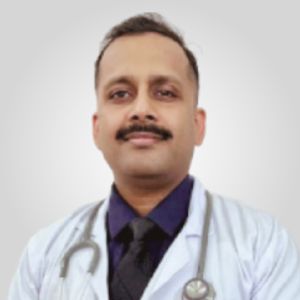
Dr. Alok Kumar
Senior Consultant - Dermatology
MBBS, MD (Dermatology)
Dermatology

Dr. Henna Sharma
Senior Consultant - Dermatology
MBBS, MRCP (UK), MD
Dermatology
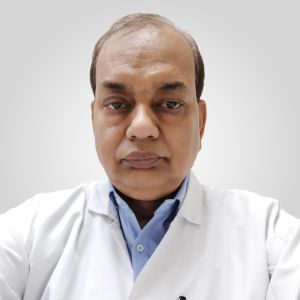
Dr. Akhil Kumar Singh
Sr. Consultant - Dermatology
MBBS,MD, Dermatologist
Dermatology
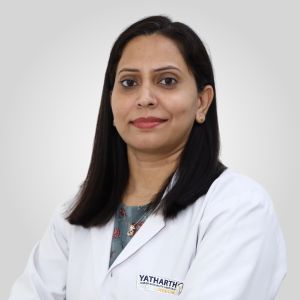
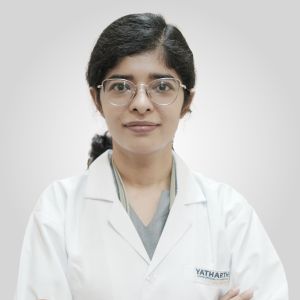
Dr. Anjali Kakkar
Consultant - Dermatology
MBBS, MD, DNB (Dermatology, Venereology & Leprosy), MRCP, MNAMS
Dermatology
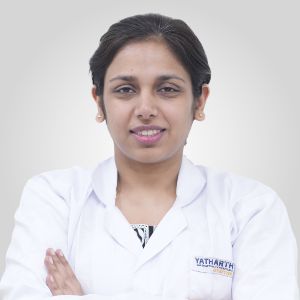
Dr. Vaishnavi Verma
Consultant - Dermatology
MBBS, MD (AIIMS New Delhi), DNB, MRCP UK (SCE)
Dermatology
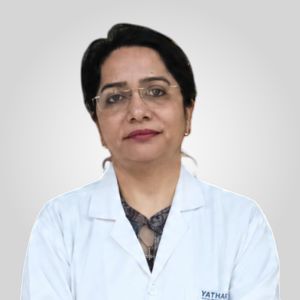
Dr. Chetna Kapur Ghura
Consultant - Dermatologist
MBBS, MD (Dermatology)
Dermatology
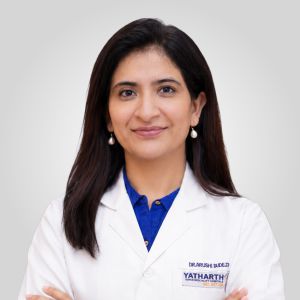
Dr. Arushi Dudeja
Consultant - Dermatologist, Hair Transplant Surgeon & Vaginal Aesthetist
MBBS, MD (Dermatology)
Dermatology