Best Gynaecology Hospital in India - Comprehensive Women's Healthcare at Yatharth Hospital
Women's health needs change throughout different stages of life, from adolescence and reproductive years to pregnancy, childbirth and menopause. Regular gynaecological consultations, preventive screenings and timely treatment play an important role in maintaining reproductive and overall health.
Gynaecological conditions can affect menstrual health, fertility, hormonal balance, the uterus, ovaries, cervix and other parts of the reproductive system. Some conditions cause noticeable symptoms, while others may develop without obvious warning signs. Early diagnosis and appropriate medical care can help manage these concerns and reduce the risk of complications.
Choosing the right hospital for women's healthcare is an important decision. Women may need access to experienced gynaecologists, advanced diagnostic facilities, minimally invasive surgical procedures, pregnancy care, fertility support and specialised treatment for complex reproductive health conditions.
If you are searching for the best gynaecology hospital in India, consider a hospital that offers comprehensive care across different stages of a woman's life, supported by experienced specialists and appropriate medical infrastructure.
Yatharth Super Speciality Hospitals offers comprehensive Obstetrics and Gynaecology services through its Centre for Gynaecology and Obstetrics. The department provides care ranging from routine gynaecological consultations and preventive health services to high-risk pregnancy management, childbirth assistance, laparoscopic and robotic-assisted gynaecological surgery and fertility care.
The hospital's services cover menstrual disorders, PCOS, uterine fibroids, endometriosis, ovarian cysts, pelvic floor disorders, pregnancy-related complications, infertility and menopausal health concerns. Its multidisciplinary approach supports women who require medical, surgical, obstetric or fertility-related care.
Whether you need a routine gynaecological check-up, pregnancy consultation, evaluation of menstrual irregularities, fertility assessment or treatment for a complex gynaecological condition, consulting an experienced specialist can help you understand the available options.
Why Choose Yatharth Hospital for Gynaecology Treatment in India?
Women's healthcare requires specialised medical knowledge, accurate diagnosis, appropriate treatment planning and sensitive patient care. Different conditions may require collaboration between gynaecologists, obstetricians, fertility specialists, surgeons, radiologists and other healthcare professionals.
Yatharth Hospital offers a range of women's healthcare services designed to address reproductive and gynaecological health requirements.
Experienced Gynaecologists and Obstetricians
Gynaecologists and obstetricians diagnose and manage conditions affecting the female reproductive system, pregnancy and childbirth.
Yatharth Hospital has a team of specialists in Obstetrics and Gynaecology, including doctors with expertise in laparoscopic and robotic-assisted surgery, IVF and fertility care, fetal medicine and high-risk pregnancy management.
Comprehensive Women's Healthcare Under One Roof
The Centre for Gynaecology and Obstetrics offers services covering different stages of women's health.
These include:
- Routine gynaecological consultations.
- Menstrual disorder evaluation.
- PCOS and hormonal disorder management.
- Pregnancy and antenatal care.
- High-risk pregnancy management.
- Childbirth and delivery assistance.
- Fertility assessment and treatment.
- Laparoscopic and robotic-assisted gynaecological surgery.
- Menopause-related healthcare.
- Preventive reproductive health services.
High-Risk Pregnancy Management
Some pregnancies require additional medical supervision because of maternal health conditions, fetal concerns or complications that may arise during pregnancy.
Yatharth Hospital provides high-risk pregnancy management, including care for conditions such as gestational diabetes, pregnancy-induced hypertension, multiple pregnancies, preterm labour and placental complications.
Advanced Laparoscopic and Robotic-Assisted Gynaecological Surgery
Minimally invasive gynaecological surgery may be recommended for selected conditions affecting the uterus, ovaries and other reproductive organs.
Yatharth Hospital offers laparoscopic and robotic-assisted gynaecological procedures for selected conditions, including uterine fibroids, endometriosis and ovarian cysts.
Fertility and Reproductive Healthcare
Fertility concerns can affect individuals and couples for different medical reasons. Evaluation may involve hormonal testing, assessment of reproductive organs, ovulation monitoring and other investigations.
Yatharth Hospital offers reproductive endocrinology and infertility services, including assisted reproductive techniques such as IVF and IUI.
Fetal Medicine and Pregnancy Monitoring
Fetal medicine focuses on assessing fetal development and identifying certain conditions during pregnancy.
Appropriate screening, ultrasound evaluation and specialist consultations may help monitor fetal growth and support pregnancy management when additional assessment is needed.
Yatharth Hospital lists fetal medicine among its Obstetrics and Gynaecology services.
Gynaecological Oncology
Certain conditions affecting the uterus, cervix, ovaries, vagina and vulva may require specialised cancer evaluation and treatment.
Yatharth Hospital provides gynaecological oncology services for reproductive system cancers, with multidisciplinary treatment where required.
Adolescent and Menopausal Women's Healthcare
Women's health needs vary with age and hormonal changes.
Yatharth Hospital's gynaecology services include care for adolescent reproductive health concerns, menstrual disorders, menopause-related symptoms, and postmenopausal conditions.
Urogynaecology and Pelvic Floor Care
Pelvic floor disorders may affect bladder control, pelvic support and quality of life.
The hospital's listed gynaecological services include evaluation and treatment for urinary incontinence, pelvic organ prolapse and related concerns.
Gynaecology and Obstetrics Services Available at Yatharth Hospital
Gynaecology and obstetrics are closely connected specialities that focus on women's reproductive health, pregnancy, childbirth and related medical conditions.
Yatharth Hospital offers specialised services for women at different stages of life, including preventive care, medical treatment, fertility services and surgical interventions.
General Gynaecology
General gynaecology focuses on diagnosing and treating conditions affecting the female reproductive system.
Women may consult a gynaecologist for menstrual irregularities, pelvic pain, vaginal infections, hormonal concerns, reproductive health issues and routine examinations.
Common conditions evaluated include:
- Irregular menstrual cycles.
- Heavy menstrual bleeding.
- Painful periods.
- PCOS.
- Uterine fibroids.
- Ovarian cysts.
- Endometriosis.
- Pelvic inflammatory disease.
- Vaginal and genital tract infections.
- Pelvic organ prolapse.
- Urinary incontinence.
- Menopausal symptoms.
Treatment depends on the underlying cause and may involve medications, hormonal treatment, lifestyle guidance, monitoring or surgery.
Obstetrics and Pregnancy Care
Obstetrics focuses on medical care during pregnancy, labour, childbirth and the postpartum period.
Pregnancy involves physical and hormonal changes that require appropriate monitoring to support maternal and fetal health.
Pregnancy services may include:
- Preconception counselling.
- Pregnancy confirmation and initial assessment.
- Antenatal consultations.
- Maternal health monitoring.
- Fetal growth assessment.
- Pregnancy-related diagnostic investigations.
- Nutritional and lifestyle guidance.
- Labour and delivery planning.
- Postpartum follow-up.
Regular antenatal visits help doctors monitor the mother's health, assess fetal development and identify potential complications.
High-Risk Pregnancy Care
A high-risk pregnancy is one in which the mother, baby or both may have an increased risk of complications before, during or after delivery.
Some women have pre-existing medical conditions, while others develop complications during pregnancy.
Conditions that may require high-risk pregnancy management include:
- Gestational diabetes.
- Pregnancy-induced hypertension.
- Preeclampsia.
- Multiple pregnancy, including twins and triplets.
- Placenta previa.
- Placental abruption.
- Preterm labour.
- Fetal growth restriction.
- Previous pregnancy complications.
- Maternal thyroid disorders.
- Certain heart and kidney conditions.
Management may involve more frequent consultations, blood tests, ultrasound examinations, fetal monitoring, medication and coordinated care with other specialists.
Laparoscopic Gynaecological Surgery
Laparoscopic surgery is a minimally invasive surgical technique in which a surgeon uses a camera and specialised instruments inserted through small incisions.
It may be recommended for selected gynaecological conditions where an appropriate minimally invasive approach is possible.
Common laparoscopic procedures include:
- Laparoscopic hysterectomy.
- Ovarian cyst removal.
- Myomectomy for uterine fibroids.
- Treatment of selected cases of endometriosis.
- Laparoscopic tubal procedures.
- Surgery for selected pelvic conditions.
Potential advantages for eligible patients may include smaller incisions, reduced postoperative discomfort and a shorter recovery period compared with some open procedures. Outcomes depend on the condition, procedure and patient's health.
Robotic-Assisted Gynaecological Surgery
Robotic-assisted surgery is a minimally invasive surgical approach in which the surgeon controls specialised robotic instruments from a console.
It may be considered for selected complex gynaecological procedures, depending on the diagnosis and surgical requirements.
Potential applications include:
- Selected hysterectomy procedures.
- Myomectomy.
- Surgery for certain endometriosis cases.
- Selected pelvic reconstructive procedures.
- Certain complex gynaecological operations.
The suitability of robotic-assisted surgery depends on the patient's condition, surgical complexity and specialist assessment. It is not necessary or appropriate for every patient.
IVF and Fertility Treatment
Infertility refers to difficulty achieving pregnancy after a period of regular, unprotected sexual intercourse. It may be associated with female, male or unexplained factors.
A fertility evaluation helps identify potential causes and determine suitable treatment options.
Fertility services may include:
- Female fertility assessment.
- Male fertility assessment.
- Ovulation monitoring.
- Hormonal investigations.
- Ultrasound evaluation.
- Assessment of fallopian tube patency.
- Intrauterine Insemination (IUI).
- In Vitro Fertilisation (IVF).
- Evaluation of recurrent pregnancy loss.
The treatment plan is individualised according to age, reproductive history, test results and underlying medical factors.
Fetal Medicine
Fetal medicine focuses on assessing the health and development of a baby during pregnancy.
It plays an important role in identifying certain fetal abnormalities, monitoring growth and evaluating pregnancies that require specialised assessment.
Fetal medicine services may include:
- First-trimester screening.
- Nuchal translucency assessment.
- Anomaly scans.
- Fetal growth monitoring.
- Doppler studies when indicated.
- Assessment of multiple pregnancies.
- Evaluation of suspected fetal abnormalities.
- Counselling regarding selected pregnancy-related findings.
The recommended investigations depend on gestational age, maternal risk factors and the treating specialist's advice.
Gynaecological Oncology
Gynaecological oncology focuses on cancers affecting the female reproductive organs.
Early assessment of unusual symptoms and appropriate screening can support timely diagnosis.
Conditions include:
- Cervical cancer.
- Ovarian cancer.
- Uterine or endometrial cancer.
- Vaginal cancer.
- Vulvar cancer.
Treatment may involve surgery, chemotherapy, radiation therapy or a combination of approaches, depending on the type and stage of cancer.
Urogynaecology and Pelvic Floor Disorders
Urogynaecology deals with conditions involving the pelvic floor, bladder and supporting structures of the reproductive system.
These conditions may develop due to pregnancy, childbirth, ageing, hormonal changes or other medical factors.
Common conditions include:
- Urinary incontinence.
- Stress urinary incontinence.
- Urge incontinence.
- Pelvic organ prolapse.
- Uterine prolapse.
- Bladder-related pelvic floor disorders.
- Recurrent pelvic floor symptoms.
Treatment may include pelvic floor exercises, lifestyle changes, medications, physiotherapy or surgery depending on the condition.
Adolescent Gynaecology
Adolescent gynaecology focuses on reproductive and hormonal health concerns in teenage girls.
Some menstrual changes are part of normal development, while persistent or severe symptoms may require evaluation.
Common concerns include:
- Delayed onset of menstruation.
- Irregular periods.
- Painful periods.
- Heavy menstrual bleeding.
- PCOS.
- Hormonal imbalances.
- Menstrual hygiene concerns.
- Selected reproductive tract abnormalities.
Care should be age-appropriate, confidential and sensitive to the young person's needs.
Menopause and Postmenopausal Care
Menopause is a natural stage in a woman's life when menstrual periods stop permanently following a decline in ovarian hormone production.
Some women experience symptoms that affect sleep, mood, daily activities and quality of life.
Common menopausal concerns include:
- Hot flashes.
- Night sweats.
- Vaginal dryness.
- Sleep disturbances.
- Mood changes.
- Reduced bone density.
- Changes in sexual health.
- Urinary symptoms.
Treatment may involve lifestyle guidance, non-hormonal medicines, hormonal therapy in selected patients and bone health assessment.
Preventive Gynaecological Healthcare
Preventive healthcare helps identify certain reproductive health concerns before they become more complicated.
Women should discuss age-appropriate screening and preventive care with their gynaecologist.
Preventive services may include:
- Routine gynaecological consultations.
- Cervical cancer screening.
- HPV vaccination guidance.
- Breast health awareness.
- Menstrual health evaluation.
- STI screening when indicated.
- Preconception counselling.
- Menopause health assessment.
The recommended screening schedule depends on age, medical history, family history and individual risk factors.
Common Gynaecological Conditions Treated at Yatharth Hospital
Gynaecological conditions can affect women at different ages. Some are associated with hormonal changes, while others may develop due to infections, structural abnormalities, reproductive disorders or changes in the uterus and ovaries.
Recognising symptoms and consulting a gynaecologist can help identify the cause and determine appropriate treatment.
Polycystic Ovary Syndrome (PCOS)
PCOS is a hormonal and metabolic condition that can affect menstrual cycles, ovulation and fertility. It may also be associated with insulin resistance.
Common symptoms:
- Irregular or missed periods.
- Excess facial or body hair.
- Acne and oily skin.
- Weight gain or difficulty managing weight.
- Hair thinning.
- Difficulty conceiving in some women.
Treatment: Management may include lifestyle modifications, hormonal medications, treatment of metabolic concerns and fertility treatment when pregnancy is desired.
Uterine Fibroids
Uterine fibroids are non-cancerous growths that develop in or around the uterus. Their size, number and location influence the symptoms they cause.
Common symptoms:
- Heavy menstrual bleeding.
- Prolonged periods.
- Pelvic pressure or pain.
- Frequent urination.
- Abdominal enlargement.
- Difficulty conceiving in selected cases.
Treatment: Options may include observation, medication, myomectomy or hysterectomy, depending on symptoms, fibroid characteristics and future pregnancy plans.
Endometriosis
Endometriosis is a condition in which tissue similar to the lining of the uterus grows outside the uterus, potentially causing inflammation, pain and fertility difficulties.
Common symptoms:
- Severe menstrual cramps.
- Chronic pelvic pain.
- Pain during sexual intercourse.
- Pain during bowel movements or urination, particularly around menstruation.
- Heavy menstrual bleeding.
- Difficulty conceiving.
Treatment: Management may include pain relief, hormonal medications, fertility support or laparoscopic surgery in selected cases.
Ovarian Cysts
Ovarian cysts are fluid-filled sacs or other growths that develop in or on the ovaries. Many are benign and resolve without treatment, but some require monitoring or intervention.
Common symptoms:
- Pelvic pain.
- Abdominal bloating.
- Pressure in the lower abdomen.
- Changes in menstrual cycles.
- Pain during sexual intercourse.
- Sudden severe pain if a complication occurs.
Treatment: Depending on the cyst's type, size and symptoms, treatment may involve observation, repeat ultrasound examinations, medication for associated symptoms or surgery.
Menstrual Irregularities
Menstrual irregularities refer to changes in the frequency, duration or flow of menstrual periods.
Common symptoms:
- Missed periods.
- Irregular cycle length.
- Very heavy bleeding.
- Bleeding between periods.
- Prolonged menstruation.
- Unusually painful periods.
Treatment: Management depends on the underlying cause and may involve hormonal evaluation, medications, lifestyle changes or further investigations.
Heavy Menstrual Bleeding
Heavy menstrual bleeding involves excessive blood loss during menstruation or periods that last longer than usual. It may interfere with daily activities and lead to iron-deficiency anaemia.
Common symptoms:
- Frequently changing sanitary products.
- Passing large blood clots.
- Periods lasting more than seven days.
- Fatigue and weakness.
- Breathlessness associated with anaemia.
- Dizziness.
Treatment: Treatment may include medication, hormonal therapy, an intrauterine device or surgical procedures depending on the cause and severity.
Pelvic Inflammatory Disease (PID)
Pelvic inflammatory disease is an infection involving the female reproductive organs, often associated with bacteria that travel upward from the vagina or cervix.
Common symptoms:
- Lower abdominal or pelvic pain.
- Abnormal vaginal discharge.
- Fever.
- Pain during sexual intercourse.
- Bleeding between periods.
- Painful urination.
Treatment: Treatment generally involves appropriate antibiotics. Early evaluation is important because untreated PID can lead to complications, including chronic pelvic pain and fertility problems.
Uterine Prolapse
Uterine prolapse occurs when the uterus descends into the vaginal canal due to weakening of the pelvic floor muscles and supporting tissues.
Common symptoms:
- A feeling of heaviness in the pelvis.
- A bulge or tissue protruding from the vagina.
- Lower back discomfort.
- Urinary problems.
- Difficulty passing stools.
- Discomfort during physical activity.
Treatment: Options may include pelvic floor exercises, a vaginal pessary or surgery, depending on the severity and the patient's needs.
Vaginal and Genital Tract Infections
Vaginal infections can occur due to changes in the normal vaginal environment or infection by bacteria, fungi or parasites. Some infections may be sexually transmitted.
Common symptoms:
- Unusual vaginal discharge.
- Itching or irritation.
- Burning sensation.
- Unpleasant odour.
- Pain during urination.
- Discomfort during sexual intercourse.
Treatment: Treatment depends on the type of infection and may include antifungal, antibacterial or other appropriate medications. Avoid self-medication because different infections require different treatments.
Cervical Cancer
Cervical cancer develops in the cells of the cervix, the lower part of the uterus that connects to the vagina. Persistent infection with high-risk types of human papillomavirus (HPV) is the major cause.
Possible symptoms:
- Bleeding after sexual intercourse.
- Bleeding between periods.
- Bleeding after menopause.
- Persistent unusual vaginal discharge.
- Pelvic pain.
- Pain during sexual intercourse.
Treatment: Depending on the stage and individual medical condition, treatment may include surgery, radiation therapy, chemotherapy or a combination of these approaches. Cervical screening and HPV vaccination play important roles in prevention and early detection.
Infertility
Infertility is a reproductive health condition in which pregnancy does not occur after a period of regular, unprotected sexual intercourse. Causes may involve female factors, male factors or a combination of both.
Possible contributing factors include:
- Ovulation disorders.
- PCOS.
- Endometriosis.
- Blocked fallopian tubes.
- Uterine abnormalities.
- Age-related changes in fertility.
- Male reproductive health conditions.
Treatment: Depending on the cause, options may include ovulation induction, surgery in selected cases, IUI or IVF. Evaluation of both partners is generally important.
Preeclampsia
Preeclampsia is a pregnancy-related condition characterised by high blood pressure that develops after 20 weeks of pregnancy, often with signs of involvement of other organs.
Possible symptoms:
- High blood pressure.
- Severe or persistent headache.
- Blurred vision or visual disturbances.
- Pain in the upper abdomen.
- Sudden swelling of the face or hands.
- Breathlessness in severe cases.
Treatment: Management depends on the severity of the condition and the stage of pregnancy. It may involve close monitoring, medication, hospitalisation and planning the timing of delivery.
Gestational Diabetes
Gestational diabetes is a type of diabetes first diagnosed during pregnancy. It develops when the body cannot produce enough insulin to meet the increased requirements of pregnancy.
Possible signs and risk factors:
- Often no noticeable symptoms.
- Increased thirst or urination in some women.
- Overweight or obesity before pregnancy.
- Previous gestational diabetes.
- Family history of diabetes.
Treatment: Management may include dietary changes, physical activity, blood glucose monitoring, and insulin or other medication when recommended by the treating specialist.
Ectopic Pregnancy
An ectopic pregnancy occurs when a fertilised egg implants outside the uterus, most commonly in a fallopian tube. It cannot develop into a normal pregnancy and may become life-threatening if it causes internal bleeding.
Possible symptoms:
- One-sided lower abdominal pain.
- Vaginal bleeding.
- Shoulder-tip pain.
- Dizziness or fainting.
- Weakness.
- Sudden severe abdominal pain in case of rupture.
Treatment: Depending on the patient's condition and pregnancy findings, management may involve medication or surgery. Suspected ectopic pregnancy requires urgent medical assessment.
Menopausal Disorders
Menopause is a natural biological transition, but hormonal changes may cause symptoms that affect physical and emotional well-being.
Common symptoms:
- Hot flashes.
- Night sweats.
- Sleep disturbances.
- Vaginal dryness.
- Mood changes.
- Reduced bone density.
- Changes in sexual health.
Treatment: Management may include lifestyle changes, non-hormonal medications, menopausal hormone therapy for suitable patients and screening for associated health risks.
Warning Signs That Require a Gynaecologist Consultation
Women should not ignore persistent changes in menstrual cycles, unusual bleeding, pelvic pain or reproductive health symptoms. Early medical evaluation can help identify the underlying cause and prevent avoidable complications.
Consult a gynaecologist if you experience:
- Irregular periods: Repeated missed periods, unusually long cycles or unexpected changes in menstrual patterns.
- Heavy menstrual bleeding: Excessive blood loss, prolonged periods or symptoms of anaemia.
- Severe menstrual pain: Pain that interferes with daily activities or does not improve with usual measures.
- Persistent pelvic pain: Recurrent or ongoing pain in the lower abdomen or pelvis.
- Unusual vaginal discharge: Changes in discharge accompanied by itching, odour, irritation or pain.
- Bleeding between periods: Unexpected bleeding outside the usual menstrual cycle.
- Bleeding after menopause: Any vaginal bleeding after menopause requires medical assessment.
- Difficulty conceiving: Difficulty achieving pregnancy after regular, unprotected intercourse may warrant fertility evaluation.
- Urinary leakage: Uncontrolled urine leakage or a feeling of pelvic heaviness may indicate pelvic floor concerns.
- Menopausal symptoms: Hot flashes, sleep problems, vaginal dryness or other symptoms affecting quality of life.
Seek urgent medical attention for severe sudden abdominal or pelvic pain, heavy bleeding with dizziness or fainting, or possible pregnancy accompanied by one-sided pain or bleeding. During pregnancy, severe headache, visual disturbances, upper abdominal pain or breathlessness also require urgent assessment.
Diagnostic Tests for Gynaecological Conditions
Accurate diagnosis is essential for identifying the cause of reproductive health concerns and planning appropriate treatment.
Yatharth Hospital offers gynaecological evaluation supported by diagnostic imaging, laboratory investigations and specialist assessment.
|
Diagnostic Test |
Purpose |
|
Pelvic Examination |
Evaluates the reproductive organs and identifies selected abnormalities. |
|
Transvaginal Ultrasound |
Assesses the uterus, endometrium and ovaries. |
|
Pelvic Ultrasound |
Evaluates the uterus, ovaries and other pelvic structures. |
|
Complete Blood Count (CBC) |
Helps identify anaemia and selected signs of infection. |
|
Hormonal Profile |
Evaluates selected reproductive and endocrine hormone levels. |
|
Thyroid Function Test |
Helps assess thyroid-related menstrual and reproductive concerns. |
|
Blood Glucose and HbA1c |
Evaluates diabetes and metabolic health. |
|
Pap Smear |
Screens for abnormal cervical cells. |
|
HPV Testing |
Detects selected high-risk HPV types associated with cervical cancer. |
|
Pregnancy Test |
Helps confirm pregnancy when clinically indicated. |
|
Beta-hCG Blood Test |
Measures pregnancy-related hormone levels. |
|
Hysteroscopy |
Allows direct visual examination of the inside of the uterus. |
|
Hysterosalpingography (HSG) |
Evaluates the uterine cavity and fallopian tube patency. |
|
Colposcopy |
Examines the cervix in greater detail following certain abnormal screening results. |
|
Endometrial Biopsy |
Collects a sample of the uterine lining for examination. |
|
MRI Pelvis |
Provides detailed imaging of selected pelvic conditions. |
|
Diagnostic Laparoscopy |
Allows direct examination of pelvic and abdominal structures in selected cases. |
|
Fetal Ultrasound and Doppler |
Assesses fetal growth, anatomy and blood flow when indicated. |
Not every patient requires all these investigations. The gynaecologist recommends tests based on age, symptoms, medical history, pregnancy status and clinical findings.
Advanced Gynaecological Treatment Options at Yatharth Hospital
Gynaecological treatment depends on the diagnosis, severity of symptoms, age, reproductive goals and overall health of the patient. Treatment may involve medication, hormonal therapy, minimally invasive surgery or other specialised interventions.
Yatharth Hospital offers medical and surgical care for a range of women's health conditions, including pregnancy-related complications, reproductive disorders and gynaecological diseases.
Medical and Hormonal Treatment
Many gynaecological conditions can be managed through medications and hormonal treatment.
Treatment may include:
- Hormonal management of menstrual irregularities.
- Medication for PCOS-related symptoms.
- Treatment for endometriosis.
- Antibiotics for reproductive tract infections.
- Management of menopausal symptoms.
- Treatment for abnormal uterine bleeding.
- Medication for selected ovarian cyst-related conditions.
The choice of medication depends on the underlying condition and individual medical requirements.
Laparoscopic Surgery
Laparoscopic surgery uses small incisions, a camera and specialised instruments to perform selected gynaecological procedures.
It may be recommended for:
- Uterine fibroids.
- Ovarian cysts.
- Endometriosis.
- Selected cases of infertility.
- Ectopic pregnancy.
- Certain uterine and pelvic conditions.
The benefits and suitability of laparoscopic surgery depend on the procedure and the patient's condition.
Robotic-Assisted Surgery
Robotic-assisted gynaecological surgery allows the surgeon to control specialised instruments through a robotic surgical system.
It may be considered for selected complex procedures involving the uterus, ovaries and pelvic structures.
The decision depends on the patient's diagnosis, surgical requirements and the specialist's assessment.
Hysterectomy
A hysterectomy is a surgical procedure to remove the uterus. It may be recommended for certain conditions when other suitable treatment options are ineffective or inappropriate.
Possible reasons for hysterectomy include:
- Symptomatic uterine fibroids.
- Certain cases of abnormal uterine bleeding.
- Uterine prolapse.
- Severe endometriosis in selected patients.
- Certain gynaecological cancers.
- Other serious uterine conditions.
The type of hysterectomy and surgical approach depend on the patient's condition. Women considering this procedure should discuss its implications, including the permanent inability to carry a pregnancy.
Myomectomy
Myomectomy is a surgical procedure to remove uterine fibroids while preserving the uterus.
It may be considered for women experiencing heavy bleeding, pelvic pressure, pain or fertility-related concerns associated with fibroids.
The procedure may be performed through laparoscopic, robotic-assisted or open surgery, depending on the size, number and location of the fibroids.
Ovarian Cyst Surgery
Some ovarian cysts require surgical evaluation, particularly when they are persistent, large, symptomatic or have suspicious features.
Surgery may involve removing the cyst while preserving the ovary whenever appropriate. The surgical approach depends on the nature of the cyst and the patient's medical condition.
IVF and Assisted Reproductive Treatment
Assisted reproductive techniques may help selected individuals and couples experiencing difficulty conceiving.
Treatment options may include:
- Ovulation induction.
- Intrauterine Insemination (IUI).
- In Vitro Fertilisation (IVF).
- Fertility-related surgical interventions in selected cases.
- Evaluation and management of recurrent pregnancy loss.
The most appropriate treatment is determined after evaluating both partners and identifying potential fertility-related factors.
Pregnancy and Childbirth Management
Pregnancy care includes monitoring maternal health, fetal development and pregnancy-related complications.
Depending on the clinical situation, childbirth may take place through vaginal delivery or Caesarean section.
Clinicians base the decision on maternal and fetal health, pregnancy progress, and obstetric assessment.
Treatment of Gynaecological Cancers
Gynaecological cancers require specialised diagnosis, staging and treatment planning.
Treatment may involve:
- Cancer surgery.
- Chemotherapy.
- Radiation therapy.
- Targeted treatment in selected cases.
- Multidisciplinary cancer care.
- Post-treatment monitoring.
The treatment approach depends on the type and stage of cancer and the patient's overall health.
Pregnancy Care and Delivery at Yatharth Hospital
Pregnancy is a significant phase in a woman's life and requires regular medical supervision. Antenatal care helps monitor maternal health, fetal growth and potential pregnancy-related complications.
Yatharth Hospital's Obstetrics and Gynaecology services include antenatal care, high-risk pregnancy management, childbirth assistance and pregnancy-related treatment.
Preconception Counselling
Preconception counselling helps women prepare for a healthy pregnancy.
It may include:
- Assessment of medical history.
- Review of existing health conditions.
- Nutritional guidance.
- Medication review.
- Folic acid supplementation advice.
- Lifestyle and weight management.
- Assessment of previous pregnancy complications.
Antenatal Care
Antenatal care involves regular medical consultations during pregnancy to monitor the mother and developing baby.
It may include:
- Routine pregnancy check-ups.
- Blood pressure monitoring.
- Blood and urine investigations.
- Ultrasound examinations.
- Fetal growth assessment.
- Nutritional guidance.
- Screening for pregnancy-related conditions.
High-Risk Pregnancy Monitoring
Women with diabetes, high blood pressure, multiple pregnancies, previous pregnancy complications or certain underlying medical conditions may require additional supervision.
High-risk pregnancy care may involve more frequent appointments, specialised investigations and coordinated treatment.
Normal Vaginal Delivery
Vaginal delivery is the process of giving birth through the birth canal. It may be recommended when the mother and baby are clinically suitable for this mode of delivery.
The medical team monitors labour progress and maternal and fetal well-being.
Caesarean Section (C-Section)
A Caesarean section is a surgical procedure in which the baby is delivered through incisions in the abdomen and uterus.
It may be recommended when vaginal delivery poses increased risks or when specific maternal or fetal conditions require surgical delivery.
Postpartum Care
Postpartum care focuses on a woman's recovery after childbirth.
It may include:
- Monitoring recovery after delivery.
- Assessment of postpartum bleeding.
- Wound care after Caesarean delivery.
- Breastfeeding support.
- Nutritional guidance.
- Mental health assessment.
- Family planning counselling.
- Follow-up for pregnancy-related conditions.
Importance of Regular Gynaecological Check-ups
Regular gynaecological consultations are important even when a woman does not have noticeable symptoms. Some reproductive health conditions may develop gradually and require medical evaluation before they cause significant problems.
Early Identification of Reproductive Health Problems
Routine consultations can help identify menstrual irregularities, PCOS, fibroids, infections and other reproductive health concerns.
Cervical Cancer Screening
Cervical screening through Pap testing and HPV testing, as appropriate, can help identify precancerous changes and reduce the risk of cervical cancer.
Menstrual Health Monitoring
Persistent changes in menstrual patterns may indicate hormonal or structural conditions that need evaluation.
Fertility and Preconception Planning
Women planning pregnancy can discuss reproductive health, medical history, medications and appropriate preconception care.
Menopause Management
Regular consultations can help manage menopausal symptoms and assess concerns related to bone health, cardiovascular health and reproductive ageing.
Preventive Healthcare and Vaccination
Gynaecologists can guide women regarding HPV vaccination, reproductive health screening and other age-appropriate preventive measures.
Comprehensive Women's Healthcare at Yatharth Hospital in India
Women's healthcare requires attention to reproductive health, hormonal changes, pregnancy, fertility and conditions that may affect quality of life at different stages.
Yatharth Super Speciality Hospitals offers a range of Obstetrics and Gynaecology services through its Centre for Gynaecology and Obstetrics. The services include routine gynaecological care, pregnancy management, high-risk obstetrics, laparoscopic and robotic-assisted surgery, fertility care, fetal medicine and treatment of selected gynaecological cancers.
The hospital's multidisciplinary approach aims to support women through diagnosis, treatment, surgery and follow-up care.
If you are looking for the best gynaecology hospital in India, consult the Obstetrics and Gynaecology team at Yatharth Hospital for evaluation and personalised treatment options.
Frequently Asked Questions (FAQs)
Which is the best gynaecology hospital in India?
The best gynaecology hospital should offer experienced gynaecologists, comprehensive women's healthcare, advanced diagnostic facilities, pregnancy care, fertility services and appropriate surgical expertise. Yatharth Hospital provides a range of Obstetrics and Gynaecology services, including high-risk pregnancy management, minimally invasive surgery, fertility care and treatment of reproductive health conditions.
What does a gynaecologist treat?
A gynaecologist diagnoses and treats conditions affecting the female reproductive system, including menstrual disorders, PCOS, fibroids, ovarian cysts, endometriosis, pelvic pain, reproductive tract infections, infertility and menopausal concerns.
When should a woman visit a gynaecologist?
A woman should consult a gynaecologist for routine reproductive health check-ups, menstrual irregularities, severe period pain, unusual vaginal discharge, pelvic pain, fertility concerns, pregnancy planning or menopausal symptoms. Any unusual bleeding, especially after menopause, should be medically evaluated.
What is the difference between a gynaecologist and an obstetrician?
A gynaecologist specialises in women's reproductive health and conditions affecting the uterus, ovaries and other reproductive organs. An obstetrician specialises in pregnancy, childbirth and postpartum care. Many doctors practise both specialities.
What are the common gynaecological problems in women?
Common gynaecological problems include PCOS, uterine fibroids, ovarian cysts, endometriosis, irregular periods, heavy menstrual bleeding, pelvic inflammatory disease, vaginal infections, infertility and menopausal symptoms.
What are the symptoms of PCOS?
Common PCOS symptoms include irregular periods, acne, excess facial or body hair, hair thinning and difficulty conceiving. Some women may also experience weight gain or insulin resistance. Symptoms vary between individuals.
Can PCOS be treated permanently?
PCOS is generally a long-term hormonal and metabolic condition, but its symptoms can often be managed effectively. Treatment may include lifestyle changes, medications, hormonal management and fertility treatment when required.
What are uterine fibroids?
Uterine fibroids are non-cancerous growths that develop in or around the uterus. They may cause heavy periods, pelvic pain, pressure symptoms or fertility-related concerns. Treatment depends on their size, number, location and associated symptoms.
What is endometriosis, and how is it treated?
Endometriosis occurs when tissue similar to the uterine lining grows outside the uterus. It may cause severe menstrual pain, chronic pelvic pain and fertility difficulties. Treatment can include pain management, hormonal medications and laparoscopic surgery in selected cases.
When should ovarian cysts be treated?
Not every ovarian cyst requires treatment. Some resolve naturally, while others may need monitoring or surgery depending on their size, appearance, persistence, symptoms and the patient's age and medical history.
Does Yatharth Hospital provide laparoscopic gynaecological surgery?
Yes. Yatharth Hospital lists laparoscopic gynaecological procedures for selected conditions, including ovarian cysts, uterine fibroids and endometriosis. The appropriate surgical approach is decided after specialist evaluation.
What is robotic gynaecological surgery?
Robotic-assisted gynaecological surgery is a minimally invasive approach in which a surgeon controls specialised robotic instruments. It may be considered for selected procedures involving the uterus and pelvic organs. Suitability depends on the patient's condition and surgical requirements.
What is a hysterectomy?
A hysterectomy is a surgical procedure to remove the uterus. It may be recommended for certain cases of fibroids, abnormal uterine bleeding, uterine prolapse, endometriosis or gynaecological cancer. After hysterectomy, a woman cannot carry a pregnancy.
What is the difference between myomectomy and hysterectomy?
Myomectomy removes uterine fibroids while preserving the uterus. Hysterectomy involves removal of the uterus. The appropriate procedure depends on symptoms, fibroid characteristics, medical history and future pregnancy preferences.
What is considered a high-risk pregnancy?
A pregnancy may be considered high risk when maternal or fetal health has an increased risk of complications. Factors include gestational diabetes, high blood pressure, preeclampsia, multiple pregnancy, placental problems, preterm labour and certain pre-existing medical conditions.
How often should a pregnant woman visit a gynaecologist?
A pregnant woman should follow the antenatal visit schedule recommended by her obstetrician. The frequency depends on the stage of pregnancy, maternal health, fetal development and whether any complications are present.
What is the difference between normal delivery and Caesarean delivery?
Normal vaginal delivery involves childbirth through the birth canal. Caesarean delivery is a surgical procedure in which the baby is delivered through incisions in the abdomen and uterus. The safest approach depends on maternal and fetal health.
What is IVF, and when is it recommended?
In Vitro Fertilisation (IVF) is an assisted reproductive technique in which eggs are fertilised with sperm in a laboratory. The resulting embryo is transferred into the uterus. It may be recommended for selected fertility conditions after evaluating both partners.
Can a woman with PCOS conceive naturally?
Yes. Many women with PCOS can conceive naturally, although irregular ovulation may make conception more difficult for some. A gynaecologist or fertility specialist can recommend appropriate evaluation and treatment.
What are the early warning signs of cervical cancer?
Possible symptoms include bleeding after sexual intercourse, bleeding between periods, bleeding after menopause, unusual vaginal discharge and pelvic pain. Early cervical cancer may not cause symptoms, which is why appropriate screening is important.
What screening tests help detect cervical cancer?
Pap smear testing and HPV testing are used for cervical cancer screening, according to age, medical history and applicable screening recommendations. Colposcopy and biopsy may be recommended when screening results require further evaluation.
When does menopause occur?
Menopause usually occurs between 45 and 55 years of age, although timing varies. It is diagnosed after 12 consecutive months without a menstrual period, when no other cause explains the absence of menstruation.
Does Yatharth Hospital provide IVF and fertility treatment?
Yes. Yatharth Hospital lists reproductive endocrinology and infertility services, including assisted reproductive techniques such as IVF and IUI. Patients can consult the fertility team to understand available treatment options and eligibility.
What is the cost of gynaecological treatment in India?
The cost depends on the condition, diagnostic tests, medications, hospitalisation and treatment approach. Surgical procedures, fertility treatment and high-risk pregnancy care may involve different costs. Patients should request an individualised estimate after consultation.
How can I book an appointment with a gynaecologist at Yatharth Hospital?
You can contact Yatharth Hospital through its official website or appointment booking channels to schedule a consultation with an Obstetrics and Gynaecology specialist. The hospital team can guide you regarding doctor availability, consultation timings and the appropriate department.


Gynaecology & Obstetrics : Condition & Treatments

Dr. Neelam Banerjee
Senior Consultant & Robotic Surgeon and HOD - IVF & Fertility
MBBS, MD (AIIMS)
Gynaecology & Obstetrics
IVF
Robotic Surgery

Dr. Aparna Dadwal
Senior Consultant - IVF
MBBS, DNB (OBG), FRM
Gynaecology & Obstetrics
IVF

Dr. Afreen Khan
Senior Consultant - Obstetrics & Gynaecology
MBBS, DGO, DNB (Obs & Gynae), MRCOG (Obs & Gynae)
Gynaecology & Obstetrics

Dr. Mamta Jha
Senior Consultant - Obstetrics & Gynaecology
MD (Obstetrics & Gynecology), FOGSI, IMA
Gynaecology & Obstetrics

Dr. Lovelesh Purshottam
Senior Consultant - Obstetrics & Gynaecology
MBBS, MS, PGDAS, FMAS
Gynaecology & Obstetrics

Dr. Swati Kumari
Associate Consultant - Obstetrics & Gynaecology
MBBS (Gold Medalist), DNB (Obs & Gynae)
Gynaecology & Obstetrics

Dr. Ruchi Bhandari
Director- Obstetrics & Gynaecology
MBBS, MS, FICOG, CIMP
Gynaecology & Obstetrics

Dr. Pragati Jain
Senior Consultant - Obstetrics & Gynaecology
MBBS, DNB, MNAMS, FMAS
Gynaecology & Obstetrics

Dr. Bela Ravikant Arora
Consultant - Obstetrics & Gynaecology
MBBS, MD
Gynaecology & Obstetrics

Dr. Jyoti Mishra
Director & HOD - Obstetrics & Gynaecology Advanced Gynae Laparoscopic & Robotic Surgeon
MBBS, MD (Obstetrics & Gynaecology)
Gynaecology & Obstetrics
Dr. Mamta Jha
Senior Consultant - Obstetrics & Gynaecology
MD (Obstetrics & Gynecology), FOGSI, IMA
Gynaecology & Obstetrics

Dr. Prerana Agarwal
Consultant - Fetal Medicine
MBBS, MS, DNB (Obstetrics & Gynaecology), Fellowship in Fetal Medicine
Gynaecology & Obstetrics

Dr. Lucky Chandekar
Consultant - Gynaecology
MBBS, DGO, MD
Gynaecology & Obstetrics

Dr. Shubhda Gupta
Consultant - Obstetrics & Gynaecology
MBBS, MS
Gynaecology & Obstetrics

Dr. Roli Banthia
Consultant - Obstetrics and Gynecology
MBBS, DGO, DNB
Gynaecology & Obstetrics
Robotic Surgery

Dr. Chanchal Gupta
Director & HOD - Obstetrics & Gynaecology, Advanced Gynae Laparoscopic & Robotic Surgeon
MBBS, DNB, FMAS, FICOG
Gynaecology & Obstetrics
Robotic Surgery

Dr. Usha Priyambada
Director - Obstetrics & Gynaecology
MBBS, DGO, DNB, FICOG
Gynaecology & Obstetrics

Dr. Ila Jha
Senior Consultant - Obstetrics & Gynaecology
MBBS, MS (Obs & Gynae)
Gynaecology & Obstetrics

Dr. Anita Kant
Chairperson - Obstetrics & Gynaecology
MD, FICOG, FICS, PGDMLS
Gynaecology & Obstetrics

Dr. Sonal Bathla
Director & HOD – Obstetrics & Gynaecology
MBBS, MD (Obstetrics & Gynaecology), FICOG, FICMCH, FIMSA
Gynaecology & Obstetrics

Dr. Shalini Singh
Senior Consultant - Obstetrics & Gynaecology
MBBS, DGO, DNB
Gynaecology & Obstetrics

Dr. Shalu Jain
Consultant - Obstetrics & Gynaecology
MBBS, DNB
Gynaecology & Obstetrics

Dr. Alka Gupta
Visiting Consultant - Gynaecology & Obstetrics
MBBS, MS (Gynaecology & Obstetrics)
Gynaecology & Obstetrics

Dr. Amrita Razdan Kaul
Associate Director - Obstetrics & Gynaecology
FICOG, DNB, DGO, MBBS
Gynaecology & Obstetrics
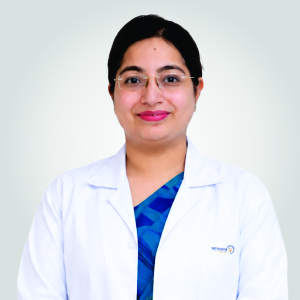
Dr. Shweta Mendiratta
Director & Unit Head - Obstetrics & Gynaecology
MBBS, MS (Obs & Gynae), DNB, CIMP, FICOG
Gynaecology & Obstetrics
Dr. Usha Priyambada
Director - Obstetrics & Gynaecology
MBBS, DGO, DNB, FICOG
Gynaecology & Obstetrics
Dr. Anita Kant
Chairperson - Obstetrics & Gynaecology
MD, FICOG, FICS, PGDMLS
Gynaecology & Obstetrics
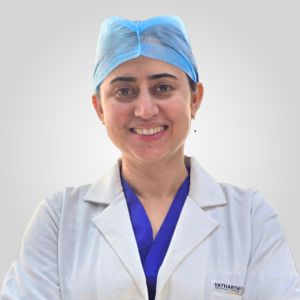
Dr. Blossom Prakash
Director - Obstetrics & Gynecology, Robotic, Laparoscopic Surgeon
MBBS, MS, FMAS, DMAS, FICMCH, FICRS
Gynaecology & Obstetrics


