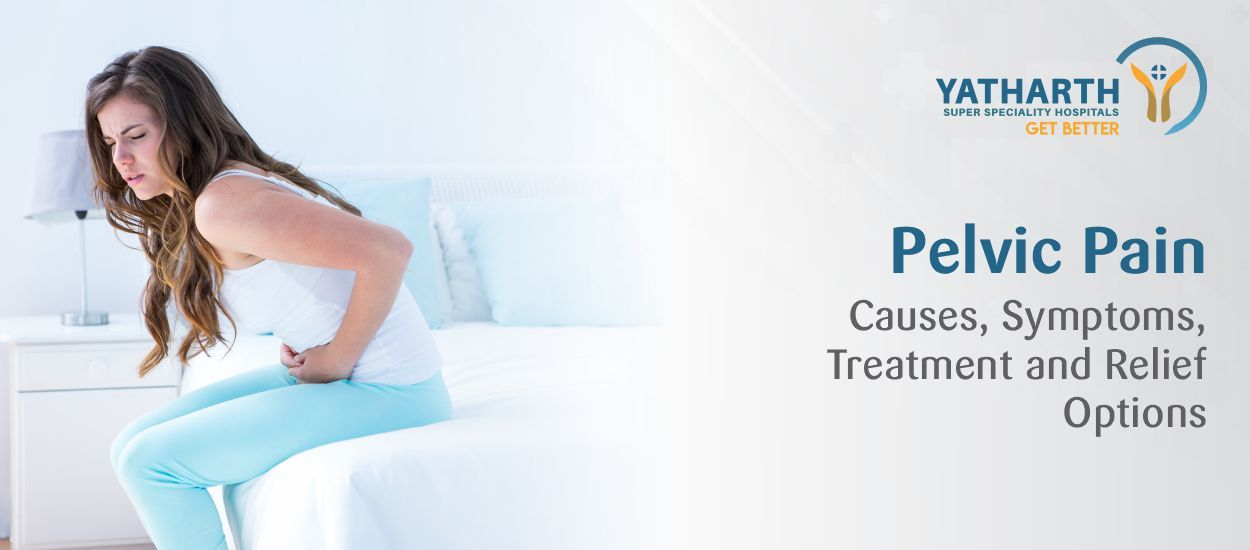


Pelvic pain is a widespread medical issue that involves women of all age groups. It may be anything from a minor, momentary annoyance to an intense ache or a cramping sensation that impairs your daily activities, movement, or general health. The pain may be acute or chronic, depending on the disease.
A lot of folks dismiss pelvic pain at first, believing it has something to do with their period or a temporary muscle strain. Nevertheless, chronic or intense pain in the pelvic area can be a symptom of infection, reproductive health issues, muscular or urinary disorders and other medical conditions and should be consulted with a doctor.
Knowledge of pelvic pain causes, symptoms, and treatment options is essential to facilitate early diagnosis and successful treatment.
What Area Does the Pelvic Pain Affect?
Pelvic pain typically occurs in the lower abdomen, below the navel and above the region between the thighs. The pain can be either in the middle of the pelvis or one-sided. In addition, some have pain radiating to the back, hips, thighs or groin.
The pain can feel like:
- Dull and throbbing
- Cramping
- Burning
Causes of Pelvic Pain
Pelvic pain causes may be numerous and may be due to conditions that are either short-lived or long-term.
Period Cramps (Menstrual Cramps)
Among women, painful periods are the most common cause of pelvic pain.
Urinary Tract Infections
It may also cause pain during urination, with pelvic discomfort and cramping in the abdomen.
Endometriosis
There is an implantation of endometrial tissue outside the uterus. It can lead to incapacitating pelvic pain and can make menstruation very painful (triple dysmenorrhea).
Pelvic Inflammatory Disease (PID)
You may also have fever, foul-smelling discharge, and experience acute pain in your pelvic region.
Digestive Disorders
Constipation, IBS, or bowel inflammation may be the cause of your pelvic pain as well.
Muscle and Nerve Problems
Long-term pelvic pain may be the result of muscle strain, nerve impingement, or pelvic floor dysfunction.
Pregnancy-Related Conditions
Pelvic pain during pregnancy is very common and is mostly due to changing body, stretching ligaments and pressure on pelvic joints and muscles among a few other reasons.
Symptoms of Pelvic Pain
Typical symptoms are:
- Discomfort in lower abdomen
- Pressure in the pelvis
- Painful urination or defecation
- Cramping or soreness
- Pain when exercising
- Pain during intercourse
- Backache in the lower part
- Bloating / distension of the abdomen in women
- Heavy or irregular periods
- Vaginal discharge
- Fatigue
- Pain when ovulating
Serious symptoms including fever, light-headedness, passing out, or excessive bleeding
Pelvic Girdle Pain and its Consequences
Pelvic girdle pain is pain experienced in the joints and ligaments of the pelvis. It is most common during pregnancy, but non-pregnant people may also get it.
Symptoms of pelvic girdle pain can include:
- Pain in the hips and lower back
- Trouble walking or climbing stairs
- Clicking and grinding in the joints of the pelvis
Pelvic girdle pain can usually be well managed with physiotherapy, posture advice and gentle exercise.
Discomfort in the Pelvis during Pregnancy
Pelvic discomfort in pregnancy is relatively common as your body changes to make room for your growing baby.
Pregnancy hormones cause the ligaments and joints in the pelvis to become more relaxed, which can result in pain and pressure. The growing uterus can also compress nearby muscles and nerves.
Typical reasons are:
- Pelvic girdle pain
- Round ligament pain
- Pressing from the growing baby
- Tightened muscles
A mild cramping is usually normal, but if the cramping becomes severe, if you have any bleeding, fever or contractions, you should consult a health care professional immediately.
Pelvic Bone Pain: Causes and Symptoms
Some reasons can be:
- Joint inflammation
- Injury or trauma
- Pregnancy-related pressure
- Arthritis
- Osteoporosis
- Muscle strain
In some cases, the pain in the pelvic bone becomes more intense with movement, standing or when changing position. Some people may also experience stiffness or pain in the hips and lower back.
Correct diagnosis is important, as the pain of the pelvic bone can sometimes be confused with that related to reproductive or digestive organs.
Diagnosis of Pelvic Pain
Assessment methods commonly used include:
- Pelvic examination
- Blood and urine tests
- Ultrasound imaging
- CT scan or MRI
- Pregnancy testing
- Laparoscopy in selected cases
What are the Treatment Options for Pelvic Pain?
Treatment will depend on the condition responsible for the pain-
Medications
Consultant may prescribe:
- Analgesics
- Anti-inflammatory drugs
- Antibiotics for an infection
- Hormonal Therapy for Reproductive Condition
Physical Therapy
Pelvic floor exercises and physical therapy can help relax the muscles and increase movement.
Lifestyle Changes
Simple habits to aid in recovery:
- Regular exercise
- Healthy diet
- Proper hydration
- Get stress under control
- Good posture
- Heat Therapy
- Moist heat such as warm compresses or heating pads can relax muscles and decrease cramping.
Surgical Treatment
In more serious cases, such as cysts, fibroids or endometriosis, surgical treatment may be necessary.
Relief Options for Pelvic Pain
Some home treatments to ease the pain.
Stay Physically Active
Light walking, stretching, and yoga can help stimulate circulation and decrease stiffness.
Manage Stress
Relaxation techniques and meditation have been shown to reduce muscle tension associated with chronic pain.
Avoid Heavy Strain
Heavy lifting and bad posture can make pelvic pain worse.
Supportive Cushions
Pregnant women and those suffering with pelvic girdle pain support belts or cushions can be very helpful.
When to Seek Medical Advice
Consult an expert if you experience:
- Pain becomes severe or does not go away
- Interferes with your normal daily activities
- Pain is accompanied by fever or vomiting
- Pain is associated with heavy bleeding
Early diagnosis can prevent complications and enhance recovery
Conclusion
Pelvic pain is common but overlooked that may be caused by problems related to the reproductive, urinary, gastrointestinal, musculoskeletal, or pregnancy-associated systems. Pelvic pain symptoms, potential causes of pelvic pain, and when to seek care for it might help in preventing long-term consequences.
Be it pelvic girdle pain, pelvic bone pain, or pelvic pain while pregnant, diagnosis and treatment are key in raising quality of life. Individuals can effectively manage discomfort and maintain overall well-being with a combination of healthy lifestyle habits, medical advice, and prompt treatment.