
ACL Reconstruction Surgery is a specialized orthopedic procedure performed to restore stability and function to the knee after an injury to the Anterior Cruciate Ligament (ACL). The ACL is a key ligament that connects the thigh bone (femur) to the shin bone (tibia) and plays a crucial role in knee stability during movement. ACL injuries are common among athletes and physically active individuals and often require surgical reconstruction to enable a full return to activity.
An ACL injury happens when the ligament is torn or overextended, typically as a result of abrupt twisting motions, quick direction changes, incorrect jump landing, or direct knee trauma. Complete ACL tears do not heal on their own and, if untreated, can result in long-term joint damage and recurrent knee instability.oper landing from a jump, or direct trauma to the knee. Complete ACL tears do not heal on their own and may lead to recurrent knee instability and long-term joint damage if left untreated.
The following are typical signs of an ACL injury:
At the time of the injury, sudden knee pain
A popping sound or knee sensation
Swelling: Usually a few hours after an injury
The sensation of the knee "giving way" is known as knee instability.
Limited Motion Range
Having Trouble Walking or Carrying WeightRisk Factors and CausesACL injuries could be caused by:
ACL injuries may result from:
Sudden stopping or change in direction
Pivoting or twisting movements
Improper landing after jumping
High-impact sports such as football, basketball, cricket, or skiing
Weak thigh or core muscles
Previous knee injuries
Grade I: Slight stretching of the ligaments
Grade II: A partial rip
Grade III: Total ligament rupture necessitating surgery
An ACL injury diagnosis entails:
Clinical Examination: Lachman and Pivot Shift stability tests
Imaging tests: MRI to evaluate related injuries and confirm ligament tears
X-rays: To eliminate fractures
Medical History Review: Mechanism and timing of injury
Suggested for people with low activity levels or partial tears
Includes physiotherapy, bracing, pain management, and activity modification
ACL Reconstruction Surgery is advised for complete tears, athletes, or patients with knee instability affecting daily life.
ACL reconstruction involves replacing the damaged ligament with a graft, which may be taken from:
Patient’s own tissue (hamstring tendon, patellar tendon, quadriceps tendon)
Donor tissue (allograft), in selected cases
The surgery is typically performed using arthroscopic (keyhole) techniques, ensuring minimal tissue damage and faster recovery.
Minimally invasive procedure
Less scarring and smaller incisions
Reduced postoperative pain Decreased pain following surgery
Quicker recovery
Enhanced knee function and stability
Reduced chance of long-term joint damage
Preoperative Evaluation: Blood tests, imaging, and anesthesia assessment
Physiotherapy, or "Prehab," is the process of strengthening and reducing swelling prior to surgery.
Medication: Pay attention to any directions regarding supplements or blood thinners.
Fasting: Avoid food and liquids for 6–8 hours before surgery
Hospital Stay: Usually 1–2 days
Pain Management: Medications as prescribed
Physiotherapy: Begins soon after surgery and is essential for recovery
Knee brace: For initial assistance, it might be recommended.
Wound Care: Follow-up visits for dressing and suture removal Wound care: follow-up appointments for suture removal and dressing
Following ACL reconstruction, recovery is methodical and gradual:
Basic mobility and pain management for two to four weeks
6–12 Weeks: Improvement in strength and range of motion
4–6 months: Sports-specific training and advanced strengthening
Return to sports after six to nine months, depending on a functional evaluation
For the best results, physiotherapy adherence is essential.
An illness
Knee stiffness
Graft failure or re-injury
clots of blood
Prolonged discomfort or edema
Risks are greatly decreased by early rehabilitation and skilled surgical technique.
Our orthopedic specialists at Yatharth Hospital provide exceptional results for ACL injuries by combining cutting-edge arthroscopic technology with evidence-based surgical expertise. We guarantee a safe recovery and long-term knee health with individualized treatment plans and extensive rehabilitation support
India’s leading specialists.

MBBS, MD, DM
Rheumatology and Orthopaedics
Rheumatology

MBBS, MD (General Medicine), DM (Clinical Immunology & Rheumatology)
Orthopaedics & Spine
Rheumatology

MBBS, MS (Ortho)
Orthopaedics & Spine
Robotic Surgery
Knee Replacement

MBBS, DNB, MCh
Orthopaedics & Spine
Robotic Surgery
Knee Replacement

MBBS, DNB (Orthopaedics)
Orthopaedics & Spine
Knee Replacement
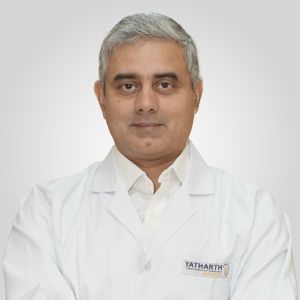
MBBS, MS, MCH, FRCS
Orthopaedics & Spine
Robotic Surgery
Knee Replacement

MBBS, MS (Orthopaedics), DNB (Orthopedics)
Orthopaedics & Spine
Robotic Surgery
Knee Replacement
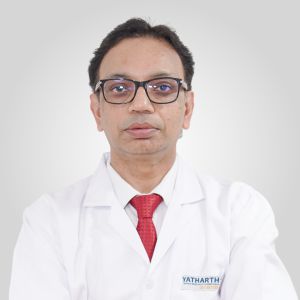
MBBS, MS (Orthopedics)
Orthopaedics & Spine
Knee Replacement
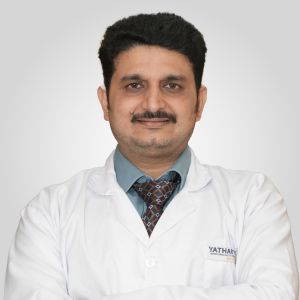
DNB (Ortho), D. Ortho, MNAMS (Ortho)
Orthopaedics & Spine
Knee Replacement

MBBS, DNB (Orthopaedics)
Orthopaedics & Spine
Knee Replacement
Becoming a mother again at 40 was emotional, but I felt completely safe in the hands of Dr. Sonal Bathla. Nancy Chadha shares her...

Becoming a mother again at 40 was emotional, but I felt completely safe in the h...

This video highlights the successful outcome of a Complex Total Knee Replacement...

Meet Mr. Satish Chand Chawla, who underwent HOLEP – Holmium Laser Enucleation ...
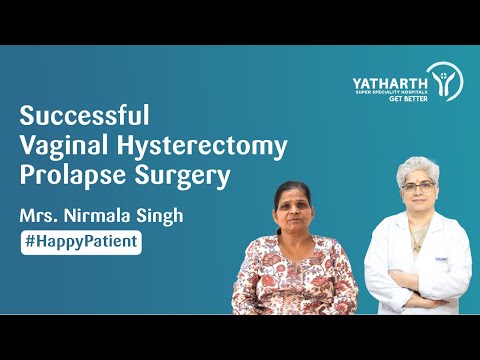
Meet Mrs. Nirmala Singh, who underwent a Successful Vaginal Hysterectomy Prolaps...
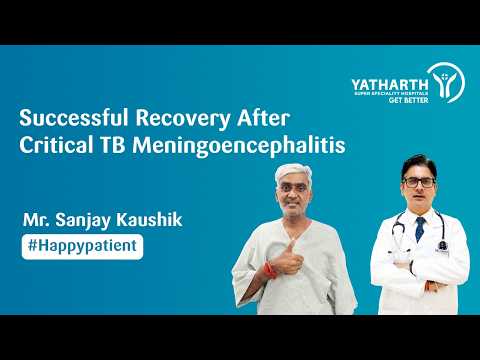
Mr. Sanjay Kaushik’s journey is a powerful story of hope and recovery after ba...

Knee pain is a common problem caused by a sudden injury or by an underlying problem like arthritis. Knee pain can affect...
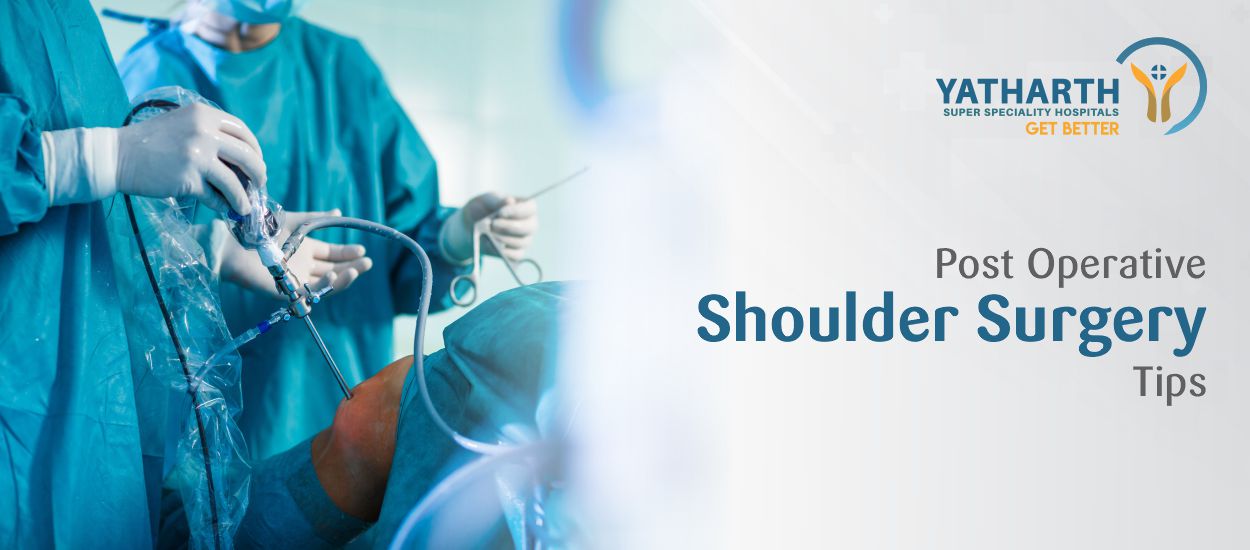
The shoulder is the complex joint responsible for much more movements than any other joint in the body so we are sharing...

A rheumatologist is an internist or paediatrician who received further training in the diagnosis (detection), and treatm...


