Best Pulmonology Hospital in India
The respiratory system plays a vital role in maintaining overall health by supplying oxygen to the body and removing carbon dioxide. The lungs, airways and associated respiratory structures work continuously to support breathing and ensure that every organ receives the oxygen it needs to function properly.
However, respiratory health can be affected by several conditions, including asthma, chronic obstructive pulmonary disease (COPD), pneumonia, tuberculosis, interstitial lung disease, lung infections, sleep-related breathing disorders and lung cancer. Increasing air pollution, smoking, occupational exposure, allergies, lifestyle changes and environmental factors can further contribute to respiratory problems.
Choosing the right hospital for respiratory care is important, particularly when a patient requires specialised diagnosis, long-term disease management, advanced pulmonary procedures or critical care support.
If you are searching for the best pulmonology hospital in India, it is important to consider the expertise of pulmonologists, availability of advanced diagnostic facilities, pulmonary function testing, interventional pulmonology services, respiratory intensive care and multidisciplinary treatment options.
Yatharth Hospital provides comprehensive healthcare services through its Centre for Chest and Respiratory Diseases, focusing on the diagnosis and management of a wide range of lung and respiratory conditions.
The hospital's pulmonology services cover clinical pulmonology, critical care, respiratory infections, interstitial lung diseases, pulmonary vascular disorders, occupational and environmental lung diseases and other complex respiratory conditions.
Whether you are experiencing persistent coughing, breathing difficulties, chest congestion, wheezing, sleep disturbances or recurring lung infections, timely consultation with a qualified pulmonologist can help identify the underlying condition and determine an appropriate treatment approach.
Why Choose Yatharth Hospital for Pulmonology and Lung Treatment in India?
Selecting a hospital for respiratory treatment involves more than consulting a chest specialist. Patients may require specialised investigations, advanced respiratory support, interventional procedures, intensive care and long-term pulmonary rehabilitation.
Yatharth Hospital focuses on providing comprehensive respiratory healthcare through specialised medical evaluation and coordinated treatment.
Experienced Pulmonologists and Respiratory Specialists
Pulmonologists specialise in diagnosing and managing diseases affecting the lungs, airways and respiratory system. They evaluate symptoms, interpret diagnostic reports and recommend appropriate treatment based on the patient's condition.
Comprehensive Respiratory Disease Management
The hospital's Centre for Chest and Respiratory Diseases focuses on evaluating and managing different respiratory conditions, including asthma, COPD, pneumonia, interstitial lung disease, pulmonary infections and respiratory failure.
Advanced Pulmonary Diagnostic Facilities
Accurate diagnosis is essential for effective respiratory treatment. Pulmonary investigations may include pulmonary function tests, spirometry, chest X-rays, CT scans, bronchoscopy, sleep studies and other specialised investigations based on clinical requirements.
Interventional Pulmonology
Interventional pulmonology involves specialised minimally invasive procedures used to diagnose and treat selected lung, airway and pleural conditions.
Procedures such as bronchoscopy and other advanced bronchoscopic interventions may help evaluate respiratory abnormalities and support appropriate treatment.
Respiratory Critical Care Support
Severe respiratory conditions can affect the body's ability to maintain adequate oxygen levels. Patients with acute respiratory failure, severe pneumonia or acute respiratory distress syndrome (ARDS) may require specialised monitoring and intensive care.
Yatharth Hospital provides critical care services for patients requiring advanced medical support.
Pulmonary Rehabilitation
Pulmonary rehabilitation plays an important role in improving functional capacity and quality of life in patients with certain chronic respiratory conditions.
It may involve supervised exercise, breathing techniques, education, nutritional guidance and strategies to manage respiratory symptoms.
Multidisciplinary Treatment Approach
Complex respiratory conditions may require coordinated care involving pulmonologists, critical care specialists, thoracic surgeons, oncologists, radiologists, physiotherapists and other healthcare professionals.
This collaborative approach helps support patients with multiple medical requirements.
Pulmonology Services Available at Yatharth Hospital
Pulmonology involves the diagnosis, treatment and long-term management of conditions affecting the lungs, airways and respiratory system.
Yatharth Hospital provides specialised respiratory healthcare services through its Centre for Chest and Respiratory Diseases. The department focuses on early diagnosis, medical management, specialised interventions and rehabilitation for patients with respiratory disorders.
Clinical Pulmonology
Clinical pulmonology focuses on diagnosing and treating respiratory conditions through medications, respiratory therapies, lifestyle modifications and regular monitoring.
Common conditions evaluated and managed include:
- Asthma
- Chronic Obstructive Pulmonary Disease (COPD)
- Chronic bronchitis
- Emphysema
- Pneumonia
- Tuberculosis
- Bronchiectasis
- Interstitial Lung Disease (ILD)
- Pulmonary fibrosis
- Allergic respiratory disorders
- Chronic cough
- Pleural diseases
- Pulmonary hypertension
- Respiratory infections
The treatment approach depends on the underlying cause, disease severity, lung function and overall health of the patient.
Interventional Pulmonology
Interventional pulmonology focuses on minimally invasive procedures used to diagnose and manage selected complex respiratory conditions.
These procedures help pulmonologists examine the airways, collect tissue samples, evaluate abnormalities and perform certain therapeutic interventions.
Common interventional pulmonology procedures include:
Bronchoscopy
Bronchoscopy is a procedure in which a thin, flexible tube with a camera is inserted through the nose or mouth to examine the airways and lungs.
It may be recommended for:
- Persistent or unexplained cough
- Suspected lung infections
- Unexplained lung abnormalities
- Airway obstruction
- Suspected lung tumours
- Collection of respiratory samples
- Evaluation of unexplained bleeding from the respiratory tract
Endobronchial Ultrasound (EBUS)
EBUS is an advanced bronchoscopic technique that uses ultrasound to examine structures surrounding the airways, particularly lymph nodes within the chest.
It helps doctors obtain tissue samples from selected lymph nodes and evaluate suspected lung cancer, infections and other chest conditions.
Bronchoalveolar Lavage (BAL)
BAL is a diagnostic procedure performed during bronchoscopy. A small amount of sterile fluid is introduced into a section of the lung and then collected for laboratory examination.
It may help identify certain infections, inflammatory conditions and other pulmonary disorders.
Transbronchial Lung Biopsy
This procedure involves collecting small tissue samples from lung tissue through a bronchoscope. It may help diagnose selected interstitial lung diseases, infections and suspected lung abnormalities.
Pleural Procedures
Specialised procedures may be used to evaluate and manage pleural conditions, including fluid accumulation around the lungs.
These may include diagnostic thoracentesis, pleural fluid drainage and selected pleural interventions.
Pulmonary Function Testing (PFT)
Pulmonary function tests are important diagnostic investigations used to evaluate how well the lungs function.
These tests measure lung capacity, airflow, gas exchange and other aspects of respiratory performance.
Common pulmonary function tests include:
- Spirometry: Measures the amount of air a person can inhale and exhale and how quickly air can be expelled.
- Lung Volume Testing: Measures the total amount of air present in the lungs after different breathing phases.
- Diffusion Capacity Test (DLCO): Evaluates how effectively oxygen passes from the lungs into the bloodstream.
- Peak Expiratory Flow Rate (PEFR): Measures how quickly a person can force air out of the lungs.
- Bronchodilator Reversibility Testing: Evaluates changes in airflow after using a bronchodilator medication.
- Exercise Testing: Assesses respiratory and cardiovascular responses to physical activity in selected patients.
These investigations help doctors diagnose asthma, COPD, restrictive lung diseases and other respiratory abnormalities.
Sleep Medicine and Sleep-Related Breathing Disorders
Sleep medicine focuses on identifying and treating breathing problems and other conditions that interfere with healthy sleep.
Obstructive sleep apnoea is one of the most common sleep-related breathing disorders. It occurs when the upper airway repeatedly becomes partially or completely blocked during sleep, resulting in interruptions in breathing.
Common sleep-related conditions include:
- Obstructive Sleep Apnoea (OSA)
- Central Sleep Apnoea
- Sleep-related hypoventilation
- Sleep-related oxygen desaturation
- Obesity hypoventilation syndrome
- Snoring associated with sleep-disordered breathing
Common diagnostic and treatment approaches may include:
- Polysomnography (Sleep Study)
- Home Sleep Apnoea Testing in selected patients
- Continuous Positive Airway Pressure (CPAP) therapy
- Bilevel Positive Airway Pressure (BiPAP) therapy
- Weight management
- Lifestyle modifications
- Follow-up sleep monitoring
Respiratory Critical Care
Some respiratory conditions can become severe and may require immediate medical intervention and intensive care support.
Respiratory critical care focuses on treating patients who experience serious breathing difficulties, low oxygen levels, severe lung infections or respiratory failure.
Conditions requiring respiratory critical care may include:
- Acute Respiratory Distress Syndrome (ARDS)
- Acute respiratory failure
- Severe pneumonia
- Severe COPD exacerbations
- Complicated respiratory infections
- Acute lung injury
- Severe asthma attacks
- Respiratory complications associated with multisystem disorders
Treatment may involve oxygen therapy, non-invasive ventilation, invasive mechanical ventilation, medication and continuous monitoring, depending on the patient's condition.
Interstitial Lung Disease Management
Interstitial Lung Disease (ILD) refers to a group of disorders that cause inflammation, scarring or damage to the lung tissue surrounding the air sacs.
These conditions can interfere with oxygen transfer and lead to progressive breathing difficulties.
Common types of ILD include:
- Idiopathic Pulmonary Fibrosis (IPF)
- Hypersensitivity Pneumonitis
- Connective Tissue Disease-Associated ILD
- Occupational Interstitial Lung Disease
- Sarcoidosis
- Drug-induced lung disease
Diagnosis may involve pulmonary function testing, high-resolution CT scans, blood investigations and selected bronchoscopic or biopsy procedures.
Treatment depends on the underlying type and may include medications, oxygen therapy, pulmonary rehabilitation and regular monitoring.
Pulmonary Rehabilitation
Pulmonary rehabilitation is a supervised programme designed to improve breathing capacity, physical endurance and overall quality of life in people with chronic respiratory diseases.
It may be recommended for patients with COPD, ILD and other chronic lung conditions.
A pulmonary rehabilitation programme may include:
- Breathing exercises
- Supervised physical activity
- Respiratory muscle training
- Energy conservation techniques
- Nutritional counselling
- Education about disease management
- Inhaler technique training
The programme is tailored to the patient's respiratory condition and physical capacity.
Allergy and Environmental Respiratory Disease Management
Environmental factors, allergens and occupational exposure can trigger or worsen several respiratory conditions.
These may include:
- Allergic asthma
- Occupational asthma
- Allergic bronchitis
- Environmental lung disease
- Hypersensitivity pneumonitis
- Irritant-induced airway disorders
Management focuses on identifying triggers, reducing exposure, controlling inflammation and improving respiratory function.
Pulmonary Vascular Disease Management
Pulmonary vascular diseases affect the blood vessels responsible for transporting blood between the heart and lungs.
Common conditions include:
- Pulmonary hypertension
- Pulmonary embolism
- Chronic thromboembolic pulmonary hypertension
- Pulmonary vascular disorders
These conditions may cause breathlessness, chest discomfort, fatigue, dizziness and reduced exercise capacity.
Diagnosis and treatment may require coordinated evaluation by pulmonologists, cardiologists and other specialists.
Thoracic and Lung Cancer Evaluation
Lung cancer develops when abnormal cells grow uncontrollably in lung tissue. Early diagnosis is important for identifying the cancer type and determining appropriate treatment options.
Pulmonologists play an important role in evaluating suspicious lung abnormalities, obtaining tissue samples through appropriate procedures and coordinating care with oncology and thoracic surgery teams.
Diagnostic approaches may include chest imaging, bronchoscopy, EBUS-guided sampling and biopsy, depending on the patient's condition.
Common Respiratory and Lung Diseases Treated at Yatharth Hospital
Respiratory diseases can affect the airways, lung tissue, pleura and blood vessels associated with the lungs. Some conditions develop gradually, while others may cause sudden breathing difficulties and require immediate medical attention.
The pulmonology team at Yatharth Hospital focuses on evaluating and managing a range of respiratory conditions.
Asthma
Asthma is a chronic respiratory condition in which the airways become inflamed and narrowed, making breathing difficult. Symptoms may worsen due to allergens, air pollution, respiratory infections, exercise or other environmental triggers.
Common symptoms:
- Wheezing while breathing
- Shortness of breath
- Chest tightness
- Recurrent coughing
- Night-time or early morning coughing
- Breathing difficulties during physical activity
Treatment: Asthma management may include inhaled corticosteroids, bronchodilators, trigger avoidance, inhaler education and regular monitoring. Selected patients with severe asthma may benefit from advanced therapies such as biologic medications.
Chronic Obstructive Pulmonary Disease (COPD)
COPD is a chronic lung disease that causes airflow obstruction and makes breathing increasingly difficult. It commonly includes chronic bronchitis and emphysema.
Smoking is a major risk factor, although long-term exposure to air pollution, biomass fuel smoke, dust and occupational pollutants can also contribute.
Common symptoms:
- Persistent cough
- Excessive mucus production
- Breathlessness
- Wheezing
- Chest tightness
- Frequent respiratory infections
- Reduced exercise tolerance
Treatment: COPD management may involve inhaled medications, bronchodilators, smoking cessation, vaccinations, pulmonary rehabilitation and oxygen therapy in selected patients.
Pneumonia
Pneumonia is an infection that causes inflammation in the air sacs of one or both lungs. The air sacs may fill with fluid or pus, making breathing difficult.
It can be caused by bacteria, viruses and fungi.
Common symptoms:
- Fever and chills
- Persistent cough
- Chest pain while breathing or coughing
- Shortness of breath
- Fatigue
- Mucus production
- Low oxygen levels in severe cases
Treatment: Treatment depends on the cause and severity. It may include antibiotics for bacterial infections, antiviral treatment in selected cases, oxygen support, fluids and hospitalisation when necessary.
Tuberculosis (TB)
Tuberculosis is an infectious disease caused by Mycobacterium tuberculosis. It most commonly affects the lungs, although it can also involve other parts of the body.
Common symptoms:
- Cough lasting more than two weeks
- Coughing up blood
- Fever
- Night sweats
- Unexplained weight loss
- Loss of appetite
- Persistent fatigue
Treatment: TB is treated using a combination of specific anti-tuberculosis medications over a prescribed duration. Completing the full treatment course is essential to prevent relapse and drug resistance.
Interstitial Lung Disease (ILD)
Interstitial Lung Disease refers to a group of disorders that cause inflammation or scarring of the lung tissue. These changes can make it difficult for oxygen to pass into the bloodstream.
Common symptoms:
- Progressive breathlessness
- Persistent dry cough
- Fatigue
- Reduced exercise tolerance
- Unexplained weight loss
- Low oxygen levels
Treatment: Depending on the underlying cause, treatment may involve anti-inflammatory medications, antifibrotic therapy, oxygen support, pulmonary rehabilitation and regular monitoring.
Pulmonary Fibrosis
Pulmonary fibrosis is a condition in which lung tissue becomes thickened and scarred. The scarring reduces the ability of the lungs to transfer oxygen efficiently.
Common symptoms:
- Gradually worsening breathlessness
- Persistent dry cough
- Fatigue
- Reduced ability to exercise
- Clubbing of fingers in some patients
Treatment: Treatment may include antifibrotic medications in eligible patients, oxygen therapy, pulmonary rehabilitation and monitoring of lung function.
Bronchiectasis
Bronchiectasis is a chronic condition in which the airways become permanently widened and damaged. This can cause mucus accumulation and repeated respiratory infections.
Common symptoms:
- Persistent cough
- Excessive mucus production
- Recurrent chest infections
- Breathlessness
- Wheezing
- Blood in sputum in some cases
Treatment: Management may include airway clearance techniques, medications, treatment of infections, pulmonary rehabilitation and management of underlying causes.
Obstructive Sleep Apnoea (OSA)
Obstructive sleep apnoea is a sleep-related breathing disorder in which the upper airway repeatedly becomes blocked during sleep, causing temporary interruptions in breathing.
Common symptoms:
- Loud and frequent snoring
- Pauses in breathing during sleep
- Gasping or choking during sleep
- Morning headaches
- Excessive daytime sleepiness
- Difficulty concentrating
- Unrefreshing sleep
Treatment: Treatment may include CPAP therapy, weight management, positional therapy and other interventions depending on the severity and cause of the condition.
Pulmonary Hypertension
Pulmonary hypertension refers to increased blood pressure in the arteries supplying the lungs. It places additional strain on the right side of the heart.
Common symptoms:
- Breathlessness during activity
- Fatigue
- Chest discomfort
- Dizziness
- Fainting
- Swelling in the legs or ankles
Treatment: Management depends on the underlying type and cause. It may include specialised medications, oxygen support and treatment of associated heart or lung conditions.
Pleural Effusion
Pleural effusion occurs when excess fluid accumulates in the space between the lungs and the chest wall.
It may develop due to infections, heart failure, liver disease, kidney disease, cancer or other medical conditions.
Common symptoms:
- Breathlessness
- Chest pain
- Dry cough
- Difficulty taking deep breaths
- Chest heaviness
Treatment: Treatment focuses on identifying the underlying cause. Depending on the patient's condition, it may involve medications, thoracentesis or chest tube drainage.
Lung Cancer
Lung cancer develops when abnormal cells grow uncontrollably in lung tissue. It may affect the airways or different parts of the lungs.
Smoking is a major risk factor, although lung cancer can also develop in people who have never smoked.
Common symptoms:
- Persistent or worsening cough
- Coughing up blood
- Chest pain
- Breathlessness
- Unexplained weight loss
- Recurrent respiratory infections
- Persistent fatigue
Treatment: Treatment depends on the type, stage and molecular characteristics of the cancer. It may involve surgery, chemotherapy, radiation therapy, targeted therapy or immunotherapy.
Acute Respiratory Distress Syndrome (ARDS)
ARDS is a serious condition in which widespread inflammation causes fluid accumulation in the lungs, resulting in severely impaired oxygen exchange.
It may develop due to severe infections, sepsis, pneumonia, trauma or other serious medical conditions.
Common symptoms:
- Severe shortness of breath
- Rapid breathing
- Low oxygen levels
- Extreme fatigue
- Bluish discolouration of the lips or skin in severe cases
Treatment: ARDS requires urgent hospital-based care and may involve oxygen therapy, mechanical ventilation, intensive care monitoring and treatment of the underlying cause.
Chronic Bronchitis
Chronic bronchitis is a form of COPD characterised by long-term inflammation of the bronchial tubes and excessive mucus production.
Common symptoms:
- Persistent productive cough
- Mucus production
- Wheezing
- Chest congestion
- Frequent respiratory infections
- Breathlessness
Treatment: Management may include inhaled medications, bronchodilators, smoking cessation, pulmonary rehabilitation and appropriate respiratory support.
Common Symptoms of Lung and Respiratory Diseases You Should Never Ignore
Respiratory symptoms may develop gradually or appear suddenly. Persistent symptoms should be evaluated by a pulmonologist to identify their underlying cause.
Persistent Cough
A cough that continues for several weeks may be associated with asthma, COPD, tuberculosis, respiratory infections, GERD or other lung conditions.
Shortness of Breath
Breathlessness during routine activities, exercise or even while resting may indicate an underlying respiratory or cardiovascular condition.
Wheezing
Wheezing is a whistling sound produced when air moves through narrowed airways. It is commonly associated with asthma and COPD.
Chest Tightness
A feeling of pressure or tightness in the chest may occur due to airway narrowing, respiratory infections or other pulmonary conditions. Chest tightness can also be a sign of heart disease and requires appropriate assessment.
Coughing Up Blood
Blood in sputum may occur due to infections, tuberculosis, bronchiectasis, pulmonary embolism or lung cancer. It requires prompt medical evaluation.
Excessive Mucus Production
Frequent production of mucus or phlegm may indicate chronic bronchitis, bronchiectasis or respiratory infection.
Recurrent Chest Infections
Repeated episodes of pneumonia or bronchitis may indicate an underlying respiratory condition that requires further investigation.
Loud Snoring and Daytime Sleepiness
Frequent loud snoring, interrupted breathing during sleep and excessive daytime tiredness may indicate obstructive sleep apnoea.
Unexplained Fatigue
Chronic respiratory conditions may reduce oxygen availability and physical endurance, resulting in persistent fatigue.
Bluish Discolouration of Lips or Fingertips
Bluish discolouration, known as cyanosis, can indicate inadequate oxygen levels in the blood and requires emergency medical assessment.
Medical emergency: Severe breathing difficulty, sudden chest pain, blue lips, confusion, fainting or coughing up significant amounts of blood requires immediate emergency medical assistance.
Advanced Diagnostic Tests for Lung and Respiratory Diseases
Accurate diagnosis is important for understanding lung function, identifying respiratory abnormalities and selecting appropriate treatment.
Yatharth Hospital's Centre for Chest and Respiratory Diseases has a pulmonary function laboratory and offers specialised respiratory evaluation. Depending on the patient's symptoms and clinical condition, the pulmonologist may recommend the following investigations.
|
Diagnostic Test |
Purpose |
|
Spirometry |
Measures airflow and helps diagnose obstructive respiratory conditions such as asthma and COPD. |
|
Pulmonary Function Test (PFT) |
Evaluates lung capacity, airflow and respiratory function. |
|
Chest X-ray |
Helps identify pneumonia, lung abnormalities and certain chest conditions. |
|
High-Resolution CT (HRCT) Chest |
Provides detailed images of lung tissue and helps evaluate ILD and other pulmonary abnormalities. |
|
CT Pulmonary Angiography |
Helps identify pulmonary embolism and abnormalities in pulmonary blood vessels. |
|
Bronchoscopy |
Allows direct examination of the airways and collection of respiratory samples. |
|
EBUS |
Helps examine chest lymph nodes and obtain tissue samples from selected areas. |
|
Bronchoalveolar Lavage (BAL) |
Collects respiratory samples to investigate certain lung infections and inflammatory conditions. |
|
Arterial Blood Gas (ABG) |
Measures oxygen, carbon dioxide and acid-base balance in arterial blood. |
|
Pulse Oximetry |
Measures oxygen saturation in the blood using a sensor. |
|
Polysomnography |
Evaluates breathing patterns, oxygen levels and sleep-related disorders. |
|
Sputum Examination |
Helps identify certain bacterial, fungal and tuberculosis infections. |
|
Six-Minute Walk Test |
Evaluates functional exercise capacity and changes in oxygen saturation during walking. |
Not every patient requires all these investigations. The pulmonologist selects diagnostic tests based on the suspected disease and individual medical requirements.
Advanced Treatment Options for Respiratory Diseases at Yatharth Hospital
Treatment for respiratory diseases depends on the underlying condition, severity of symptoms, lung function and overall health of the patient.
Yatharth Hospital focuses on appropriate medical management, respiratory interventions and supportive care based on individual clinical requirements.
Medical Management of Respiratory Diseases
Many respiratory conditions can be managed through medications and regular monitoring.
Medical treatment may include:
- Bronchodilators to relax airway muscles.
- Inhaled corticosteroids to reduce airway inflammation.
- Antibiotics for bacterial respiratory infections.
- Antiviral medications for selected viral infections.
- Anti-tuberculosis medications for TB.
- Antifibrotic medications for eligible patients with pulmonary fibrosis.
- Medicines for selected pulmonary vascular conditions.
- Allergy management medications.
The choice of medication depends on the patient's diagnosis and should always be guided by a qualified doctor.
Oxygen Therapy
Oxygen therapy provides additional oxygen to patients who have low oxygen levels in their blood due to certain respiratory or medical conditions.
It may be recommended for patients with advanced COPD, interstitial lung disease, respiratory failure and other conditions associated with hypoxaemia.
Oxygen therapy can be provided through different delivery systems depending on the patient's requirements.
Non-Invasive Ventilation (NIV)
Non-invasive ventilation provides breathing support through a mask without requiring an invasive breathing tube.
Common forms include:
- Continuous Positive Airway Pressure (CPAP).
- Bilevel Positive Airway Pressure (BiPAP).
NIV may be recommended for selected patients with COPD exacerbations, sleep-related breathing disorders, and certain cases of respiratory failure.
Mechanical Ventilation
Mechanical ventilation is a form of respiratory support used when a patient cannot maintain adequate breathing independently.
It may be required in patients with severe pneumonia, ARDS, acute respiratory failure and other critical conditions.
Ventilator support is provided in an intensive care setting with continuous medical monitoring.
Bronchoscopy and Interventional Pulmonology Procedures
Bronchoscopy allows pulmonologists to examine the airways and perform selected diagnostic and therapeutic procedures.
It may be used for:
- Collection of lung tissue samples.
- Evaluation of airway abnormalities.
- Removal of certain airway obstructions.
- Investigation of unexplained respiratory symptoms.
- Evaluation of suspected lung infections.
- Selected therapeutic airway interventions.
Pleural Fluid Drainage
Excess fluid around the lungs can cause breathlessness and chest discomfort.
Pleural fluid drainage procedures may be recommended to remove accumulated fluid, improve breathing and help identify the underlying cause.
Depending on the condition, procedures may include thoracentesis, chest tube insertion and selected pleural interventions.
Pulmonary Rehabilitation
Pulmonary rehabilitation is designed to help patients with chronic respiratory conditions improve exercise capacity, breathing efficiency and daily functioning.
It may include supervised exercise, breathing exercises, respiratory education and nutritional guidance.
Critical Care and Respiratory Support
Patients with severe respiratory infections, acute lung injury, respiratory failure or ARDS may require specialised critical care.
Treatment may include:
- Continuous oxygen monitoring.
- Advanced oxygen delivery systems.
- Non-invasive ventilation.
- Mechanical ventilation.
- Management of severe infections.
- Haemodynamic monitoring.
- Multidisciplinary intensive care support.
Treatment of Lung Cancer
Lung cancer treatment depends on the type of cancer, stage, molecular characteristics and overall health of the patient.
Available treatment approaches may include:
- Surgical removal of lung tumours.
- Chemotherapy.
- Radiation therapy.
- Targeted therapy.
- Immunotherapy.
- Palliative and supportive care.
Pulmonologists may contribute to diagnosis through bronchoscopy, EBUS and biopsy procedures and coordinate further treatment with oncology and thoracic surgery specialists.
How to Maintain Healthy Lungs and Respiratory Health
Maintaining healthy lungs requires a combination of preventive care, healthy lifestyle choices and avoiding exposure to respiratory irritants.
Here are some important ways to protect your respiratory health.
Avoid Smoking and Tobacco
Smoking damages lung tissue, reduces lung function and increases the risk of COPD, lung cancer and other respiratory conditions. Avoiding tobacco is one of the most important steps towards maintaining healthy lungs.
Protect Yourself from Air Pollution
Air pollution can irritate the airways and worsen existing respiratory conditions.
During periods of poor air quality:
- Reduce prolonged outdoor activities.
- Avoid exercising near heavy traffic.
- Use a well-fitting N95 mask when appropriate.
- Keep indoor spaces adequately ventilated.
- Follow local air quality advisories.
Exercise Regularly
Regular physical activity helps improve cardiovascular fitness, respiratory endurance and overall physical health.
People with chronic lung diseases should consult their doctor before starting an exercise programme.
Maintain Good Indoor Air Quality
Keep indoor spaces clean, reduce dust accumulation, ensure appropriate ventilation and minimise exposure to smoke, strong fragrances and other respiratory irritants.
Follow a Balanced Diet
A balanced diet containing fruits, vegetables, whole grains, protein and essential nutrients supports overall health and helps maintain a healthy immune system.
Stay Hydrated
Adequate hydration helps maintain normal mucus consistency and supports overall respiratory health.
Get Recommended Vaccinations
Vaccination against influenza, pneumococcal disease and other preventable infections, as recommended by your doctor, can help reduce the risk of certain respiratory infections and their complications.
Practise Good Respiratory Hygiene
Cover your mouth and nose while coughing or sneezing, wash your hands regularly and avoid close contact with people who have contagious respiratory infections.
Manage Existing Respiratory Conditions
Patients with asthma, COPD or other chronic lung diseases should follow their prescribed treatment plans, use inhalers correctly and attend regular follow-up consultations.
Schedule Regular Respiratory Check-ups
People with a history of smoking, occupational dust exposure, chronic coughing, recurring respiratory infections or persistent breathlessness may benefit from appropriate pulmonary evaluation.
When Should You Consult a Pulmonologist?
You should consider consulting a pulmonologist if you experience persistent or recurring respiratory symptoms that affect your daily activities.
A specialist consultation may be recommended if you have:
- A cough lasting more than three weeks.
- Frequent wheezing or chest tightness.
- Shortness of breath during routine activities.
- Recurrent pneumonia or chest infections.
- Blood in sputum.
- Persistent mucus production.
- A history of asthma or COPD.
- Exposure to dust, chemicals or occupational pollutants.
- Loud snoring or suspected sleep apnoea.
- Abnormal pulmonary function test results.
- A history of tuberculosis or interstitial lung disease.
- Unexplained low oxygen levels.
Early diagnosis can help identify respiratory disorders and determine whether medication, specialised pulmonary investigations, respiratory support or interventional procedures are required.
Comprehensive Pulmonology Care at Yatharth Hospital, India
Yatharth Hospital's Centre for Chest and Respiratory Diseases focuses on comprehensive evaluation and management of different lung and respiratory conditions.
The centre provides clinical evaluation, diagnostic services, respiratory treatment and specialised care for patients with both acute and chronic pulmonary disorders.
Its respiratory care services cover conditions such as asthma, COPD, interstitial lung disease, pulmonary hypertension, occupational and environmental lung diseases, pleural disorders, respiratory infections and respiratory failure.
The hospital also focuses on specialised pulmonary investigations, interventional procedures, critical care management and pulmonary rehabilitation to support patients with different respiratory healthcare requirements.
With a multidisciplinary approach involving pulmonologists, critical care specialists and other healthcare professionals, Yatharth Hospital aims to support patients throughout their respiratory healthcare journey.
If you are looking for the best pulmonology hospital in India, consult the pulmonology team at Yatharth Hospital for specialised evaluation, diagnosis and treatment based on your respiratory health needs.
Frequently Asked Questions (FAQs)
Which is the best pulmonology hospital in India?
The best pulmonology hospital should provide comprehensive respiratory healthcare, experienced pulmonologists, advanced diagnostic facilities, pulmonary function testing, interventional pulmonology, respiratory critical care and rehabilitation services. Yatharth Hospital provides specialised respiratory healthcare through its Centre for Chest and Respiratory Diseases, covering a wide range of lung and respiratory conditions.
What does a pulmonologist treat?
A pulmonologist specialises in diagnosing and treating diseases affecting the lungs and respiratory system. Common conditions include asthma, COPD, pneumonia, tuberculosis, interstitial lung disease, pulmonary fibrosis, bronchiectasis, sleep apnoea, pulmonary hypertension and respiratory failure.
When should I consult a pulmonologist?
You should consult a pulmonologist if you experience persistent coughing, breathlessness, wheezing, chest tightness, recurrent respiratory infections, excessive mucus production or coughing up blood. People with chronic lung conditions may also require regular consultations.
What are the common symptoms of lung diseases?
Common symptoms include persistent coughing, shortness of breath, wheezing, chest discomfort, excessive mucus production, fatigue, recurrent respiratory infections and reduced exercise capacity. Some respiratory conditions may develop gradually without noticeable early symptoms.
What is the difference between a pulmonologist and a general physician?
A general physician manages a wide range of medical conditions affecting different body systems. A pulmonologist is a specialist who focuses specifically on respiratory diseases, lung function, airway disorders and complex pulmonary conditions.
What diagnostic tests are used to detect lung diseases?
Common respiratory investigations include spirometry, pulmonary function tests, chest X-rays, HRCT scans, bronchoscopy, EBUS, arterial blood gas analysis, pulse oximetry, sleep studies and sputum examination. The pulmonologist recommends appropriate tests based on the patient's symptoms and medical history.
What is a pulmonary function test (PFT)?
A pulmonary function test is a group of breathing tests used to assess how well the lungs work. It measures lung capacity, airflow and the ability of the lungs to transfer oxygen into the bloodstream. PFTs are commonly used to evaluate asthma, COPD and other respiratory conditions.
Can asthma be cured permanently?
Asthma is generally a chronic condition, although its symptoms can often be controlled effectively with appropriate treatment. Inhaled medications, trigger avoidance, regular monitoring and proper inhaler use can help patients manage symptoms and reduce asthma attacks.
What is the difference between asthma and COPD?
Asthma involves airway inflammation and narrowing that may vary over time and is often reversible with treatment. COPD is a chronic respiratory disease characterised by persistent airflow obstruction, commonly associated with smoking and long-term exposure to harmful particles or gases. Both conditions can cause coughing, wheezing and breathlessness.
Can COPD be treated?
COPD cannot usually be completely reversed, but appropriate treatment can help control symptoms, reduce exacerbations and improve quality of life. Management may include inhaled medications, smoking cessation, pulmonary rehabilitation, vaccinations and oxygen therapy for selected patients.
What is interstitial lung disease (ILD)?
Interstitial lung disease refers to a group of disorders that cause inflammation or scarring in the lung tissue. These changes can affect oxygen transfer and cause progressive breathlessness, dry cough and reduced lung function.
What is bronchoscopy, and why is it performed?
Bronchoscopy is a procedure that allows doctors to examine the airways using a thin, flexible instrument equipped with a camera. It may be performed to investigate persistent coughing, respiratory infections, airway abnormalities, unexplained lung lesions and suspected lung cancer. It can also be used to collect tissue or fluid samples.
What is the difference between CPAP and BiPAP?
CPAP provides continuous positive airway pressure to help keep the airways open during breathing. It is commonly used for obstructive sleep apnoea. BiPAP provides two different pressure levels during inhalation and exhalation and may be used for selected respiratory conditions requiring ventilatory support.
Can air pollution cause lung diseases?
Yes. Long-term exposure to air pollution can contribute to respiratory problems and increase the risk of conditions such as asthma, COPD and other lung disorders. It can also worsen symptoms in people who already have respiratory diseases.
What are the early warning signs of lung cancer?
Early lung cancer may not produce noticeable symptoms. Possible warning signs include a persistent or worsening cough, coughing up blood, chest pain, unexplained weight loss, breathlessness and recurrent respiratory infections. Persistent symptoms should be medically evaluated.
What is pulmonary rehabilitation?
Pulmonary rehabilitation is a supervised programme designed to improve breathing efficiency, exercise tolerance and quality of life in people with chronic respiratory diseases. It may include breathing exercises, physical activity, nutritional guidance and respiratory health education.
What is sleep apnoea, and how is it treated?
Sleep apnoea is a sleep-related breathing disorder in which breathing repeatedly stops or becomes reduced during sleep. Symptoms may include loud snoring, gasping during sleep, morning headaches and daytime sleepiness. Treatment may involve CPAP therapy, weight management and other interventions based on the type and severity of the condition.
What is the cost of pulmonology treatment in India?
The cost of pulmonology treatment in India depends on the respiratory condition, diagnostic investigations, medications, hospitalisation requirements, specialised procedures and duration of treatment. Procedures such as bronchoscopy, sleep studies and respiratory critical care have different cost structures. Patients should request an individualised estimate from the hospital.
Does Yatharth Hospital provide treatment for asthma and COPD?
Yes. Yatharth Hospital's Centre for Chest and Respiratory Diseases provides evaluation and management of chronic respiratory conditions, including asthma and COPD. Treatment is planned according to disease severity, lung function and individual patient requirements.
Does Yatharth Hospital provide bronchoscopy and interventional pulmonology services?
Yatharth Hospital provides specialised pulmonary and interventional respiratory services, including advanced diagnostic and therapeutic approaches for selected airway, pleural and lung conditions. The availability of a specific procedure should be confirmed with the relevant hospital unit.
Does Yatharth Hospital provide treatment for sleep apnoea?
Yatharth Hospital has pulmonology and sleep medicine specialists who evaluate sleep-related breathing disorders. Depending on the diagnosis, treatment may include sleep studies, CPAP or BiPAP therapy and lifestyle modifications.
How can I book an appointment with a pulmonologist at Yatharth Hospital?
You can contact Yatharth Hospital through its official appointment booking channels to schedule a consultation with a pulmonologist. The hospital team can guide you regarding specialist availability, consultation timings and relevant diagnostic facilities.



Dr. (Brig) Sarvinder Singh
HOD - Pulmonology
MD (Med), MD (Resp. Med)
Pulmonology

Dr. Arunachalam M
Senior Consultant and HOD - Pulmonology
MBBS, DTCD, DNB, DM, EDARM, MRCP SCE Pulmonology
Pulmonology

Dr. Abhishek Kr. Maurya
Consultant - Pulmonology
MBBS, MD, DM (Pulmonary Medicine)
Pulmonology
Dr. Arunachalam M
Senior Consultant and HOD - Pulmonology
MBBS, DTCD, DNB, DM, EDARM, MRCP SCE Pulmonology
Pulmonology

Dr. Jitendra Agrawal
Associate Consultant - Pulmonology
MBBS, MD, PDCC
Pulmonology

Dr. Vipul Mishra
Director - Critical Care & Pulmonology
MBBS, MD, EDIC, EDARM, FCCP (USA)
Pulmonology
Critical Care

Dr. Puneet Gupta
HOD - Pulmonology, Intervention Pulmonology & Sleep Medicine
MBBS, MD (Pulmonary Medicine)
Pulmonology

Dr. Vijay Kumar Agrawal
Director - Pulmonology & Sleep medicine
MBBS, MD, IDCCM, FCCP, FCCS
Pulmonology

Dr. Inder Mohan Chugh
Vice Chairman & HOD – Pulmonology
MBBS, DCH, MD (Pulmonary Medicine), DNB (Respiratory Medicine)
Pulmonology

Dr. Praveen Gupta
Senior Consultant – Respiratory, Critical Care & Sleep Medicine and Interventional Pulmonologist
MD, DTCD, DNB (Respiratory Medicine), AFSA (France), Fellow European Respiratory Society (Switzerland)
Pulmonology
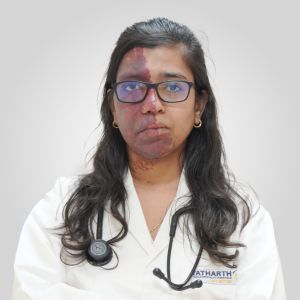
Dr. Megha S. Mangal
Consultant - Pulmonology
MBBS, DNB (Respiratory Medicine)
Pulmonology

Dr. Divyendu Sharma
Consultant – Pulmonary Medicine
MBBS, MD (Tuberculosis & Respiratory Diseases / Pulmonary Medicine)
Pulmonology

Dr. Gurmeet Singh Chabbra
Director - Pulmonology
MBBS, MD (Pulmonology)
Pulmonology

Dr. Vipin Gupta
Senior Consultant - Pulmonology & Sleep Medicine
MBBS,DNB (Pulmonology / Respiratory Disease & Tuberculosis)
Pulmonology

Dr. Gaurav Gupta
Consultant - Pulmonology & Sleep Medicine
MBBS, DTCD, DNB (Chest & Tuberculosis)
Pulmonology

Dr. Rishi Yadav
Consultant - Pulmonology
MBBS, MD (Respiratory & Critical Care Medicine)
Pulmonology