

What is COPD?
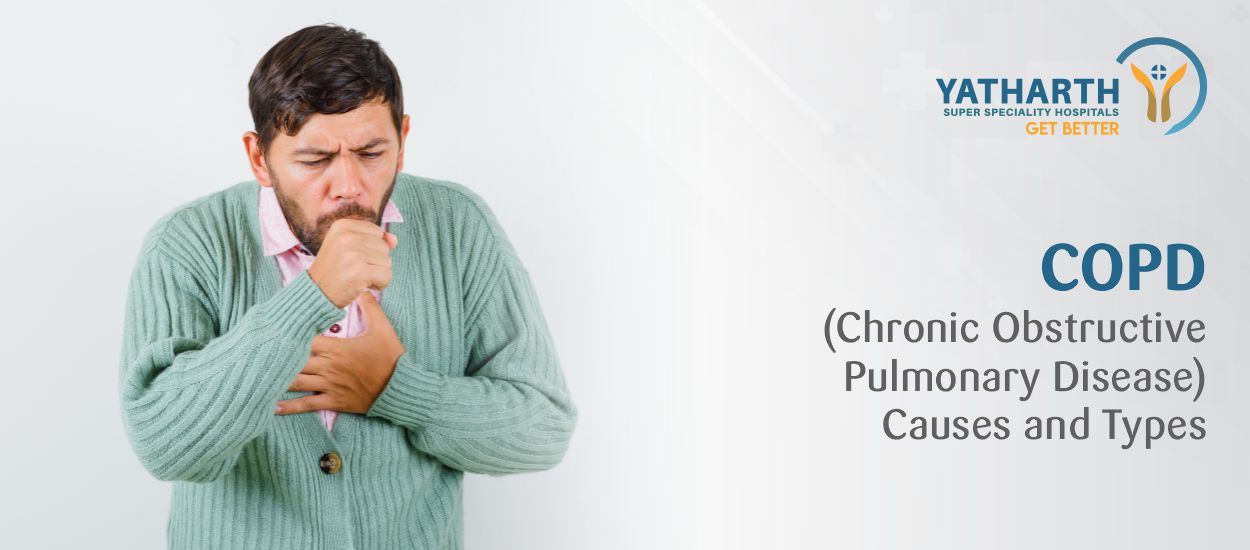
COPD (Chronic Obstructive Pulmonary Disease) is a long-term, progressive lung disease that makes breathing hard. It involves airflow blockage and inflammation in the lungs. If you’re curious about COPD, it refers to a set of chronic lung diseases that restrict airflow and get worse over time.
COPD is not just one disease; it’s a collection of lung conditions that harm the airways and air sacs (alveoli). This damage reduces the oxygen supply to the body. COPD is one of the main causes of illness and death around the world, so raising awareness about respiratory diseases is crucial.
Understanding COPD Types and Symptoms
When discussing COPD types and symptoms, it’s important to know the two main forms:
1. Chronic Bronchitis
-
Persistent cough lasting at least 3 months per year for 2 consecutive years
-
Excess mucus production
-
Inflamed and narrowed airways
-
Frequent respiratory infections
2. Emphysema
-
Damage to the air sacs (alveoli)
-
Reduced oxygen exchange
-
Shortness of breath, especially during physical activity
-
Barrel-shaped chest (in advanced cases)
Many patients have a combination of both conditions.
COPD Symptoms
Recognizing COPD symptoms early can help with timely diagnosis and treatment.
Common symptoms include:
-
Persistent cough (with or without mucus)
-
Shortness of breath (especially during activity)
-
Wheezing
-
Chest tightness
-
Frequent respiratory infections
-
Fatigue
-
Bluish lips or fingernails (in advanced stages)
Symptoms often develop slowly and worsen over time. Early detection improves outcomes in chronic obstructive pulmonary disease management.
COPD Causes
Understanding COPD causes is essential for prevention and management.
1. Smoking (Primary Cause)
Cigarette smoking is the leading cause of COPD. Long-term exposure damages lung tissue and airways.
2. Air Pollution
Exposure to:
-
Industrial fumes
-
Vehicle emissions
-
Biomass fuel smoke (wood, coal)
-
Indoor air pollution
3. Occupational Exposure
Dust, chemicals, and toxic fumes in workplaces increase risk.
4. Genetic Factors
A rare genetic condition called Alpha-1 Antitrypsin deficiency can cause COPD even in non-smokers.
5. Repeated Respiratory Infections
Frequent lung infections during childhood may increase vulnerability.
COPD Treatment
Although COPD cannot be completely cured, COPD treatment helps manage symptoms and slow progression.
1. Medications
Common COPD medication and therapy options include:
-
Bronchodilators (relax airway muscles)
-
Inhaled corticosteroids (reduce inflammation)
-
Combination inhalers
-
Antibiotics (for infections)
-
Oxygen therapy (in severe cases)
2. Pulmonary Rehabilitation
A supervised program including:
-
Exercise training
-
Breathing techniques
-
Nutritional advice
-
Counseling
3. Lifestyle Modifications
-
Quit smoking
-
Avoid air pollution
-
Maintain healthy weight
-
Stay physically active
4. Surgical Options (Severe Cases)
-
Lung volume reduction surgery
-
Lung transplant
Proper chronic obstructive pulmonary disease management can significantly improve quality of life.
COPD Prevention Tips
While not all cases are preventable, following these COPD prevention tips can reduce risk:
-
Stop smoking and avoid secondhand smoke
-
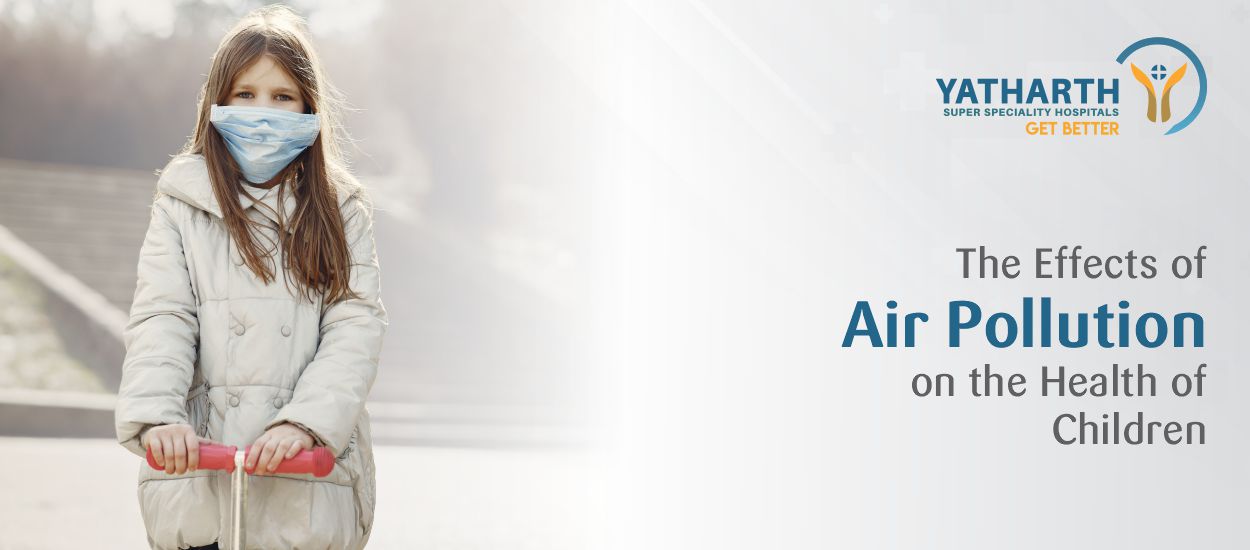
Use protective masks in polluted environments
-
Ensure good indoor ventilation
-
Get vaccinated (flu and pneumonia vaccines)
-
Maintain a healthy lifestyle
-
Avoid occupational exposure to dust and chemicals
Promoting respiratory disease awareness plays a crucial role in early diagnosis and prevention.
COPD Health Tips for Patients
Here are some practical COPD health tips:
-
Practice pursed-lip breathing
-
Stay hydrated to thin mucus
-
Eat small, balanced meals
-
Avoid cold air exposure
-
Monitor symptoms regularly
-
Keep inhalers accessible at all times
-
Follow prescribed COPD medication and therapy strictly