Best ENT Hospital in India - Advanced Ear, Nose and Throat Treatment at Yatharth Hospital
Ear, nose and throat conditions can affect hearing, breathing, speech, balance, sleep and overall quality of life. Problems such as recurrent ear infections, hearing loss, sinusitis, nasal blockage, tonsillitis, vertigo and voice disorders may require specialised medical evaluation and treatment.
While some ENT conditions can be managed with medication, others may require diagnostic procedures, minimally invasive interventions or surgery. Early diagnosis and appropriate treatment can help prevent complications and improve daily functioning.
If you are searching for the best ENT hospital in India, choosing a hospital with experienced ENT specialists, modern diagnostic facilities, surgical expertise and comprehensive patient care is important.
Yatharth Super Speciality Hospitals provides specialised Ear, Nose and Throat (ENT) and Cochlear Implant services for a wide range of ear, nose, throat and head and neck conditions. The department offers medical and surgical care, including ear surgeries, endoscopic sinus procedures, cochlear implants, hearing evaluation, throat surgeries and treatment for head and neck disorders.
The hospital's ENT services cover conditions such as sinusitis, tonsillitis, adenoid enlargement, nosebleeds, vertigo, hearing disorders, voice problems, nasal polyps and selected head and neck tumours.
Whether you need treatment for persistent sinus problems, hearing difficulties, recurrent throat infections, balance disorders or a complex ENT condition, consulting an experienced ENT specialist can help determine the most suitable treatment approach.
Why Choose Yatharth Hospital for ENT Treatment?
ENT care requires specialised clinical knowledge because the ear, nose and throat are closely connected to important functions such as hearing, breathing, swallowing, speech and balance.
Yatharth Hospital offers comprehensive ENT services supported by specialist consultations, diagnostic evaluation and medical and surgical treatment options.
Experienced ENT Specialists
ENT specialists, also known as otolaryngologists, diagnose and treat diseases affecting the ear, nose, throat and related head and neck structures.
Yatharth Hospital has ENT consultants across its hospital network with clinical interests in ear surgery, sinus surgery, cochlear implantation, voice and airway disorders, vertigo, and head and neck surgery.
Comprehensive Ear, Nose and Throat Care
The ENT department provides medical and surgical evaluation for a wide range of conditions, including:
- Hearing loss and deafness.
- Ear infections.
- Eardrum perforation.
- Tinnitus.
- Vertigo and balance disorders.
- Sinusitis.
- Nasal polyps.
- Deviated nasal septum.
- Tonsillitis.
- Adenoid enlargement.
- Voice disorders.
- Swallowing difficulties.
- Head and neck tumours.
Advanced Ear Surgery and Cochlear Implant Services
Hearing problems can affect communication, education, professional activities and social interaction.
Yatharth Hospital lists several ear surgeries and cochlear implant services, along with hearing aids and audiometry, as part of its ENT department.
Endoscopic Sinus and Nasal Surgery
Chronic sinusitis, nasal polyps and structural nasal problems may cause persistent congestion, headaches, facial pressure and difficulty breathing through the nose.
The hospital offers procedures such as Functional Endoscopic Sinus Surgery (FESS), septoplasty, turbinoplasty and other nasal and endoscopic interventions.
Comprehensive Throat and Voice Care
Throat conditions can affect speaking, swallowing, breathing and sleep.
The department provides treatment for tonsillitis, adenoid problems, vocal cord disorders and selected throat and airway conditions, including procedures such as adenotonsillectomy and microlaryngeal surgery.
Head and Neck Surgery
Certain conditions involving the head and neck may require specialised surgical evaluation.
Yatharth Hospital's ENT services include management of selected benign and malignant tumours, facial trauma, facial palsy and facial deformities.
Diagnostic and Emergency Support
ENT conditions can sometimes require urgent assessment, particularly when they involve sudden hearing changes, breathing difficulty, severe infections or foreign bodies in the airway.
Yatharth's published ENT information includes OPD and emergency services for medical and surgical ENT conditions.
Individualised Treatment Planning
Not every ENT condition requires surgery. Treatment depends on the patient's symptoms, clinical examination, test results, medical history and severity of the condition.
The ENT specialist recommends medication, observation, hearing support, procedural treatment or surgery according to individual needs.
ENT Services Available at Yatharth Hospital
The ENT department provides medical, diagnostic and surgical services for conditions affecting the ears, nose, throat and head and neck region.
Ear Care and Ear Surgery
The ear plays an important role in hearing and maintaining balance. Ear conditions may develop due to infections, injuries, age-related changes, congenital problems or damage to the structures responsible for hearing.
Common ear conditions treated include:
- Ear infections.
- Hearing loss.
- Perforated eardrum.
- Chronic otitis media.
- Cholesteatoma.
- Tinnitus.
- Otosclerosis.
- Ear discharge.
- Ear pain.
- Selected congenital ear disorders.
Ear procedures and surgeries listed by Yatharth Hospital include:
- Tympanoplasty.
- Myringoplasty.
- Myringotomy.
- Ossiculoplasty.
- Stapedotomy.
- Radical mastoidectomy.
- Facial nerve decompression.
- Cochlear implantation.
The treatment plan depends on the type of ear condition, the extent of hearing loss and the patient's overall health.
Nose and Sinus Treatment
The nose is responsible for breathing, filtering inhaled air and supporting the sense of smell. Nasal and sinus conditions can cause congestion, facial pain, headaches, breathing difficulties and recurrent infections.
Common nose and sinus conditions include:
- Sinusitis.
- Chronic rhinosinusitis.
- Nasal polyps.
- Deviated nasal septum.
- Allergic rhinitis.
- Nasal obstruction.
- Recurrent nosebleeds.
- Loss of smell.
- Nasal injuries.
- CSF rhinorrhoea.
Nasal and sinus procedures listed by Yatharth Hospital include:
- Septoplasty.
- Functional Endoscopic Sinus Surgery (FESS).
- Turbinoplasty.
- CSF rhinorrhoea repair.
- Endoscopic orbital decompression.
- Endoscopic Dacryocystorhinostomy (DCR).
These procedures may help address structural nasal problems, selected sinus conditions and other complex nasal disorders.
Throat and Voice Treatment
The throat is involved in breathing, swallowing and speaking. Infections, inflammation, vocal cord problems and structural abnormalities can affect these functions.
Common throat conditions include:
- Tonsillitis.
- Enlarged adenoids.
- Sore throat.
- Laryngitis.
- Vocal cord nodules.
- Vocal cord polyps.
- Hoarseness.
- Swallowing difficulties.
- Foreign bodies in the throat.
- Selected airway disorders.
Throat procedures and surgeries listed by Yatharth Hospital include:
- Adenotonsillectomy.
- Microlaryngeal surgery (MLS).
- Foreign body removal.
- Vocal polyp surgery.
- Vocal nodule surgery.
- Selected throat tumour surgeries.
Treatment may involve medication, voice therapy, observation or surgical intervention, depending on the underlying problem.
Cochlear Implant and Hearing Rehabilitation
A cochlear implant is an electronic medical device designed to provide a sense of sound to people with certain types of severe to profound hearing loss who may not receive sufficient benefit from conventional hearing aids.
Yatharth Hospital lists cochlear implant services as part of its ENT and cochlear implant department.
Cochlear implant evaluation may involve:
- Detailed hearing assessment.
- Audiometry.
- Speech and language evaluation.
- Medical examination.
- Imaging when required.
- Assessment of suitability for implantation.
- Post-implant rehabilitation and follow-up.
The suitability of cochlear implantation depends on the type and severity of hearing loss, the condition of the auditory pathway and individual clinical factors.
Head and Neck Surgery
The head and neck region contains important structures involved in breathing, swallowing, speaking, hearing and facial movement.
Some conditions may require specialised ENT and head and neck surgical care.
Conditions evaluated may include:
- Benign head and neck tumours.
- Malignant head and neck tumours.
- Salivary gland disorders.
- Thyroid-related surgical conditions.
- Facial trauma.
- Facial palsy.
- Selected facial deformities.
- Skull base disorders.
- Airway abnormalities.
The hospital lists treatment for benign and malignant head and neck tumours, facial trauma, facial palsy and facial deformities under its ENT services.
Vertigo and Balance Disorder Treatment
Vertigo is a sensation of spinning or movement when a person is stationary. It may develop due to disorders affecting the inner ear or balance system, although other medical causes are also possible.
Common symptoms include:
- Spinning sensation.
- Dizziness.
- Unsteadiness while walking.
- Nausea or vomiting.
- Difficulty maintaining balance.
- Symptoms triggered by head movements.
Treatment options may include:
- Clinical assessment.
- Vestibular evaluation.
- Medication for selected conditions.
- Canalith repositioning manoeuvres for appropriate cases of BPPV.
- Vestibular rehabilitation.
- Treatment of the underlying ear or neurological condition.
Persistent or recurrent vertigo should be assessed to identify its cause.
Paediatric ENT Care
Children may develop ENT conditions that affect hearing, speech, breathing, feeding and sleep.
Common paediatric ENT conditions include:
- Recurrent ear infections.
- Glue ear or middle-ear fluid.
- Enlarged adenoids.
- Tonsillitis.
- Hearing difficulties.
- Nasal obstruction.
- Foreign bodies in the ear or nose.
- Paediatric airway disorders.
- Selected congenital ENT conditions.
Early assessment can help identify problems that may affect a child's hearing, communication, sleep or development.
Sleep-Related Breathing Disorders and Snoring
Snoring may occur due to narrowing or obstruction of the upper airway during sleep. In some individuals, it may be associated with obstructive sleep apnoea (OSA).
Common symptoms include:
- Loud or persistent snoring.
- Pauses in breathing during sleep.
- Gasping or choking during sleep.
- Daytime sleepiness.
- Morning headaches.
- Poor sleep quality.
- Difficulty concentrating.
An ENT specialist may assess nasal obstruction, tonsils, adenoids and other upper airway structures. Further evaluation, including a sleep study, may be recommended.
Treatment depends on the cause and may include lifestyle changes, CPAP therapy, oral appliances or selected surgical procedures.
Common ENT Diseases Treated at Yatharth Hospital
ENT diseases can affect people of all ages. Some develop due to infections, allergies or environmental exposure, while others may be related to structural abnormalities, ageing or other medical conditions.
Sinusitis
Sinusitis is inflammation of the tissues lining the sinuses. It may develop following a viral infection, allergies or other factors that interfere with normal sinus drainage.
Common symptoms:
- Nasal congestion.
- Facial pain or pressure.
- Headache.
- Thick nasal discharge.
- Reduced sense of smell.
- Postnasal drip.
- Cough.
Treatment: Depending on the cause and severity, treatment may include saline nasal irrigation, prescribed nasal sprays, medication and management of underlying allergies. Selected chronic or complicated cases may require FESS.
Tonsillitis
Tonsillitis is inflammation of the tonsils, commonly caused by viral or bacterial infections.
Common symptoms:
- Sore throat.
- Painful swallowing.
- Enlarged tonsils.
- Fever.
- Swollen neck lymph nodes.
- White patches or coating on the tonsils.
Treatment: Treatment depends on the cause and may include supportive care, pain relief and antibiotics for confirmed or appropriately suspected bacterial infection. Recurrent or complicated cases may require tonsillectomy.
Adenoid Enlargement
Adenoids are lymphatic tissues located behind the nose. They are part of the immune system and may become enlarged, particularly during childhood.
Common symptoms:
- Mouth breathing.
- Persistent nasal blockage.
- Snoring.
- Recurrent ear infections.
- Nasal-sounding speech.
- Disturbed sleep.
Treatment: Management depends on the severity and may include medication or adenoidectomy in selected cases.
Hearing Loss
Hearing loss refers to reduced ability to hear sounds in one or both ears. It may be temporary or permanent and can develop due to infections, ageing, noise exposure, genetic conditions or damage to the ear structures.
Common symptoms:
- Difficulty understanding conversations.
- Frequently asking people to repeat themselves.
- Increasing television volume.
- Difficulty hearing in noisy environments.
- Ringing in the ears.
- Speech and language delays in children.
Treatment: Depending on the cause, treatment may involve medication, ear procedures, hearing aids or cochlear implants.
Perforated Eardrum
A perforated eardrum is a hole or tear in the thin membrane separating the outer and middle ear.
Common symptoms:
- Ear pain.
- Ear discharge.
- Reduced hearing.
- Ringing in the ear.
- Occasional dizziness.
Treatment: Some perforations heal naturally. Others may require medical management or surgery such as tympanoplasty or myringoplasty.
Deviated Nasal Septum
A deviated nasal septum occurs when the wall separating the two nasal passages is displaced from the centre.
Common symptoms:
- Difficulty breathing through one or both nostrils.
- Nasal blockage.
- Recurrent nosebleeds.
- Snoring.
- Recurrent sinus problems.
Treatment: Mild cases may be managed symptomatically. Persistent obstruction due to septal deviation may require septoplasty.
Nasal Polyps
Nasal polyps are soft, non-cancerous growths that develop in the lining of the nasal passages or sinuses, often in association with chronic inflammation.
Common symptoms:
- Persistent nasal blockage.
- Reduced sense of smell.
- Runny nose.
- Postnasal drip.
- Facial pressure.
- Recurrent sinus infections.
Treatment: Treatment may include nasal corticosteroid sprays, other prescribed medicines and surgery such as FESS when appropriate.
Allergic Rhinitis
Allergic rhinitis is an allergic reaction that occurs when the immune system responds to substances such as dust mites, pollen, mould or animal dander.
Common symptoms:
- Frequent sneezing.
- Runny nose.
- Nasal itching.
- Watery eyes.
- Nasal congestion.
- Postnasal drip.
Treatment: Management may include allergen avoidance, saline irrigation, antihistamines and prescribed nasal sprays.
Vertigo
Vertigo causes a false sensation of spinning or movement. It may be associated with inner ear conditions such as benign paroxysmal positional vertigo (BPPV), vestibular neuritis or Ménière's disease.
Common symptoms:
- Spinning sensation.
- Dizziness.
- Nausea.
- Balance problems.
- Symptoms triggered by movement.
Treatment: Treatment depends on the underlying cause and may include repositioning manoeuvres, medication and vestibular rehabilitation.
Tinnitus
Tinnitus is the perception of sound, such as ringing, buzzing, hissing or humming, without an external sound source.
Common symptoms:
- Ringing in one or both ears.
- Buzzing or humming sounds.
- Difficulty sleeping.
- Concentration problems.
- Associated hearing loss in some patients.
Treatment: Management focuses on identifying underlying causes, assessing hearing and helping patients manage the symptoms. Hearing aids, sound therapy and tinnitus-focused counselling may be useful in selected cases.
Laryngitis and Voice Disorders
Laryngitis is inflammation of the voice box or larynx. It may occur due to infections, vocal strain, irritation or other conditions.
Common symptoms:
- Hoarse voice.
- Weak voice.
- Loss of voice.
- Throat discomfort.
- Dry cough.
- Difficulty speaking for long periods.
Treatment: Management may include voice rest, hydration, treatment of underlying causes and voice therapy. Persistent hoarseness may require laryngeal examination.
Vocal Cord Nodules and Polyps
Vocal cord nodules and polyps are lesions that develop on the vocal folds and may affect voice quality.
Common symptoms:
- Persistent hoarseness.
- Rough or breathy voice.
- Vocal fatigue.
- Difficulty producing high-pitched sounds.
- Reduced voice strength.
Treatment: Treatment may include voice therapy, vocal hygiene measures and selected surgical procedures such as microlaryngeal surgery.
Nosebleeds (Epistaxis)
Epistaxis refers to bleeding from the nose. It may occur due to dryness, trauma, infections, nasal irritation or other medical conditions.
Common symptoms:
- Blood coming from one or both nostrils.
- Blood flowing into the throat.
- Recurrent nasal bleeding.
- Nasal irritation or dryness.
Treatment: Management may include direct pressure, nasal packing, cauterisation or other interventions depending on the cause and severity.
Ear Infections
Ear infections may affect the outer, middle or inner ear. They can occur due to bacterial or viral infections and may cause pain, discharge or hearing changes.
Common symptoms:
- Earache.
- Ear discharge.
- Fever.
- Reduced hearing.
- Irritability in children.
- A feeling of fullness in the ear.
Treatment: Treatment depends on the location and cause of infection. It may include pain relief, ear drops or other prescribed medication.
Head and Neck Tumours
Tumours may develop in different structures of the head and neck, including the throat, larynx, oral cavity, salivary glands and other areas.
Possible warning signs:
- Persistent lump in the neck.
- Difficulty swallowing.
- Persistent hoarseness.
- Non-healing mouth ulcers.
- Unexplained ear pain.
- Persistent throat discomfort.
- Unexplained weight loss.
Treatment: Management depends on the tumour type, location and stage. It may involve surgery, radiation therapy, systemic treatment or a combination of approaches.
Advanced ENT Surgeries and Procedures at Yatharth Hospital
ENT surgery may be recommended when medication or other non-surgical treatments are insufficient, or when a structural or complex condition requires intervention.
Yatharth Hospital lists several ear, nose, throat and head and neck procedures within its ENT department.
Tympanoplasty
Tympanoplasty is a surgical procedure used to repair a perforated eardrum. It may also involve reconstruction of the middle ear structures when required.
It may be recommended for:
- Persistent eardrum perforation.
- Chronic ear infections.
- Selected cases of hearing loss associated with middle ear damage.
Myringoplasty
Myringoplasty is a procedure specifically aimed at repairing a hole in the eardrum.
It may help restore the protective function of the eardrum and improve hearing in suitable patients.
Stapedotomy
Stapedotomy is a type of middle ear surgery used mainly to treat otosclerosis, a condition that can cause progressive conductive hearing loss.
The procedure involves creating a small opening in the fixed stapes bone and placing a prosthesis to improve sound transmission.
Cochlear Implant Surgery
Cochlear implant surgery involves placing an electronic device that stimulates the auditory nerve to provide sound perception.
It may be considered for selected patients with severe to profound hearing loss who do not benefit sufficiently from conventional hearing aids.
Functional Endoscopic Sinus Surgery (FESS)
FESS is a minimally invasive endoscopic procedure used to improve drainage and ventilation of the sinuses.
It may be considered for:
- Chronic sinusitis.
- Nasal polyps.
- Recurrent sinus infections.
- Selected sinus drainage problems.
Septoplasty
Septoplasty is a surgical procedure performed to correct a deviated nasal septum.
It may help improve nasal airflow when septal deviation causes persistent breathing difficulty.
Turbinoplasty
Turbinoplasty is a procedure used to reduce the size of enlarged nasal turbinates, which are structures inside the nose that help regulate airflow and humidify inhaled air.
It may be recommended for selected patients with persistent nasal obstruction.
Adenoidectomy
Adenoidectomy is the surgical removal of enlarged adenoids.
It may be recommended for children with persistent nasal obstruction, sleep-related breathing problems or recurrent ear problems associated with adenoid enlargement.
Tonsillectomy
Tonsillectomy involves surgical removal of the tonsils.
It may be recommended for selected patients with recurrent tonsillitis, certain complications or significant airway obstruction.
Microlaryngeal Surgery
Microlaryngeal surgery is performed using specialised instruments and magnification to treat selected conditions affecting the vocal cords and larynx.
It may be recommended for vocal cord polyps, nodules and certain laryngeal lesions.
CSF Rhinorrhoea Repair
CSF rhinorrhoea refers to leakage of cerebrospinal fluid through the nose, usually due to an abnormal communication between the skull base and nasal cavity.
Surgical repair may be required to close the leak and reduce the risk of complications such as meningitis.
Head and Neck Tumour Surgery
Selected benign and malignant tumours of the head and neck may require surgical removal.
The treatment plan depends on the location, size, pathology and stage of the tumour, and may involve coordination with oncology and other specialists.
Diagnostic Tests for ENT Conditions
Accurate diagnosis is essential for identifying the cause of ear, nose and throat symptoms. An ENT specialist may recommend specific investigations based on the patient's symptoms and examination.
|
Diagnostic Test |
Purpose |
|
Pure Tone Audiometry (PTA) |
Measures hearing sensitivity across different sound frequencies. |
|
Tympanometry |
Evaluates eardrum movement and middle ear function. |
|
Otoacoustic Emissions (OAE) |
Assesses the function of the cochlea and is commonly used in hearing screening. |
|
Brainstem Evoked Response Audiometry (BERA/ABR) |
Evaluates the auditory pathway's response to sound. |
|
Speech Audiometry |
Assesses speech recognition and understanding. |
|
Nasal Endoscopy |
Examines the nasal passages and sinus openings. |
|
Diagnostic Nasopharyngoscopy |
Examines the nasal cavity and nasopharynx. |
|
Laryngoscopy |
Evaluates the larynx and vocal cords. |
|
Otoscopy |
Examines the ear canal and eardrum. |
|
Vestibular Assessment |
Evaluates balance and inner ear function. |
|
CT Scan of Sinuses |
Helps assess sinus anatomy and selected sinus disorders. |
|
MRI |
Evaluates selected soft tissue, nerve and skull base conditions. |
|
Sleep Study (Polysomnography) |
Helps diagnose obstructive sleep apnoea and other sleep disorders. |
|
Throat Swab |
Helps investigate selected throat infections. |
|
Biopsy |
Examines suspicious tissue or lesions. |
Not every patient requires all these tests. The ENT specialist recommends investigations based on clinical findings and the suspected condition.
When Should You Consult an ENT Specialist?
Some ENT symptoms may improve with basic care, but persistent or recurring symptoms should not be ignored.
You should consider consulting an ENT specialist if you experience:
- Persistent ear pain: Recurrent or prolonged ear discomfort.
- Hearing difficulties: Difficulty understanding conversations or sudden changes in hearing.
- Continuous ringing in the ears: Persistent buzzing, humming or ringing sounds.
- Repeated dizziness: Episodes of vertigo, imbalance or spinning sensations.
- Chronic nasal blockage: Difficulty breathing through the nose.
- Frequent sinus infections: Recurrent facial pressure, nasal discharge or headaches.
- Recurrent sore throat: Frequent throat infections or painful swallowing.
- Persistent hoarseness: Voice changes lasting more than a few weeks.
- Loud snoring: Especially when associated with choking or pauses in breathing during sleep.
- Neck lumps: A new or persistent lump in the neck.
- Repeated nosebleeds: Frequent or unexplained bleeding from the nose.
- Difficulty swallowing: Persistent discomfort or difficulty swallowing food or liquids.
Seek urgent medical attention for sudden hearing loss, difficulty breathing, severe uncontrolled nosebleeds, a suspected airway foreign body or rapidly worsening throat swelling. Sudden dizziness accompanied by weakness, facial drooping, difficulty speaking or severe headache also requires emergency assessment.
Importance of Early Diagnosis and Treatment of ENT Conditions
ENT conditions can affect important everyday activities such as communication, eating, sleeping and breathing. Timely evaluation can help identify the underlying cause and prevent avoidable complications.
Protecting Hearing Health
Early evaluation of hearing problems can help identify treatable causes and determine whether hearing aids, medication or surgical intervention may be suitable.
Preventing Recurrent Ear Infections
Proper diagnosis and treatment of ear infections can help reduce complications involving the eardrum and middle ear.
Improving Nasal Breathing
Assessment of chronic nasal obstruction can help identify structural problems, allergies or sinus conditions that may benefit from treatment.
Managing Chronic Sinus Problems
Timely treatment can help control symptoms such as nasal congestion, facial pressure, postnasal drip and recurrent sinus infections.
Supporting Speech and Language Development in Children
Hearing difficulties during childhood may affect speech and language development. Early hearing assessment and appropriate intervention are important.
Identifying Voice and Throat Disorders
Persistent hoarseness, swallowing difficulty or throat discomfort may require examination to identify inflammation, vocal cord lesions or other conditions.
Detecting Head and Neck Conditions Early
Persistent neck lumps, non-healing ulcers and unexplained voice or swallowing changes should be assessed to rule out serious underlying conditions.
Comprehensive ENT and Cochlear Implant Care at Yatharth Hospital
Ear, nose and throat health plays an important role in hearing, breathing, balance, communication and overall well-being. Conditions such as sinusitis, hearing loss, vertigo, tonsillitis, nasal polyps and voice disorders may require specialised medical attention.
Yatharth Super Speciality Hospitals offers ENT and cochlear implant services covering medical consultations, diagnostic evaluation, ear surgeries, endoscopic nasal and sinus procedures, throat surgeries and selected head and neck treatments.
With services spanning ear, nose, throat and head and neck conditions, the hospital provides treatment options based on individual clinical needs.
If you are looking for the best ENT hospital in India, consult the ENT specialists at Yatharth Hospital for evaluation, diagnosis and appropriate treatment options.
Frequently Asked Questions (FAQs)
Which is the best ENT hospital in India?
The best ENT hospital should provide experienced ENT specialists, diagnostic facilities, medical and surgical treatment options and comprehensive care for ear, nose, throat and head and neck conditions. Yatharth Hospital offers specialised ENT and cochlear implant services for a wide range of conditions.
What conditions does an ENT specialist treat?
An ENT specialist treats conditions affecting the ears, nose, throat and related head and neck structures. These include hearing loss, ear infections, sinusitis, nasal polyps, tonsillitis, vertigo, voice disorders and selected head and neck tumours.
When should I visit an ENT specialist?
You should consult an ENT specialist if you experience persistent ear pain, hearing difficulties, recurrent sinus infections, nasal blockage, frequent sore throats, dizziness, persistent hoarseness or difficulty swallowing.
Does Yatharth Hospital provide cochlear implant surgery?
Yes. Cochlear implant services are listed under Yatharth Hospital's ENT department. Suitability for implantation is determined after hearing assessment and specialist evaluation.
What is the difference between a hearing aid and a cochlear implant?
A hearing aid amplifies sound, whereas a cochlear implant converts sound into electrical signals that stimulate the auditory nerve. The appropriate option depends on the type and severity of hearing loss.
What is sinusitis, and how is it treated?
Sinusitis is inflammation of the sinus lining that may cause nasal congestion, facial pressure, headaches and nasal discharge. Treatment may include medication, saline irrigation and, in selected chronic cases, endoscopic sinus surgery.
What is FESS surgery?
Functional Endoscopic Sinus Surgery (FESS) is a minimally invasive procedure performed using an endoscope to improve sinus drainage and ventilation. It may be recommended for selected patients with chronic sinusitis or nasal polyps.
Is deviated nasal septum surgery necessary?
Not everyone with a deviated nasal septum requires surgery. Septoplasty may be recommended when the deviation causes persistent nasal obstruction or other significant symptoms that do not improve with appropriate medical treatment.
What are the symptoms of enlarged adenoids in children?
Common symptoms include mouth breathing, nasal blockage, snoring, disturbed sleep, recurrent ear infections and nasal-sounding speech. An ENT specialist can assess whether treatment or adenoidectomy is needed.
When is tonsillectomy recommended?
Tonsillectomy may be recommended for selected patients with recurrent tonsillitis, certain tonsil-related complications or significant airway obstruction. The decision depends on the patient's medical history and examination.
What causes vertigo?
Vertigo may occur due to inner ear conditions such as BPPV, vestibular neuritis and Ménière's disease. Other neurological and medical conditions can also cause dizziness, so appropriate evaluation is important.
Can hearing loss be treated?
Some types of hearing loss are treatable with medication or surgery, while others may require hearing aids or cochlear implants. Treatment depends on the underlying cause and type of hearing loss.
What is tinnitus?
Tinnitus is the perception of sounds such as ringing, buzzing or humming without an external source. It may be associated with hearing loss, ear conditions, noise exposure or other medical factors.
What is tympanoplasty?
Tympanoplasty is a surgical procedure used to repair a perforated eardrum. It may also involve reconstruction of the middle ear structures to improve hearing when required.
What causes frequent nosebleeds?
Nosebleeds may occur due to dry nasal passages, irritation, injury, infections, allergies or other medical conditions. Frequent or severe nosebleeds should be evaluated by an ENT specialist.
Can snoring be an ENT problem?
Yes. Snoring may be associated with nasal obstruction, enlarged tonsils, airway narrowing or obstructive sleep apnoea. An ENT specialist can evaluate the upper airway and recommend appropriate treatment.
What is obstructive sleep apnoea?
Obstructive sleep apnoea is a sleep-related breathing disorder in which the upper airway repeatedly becomes partially or completely blocked during sleep. Symptoms may include loud snoring, pauses in breathing, gasping and daytime sleepiness.
What is microlaryngeal surgery?
Microlaryngeal surgery is a specialised procedure used to treat selected conditions affecting the vocal cords and larynx, including vocal cord nodules and polyps.
What are the symptoms of head and neck cancer?
Warning signs may include a persistent neck lump, difficulty swallowing, persistent hoarseness, a non-healing mouth ulcer, unexplained ear pain or an unexplained change in voice. Persistent symptoms require medical evaluation.
Does Yatharth Hospital provide paediatric ENT treatment?
Yatharth Hospital's ENT services include evaluation and treatment of ENT conditions affecting children. The appropriate treatment depends on the child's age, symptoms and clinical findings.
Which tests are performed for hearing loss?
Common hearing investigations include pure tone audiometry, tympanometry, speech audiometry, otoacoustic emissions and BERA/ABR. The specialist selects the tests according to the patient's age and symptoms.
Is ENT surgery always necessary for sinus problems?
No. Many sinus conditions improve with medication and supportive treatment. Surgery may be considered when symptoms persist despite appropriate treatment or when there are specific structural or other clinical indications.
What is the recovery time after ENT surgery?
Recovery depends on the type of surgery, the patient's health and the complexity of the condition. Minor procedures may require relatively short recovery periods, while major ear, sinus or head and neck surgeries may require longer follow-up.
How much does ENT treatment cost in India?
The cost depends on the condition, consultation, diagnostic investigations, medications, type of surgery, hospital stay and other clinical requirements. A treatment estimate can be provided after specialist evaluation.
How can I book an appointment with an ENT specialist at Yatharth Hospital?
You can visit the official Yatharth Hospital website or contact the hospital's appointment team to check specialist availability, OPD timings and the nearest suitable branch.



Dr. Ashesh Bhushan
Senior Consultant - ENT
MBBS, MS (ENT)
ENT & Cochlear Implant

Dr. B Vageesh Padiyar
Senior Consultant & HOD - ENT
MBBS, MS, DNB
ENT & Cochlear Implant
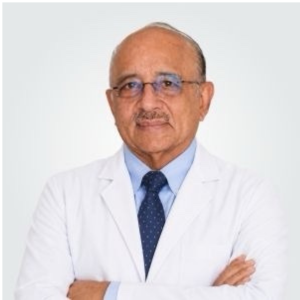
Prof. (Dr.) J. M. Hans
Principal Consultant - ENT
MBBS, MS (ENT), Gold Medalist & Topper – PGI Chandigarh
ENT & Cochlear Implant

Dr. Shikha Sharma
HOD & Sr. Consultant
MBBS, MS
ENT & Cochlear Implant

Dr. Subodh Kumar
Consultant - ENT
MBBS, MS (ENT)
ENT & Cochlear Implant

Dr. (Prof.) Anand Gupta
Regional Director & HOD - ENT
MBBS, MS (Gold Medalist) - ENT
ENT & Cochlear Implant

Dr. Rajeev Kumar
Senior Consultant - ENT
MBBS, MS (ENT)
ENT & Cochlear Implant

Dr. Bulbul Gupta
Director & HOD - ENT
MBBS, DNB (ENT)
ENT & Cochlear Implant
Dr. (Prof.) Anand Gupta
Regional Director & HOD - ENT
MBBS, MS (Gold Medalist) - ENT
ENT & Cochlear Implant
Dr. Rajeev Kumar
Senior Consultant - ENT
MBBS, MS (ENT)
ENT & Cochlear Implant

Dr. Saloni Singh
Consultant - ENT
MBBS, MS (ENT)
ENT & Cochlear Implant