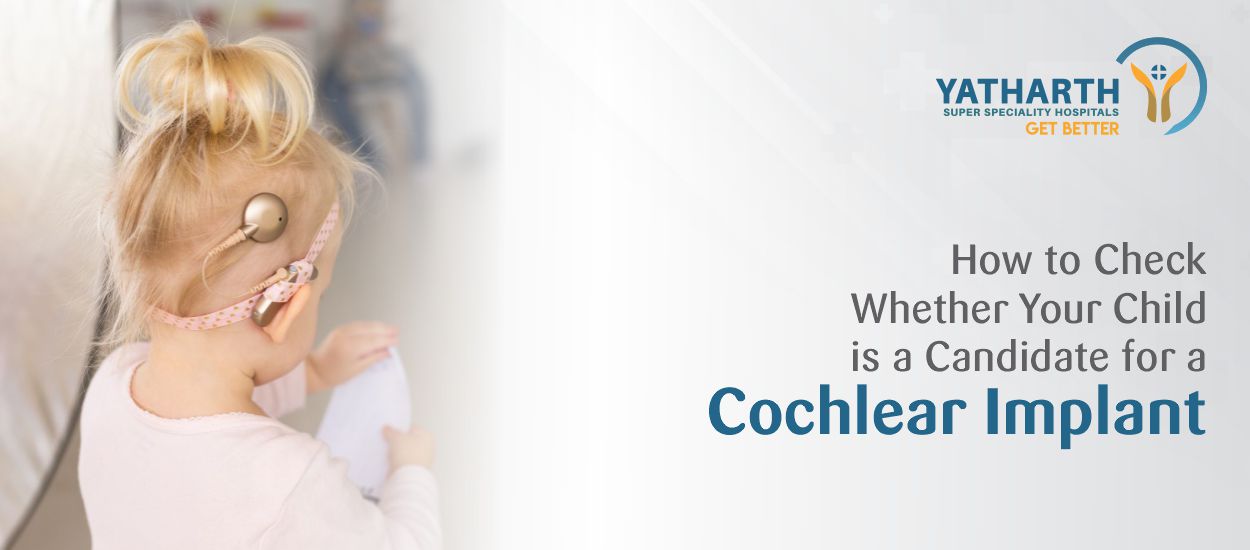
A cochlear implant is a medical device designed to help individuals with severe to profound hearing loss. Unlike hearing aids that amplify sound, cochlear implants bypass damaged parts of the ear and directly stimulate the auditory nerve, allowing users to perceive sound.
Cochlear implants are considered for individuals who:
Cochlear implants come in different models and configurations, typically involving:
The process of diagnosing and evaluating a candidate for cochlear implants involves:
Meditation and mindfulness practices can support overall well-being and help manage stress and anxiety related to hearing loss and the implant process. These practices can be beneficial in adjusting to new auditory experiences post-surgery.
The cochlear implant surgery involves:
The purpose of psychological assessment and preoperative counselling includes:
Different surgical techniques are available for cochlear implant surgery:
Cochlear implant surgery is a significant medical advancement that offers individuals with severe to profound hearing loss a chance to perceive sound and improve their communication skills. Through careful evaluation, psychological assessment, and preoperative counselling, candidates and their families can be well-prepared for the journey ahead. The surgical procedure, followed by a meticulous mapping process and auditory verbal therapy, ensures that recipients can maximize the benefits of the implant. With realistic expectations and a supportive postoperative program, cochlear implants can profoundly enhance the quality of life for those with hearing impairments, facilitating better integration into the hearing world.
India’s leading specialists.

MBBS, MS (Gold Medalist) - ENT
ENT & Cochlear Implant
-j.-m.-hans87073830.png)
MBBS, MS (ENT), Gold Medalist & Topper – PGI Chandigarh
ENT & Cochlear Implant
Becoming a mother again at 40 was emotional, but I felt completely safe in the hands of Dr. Sonal Bathla. Nancy Chadha shares her...

Becoming a mother again at 40 was emotional, but I felt completely safe in the h...

This video highlights the successful outcome of a Complex Total Knee Replacement...

Meet Mr. Satish Chand Chawla, who underwent HOLEP – Holmium Laser Enucleation ...
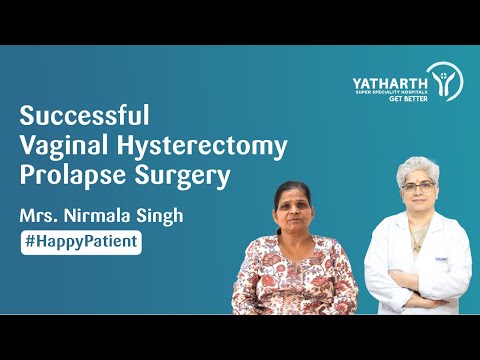
Meet Mrs. Nirmala Singh, who underwent a Successful Vaginal Hysterectomy Prolaps...

Mr. Sanjay Kaushik’s journey is a powerful story of hope and recovery after ba...
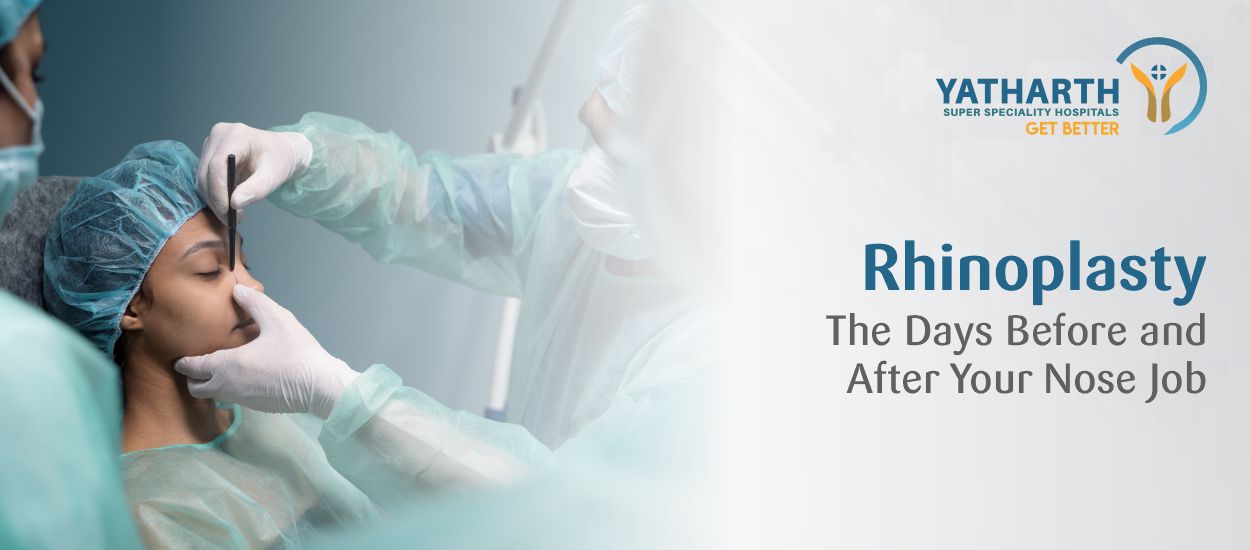
Commonly called a ‘nose job’, rhinoplasty remains one of the most popular forms of cosmetic surgery for people seeki...
The world of sound helps a child learn how to speak, read and write via listening. Hearing loss affects the areas that a...

Strep Throat is an infection that occur in throat causing tonsils. It can cause pain when swallowing, fever and make you...