A sudden blood clot can block vital blood flow to the brain, lungs, or limbs, making rapid treatment critical. At Yatharth Hospital, we offer thrombectomy in Noida using minimally invasive, image-guided techniques to quickly and safely remove clots. This helps prevent permanent damage and saves lives.
Our emergency, neurology, vascular surgery, and interventional teams work together in modern cath labs to provide timely blood clot removal surgery. We aim for outcomes that meet international standards.
Thrombectomy is a medical procedure used to remove a blood clot (thrombus) from a blood vessel to restore normal circulation. Depending on the location and severity, it may be performed as surgical thrombectomy (open surgery) or as a minimally invasive endovascular thrombectomy using catheters.
This treatment is commonly recommended for:
Thrombectomy for stroke (acute ischemic stroke)
Thrombectomy for DVT (deep vein thrombosis)
Acute limb ischemia
Large-vessel arterial or venous clots not responding to medication
A catheter-based, minimally invasive approach guided by real-time imaging. It is the preferred method for many strokes and vascular clots due to faster recovery and less trauma.
An open thrombectomy surgery used when catheter-based removal is not suitable or in complex, extensive clots.
Our thrombectomy procedure is carefully planned and executed:
Vascular access via a small incision
Catheter navigation to the clot
Blood clot removal using aspiration or mechanical devices
Immediate restoration of blood flow and monitoring
For stroke care, speed is crucial—our teams are trained to act within therapeutic time windows to maximize recovery.
Thrombectomy for stroke (acute ischemic stroke) is most effective when performed early—often within hours of symptom onset. By removing large clots from brain arteries, the procedure can:
Reduce brain damage
Improve neurological recovery
Lower disability risk
In selected cases of severe DVT, thrombectomy for DVT helps relieve pain, swelling, and prevents complications like post-thrombotic syndrome by restoring venous flow.
Key thrombectomy benefits include:
Rapid restoration of blood flow
Reduced tissue damage and complications
Minimally invasive options with shorter hospital stays
Faster functional recovery
Life- and limb-saving outcomes in emergencies
Thrombectomy recovery depends on the clot location and overall health:
Close monitoring for 24–48 hours
Early mobilization when appropriate
Medications to prevent re-clotting
Rehabilitation support (especially after stroke)
Most patients experience quicker recovery after endovascular thrombectomy compared to open surgery.
While generally safe in expert hands, thrombectomy risks may include:
Bleeding at the access site
Vessel injury
Infection (rare)
Re-clotting
At Yatharth Hospital, advanced imaging, strict protocols, and experienced specialists significantly minimize these risks.
24×7 emergency response and advanced cath labs
Experienced interventional radiologists, neurologists, and vascular surgeons
Rapid stroke and vascular pathways
Minimally invasive endovascular thrombectomy expertise
Comprehensive post-procedure monitoring and rehabilitation
Trusted center for thrombectomy in Noida
For rapid, advanced thrombectomy in Noida, trust Yatharth Hospital to deliver timely intervention, expert care, and comprehensive recovery support.
Book an urgent consultation or visit our emergency department immediately for suspected blood clots or stroke symptoms.
India’s leading specialists.
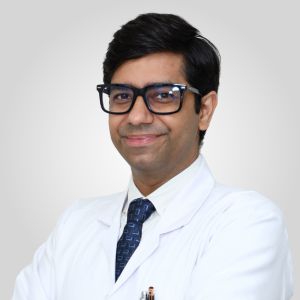
MBBS, MD (Internal Medicine), DM (Neurology)
Neurosciences
Neurology
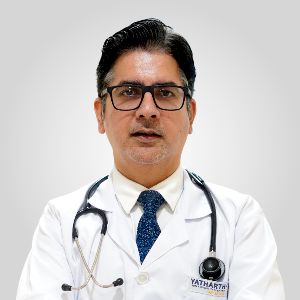
MBBS, MD, DM (AIIMS), MRCP (UK), FEBN, FIHN, FRCP (Glasgow, London)
Neurosciences
Neurology
MBBS, MD (Medicine), DNB (Neurology)
Neurosciences
Neurology
Becoming a mother again at 40 was emotional, but I felt completely safe in the hands of Dr. Sonal Bathla. Nancy Chadha shares her...

Becoming a mother again at 40 was emotional, but I felt completely safe in the h...

This video highlights the successful outcome of a Complex Total Knee Replacement...

Meet Mr. Satish Chand Chawla, who underwent HOLEP – Holmium Laser Enucleation ...
Meet Mrs. Nirmala Singh, who underwent a Successful Vaginal Hysterectomy Prolaps...
Mr. Sanjay Kaushik’s journey is a powerful story of hope and recovery after ba...

Migraines are not just bad headaches. They’re a complicated neurological disorder that?can be disabling. Those who suf...

A stroke, also known as a brain stroke, is a life-threatening medical emergency that occurs when the blood supply to par...

Multiple Sclerosis (MS) is a chronic autoimmune condition that affects the central nervous system (CNS) - the brain, spi...