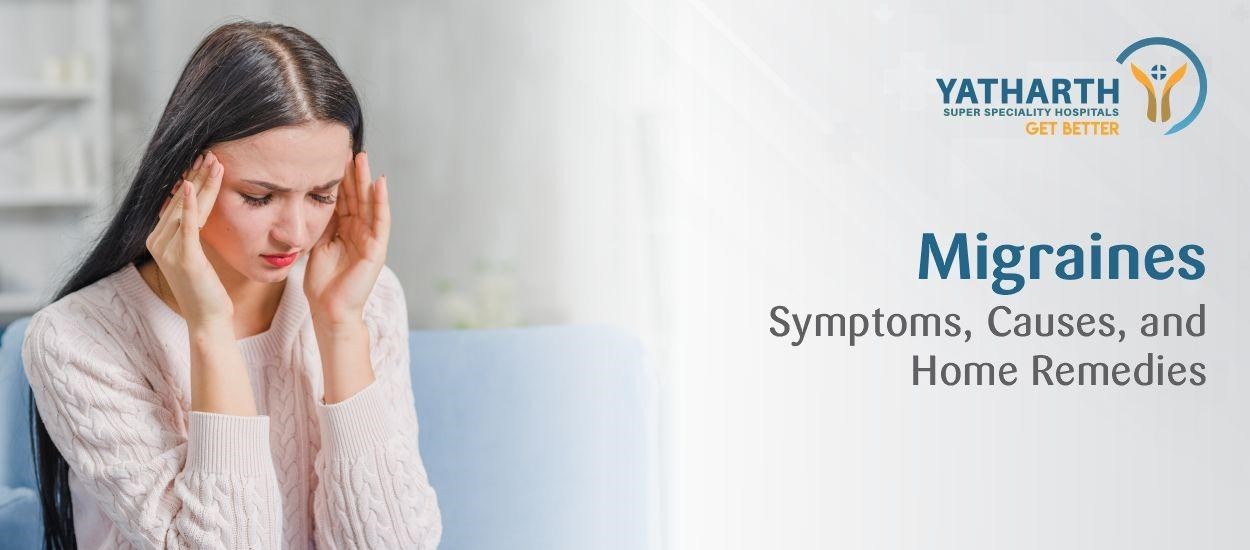


Migraines are not just bad headaches. They’re a complicated neurological disorder that can be disabling. Those who suffer from migraines often describe the pain as a pounding headache with additional symptoms like nausea, light sensitivity, and an inability to focus.
Knowledge about migraines and what constitutes migraine symptoms, migraine causes and home remedies can allow patients to better handle the disorder and seek medical assistance when required.
The Difference- Headache VS Migraine
The two terms headache and migraine are often used interchangeably.
Most people with migraine attack get wrong, thinking that migraine is nothing but a severe headache. Instead, your headaches are probably an ordinary type, which can hurt badly but usually don't come with that many other effects. Usually, a headache leads to mild to moderate pain and stress, dehydration or fatigue can be the reasons behind it. In contrast to a headache, which is described as a dull pain across the head, a migraine is more severe and occurs on one side of the head. Migraines tend to have additional symptoms including nausea, vomiting, and sensitivity to light, sound or smell.
Migraine headache relief may last for just a few hours or last for days. Some people live with an occasional migraine, and others are so frequently stricken that they cannot maintain a normal life.
Symptoms of migraine
Early detection of migraine symptoms can lead to a decrease in the attack intensity and duration. The symptoms of migraine differ from person to person, but the most common symptoms include:
- Throbbing or pulsating pain, usually localized on one side of the head
- Light, sound, or smell (such as perfumes) sensitivity
- Nausea and vomiting
- Blurred vision
- Fatigue or dizziness
- Trouble focusing
Some people have symptoms of migraine with an aura, these start before headache-onset. These can take the form of flashing lights, jagged lines in your field of vision, temporary loss of vision or pins and needles in your hands or face.
Migraine Causes
Knowing what causes migraine is key to helping prevent and treat them. While the precise cause is unknown, migraine attacks are thought to be caused by alterations of brain activity that affect nerves, chemicals and blood vessels within the brain.Some typical migraine triggers include:
- Stress and anxiety
- Sleep deprivation or disrupted sleep
- Hormonal changes
- Prolonged fasting
- Too much screen time
- Some foods including chocolate, caffeine, processed food
- Powerful odours or flashes of light
- Change in weather conditions
Individuals with chronic migraines may have underlying chronic migraine causes that includes genetic predisposition, prolonged stress, hormonal imbalances, or the overuse of specific types of medications.
Migraine HomeCare Remedies
Although medical treatment is necessary, sometimes people can obtain relief with home treatments for migraine and changes in lifestyle. These treatments can make your migraine attacks less severe and less frequent.
1. Adequate Hydration
When it comes to dehydration that can trigger migraines. Water consumption in adequate amount can reduce the frequency of headaches and migraines.
2. Rest in a Quiet, Dark Room
Sensory stimulation can be minimized by lying down in a dark, quiet room when a migraine is most severe.
3. Herbal/NaturalRemedies
Many people with migraine respond well to natural treatments including ginger tea, peppermint oil or foods rich in magnesium. These remedies may have mild anti-inflammatory effects and may help with symptom relief.
4. Regular Sleeping Schedule
Regular sleep patterns are a key factor in treating migraines at home. Sleep deprivation may precipitate migraines so you need to know how to get 7 to 8 hours of good sleep daily.
5. Try a Gentle Massage
Pressure on the temples, neck and shoulders can also assist with muscle relaxation and relief for migraine sufferers during an attack.
6. Stress Relief
Yoga, meditation, and breathing techniques can help relieve stress, which is a large factor in the development of migraines.
When to Consult a Doctor
Following are the red flags:
- Frequent episodes of headaches
- Increased severity: Headaches keep you away from your normal activity
- Associated symptoms: Visual loss, slurring of speech and limb numbness.
- Not responsive to analgesics
Conclusion
It is a complex disease that can have negative effects on the physical health, productivity and quality of life of patients. Awareness of the symptoms of migraine, knowledge about causes of migraine and awareness of individual migraine triggering factors can be seen as first steps towards successful management. Although it is essential to follow the advice of your healthcare expert, a few migraine home remedies, lifestyle modifications, and home remedies for migraine may help you manage your migraine frequency and severity.
If you have migraine symptoms that do not go away, or get worse, consulting a doctor is the best way to make sure you get the right diagnosis and treatment. Many people with correct treatment and preventative measures, are able to effectively control their migraines and lead happier, more comfortable lives.