

Not every health concern has an obvious explanation. Sometimes, changes in how you feel develop so gradually that they become part of your everyday routine. This is often the case with hypothyroidism, commonly known as an underactive thyroid. Its symptoms can be subtle, vary from person to person, and resemble those of other health conditions, making it difficult to identify without proper testing. Knowing what to look out for and when to seek medical advice can help you take the right steps towards diagnosis and treatment. In this guide, we'll discuss hypothyroidism symptoms, causes, thyroid hormone levels, diagnosis, and treatment options to help you better understand the condition and its management.
What is Hypothyroidism?
Hypothyroidism, also called an underactive thyroid, occurs when the thyroid gland - a butterfly-shaped gland located at the front of the neck - produces insufficient thyroid hormones, mainly thyroxine (T4) and triiodothyronine (T3).
These hormones help regulate metabolism, body temperature, heart rate, digestion and energy use. When their levels fall, several body functions may slow down, leading to symptoms such as fatigue, constipation, dry skin and weight gain.
Hypothyroidism can affect people of different ages. Some individuals develop it because of an autoimmune condition, while others develop it after thyroid surgery, certain treatments or medication use. Early diagnosis and appropriate hormone replacement can help control symptoms and maintain normal thyroid function.
Symptoms of Hypothyroidism
Symptoms often develop gradually and may initially seem unrelated to thyroid function. Their severity varies depending on how low thyroid hormone levels are and how long the condition has been present.
Common symptoms include:
- Persistent fatigue: Individuals may feel unusually tired or lack energy despite adequate rest.
- Unexplained weight gain: A slower metabolism can contribute to weight gain, although thyroid dysfunction does not explain every change in body weight.
- Cold intolerance: Individuals may feel colder than usual, even in comfortable temperatures.
- Constipation: Slower digestive activity can make bowel movements less frequent.
- Dry skin and hair changes: Skin may become dry, while hair may become coarse, brittle or thinner.
- Difficulty concentrating: Some individuals experience forgetfulness, slower thinking or difficulty maintaining focus.
- Low mood: Hypothyroidism can contribute to low mood or depressive symptoms.
- Muscle aches and weakness: Muscle cramps, stiffness or general weakness may occur.
- Menstrual changes: Periods may become heavier or irregular, and thyroid dysfunction may affect fertility.
- A hoarse voice or neck swelling: Some individuals develop a hoarse voice or an enlarged thyroid gland, known as a goitre.
These symptoms can also occur with other conditions, including anaemia, sleep disorders and nutritional deficiencies. A medical assessment can help determine the underlying cause.
Causes of Hypothyroidism
The cause of hypothyroidism determines the appropriate treatment and whether long-term monitoring is needed. Common causes include:
Hashimoto’s Thyroiditis
Hashimoto’s thyroiditis is an autoimmune condition in which the immune system attacks thyroid tissue. Over time, this damage can reduce hormone production and lead to hypothyroidism. It is a common cause of an underactive thyroid.
Thyroid Surgery or Other Treatments
Surgery to remove part or all of the thyroid gland can reduce hormone production. Radioactive iodine treatment and certain forms of radiation therapy involving the neck can also damage thyroid tissue and cause hypothyroidism.
Certain Medicines
Some medicines, including lithium and amiodarone, can affect thyroid function. The doctor may review medication use when investigating abnormal thyroid test results. Individuals should not stop prescribed medicines without medical advice.
Iodine Imbalance
The thyroid needs iodine to produce hormones. Both inadequate iodine intake and excessive iodine exposure can disrupt thyroid function, although the effect depends on the individual's circumstances and underlying thyroid health.
Thyroiditis
Inflammation of the thyroid gland can temporarily disrupt hormone production. Some forms, including postpartum thyroiditis, may cause an initial period of excess thyroid hormone followed by hypothyroidism. Thyroid function may recover in some individuals, while others develop a lasting deficiency.
Pituitary or Hypothalamic Disorders
Less commonly, hypothyroidism occurs because the pituitary gland or hypothalamus does not send the signals needed to stimulate the thyroid. This is known as central hypothyroidism and requires a different approach to interpreting thyroid function tests.
Hypothyroidism Levels: Understanding TSH and T4
Thyroid function tests help determine whether the thyroid produces enough hormones. The results must be interpreted together with symptoms, medical history, and the laboratory's reference ranges.
TSH Levels in Hypothyroidism
Thyroid-stimulating hormone (TSH) is produced by the pituitary gland and signals the thyroid to produce hormones. When thyroid hormone levels fall, the pituitary usually releases more TSH to stimulate the thyroid.
A typical adult TSH reference range is approximately 0.4–4.0 mIU/L, although the range varies between laboratories. A TSH level above the laboratory's upper reference limit may indicate hypothyroidism, particularly when Free T4 is low.
An elevated TSH level alone does not always mean that treatment is necessary. The doctor considers the degree of elevation, symptoms, age, pregnancy status and other clinical factors.
Free T4 Levels in Hypothyroidism
Free T4 (FT4) measures the unbound form of thyroxine circulating in the blood. Doctors interpret it alongside TSH to assess thyroid function.
- High TSH with low Free T4: This pattern usually indicates overt primary hypothyroidism.
- High TSH with normal Free T4: This pattern may indicate subclinical hypothyroidism.
- Low or normal TSH with low Free T4: This may indicate central hypothyroidism or another issue requiring further assessment.
T3 testing is not usually necessary to diagnose routine primary hypothyroidism because T3 levels may remain within the reference range even when thyroid function is reduced.
Overt vs Subclinical Hypothyroidism
The distinction helps determine whether treatment or monitoring is appropriate.
|
Feature |
Overt hypothyroidism |
Subclinical hypothyroidism |
|
TSH |
Usually elevated |
Elevated |
|
Free T4 |
Below the reference range |
Within the reference range |
|
Symptoms |
May be noticeable or severe |
Often absent or mild |
|
Management |
Usually requires thyroid hormone replacement |
Depends on TSH level, symptoms and individual risk factors |
Doctors may repeat abnormal thyroid tests before confirming subclinical hypothyroidism. Treatment decisions depend on the degree and persistence of TSH elevation, symptoms, thyroid antibodies, and factors such as pregnancy or plans to conceive.
Hypothyroidism Diagnosis
Accurate diagnosis helps distinguish hypothyroidism from other conditions that cause similar symptoms. An endocrinologist or doctor may recommend the following assessments and investigations.
Medical History and Physical Examination
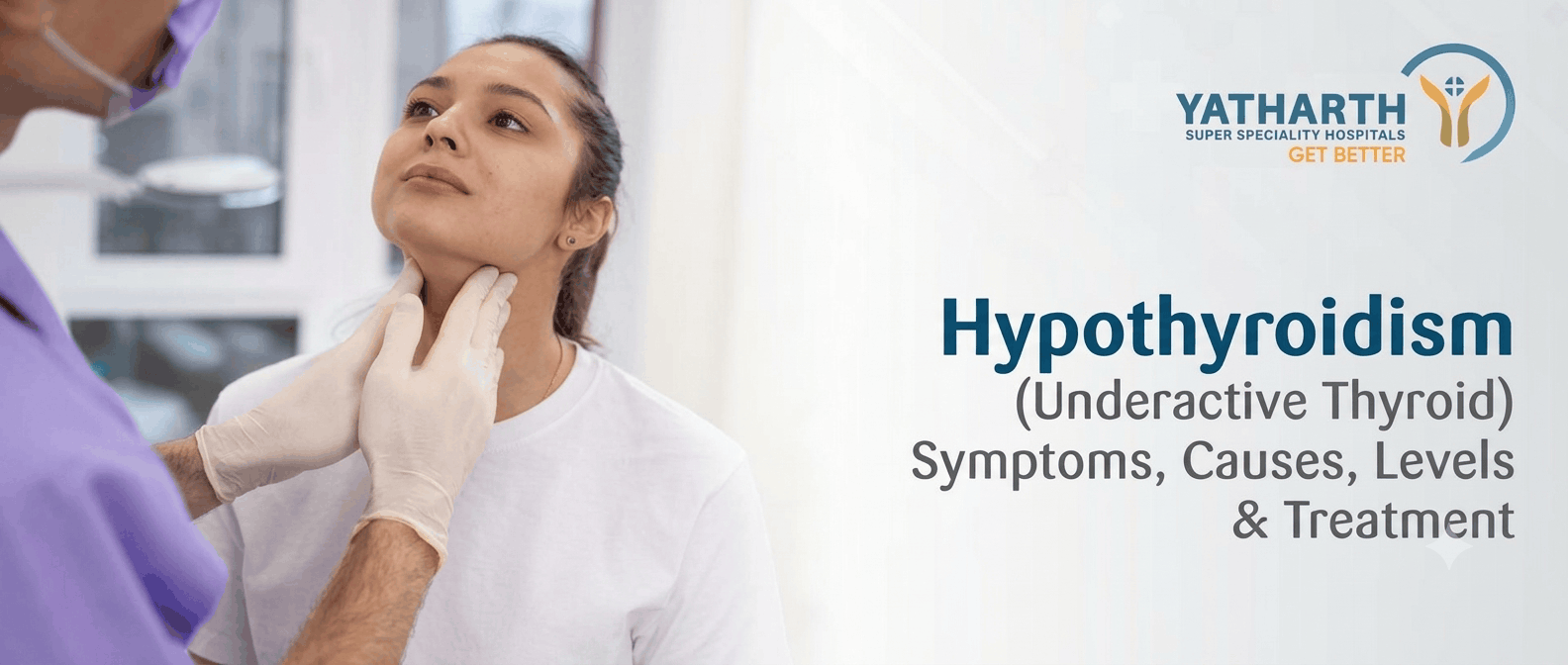
The doctor reviews symptoms, family history, previous thyroid conditions, pregnancy history, surgery and medication use. A physical examination may include checking the neck for thyroid enlargement and assessing other signs of reduced thyroid function.
Thyroid Function Tests
Blood tests usually measure TSH and Free T4. High TSH with low Free T4 commonly confirms primary hypothyroidism. If the results are unusual or suggest a pituitary problem, the doctor may request additional investigations.
Thyroid Antibody Tests
Thyroid peroxidase antibodies (TPO antibodies) may help identify Hashimoto’s thyroiditis. These tests can support the diagnosis, but antibody results need to be interpreted alongside thyroid function and clinical findings.
Additional Investigations
A thyroid ultrasound may be recommended if the examination reveals thyroid enlargement or nodules. It is not routinely necessary for every case of hypothyroidism. Other investigations depend on the suspected cause and the individual's symptoms.
Treatment for Hypothyroidism
Treatment aims to replace the thyroid hormone the body cannot produce in sufficient amounts and restore thyroid function towards the reference range. The approach depends on the cause, hormone levels, symptoms, age, pregnancy status and other medical conditions.
Thyroid Hormone Replacement
Levothyroxine is the standard first-line treatment for primary hypothyroidism. It is a synthetic form of T4 that replaces the hormone the thyroid cannot produce adequately.
The doctor selects the dose based on factors such as body weight, age, thyroid hormone levels and cardiovascular health. Some individuals need a lower starting dose, particularly older adults and people with heart disease.
Levothyroxine is usually taken consistently on an empty stomach, according to the prescribing doctor's instructions. Calcium and iron supplements can reduce its absorption, so they generally need to be taken at a different time. A doctor or pharmacist can explain the appropriate timing.
Regular Monitoring and Dose Adjustment
TSH testing helps determine whether the levothyroxine dose is appropriate. Doctors usually repeat blood tests after starting treatment or changing the dose, allowing enough time for hormone levels to respond.
Once thyroid function stabilises, periodic monitoring helps ensure that the dose remains suitable. Pregnancy, changes in health, certain medicines and changes in absorption can affect treatment requirements.
Management of Subclinical Hypothyroidism
Not everyone with subclinical hypothyroidism needs immediate medication. Doctors consider the TSH level, persistence of the abnormal result, symptoms, thyroid antibodies and other risk factors before recommending treatment.
Some individuals may benefit from levothyroxine, while others may need repeat blood tests and monitoring. The decision should be individualised rather than based on a single result.
Long-Term Treatment
Many individuals with permanent hypothyroidism, particularly that caused by Hashimoto’s thyroiditis or complete thyroid removal, need lifelong levothyroxine. Some cases, such as certain forms of thyroiditis, may be temporary and require monitoring to determine whether hormone replacement remains necessary.
With the correct dose and regular follow-up, most individuals can manage hypothyroidism effectively.
When Should You Consult an Endocrinologist?
Consider consulting an endocrinologist if you experience:
- Persistent fatigue, unexplained weight gain or increased sensitivity to cold
- Ongoing constipation, dry skin or other symptoms that may indicate hypothyroidism
- Abnormal thyroid function test results
- Persistent symptoms or abnormal thyroid levels despite treatment
- Thyroid concerns during pregnancy or when planning pregnancy
- Suspected pituitary problems affecting thyroid function
An endocrinologist can assess thyroid hormone levels, identify the underlying cause and recommend appropriate treatment and follow-up.
Seek emergency medical care if severe drowsiness, confusion, unusually low body temperature or markedly slowed breathing occurs in someone with untreated or poorly controlled hypothyroidism. These symptoms may indicate a rare, life-threatening complication.
Endocrinology Care at Yatharth Super Speciality Hospitals
Proper hormone regulation is essential for maintaining metabolism, energy levels and overall health. At Yatharth Super Speciality Hospitals, our endocrinology team treats thyroid disorders, including hypothyroidism and Hashimoto’s thyroiditis.
The team assesses symptoms and thyroid function test results to identify the underlying cause and recommend an individualised treatment plan. Regular follow-up helps monitor hormone levels and adjust medication when needed, supporting ongoing management of the condition.
If you experience persistent symptoms or abnormal thyroid test results, consult an endocrinologist near you.