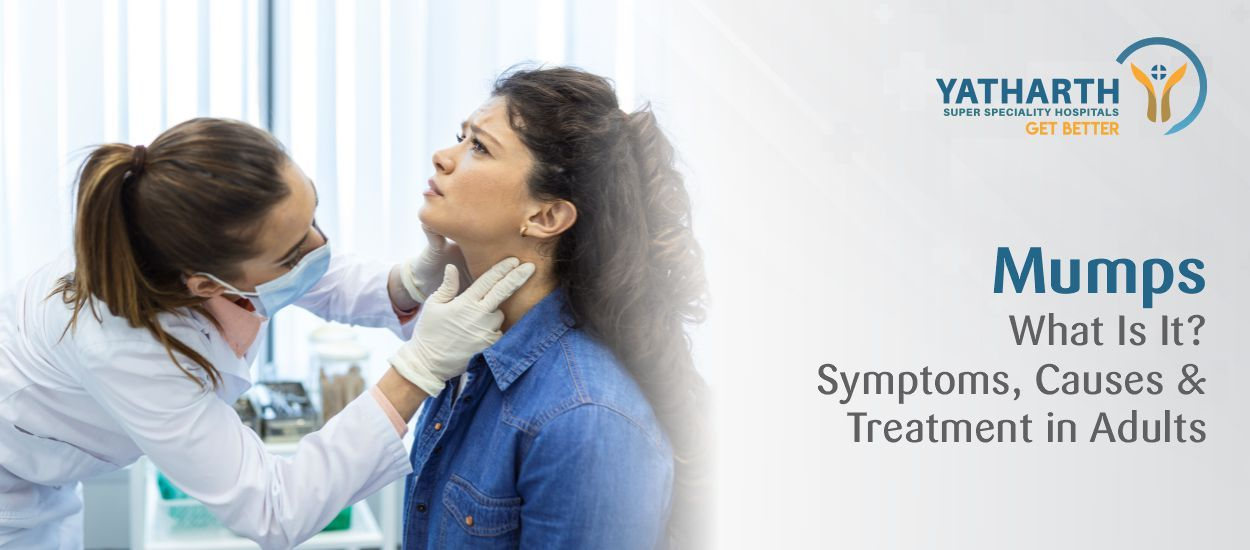


Mumps is a contagious viral infection that mainly affects the salivary glands, particularly the parotid glands located below and in front of the ears. It is commonly recognised by swelling of the cheeks and jaw, which may cause pain while chewing, swallowing or speaking.
Although mumps is often associated with childhood, adults can also develop the infection. In adults, complications such as inflammation of the testicles, ovaries, pancreas or the tissues surrounding the brain can occur. Some people may experience mild symptoms, while others can become seriously unwell.
There is no specific antiviral medicine that cures uncomplicated mumps. Treatment usually focuses on relieving symptoms, maintaining hydration and monitoring for complications. Vaccination helps reduce the risk of infection and severe illness.
This guide explains what mumps is, how it spreads, its symptoms in adults, available diagnostic tests, treatment options and when to seek medical attention.
What Is Mumps?
Mumps is a viral infection caused by the mumps virus. It spreads mainly through respiratory droplets and direct contact with infected saliva. After entering the body, the virus can affect the salivary glands and, in some cases, other organs.
The characteristic swelling occurs when the parotid salivary glands become inflamed. The swelling may affect one side or both sides of the face.
Symptoms generally appear around 16–18 days after exposure, although the incubation period can range from 12 to 25 days. Some people have mild symptoms or no noticeable symptoms at all. Most people recover fully within about two weeks, although recovery varies depending on the severity of the illness and whether complications develop.
What Are the Symptoms of Mumps in Adults?
Symptoms may begin with general flu-like complaints before the typical facial swelling appears. Not everyone develops every symptom.
Swollen cheeks and jaw
The most recognisable sign of mumps is swelling of the salivary glands below or in front of the ears. This can make the cheeks appear puffy and the jawline less defined. The swelling may occur on one or both sides.
Pain or tenderness near the ears
The affected area may feel tender, painful or uncomfortable. Pain can worsen while chewing, swallowing or speaking.
Fever
A mild or moderate fever may occur before or during the development of gland swelling.
Headache and body aches
Some adults experience headaches, muscle aches and a general feeling of being unwell.
Tiredness and weakness
Fatigue, low energy and a reduced ability to carry out daily activities are common during the illness.
Loss of appetite
Jaw pain and discomfort while chewing can make eating difficult. Some people also experience nausea or reduced appetite.
Dry mouth or discomfort while swallowing
Inflammation of the salivary glands can cause discomfort around the mouth and jaw. Severe pain or difficulty swallowing liquids should be medically assessed.
Symptoms often begin a few days before the facial swelling. The swelling typically becomes most noticeable over the first few days and then gradually improves.
What Causes Mumps?
Mumps is caused by infection with the mumps virus. It spreads when a susceptible person comes into contact with infectious respiratory droplets or saliva.
How does mumps spread?
Mumps can spread when an infected person:
- Coughs or sneezes near other people.
- Talks at close range, releasing respiratory droplets.
- Shares cups, water bottles or eating utensils contaminated with saliva.
- Has close contact with an infected person's saliva.
A person with mumps can transmit the virus before the typical salivary gland swelling becomes obvious. People are generally considered infectious from about two days before swelling begins until five days afterwards.
Who is at risk of mumps as an adult?
Adults may have a higher risk of infection if they:
- Have not received the recommended mumps-containing vaccinations.
- Have incomplete or uncertain vaccination records.
- Have close contact with someone who has mumps.
- Live, study or work in crowded environments.
- Are part of a community experiencing an outbreak.
- Travel to areas where mumps is circulating.
Vaccinated people can occasionally develop mumps, but vaccination generally reduces the risk of infection and complications.
What Are the Possible Complications of Mumps in Adults?
Most adults recover without lasting problems, but complications are possible and may occasionally be serious. Some can occur even without obvious swelling of the salivary glands.
Orchitis (inflammation of the testicles)
Orchitis can occur in males after puberty. Symptoms may include testicular pain, swelling, tenderness, fever and nausea. It can sometimes lead to reduced testicular size or affect fertility, although permanent infertility is uncommon.
Sudden or severe testicular pain needs urgent medical assessment, as other emergencies, including testicular torsion, must be ruled out.
Oophoritis (inflammation of the ovaries)
In some women, mumps can cause inflammation of the ovaries, leading to lower abdominal or pelvic pain and tenderness.
Meningitis
Mumps can cause inflammation of the membranes surrounding the brain and spinal cord. Symptoms may include severe headache, fever, neck stiffness, light sensitivity and vomiting.
Encephalitis
Encephalitis is inflammation of the brain. It is rare but can be life-threatening. Warning signs include confusion, seizures, unusual drowsiness or changes in consciousness.
Pancreatitis
Inflammation of the pancreas may cause significant upper abdominal pain, nausea and vomiting.
Hearing loss
Mumps can occasionally affect hearing, sometimes causing permanent hearing loss.
Seek emergency medical care for confusion, seizures, a severe headache with neck stiffness, severe abdominal pain, sudden hearing changes or significant difficulty breathing or swallowing.
How Is Mumps Diagnosed?
A doctor may suspect mumps based on facial swelling, tenderness around the salivary glands, fever, possible exposure and vaccination history. However, other conditions can cause similar swelling, so testing may be needed.
Common diagnostic methods
- Physical examination: The doctor examines the cheeks, jaw, salivary glands and other areas based on symptoms.
- RT-PCR testing: A molecular test can detect mumps virus genetic material, commonly using a buccal swab collected from the inside of the cheek near the parotid duct.
- Blood tests for antibodies: Mumps-specific IgM testing may help support the diagnosis, but results can be negative even in people who have mumps, particularly those who have been vaccinated.
- Additional investigations: If complications are suspected, the doctor may recommend blood tests, imaging or other specialised investigations.
Testing is particularly important when symptoms are unusual, an outbreak is suspected or another diagnosis needs to be excluded. Contact a healthcare professional promptly if you suspect mumps, and let them know before arriving so they can advise on precautions to reduce exposure to others.
What Is the Treatment for Mumps in Adults?
There is no specific antiviral treatment for uncomplicated mumps. Care is generally supportive, meaning treatment focuses on relieving symptoms, maintaining hydration and allowing the body to recover.
Get adequate rest
Rest as needed while you have fever, pain or fatigue. Avoid strenuous exercise until you are feeling better and your healthcare professional advises that it is safe to resume normal activities.
Stay hydrated
Drink water and other suitable fluids regularly. If jaw pain makes drinking difficult, try small, frequent sips. Seek medical advice if you cannot maintain adequate fluid intake or develop signs of dehydration.
Use pain and fever relief when appropriate
A healthcare professional or pharmacist can advise whether paracetamol or another suitable medicine is appropriate for you, taking into account your medical history and other medicines. Do not exceed the recommended dose.
Antibiotics do not treat the mumps virus. They should only be used when a healthcare professional identifies a bacterial infection that requires them.
Apply a cool compress
A cool compress held gently against the swollen cheek or jaw may help relieve discomfort. Avoid applying ice directly to the skin.
Choose foods that are easier to eat
Soft foods can be more comfortable while chewing is painful. Examples include porridge, soft rice, yoghurt and soups that are not too hot.
Acidic foods and drinks, such as citrus fruits and juices, may stimulate saliva and worsen pain in inflamed salivary glands. Avoid them if they increase your discomfort.
Monitor for complications
Seek medical advice if pain or swelling worsens, fever persists, symptoms fail to improve as expected, or new symptoms develop. Testicular pain, severe abdominal pain, severe headache or neurological symptoms require prompt assessment.
Most people recover within about two weeks, although gland swelling and other symptoms can last longer in some cases.
How Can Adults Prevent Mumps?
Prevention is important because mumps can spread before its characteristic swelling becomes obvious.
- Check your vaccination history: Ask a healthcare professional whether you need a mumps-containing vaccine based on your vaccination record, age, medical history and local recommendations.
- Stay home when infected: Avoid work, social gatherings and close contact with others until at least five days after salivary gland swelling begins, following local public health advice.
- Avoid sharing personal items: Do not share cups, bottles, cutlery or other items that may be contaminated with saliva.
- Practise respiratory hygiene: Cover coughs and sneezes and wash your hands regularly.
- Reduce close contact: Avoid kissing or other close contact that may expose others to saliva while infectious.
- Follow outbreak guidance: If you have been exposed or there is a local outbreak, seek advice from a healthcare professional or public health authority.
The MMR vaccine protects against measles, mumps and rubella. Vaccination recommendations for adults vary by country and individual circumstances. People who are pregnant or have significant immune-system problems should consult a healthcare professional before receiving a live vaccine such as MMR.
When Should You See a Doctor?
Arrange a medical assessment if you develop:
- Swelling or tenderness around one or both ears or the jaw.
- Fever accompanied by facial swelling.
- Pain that makes eating or drinking difficult.
- Symptoms after close contact with someone diagnosed with mumps.
- Persistent or worsening symptoms despite home care.
Seek emergency care for sudden severe testicular pain, severe abdominal pain, confusion, seizures, a severe headache with neck stiffness, sudden hearing loss or inability to swallow fluids.
If you think you may have mumps, call the healthcare facility before visiting. This helps the team arrange appropriate precautions and reduce the risk of exposing other patients and staff.
Conclusion
Mumps is a contagious viral infection that can affect adults as well as children. Swelling around the cheeks and jaw, fever, headache and fatigue are common symptoms. Although most people recover with supportive care, complications involving the reproductive organs, pancreas or nervous system can occur.
Early medical assessment, appropriate testing, symptom management and preventive measures can help reduce complications and transmission. If you suspect mumps, contact a healthcare professional and avoid close contact with others while infectious.
Yatharth Hospitals can be considered for medical evaluation of concerning symptoms, with the appropriate clinical service determined by the patient's condition and local service availability.