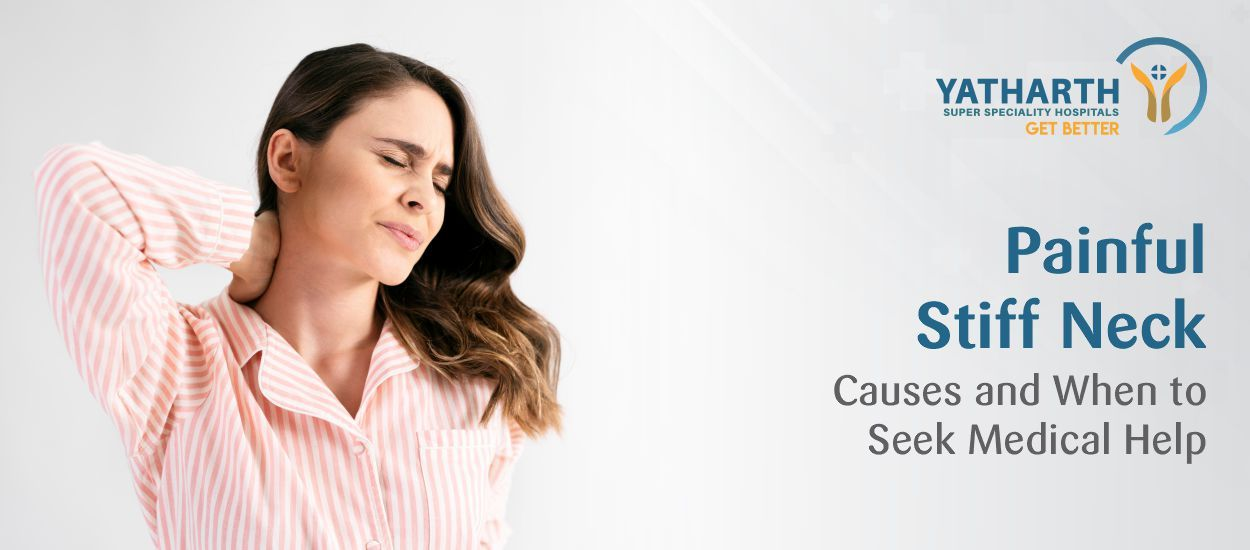


A stiff neck is something most people experience at some point and often dismiss as a minor discomfort. You may wake up unable to turn your head properly, feel a dull ache throughout the day, and assume it will settle with rest. In many cases, it does. However, neck stiffness is not always harmless. When it appears with certain warning signs, it may point to an underlying condition that needs timely medical attention.
This blog will help you understand the difference between a stiff neck that may improve with rest and one that needs a doctor’s evaluation. It also covers the common causes of neck stiffness, symptoms to watch for, effective home remedies, simple exercises, and when specialist care becomes important.
Key Takeaways
|
What is a Stiff Neck?
A stiff neck refers to pain, tightness, and difficulty moving the neck freely. You may find it hard to turn your head from side to side, look up or down, or move comfortably without pain.
In most cases, neck stiffness is caused by strain or tightness in the muscles and soft tissues around the neck and shoulders. This can happen due to poor posture, sleeping in an awkward position, prolonged screen use, stress, or sudden movement. When these muscles become irritated or go into spasm, they can cause pain and restricted movement.
Sometimes, stiffness may also come from problems in the cervical spine, such as disc issues, joint changes, or nerve irritation. This is why persistent, severe, or recurring neck stiffness should be properly evaluated by a doctor, especially if it is accompanied by numbness, weakness, headache, fever, or pain spreading to the arm.
Common Causes of a Stiff Neck
Neck stiffness can happen for many reasons, ranging from simple muscle strain to cervical spine problems. Some of the most common causes include:
Muscle Strain and Poor Posture
Muscle strain is one of the most common causes of a stiff neck. It usually occurs when the neck muscles are overstretched, overused, or held in an awkward position for too long. Common triggers include:
- Prolonged screen use with the head bent forward, often called “tech neck”
- Holding the phone between the ear and shoulder
- Long hours of desk work without movement breaks
- Carrying a heavy bag on one shoulder
- Sudden jerky movements during exercise or sports
Stiff Neck After Sleeping
Many people wake up with a stiff neck after sleeping in an awkward position. This may happen when the neck remains twisted or unsupported for several hours. Sleeping on the stomach, using a pillow that is too high or too low, or lying in poor neck alignment can strain the muscles and cause pain.
Most sleep-related neck stiffness improves within 24 to 48 hours with gentle movement, heat therapy, and stretching.
Cervical Spine Conditions
If neck stiffness is persistent, keeps coming back, or is associated with pain spreading to the arm, it may be related to an underlying cervical spine condition. Common causes include:
- Cervical spondylosis: Age-related wear and tear of the cervical discs and joints, causing chronic neck pain, stiffness, and reduced movement.
- Slipped or herniated cervical disc: A bulging or ruptured disc that may press on nearby nerves and cause neck stiffness along with arm pain, tingling, or weakness.
- Pinched nerve: Compression of a nerve in the neck that can cause sharp, burning, or electric-like pain radiating down the arm.
- Cervical spinal stenosis: Narrowing of the spinal canal in the neck, which may cause stiffness along with progressive nerve-related symptoms.
Stress and Tension
Stress is a common but often overlooked cause of neck stiffness. When the body is under stress, the neck and shoulder muscles may remain tense for long periods. Over time, this can lead to tightness, pain, and reduced movement in the neck and upper back.
Many people notice that their neck stiffness becomes worse during stressful work phases, poor sleep, anxiety, or emotionally difficult periods.
Infections and Serious Conditions
Although most cases of neck stiffness are not serious, some may be linked to conditions that need urgent medical attention. These include:
- Meningitis: A serious infection involving the membranes around the brain and spinal cord. Neck stiffness with high fever, severe headache, nausea, sensitivity to light, or confusion should be treated as a medical emergency.
- Swollen or infected lymph nodes: Infections in the throat, ear, or nearby areas can cause painful swelling in the neck and make movement uncomfortable.
- Torticollis: Also called wry neck, this occurs when muscle spasm causes the neck to twist or tilt to one side, leading to pain and restricted movement.
Stiff Neck and Headache
Neck stiffness and headache often occur together. Tight neck muscles or restricted movement in the upper cervical spine can cause pain that spreads to the back of the head, forehead, or behind the eyes. This is sometimes called a cervicogenic headache.
In other cases, tension headaches or migraines may cause neck tightness as part of the overall pain pattern. However, neck stiffness with a sudden severe headache, fever, vomiting, confusion, or neurological symptoms should not be ignored and needs urgent medical evaluation.
Symptoms of a Stiff Neck and When to Seek Medical Help
Not every stiff neck is serious. In many cases, it is caused by muscle strain, poor posture, or sleeping in an awkward position. However, certain symptoms can point to an underlying condition that needs medical attention.
Common Symptoms of a Stiff Neck
A stiff neck may be accompanied by:
- Pain or tightness in the shoulders and upper back
- Headache at the base of the skull or around the forehead
- Difficulty turning the head from side to side
- Muscle tenderness or soreness in the neck and shoulders
- Mild tingling or pins and needles in the arm
- Dizziness or light-headedness with neck movement
These symptoms are usually not an emergency. However, you should consult a doctor if they last for more than a week, keep coming back, worsen over time, or interfere with daily activities.
Red Flag Symptoms That Need Emergency Care
- Seek emergency medical care immediately if neck stiffness occurs with:
- High fever, severe headache, nausea, vomiting, confusion, or sensitivity to light
- Sudden, severe headache that feels unlike any previous headache
- Weakness, numbness, or loss of movement in the arms or legs
- Neck pain or stiffness after a fall, accident, or injury
- Inability to bend the neck forward or touch the chin to the chest
- Fever and neck stiffness in a child
These symptoms may indicate serious conditions such as meningitis, spinal cord compression, bleeding around the brain, or cervical spine injury. They should not be ignored or managed at home.
At Yatharth Super Speciality Hospitals, our emergency teams are available 24x7 across our facilities in New Delhi (Model Town), Noida, Greater Noida, Faridabad (Sector 88 and Sector 20), and Agra to assess and manage urgent neck-related conditions, including severe infections, trauma, and nerve or spine-related emergencies.
How to Treat a Stiff Neck at Home
Most cases of stiff neck caused by muscle strain, poor posture, or an awkward sleeping position improve with simple home care. The goal is to reduce pain, relax tight muscles, and gently restore movement.
Rest, Heat, and Cold Therapy
During the first 24 to 48 hours, applying a cold pack to the painful area for 15 to 20 minutes at a time may help reduce pain and inflammation. After the initial phase, heat therapy can be more useful for relaxing tight muscles. You can use a warm compress, heating pad, or warm shower directed at the neck.
Avoid complete bed rest for more than a day or two. Gentle movement usually helps recovery better than keeping the neck completely still.
Gentle Stiff Neck Exercises and Stretches
Simple neck stretches can help relieve tightness and improve movement. Perform them slowly and only within a comfortable range.
- Chin tucks: Gently pull your chin straight back, hold for 5 seconds, and release. Repeat 10 times.
- Side bending: Tilt one ear towards the shoulder until you feel a gentle stretch on the opposite side. Hold for 20 to 30 seconds on each side.
- Neck rotation: Slowly turn your head to look over one shoulder, hold for 5 seconds, and repeat on the other side.
- Forward neck stretch: Gently lower your chin towards your chest until you feel a stretch at the back of the neck. Hold for 20 to 30 seconds.
- Shoulder and upper back stretch: Roll your shoulders gently and stretch the upper back to reduce tension around the neck.
Stop any exercise immediately if it causes sharp pain, dizziness, or tingling, or numbness spreading down the arm.
Posture Correction
Correcting posture is important, especially if your stiff neck is related to screen use or desk work. Helpful changes include:
- Keep your screen at eye level
- Sit with your shoulders relaxed and back supported
- Take short movement breaks every 30 to 45 minutes
- Avoid holding the phone between your ear and shoulder
- Bring your phone closer to eye level instead of bending your neck down
Stress Management for Neck Pain
Stress can cause the neck and shoulder muscles to stay tense for long periods. Relaxation techniques such as deep breathing, gentle stretching, shoulder rolls, and regular physical activity can help reduce muscle tension.
If neck stiffness keeps returning during stressful periods, managing stress along with posture and movement can help prevent repeated episodes.
Medical Treatment for Stiff Neck
Medical treatment may be needed when neck stiffness does not improve with home care within one to two weeks, keeps recurring, or is linked to an underlying cervical spine condition. The right treatment depends on the cause, severity of symptoms, and whether nerves or spinal structures are involved.
At Yatharth Super Speciality Hospitals, treatment may include:
- Physiotherapy: A structured physiotherapy programme helps improve neck mobility, strengthen cervical muscles, correct posture, and reduce strain during daily activities. It may include exercises, manual therapy, and other supportive techniques based on the patient’s condition.
- Medication: Doctors may prescribe pain-relief medicines, anti-inflammatory medicines, muscle relaxants, or nerve pain medicines depending on the symptoms and diagnosis.
- Cervical collar: A soft cervical collar may be advised for short-term support in selected cases, such as acute disc-related pain or nerve irritation. It should be used only under medical guidance.
- Nerve root injections: For patients with cervical radiculopathy, slipped disc, or persistent arm pain due to nerve compression, targeted injections may help reduce inflammation and pain around the affected nerve.
- Surgery: Surgery is considered only in selected cases, such as severe disc herniation, spinal stenosis, progressive weakness, or spinal cord compression that does not improve with conservative treatment.
How to Prevent a Stiff Neck
Many cases of stiff neck can be prevented by improving posture, sleep habits, and daily movement. Helpful steps include:
- Sleep on your back or side instead of your stomach, as stomach sleeping can keep the neck twisted for long periods.
- Use a pillow that keeps your neck in a neutral position, not too high or too low.
- Keep your laptop, desktop screen, and phone closer to eye level to reduce forward neck strain.
- Take short movement breaks during long hours of desk work, studying, or driving.
- Strengthen the neck, shoulder, and upper back muscles through regular, guided exercise.
- Manage stress through physical activity, breathing exercises, or relaxation techniques.
- Warm up the neck and shoulders before workouts or sports.
- Stay hydrated and maintain an active lifestyle to support overall muscle and joint health.
Book a Consultation
If your neck stiffness is persistent, recurring, or accompanied by any of the symptoms described in the red flag section above, do not delay seeking specialist care. At Yatharth Super Speciality Hospitals, our orthopaedic, spine, and neurology teams provide comprehensive evaluation and treatment for all causes of neck pain and stiffness, supported by advanced diagnostic imaging and a full range of medical and surgical treatment options.