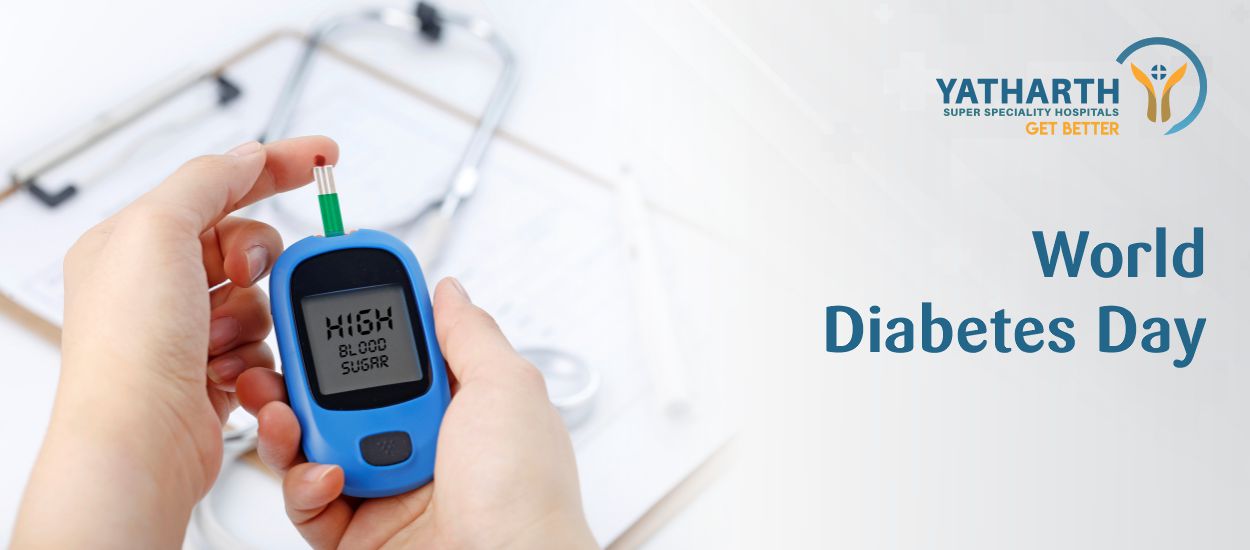


World Diabetes Day 2026 will be observed on 14 November 2026 to raise awareness about diabetes, promote early diagnosis, and encourage better prevention and management of this chronic health condition. The day highlights the importance of recognising diabetes symptoms, understanding risk factors, accessing timely medical care, and preventing long-term complications through regular monitoring and appropriate treatment.
The theme for the 2026–2027 World Diabetes Day campaign is “Early Action on Diabetes.” The campaign focuses on identifying diabetes at an early stage, reducing the risk of developing type 2 diabetes, and ensuring that people receive timely diagnosis, treatment, and ongoing support.
Diabetes is a growing public health concern in India, affecting people across different age groups and lifestyles. While some individuals experience noticeable symptoms, others may have elevated blood glucose levels for years without realising it. This makes regular health check-ups and risk assessment especially important.
On the occasion of World Diabetes Day 2026, Yatharth Hospitals aims to spread awareness about diabetes symptoms, causes, types, diagnosis, treatment options, and preventive measures to help individuals make informed decisions about their health.
What Is World Diabetes Day?
World Diabetes Day is observed every year on 14 November to increase global awareness about diabetes and encourage action towards its prevention, early diagnosis, and effective management.
The day was established in 1991 by the International Diabetes Federation (IDF) and the World Health Organization (WHO). It became an official United Nations observance in 2006. The date also marks the birthday of Sir Frederick Banting, who co-discovered insulin with Charles Best.
World Diabetes Day brings together healthcare professionals, hospitals, community organisations, policymakers, and individuals living with diabetes to promote education and improve access to healthcare.
The campaign addresses several important issues, including:
-
Recognising the early symptoms of diabetes.
-
Encouraging people at risk to undergo appropriate screening.
-
Promoting healthy eating and regular physical activity.
-
Improving access to diabetes diagnosis, medicines, and treatment.
-
Preventing complications involving the heart, kidneys, eyes, and nerves.
-
Supporting people living with diabetes without stigma or discrimination.
The central message is that diabetes awareness should lead to meaningful action. Early detection, appropriate treatment, and consistent follow-up can help people manage the condition and reduce the risk of serious complications.
World Diabetes Day 2026: Date and Theme
Date: 14 November 2026
Day: Saturday
Theme for 2026–2027: Early Action on Diabetes
The theme emphasises the importance of recognising diabetes early, reducing the risk of type 2 diabetes, and ensuring timely access to appropriate healthcare.
Early action is important because diabetes may remain undiagnosed until complications begin to appear. Identifying the condition before significant damage occurs can help patients begin treatment, improve blood glucose control, and protect their long-term health.
The campaign also highlights the need to make diabetes screening and care accessible to everyone, regardless of age, income, or location.
For individuals, early action means understanding personal risk factors, recognising possible symptoms, getting tested when appropriate, and following medical advice. For healthcare providers, it means identifying people at risk, facilitating timely diagnosis, and supporting patients throughout their treatment journey.
Why Is World Diabetes Day Important?
Diabetes is a chronic condition that can affect multiple organs and systems in the body. Without appropriate management, persistently high blood glucose levels can increase the risk of heart disease, kidney disease, vision loss, nerve damage, and other complications.
One of the major challenges is that type 2 diabetes often develops gradually and may not produce obvious symptoms in its early stages. As a result, some people are diagnosed only after routine blood tests or when a diabetes-related complication develops.
World Diabetes Day is important because it encourages people to take preventive action before symptoms become severe.
The observance helps to:
Promote early diagnosis: Encourage people with symptoms or risk factors to consult a healthcare professional and undergo appropriate blood glucose testing.
Increase public awareness: Explain how diabetes develops, which symptoms to recognise, and why ongoing management matters.
Encourage preventive habits: Promote balanced nutrition, regular physical activity, adequate sleep, and healthy weight management where appropriate.
Improve diabetes care: Highlight the importance of prescribed medication, regular monitoring, and follow-up consultations.
Prevent complications: Encourage screening for eye, kidney, cardiovascular, and nerve-related complications.
Reduce stigma: Remind people that diabetes is a medical condition, not a personal failure, and that everyone deserves respectful and effective care.
What Is Diabetes?
Diabetes mellitus is a chronic medical condition in which the level of glucose, or sugar, in the blood becomes too high.
Glucose is an important source of energy for the body's cells. After eating, carbohydrates are broken down into glucose, which enters the bloodstream. The hormone insulin, produced by the pancreas, helps glucose move from the blood into the body's cells for energy or storage.
Diabetes develops when the body does not produce enough insulin, cannot use insulin effectively, or experiences a combination of these problems.
When insulin production or function is impaired, glucose can accumulate in the bloodstream. Over time, persistently elevated blood glucose levels can damage blood vessels and nerves, affecting several organs.
Diabetes cannot be managed through one universal treatment plan. The appropriate approach depends on the type of diabetes, the patient's age, medical history, blood glucose levels, and individual health needs.
With early diagnosis, appropriate treatment, healthy lifestyle habits, and regular medical monitoring, many people with diabetes can maintain a good quality of life.
What Are the Different Types of Diabetes?
Diabetes is classified into several types. Understanding the differences is important because the causes, treatment approaches, and long-term management requirements vary.
1. Type 1 Diabetes
Type 1 diabetes is an autoimmune condition in which the body's immune system attacks the insulin-producing beta cells in the pancreas. As a result, the body produces little or no insulin.
It can develop during childhood, adolescence, or adulthood. Although its exact cause is not fully understood, genetic and environmental factors may contribute.
Common symptoms include excessive thirst, frequent urination, unexplained weight loss, fatigue, and increased hunger. Symptoms may develop rapidly.
People with type 1 diabetes require insulin treatment to survive. Delaying diagnosis or insulin treatment can lead to diabetic ketoacidosis, a potentially life-threatening emergency.
Type 1 diabetes is not caused by eating too much sugar or by an unhealthy lifestyle.
2. Type 2 Diabetes
Type 2 diabetes is the most common form of diabetes. It occurs when the body becomes resistant to insulin and, over time, the pancreas cannot produce enough insulin to maintain normal blood glucose levels.
It is associated with a combination of genetic, metabolic, environmental, and lifestyle factors. Excess body fat, particularly abdominal fat, physical inactivity, family history, increasing age, and a history of gestational diabetes can increase the risk.
Type 2 diabetes is becoming increasingly important in India, where changing dietary patterns, sedentary routines, urbanisation, and other metabolic risk factors contribute to the growing burden of the condition.
Symptoms may develop gradually, and some people have no noticeable symptoms for years.
Management may include dietary changes, physical activity, weight management where appropriate, oral medicines, injectable medicines, insulin, or a combination of treatments.
Early detection can help reduce the risk of complications and may allow people at high risk to delay or prevent the development of type 2 diabetes through structured lifestyle interventions.
3. Gestational Diabetes
Gestational diabetes develops during pregnancy when blood glucose levels become higher than normal.
Pregnancy-related hormonal changes can increase insulin resistance, making it more difficult for the body to maintain normal blood glucose levels.
Gestational diabetes may not cause obvious symptoms, which is why screening during pregnancy is important.
If left unmanaged, it can increase the risk of complications for both the mother and baby, including excessive fetal growth, birth complications, and certain newborn health problems.
Management may involve a balanced diet, appropriate physical activity, blood glucose monitoring, and medication when needed.
Women who develop gestational diabetes have a higher risk of developing type 2 diabetes later in life. Follow-up testing after delivery and periodic screening thereafter are therefore important.
4. Other Specific Types of Diabetes
Some forms of diabetes develop due to other medical conditions, genetic disorders, pancreatic diseases, or certain medicines.
For example, diseases affecting the pancreas can interfere with insulin production. Some medicines may also increase blood glucose levels in susceptible individuals.
The diagnosis and treatment depend on the underlying cause. A healthcare professional may recommend additional investigations when a less common form of diabetes is suspected.
What Are the Early Symptoms of Diabetes?
Recognising diabetes symptoms is one of the most important steps towards early diagnosis.
Common symptoms include:
-
Frequent urination, particularly at night.
-
Excessive thirst.
-
Increased hunger.
-
Unexplained weight loss.
-
Persistent tiredness or weakness.
-
Blurred vision.
-
Slow healing of cuts and wounds.
-
Recurrent skin or urinary tract infections.
-
Tingling, numbness, or burning sensations in the hands and feet.
-
Dry skin or itching.
Not everyone experiences all these symptoms. Some people with type 2 diabetes may feel completely well despite having elevated blood glucose levels.
Type 1 diabetes often develops more rapidly, whereas type 2 diabetes may progress gradually over several years.
1. Frequent Urination
When blood glucose levels become excessively high, the kidneys attempt to remove some of the excess glucose through urine. This can increase urine production and lead to frequent trips to the bathroom.
2. Excessive Thirst
Frequent urination can cause fluid loss, leading to dehydration and increased thirst.
If you constantly feel thirsty despite drinking fluids, especially when accompanied by frequent urination, consult a healthcare professional.
3. Unexplained Weight Loss
Some people with diabetes lose weight without trying. This may happen when the body cannot use glucose effectively and begins breaking down fat and muscle for energy.
Unexplained weight loss should not be ignored, particularly when accompanied by increased thirst or frequent urination.
4. Fatigue and Weakness
When the body cannot use glucose effectively, a person may experience persistent tiredness. Dehydration and other metabolic changes can contribute to fatigue.
However, tiredness has many possible causes, so blood testing and medical evaluation may be needed to determine the reason.
5. Blurred Vision
High blood glucose levels can temporarily affect the fluid balance in the eye and change vision. Persistently elevated glucose can also damage the blood vessels in the retina, leading to diabetic retinopathy.
Sudden vision changes require prompt medical assessment.
6. Slow Wound Healing
Diabetes can affect circulation, immune function, and nerve health. These changes may contribute to delayed wound healing and increase the risk of infection.
People with diabetes should pay particular attention to cuts, blisters, and wounds on their feet.
Important: If you experience excessive thirst, frequent urination, unexplained weight loss, or persistent fatigue, consult a healthcare professional. Rapid breathing, vomiting, abdominal pain, severe dehydration, or confusion in someone with suspected diabetes may indicate a medical emergency.
What Causes Diabetes?
There is no single cause of diabetes. Different types develop through different mechanisms, and several factors may contribute to an individual's risk.
Genetic Factors and Family History
Having a close family member with diabetes can increase the likelihood of developing the condition. However, family history does not mean that diabetes is inevitable.
Insulin Resistance
In type 2 diabetes, the body's cells respond less effectively to insulin. The pancreas initially tries to compensate by producing more insulin, but it may eventually become unable to meet the body's needs.
Excess Body Weight
Excess body fat, particularly around the abdomen, is associated with increased insulin resistance and a higher risk of type 2 diabetes.
However, diabetes can also develop in people who are not overweight.
Physical Inactivity
Limited physical activity can contribute to insulin resistance and metabolic problems. Regular movement helps muscles use glucose and supports better metabolic health.
Dietary Patterns
Frequent consumption of energy-dense foods, sugary drinks, and highly processed foods may contribute to weight gain and increase metabolic risk when these foods displace more nutritious options.
Diabetes is not caused by eating sugar alone. Overall dietary patterns, physical activity, genetics, and other health factors all matter.
Increasing Age
The risk of type 2 diabetes generally increases with age, although the condition can develop in younger adults, adolescents, and children.
Hormonal Changes During Pregnancy
Pregnancy can increase insulin resistance. Some women develop gestational diabetes when the pancreas cannot produce enough additional insulin to meet the body's needs.
Other Medical Conditions and Medicines
Certain hormonal disorders, pancreatic diseases, and medicines can affect blood glucose levels. People taking medicines that may increase glucose should discuss appropriate monitoring with their doctor rather than stopping treatment independently.
Who Should Get Tested for Diabetes?
Diabetes screening can help identify elevated blood glucose levels before symptoms become obvious.
You should discuss diabetes testing with a healthcare professional if you:
-
Have symptoms such as excessive thirst or frequent urination.
-
Have a parent or sibling with diabetes.
-
Have overweight or abdominal obesity.
-
Have high blood pressure or abnormal cholesterol levels.
-
Have a history of gestational diabetes.
-
Have polycystic ovary syndrome (PCOS), particularly with additional metabolic risk factors.
-
Lead a predominantly sedentary lifestyle and have other risk factors.
-
Have previously been told that your blood glucose levels are higher than normal.
-
Have cardiovascular disease or other conditions associated with increased diabetes risk.
The appropriate age and frequency for screening depend on individual risk factors and applicable clinical guidelines. Your doctor can advise when testing should begin and how often it should be repeated.
How Is Diabetes Diagnosed?
Diabetes is diagnosed using blood tests that measure glucose levels or assess average blood glucose over time. Symptoms and medical history also help guide the evaluation.
1. Fasting Blood Glucose Test
This test measures blood glucose after at least eight hours without food or drinks containing calories.
Common diagnostic thresholds for non-pregnant adults are:
-
Normal: below 100 mg/dL.
-
Prediabetes: 100–125 mg/dL.
-
Diabetes: 126 mg/dL or higher.
A result in the diabetes range generally needs confirmation with repeat testing unless the patient has unequivocal hyperglycaemia or another clear diagnostic basis.
2. HbA1c Test
The HbA1c test estimates average blood glucose over approximately the previous two to three months.
Common diagnostic thresholds are:
-
Normal: below 5.7%.
-
Prediabetes: 5.7–6.4%.
-
Diabetes: 6.5% or higher.
Certain conditions, including some forms of anaemia, altered red blood cell turnover, and some haemoglobin variants, can affect HbA1c accuracy. A healthcare professional may recommend a different test when appropriate.
3. Oral Glucose Tolerance Test
This test measures blood glucose before and after consuming a standard glucose drink. It helps assess how effectively the body processes glucose.
For the two-hour value in a standard oral glucose tolerance test in non-pregnant adults:
-
Normal: below 140 mg/dL.
-
Prediabetes: 140–199 mg/dL.
-
Diabetes: 200 mg/dL or higher.
Different protocols and diagnostic thresholds apply during pregnancy.
4. Random Blood Glucose Test
A random blood glucose test can be performed at any time of the day.
A result of 200 mg/dL or higher, together with classic symptoms of diabetes or a hyperglycaemic crisis, can support a diagnosis. In other situations, additional testing may be necessary.
Why Is Early Testing Important?
Early testing can identify diabetes before complications become apparent. It can also identify prediabetes, a condition in which blood glucose levels are higher than normal but do not meet the diagnostic criteria for diabetes.
People with prediabetes may benefit from structured lifestyle changes and regular follow-up. In some individuals, medication may also be considered based on their risk profile.
Test results should always be interpreted by a qualified healthcare professional in the context of the patient's medical history and symptoms.
What Is Prediabetes?
Prediabetes is a condition in which blood glucose levels are higher than normal but below the threshold for diagnosing diabetes.
It indicates an increased risk of developing type 2 diabetes and cardiovascular disease. However, progression to diabetes is not inevitable.
Many people with prediabetes do not experience noticeable symptoms. A blood test may be the only way to identify the condition.
Management commonly focuses on:
-
Adopting a balanced, nutrient-rich diet.
-
Increasing regular physical activity.
-
Achieving and maintaining a healthy weight when appropriate.
-
Getting adequate sleep.
-
Avoiding tobacco.
-
Monitoring blood glucose as advised.
-
Managing blood pressure and cholesterol.
-
Considering medication in selected high-risk individuals under medical supervision.
Early intervention can help reduce the risk of progression to type 2 diabetes.
How Can Diabetes Be Prevented?
Type 1 diabetes cannot currently be prevented through routine lifestyle changes. However, many cases of type 2 diabetes can be delayed or prevented through evidence-based lifestyle interventions, particularly among people at increased risk.
1. Follow a Balanced Diet
Choose a variety of vegetables, whole grains, pulses, beans, nuts, seeds, and suitable protein sources.
For an Indian diet, practical choices may include dal, chana, rajma, vegetables, whole-wheat roti, and appropriate portions of rice, along with curd or other suitable protein sources.
Try to limit sugary drinks, frequent sweets, and highly processed foods. Portion sizes and overall dietary patterns matter more than avoiding one food group completely.
A registered dietitian or healthcare professional can help create an eating plan suited to your preferences, medical conditions, and nutritional needs.
2. Exercise Regularly
Regular physical activity helps improve insulin sensitivity and supports cardiovascular health.
Many adults can aim for at least 150 minutes of moderate-intensity aerobic activity each week, with muscle-strengthening activities on two or more days, according to their health and ability.
Brisk walking, cycling, swimming, and suitable strength exercises can be useful options.
People who have been inactive or have existing health conditions should seek medical guidance before beginning a demanding exercise programme.
3. Maintain a Healthy Weight
For individuals with overweight or obesity, even modest, sustained weight loss can reduce the risk of developing type 2 diabetes.
Weight management should focus on sustainable habits rather than crash diets or extreme restrictions. The appropriate target depends on a person's health, age, and individual circumstances.
4. Avoid Smoking and Tobacco
Smoking increases cardiovascular risk and can make diabetes-related complications more likely. Avoiding tobacco is an important part of protecting long-term health.
5. Get Adequate Sleep
Poor sleep and irregular sleep patterns are associated with metabolic health problems. Aim for a consistent sleep schedule and seek medical advice for persistent insomnia or symptoms of sleep apnoea.
6. Attend Regular Health Check-Ups
Routine health assessments can help identify diabetes risk factors such as high blood pressure, abnormal cholesterol, excess weight, and elevated blood glucose.
People with a family history of diabetes or other risk factors should discuss an appropriate screening schedule with their doctor.
7. Manage Stress and Build Sustainable Habits
Chronic stress can affect sleep, eating patterns, physical activity, and glucose management. Relaxation techniques, regular movement, social support, and professional guidance can help support overall well-being.
Lifestyle changes work best when they are realistic and maintained over time.
How Is Diabetes Treated?
Diabetes treatment aims to maintain blood glucose within an appropriate range, prevent complications, and support quality of life.
The treatment plan depends on the type of diabetes, blood glucose levels, age, pregnancy status, other medical conditions, and individual treatment goals.
1. Dietary Management
A balanced diet supports blood glucose management and overall health. The plan may focus on portion control, carbohydrate distribution, fibre-rich foods, suitable protein sources, and limiting sugary beverages.
People taking insulin or certain glucose-lowering medicines may need specific advice about meal timing and carbohydrate intake to reduce the risk of hypoglycaemia.
2. Regular Physical Activity
Exercise can improve insulin sensitivity and cardiovascular health. People using insulin or medicines that may cause low blood glucose should discuss how to adjust food intake, monitoring, or medication around exercise when necessary.
3. Oral Medicines
Several oral medicines are available for type 2 diabetes. They work in different ways, including reducing glucose production by the liver, improving insulin sensitivity, or helping the body remove excess glucose.
The choice depends on the patient's clinical needs, kidney and heart health, risk of low blood glucose, side effects, and treatment goals.
4. Injectable Medicines
Some people with type 2 diabetes may benefit from injectable medicines, including certain GLP-1 receptor agonists or other therapies, depending on their medical history and treatment needs.
These medicines are not suitable for everyone and must be prescribed by a qualified healthcare professional.
5. Insulin Therapy
Insulin is essential for people with type 1 diabetes. It may also be required for some people with type 2 diabetes or gestational diabetes when other measures are insufficient or when specific clinical circumstances make insulin the preferred treatment.
Insulin doses must be individualised. Patients should receive guidance on administration, glucose monitoring, storage, and recognising low blood glucose.
6. Regular Blood Glucose Monitoring
Monitoring may involve home blood glucose testing, continuous glucose monitoring, or periodic laboratory tests, depending on the treatment plan.
The frequency of monitoring varies. It is particularly important for people using insulin or medicines that can cause hypoglycaemia.
7. Individualised Treatment Goals
Not every patient has the same blood glucose target. Treatment goals should account for age, duration of diabetes, other medical conditions, pregnancy, risk of hypoglycaemia, and personal preferences.
Patients should not change or stop prescribed medicines without consulting their treating doctor.
What Are the Complications of Uncontrolled Diabetes?
Persistently elevated blood glucose can damage blood vessels and nerves over time. The risk of complications generally increases with prolonged poor glucose control, although individual risk also depends on blood pressure, cholesterol, smoking, genetics, and other factors.
1. Heart Disease and Stroke
Diabetes increases the risk of cardiovascular disease, including heart attacks and strokes.
Managing blood glucose, blood pressure, cholesterol, and other cardiovascular risk factors is important for reducing this risk.
2. Kidney Disease
High blood glucose and high blood pressure can damage the kidneys, sometimes leading to chronic kidney disease.
Regular kidney assessment may include urine albumin testing and blood tests to estimate kidney function.
Early detection can help guide treatment and slow disease progression.
3. Diabetic Retinopathy
Diabetes can damage the small blood vessels in the retina, the light-sensitive tissue at the back of the eye. This can lead to vision problems and, in advanced cases, blindness.
Regular retinal screening is important even when vision seems normal because early retinal damage may not cause noticeable symptoms.
4. Nerve Damage
Diabetic neuropathy can cause tingling, numbness, burning, pain, or reduced sensation, particularly in the feet and legs.
Reduced sensation may make it difficult to notice injuries, increasing the risk of ulcers and infection.
5. Diabetic Foot Problems
Poor circulation and nerve damage can make foot wounds difficult to heal. Untreated infections may lead to serious complications.
People with diabetes should inspect their feet regularly, wear suitable footwear, avoid walking barefoot when injury risk is present, and seek medical assessment for wounds, swelling, redness, or discolouration.
6. Increased Risk of Infections
Diabetes can affect immune function and increase the likelihood of certain infections. High blood glucose may also interfere with wound healing.
Good glucose control, appropriate hygiene, vaccination where recommended, and timely treatment of infections can help reduce risk.
7. Oral Health Problems
People with diabetes may have a higher risk of gum disease, dry mouth, and certain oral infections.
Regular dental check-ups, brushing twice daily, cleaning between teeth, and maintaining good glucose control can support oral health.
8. Sexual and Reproductive Health Problems
Diabetes can affect sexual function and reproductive health. Some individuals may experience erectile dysfunction, reduced sexual response, or pregnancy-related complications.
These concerns are common medical issues and should be discussed with a healthcare professional without embarrassment.
How Can People Living With Diabetes Stay Healthy?
A diabetes diagnosis does not mean that a person cannot lead an active and fulfilling life. Effective management involves a combination of medical care, self-monitoring, preventive screening, and daily habits.
People living with diabetes can support their health by:
-
Taking prescribed medicines consistently.
-
Following an individualised meal plan.
-
Staying physically active according to their ability.
-
Monitoring blood glucose as advised.
-
Attending scheduled medical appointments.
-
Checking blood pressure and cholesterol.
-
Completing recommended eye and kidney screening.
-
Inspecting their feet and addressing injuries early.
-
Discussing emotional stress, sleep problems, or treatment difficulties with their healthcare team.
-
Seeking guidance before making significant changes to medication or diet.
Family members can also play an important role by providing encouragement, helping with practical care when needed, and avoiding blame or judgement.
Diabetes management is a continuing process. Small, consistent actions can make a meaningful difference over time.
Diabetes and Heart Health: Why Both Need Attention
Diabetes and cardiovascular disease are closely connected. High blood glucose can damage blood vessels, while associated conditions such as high blood pressure, abnormal cholesterol, and excess abdominal fat can further increase cardiovascular risk.
People with diabetes should discuss their overall cardiovascular risk with their doctor rather than focusing on blood glucose alone.
Important measures may include:
-
Regular blood pressure checks.
-
Cholesterol testing.
-
Appropriate blood glucose management.
-
Avoiding tobacco.
-
Physical activity and suitable nutrition.
-
Medicines for cardiovascular risk reduction when indicated.
-
Prompt evaluation of symptoms such as chest discomfort or unusual breathlessness.
Sudden chest pain, severe breathlessness, fainting, or other possible signs of a heart attack or stroke require emergency medical care.
Diabetes During Pregnancy: Why Monitoring Matters
Gestational diabetes requires special attention because it can affect both maternal and fetal health.
Pregnant women should follow their clinician's advice regarding glucose screening, nutrition, activity, monitoring, and medication when needed.
Good blood glucose management can reduce the risk of certain complications. After delivery, women who have experienced gestational diabetes should undergo the recommended follow-up testing because their future risk of type 2 diabetes is higher.
Women with pre-existing diabetes who are planning a pregnancy should consult their healthcare team before conception. Medication review, glucose management, and assessment of existing complications can help support a safer pregnancy.
Diabetes in Children and Young Adults
Diabetes can affect children, teenagers, and young adults. Type 1 diabetes is an important cause of diabetes in younger people, although type 2 diabetes can also develop in this age group.
Parents and caregivers should watch for excessive thirst, frequent urination, unexplained weight loss, fatigue, and sudden changes in behaviour or energy.
Symptoms that develop quickly require prompt medical evaluation.
Vomiting, abdominal pain, deep or rapid breathing, fruity-smelling breath, or unusual drowsiness in a child with suspected diabetes may indicate diabetic ketoacidosis and require emergency treatment.
Young people living with diabetes need age-appropriate education, emotional support, and coordination between families, schools, and healthcare professionals.
Common Myths and Facts About Diabetes
Myth 1: Diabetes Is Caused Only by Eating Too Much Sugar
Fact: Diabetes develops through different mechanisms involving insulin production, insulin resistance, genetics, and other factors. Excessive consumption of sugary foods and drinks may contribute to metabolic risk, but sugar alone does not explain all cases of diabetes.
Myth 2: Only Overweight People Develop Diabetes
Fact: Excess body weight is an important risk factor for type 2 diabetes, but people with a healthy body weight can also develop it. Type 1 diabetes is not caused by excess body weight.
Myth 3: Diabetes Always Causes Noticeable Symptoms
Fact: Type 2 diabetes can develop gradually without obvious symptoms. Screening may identify the condition before the person feels unwell.
Myth 4: People With Diabetes Must Avoid All Carbohydrates
Fact: Carbohydrates can be part of a balanced diet. The type, quantity, distribution, and overall quality of carbohydrates matter. Individual dietary advice can help people manage glucose while meeting their nutritional needs.
Myth 5: Insulin Is Needed Only When Diabetes Becomes Severe
Fact: Insulin is essential for type 1 diabetes and may be necessary in other situations. The need for insulin depends on the type of diabetes and clinical circumstances, not on personal failure.
Myth 6: Diabetes Medicines Can Be Stopped Once Glucose Levels Improve
Fact: Improved glucose levels may reflect the effectiveness of treatment. Stopping medicines without medical advice can cause blood glucose to rise again.
Myth 7: People With Diabetes Cannot Lead Normal Lives
Fact: With appropriate treatment, education, monitoring, and support, many people with diabetes can work, travel, exercise, and participate fully in everyday life.
Myth 8: Prediabetes Always Progresses to Diabetes
Fact: Prediabetes increases the risk of type 2 diabetes, but progression is not inevitable. Lifestyle interventions and appropriate medical support can reduce risk.
When Should You Consult a Doctor for Diabetes?
Consult a healthcare professional if you experience symptoms such as excessive thirst, frequent urination, unexplained weight loss, persistent fatigue, or blurred vision.
You should also discuss screening if you have a family history of diabetes, previous gestational diabetes, high blood pressure, abnormal cholesterol, or other recognised risk factors.
People already diagnosed with diabetes should seek medical advice when glucose levels remain outside their individual targets, medication causes troublesome side effects, wounds are slow to heal, or symptoms of complications develop.
Seek emergency medical care for possible signs of diabetic ketoacidosis or a severe glucose-related emergency, including vomiting with abdominal pain, deep or rapid breathing, confusion, fainting, or unconsciousness.
Early medical evaluation can help establish the diagnosis, identify complications, and determine an appropriate treatment plan.
How Yatharth Hospitals Supports Diabetes Care
Yatharth Hospitals recognises the importance of diabetes awareness, timely diagnosis, and long-term management in protecting overall health.
Diabetes care may involve clinical assessment, blood glucose testing, HbA1c measurement, evaluation of risk factors, medication management, and screening for complications according to individual needs.
Depending on the patient's condition, care may also involve guidance on nutrition, physical activity, blood pressure management, cholesterol control, kidney health, eye screening, and foot care.
People living with diabetes may require coordinated support from healthcare professionals to manage their condition effectively and reduce the risk of complications.
Through World Diabetes Day 2026, Yatharth Hospitals encourages individuals to understand their diabetes risk, recognise possible warning signs, undergo appropriate screening, and seek timely professional advice.
The hospital's awareness message is simple: early action, informed decisions, and consistent follow-up can help people protect their health and improve their quality of life.
Conclusion: Take Early Action on Diabetes This World Diabetes Day 2026
World Diabetes Day 2026, observed on 14 November, highlights the importance of early diagnosis, prevention, and accessible diabetes care. With the campaign theme “Early Action on Diabetes,” the focus is on recognising symptoms, identifying risk factors, and helping people receive appropriate care before serious complications develop.
Diabetes can affect people of different ages and backgrounds, and its symptoms are not always obvious. Regular screening, balanced nutrition, physical activity, prescribed treatment, and routine health checks can play an important role in reducing risks and improving long-term outcomes.
If you have symptoms or risk factors for diabetes, do not wait for complications to appear before seeking medical advice. If you are already living with diabetes, continue your treatment and follow-up plan and discuss any concerns with your healthcare team.