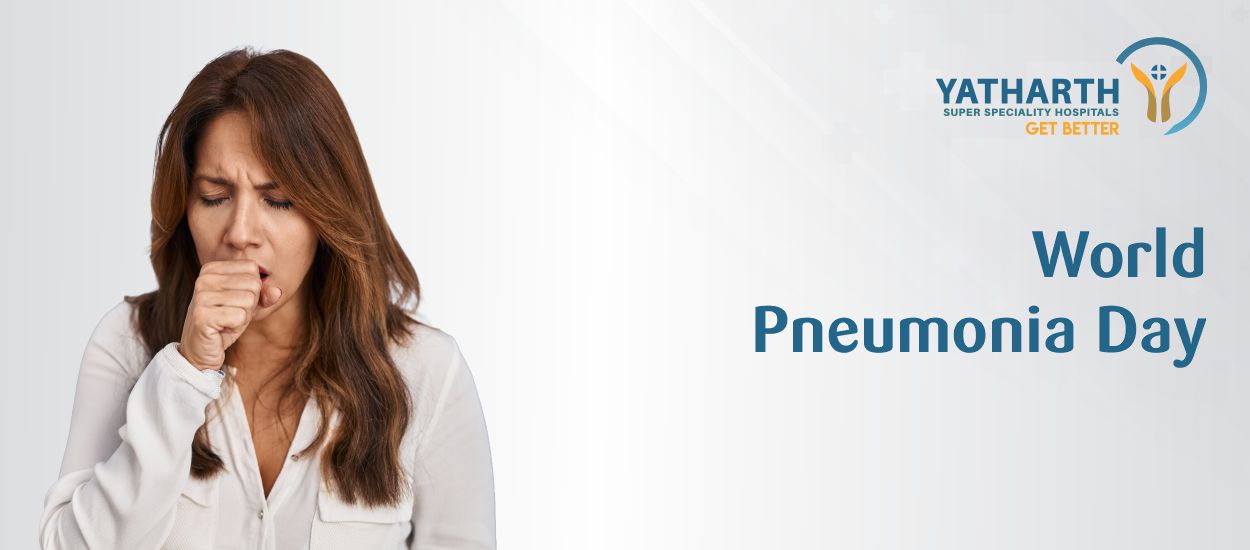


World Pneumonia Day 2026 will be observed on 12 November 2026 to raise awareness about pneumonia, a serious respiratory infection that affects the lungs and can lead to life-threatening complications if not diagnosed and treated promptly. The day highlights the importance of early diagnosis, timely medical care, vaccination, and preventive measures to reduce the global burden of pneumonia.
Pneumonia can affect people of all ages, but young children, older adults, and individuals with weakened immune systems or underlying medical conditions are at a higher risk of developing severe illness. Recognising the early symptoms and understanding when to seek medical attention can help prevent complications and support faster recovery.
On the occasion of World Pneumonia Day 2026, Yatharth Hospitals aims to promote awareness about pneumonia, its causes, symptoms, diagnosis, treatment options, and preventive strategies to help individuals and families make informed decisions about respiratory health.
What Is World Pneumonia Day?
World Pneumonia Day is observed annually on 12 November to increase awareness about pneumonia and encourage collective action to prevent and treat this potentially serious disease. The observance focuses on educating people about the warning signs of pneumonia, improving access to healthcare, promoting vaccination, and supporting early medical intervention.
Pneumonia remains an important public health concern because it can affect breathing, reduce oxygen levels in the blood, and cause serious complications, particularly in vulnerable populations. Awareness initiatives encourage individuals to recognise symptoms early and seek appropriate medical care rather than relying solely on home remedies or self-medication.
World Pneumonia Day also emphasises the role of healthcare professionals, hospitals, caregivers, and communities in reducing preventable illness and improving outcomes for people affected by respiratory infections.
World Pneumonia Day 2026: Date and Significance
Date: 12 November 2026
Day: Thursday
Occasion: World Pneumonia Day
World Pneumonia Day serves as a reminder that pneumonia should not be mistaken for an ordinary cold or a mild cough, particularly when symptoms become severe or progressively worsen. Although many cases can be treated successfully, delayed diagnosis may increase the risk of serious complications.
The day is significant for several reasons:
-
Raising awareness: Educating people about pneumonia symptoms, causes, risk factors, and treatment.
-
Encouraging early diagnosis: Helping individuals recognise warning signs and consult a healthcare professional promptly.
-
Promoting prevention: Highlighting vaccination, hand hygiene, respiratory etiquette, and healthier living environments.
-
Protecting vulnerable groups: Emphasising the needs of infants, older adults, and people with chronic illnesses.
-
Improving access to care: Encouraging timely medical assessment and appropriate treatment for people experiencing respiratory symptoms.
By spreading awareness, World Pneumonia Day supports efforts to reduce the complications associated with pneumonia and promote better respiratory health.
What Is Pneumonia?
Pneumonia is an infection that causes inflammation in one or both lungs. The tiny air sacs in the lungs, known as alveoli, may fill with fluid or pus, making it difficult for oxygen to pass efficiently into the bloodstream.
The severity of pneumonia varies from person to person. Some individuals experience mild symptoms and recover with appropriate treatment, while others may develop breathing difficulties, low oxygen levels, or other serious complications that require hospitalisation.
Pneumonia may develop after a respiratory infection or occur independently. It can affect otherwise healthy individuals, but the risk of severe disease is higher among people with weakened immunity, chronic lung disease, heart disease, diabetes, or other underlying health conditions.
Pneumonia is not a single disease caused by one organism. Different bacteria, viruses, and, less commonly, fungi can cause the infection. Identifying the likely cause helps healthcare professionals determine the most appropriate treatment.
What Are the Different Types of Pneumonia?
Pneumonia can be classified according to the organism responsible for the infection or the circumstances in which it develops.
1. Bacterial Pneumonia
Bacterial pneumonia occurs when bacteria infect the lungs. Streptococcus pneumoniae is one of the common bacterial causes, although other bacteria can also lead to the condition.
Symptoms may develop suddenly and include fever, chills, cough, chest discomfort, fatigue, and difficulty breathing. Some people may produce yellowish or greenish sputum, although sputum colour alone cannot establish the cause of infection.
Bacterial pneumonia may require antibiotics prescribed by a qualified healthcare professional.
2. Viral Pneumonia
Viral pneumonia develops due to respiratory viruses, including influenza viruses, respiratory syncytial virus (RSV), and SARS-CoV-2, which causes COVID-19.
Symptoms can include fever, cough, fatigue, body aches, and breathlessness. Viral pneumonia may be mild in some individuals but can become severe in people at higher risk.
Antibiotics do not treat viruses. Depending on the infection and the patient's condition, treatment may involve supportive care or specific antiviral medicines.
3. Fungal Pneumonia
Fungal pneumonia is less common and is more likely to affect individuals with weakened immune systems or those exposed to certain environmental fungi. The risk depends on the person's health, location, and exposure history.
Diagnosis may require specialised laboratory investigations, and treatment generally involves appropriate antifungal medication under medical supervision.
4. Aspiration Pneumonia
Aspiration pneumonia may develop when food, liquids, saliva, vomit, or other material enters the lower respiratory tract and causes infection or inflammation.
People with swallowing difficulties, reduced consciousness, certain neurological conditions, or impaired protective reflexes may be at greater risk.
Treatment depends on the severity of the condition and whether an infection has developed.
5. Hospital-Acquired Pneumonia
Hospital-acquired pneumonia develops during a hospital stay and was not present or incubating at the time of admission. Some cases may involve bacteria that are resistant to commonly used antibiotics.
Diagnosis and treatment require careful assessment because the patient's underlying illness, recent medical procedures, and local antimicrobial resistance patterns may influence treatment decisions.
What Are the Common Symptoms of Pneumonia?
Pneumonia symptoms can range from mild to severe and may resemble those of influenza, bronchitis, or other respiratory infections. Symptoms may appear gradually or develop quickly.
Common signs and symptoms include:
-
Persistent or worsening cough, with or without mucus.
-
Fever, chills, or sweating.
-
Shortness of breath or rapid breathing.
-
Chest pain that becomes worse while breathing deeply or coughing.
-
Fatigue, weakness, and reduced energy.
-
Loss of appetite.
-
Body aches and general discomfort.
-
Nausea, vomiting, or diarrhoea in some cases.
-
Confusion or unusual drowsiness, particularly in older adults.
Not everyone with pneumonia develops a high fever. Older adults may experience confusion, weakness, reduced appetite, or a sudden decline in daily functioning rather than typical respiratory symptoms.
In infants and young children, warning signs may include rapid breathing, difficulty feeding, unusual irritability, reduced activity, or chest indrawing while breathing.
When Should You Seek Immediate Medical Attention?
Pneumonia can become serious when it interferes with normal breathing or causes oxygen levels to fall.
Seek urgent medical care if you or someone around you experiences:
-
Severe difficulty breathing or rapidly worsening breathlessness.
-
Bluish or grey lips, tongue, or skin.
-
Persistent or severe chest pain.
-
New confusion, fainting, or difficulty staying awake.
-
Inability to drink fluids or signs of significant dehydration.
-
Rapid deterioration in an infant, older adult, or person with a serious underlying illness.
Do not delay emergency care while waiting for symptoms to improve at home. Early medical assessment can help identify severe infection and determine whether oxygen therapy or hospital treatment is required.
What Causes Pneumonia?
Pneumonia develops when infectious organisms reach the lungs and cause inflammation. The body normally has protective mechanisms that help prevent germs from entering the lower respiratory tract. However, infections can occur when these defences are overwhelmed or weakened.
Common causes include:
Bacteria: Several bacterial species can cause pneumonia, including Streptococcus pneumoniae and other organisms associated with community-acquired or hospital-acquired infections.
Viruses: Influenza, RSV, COVID-19, and other respiratory viruses can cause pneumonia, either independently or alongside a secondary infection.
Fungi: Certain fungi can cause pneumonia, particularly in people with compromised immune systems or specific environmental exposures.
Pneumonia can sometimes develop after another respiratory illness. In other cases, the infection begins without a clearly identifiable preceding illness.
It is important to understand that exposure to a respiratory germ does not always lead to pneumonia. A person's age, immunity, general health, vaccination status, and environmental conditions can influence their risk.
Who Is at Higher Risk of Pneumonia?
Although pneumonia can affect anyone, certain groups are more vulnerable to severe infection and complications.
Infants and Young Children
Young children's immune systems are still developing, and pneumonia can progress rapidly. Caregivers should watch for fast breathing, feeding difficulties, unusual sleepiness, and chest indrawing.
Older Adults
People aged 65 years and above are at greater risk of severe pneumonia, particularly if they have other health conditions. Symptoms may be less obvious, making early medical assessment especially important.
People With Chronic Medical Conditions
Individuals with asthma, chronic obstructive pulmonary disease (COPD), heart disease, diabetes, kidney disease, or other long-term conditions may be more vulnerable to complications.
People With Weakened Immunity
Cancer treatment, organ transplantation, certain medicines, and immune system disorders can increase susceptibility to pneumonia and other infections.
Smokers and People Exposed to Air Pollution
Smoking can damage the lungs' natural protective mechanisms. Exposure to polluted air, dust, and harmful fumes can also affect respiratory health and may increase susceptibility to respiratory illness.
People With Swallowing Difficulties
Conditions that interfere with normal swallowing or consciousness can increase the risk of aspiration, which may lead to pneumonia.
Understanding these risk factors can help individuals and families take preventive measures and seek medical advice when respiratory symptoms develop.
How Is Pneumonia Diagnosed?
Pneumonia diagnosis involves assessing symptoms, examining the patient, and using investigations when clinically appropriate. The exact approach depends on the severity of the illness, the patient's age, medical history, and suspected cause.
1. Medical History and Physical Examination
The healthcare professional may ask about the duration of symptoms, fever, cough, breathing difficulties, previous illnesses, vaccination history, smoking, and any existing medical conditions.
The doctor may listen to the lungs using a stethoscope to identify abnormal breathing sounds.
2. Oxygen Level Measurement
Pulse oximetry may be used to estimate oxygen saturation in the blood. Low oxygen levels can indicate more serious respiratory involvement and may influence the need for hospital treatment.
3. Chest X-Ray
A chest X-ray may help identify areas of inflammation or infection in the lungs. It is commonly used when pneumonia is suspected, particularly in patients with more significant symptoms or possible complications.
Not every patient with a mild respiratory illness requires imaging. The decision depends on the clinical assessment.
4. Blood Tests
Blood tests may be recommended to assess inflammation, evaluate overall health, or identify signs of severe infection.
5. Sputum and Microbiological Tests
In selected cases, sputum samples, blood cultures, or respiratory tests may help identify the organism responsible for the infection. These tests may be particularly useful in severe illness, treatment failure, or suspected resistant infection.
6. Additional Investigations
Patients with severe or complicated pneumonia may require further imaging or other investigations to assess complications such as fluid accumulation around the lungs.
The treating doctor determines which tests are necessary. Early and accurate diagnosis helps guide treatment and reduces the risk of unnecessary medication.
What Are the Treatment Options for Pneumonia?
Pneumonia treatment depends on the cause of infection, symptom severity, age, existing medical conditions, and the risk of complications. Some patients can recover at home with appropriate medical guidance, while others require hospitalisation.
1. Antibiotics for Bacterial Pneumonia
Antibiotics are used to treat bacterial pneumonia. The choice of antibiotic depends on factors such as the suspected organism, severity of illness, patient history, allergies, and local resistance patterns.
Patients should take antibiotics exactly as prescribed and should not use leftover antibiotics or medicines prescribed to someone else.
Antibiotics are not effective against viral infections, and unnecessary use can contribute to antibiotic resistance.
2. Antiviral Treatment for Selected Viral Infections
Certain viral infections may benefit from antiviral medicines, particularly when treatment begins early or the patient is at higher risk of severe disease.
The appropriate medicine depends on the virus involved and the patient's clinical condition. Not every case of viral pneumonia requires antiviral treatment.
3. Supportive Care
Supportive treatment helps the body recover and may include:
-
Adequate rest.
-
Sufficient fluid intake, unless a doctor has advised fluid restriction.
-
Medicines to relieve fever or discomfort when appropriate.
-
Monitoring symptoms and breathing.
-
Maintaining adequate nutrition.
Supportive care should complement, rather than replace, medical evaluation when pneumonia is suspected.
4. Oxygen Therapy
Patients with low blood oxygen levels may require supplemental oxygen. The need for oxygen depends on clinical assessment and measured oxygen saturation.
5. Hospitalisation
Hospital treatment may be necessary for people experiencing severe breathlessness, low oxygen levels, dehydration, confusion, unstable vital signs, or other serious complications.
Hospital care may include intravenous fluids, oxygen support, antibiotics or other targeted medicines, and close monitoring.
6. Intensive Care for Severe Pneumonia
In critical cases, pneumonia can cause respiratory failure, sepsis, or other life-threatening complications. Some patients may require intensive care and advanced respiratory support, including mechanical ventilation.
Prompt treatment can improve the chances of recovery, particularly when severe illness is identified early.
How Can Pneumonia Be Prevented?
Although not every case of pneumonia can be prevented, several practical steps can reduce the risk of infection and severe disease.
1. Stay Up to Date With Recommended Vaccinations
Vaccination can help prevent certain infections that cause pneumonia or reduce the risk of severe illness.
Depending on age, medical history, local recommendations, and individual risk, relevant vaccines may include:
-
Pneumococcal vaccines.
-
Influenza vaccines.
-
COVID-19 vaccines.
-
RSV vaccines for eligible groups, where recommended and available.
The appropriate vaccination schedule varies by age and health status. Consult a qualified healthcare professional about the vaccines recommended for you or your family.
2. Practise Good Hand Hygiene
Wash your hands regularly with soap and water, especially before eating, after coughing or sneezing, and after contact with frequently touched surfaces. Use an alcohol-based hand sanitiser when soap and water are unavailable and your hands are not visibly dirty.
3. Follow Respiratory Hygiene
Cover your mouth and nose with a tissue or your elbow when coughing or sneezing. Dispose of used tissues safely and clean your hands afterwards.
If you have a respiratory infection, avoid close contact with vulnerable individuals and follow appropriate precautions.
4. Avoid Smoking
Smoking damages the respiratory tract and reduces the lungs' natural defences. Avoiding tobacco and seeking help to quit smoking can support better lung health.
5. Reduce Exposure to Air Pollution
Where possible, reduce exposure to heavy traffic pollution, smoke, dust, and harmful fumes. Follow local air-quality advisories, especially if you have an existing respiratory condition.
Indoor ventilation and reducing exposure to indoor smoke can also support respiratory health.
6. Maintain a Healthy Lifestyle
A balanced diet, regular physical activity suited to your health, adequate sleep, and good management of chronic medical conditions can support overall immune function and recovery.
Healthy lifestyle habits do not guarantee protection against pneumonia, but they can contribute to better general health.
7. Seek Medical Advice Early
Do not ignore persistent fever, worsening cough, chest pain, or breathing difficulties. Early assessment is particularly important for infants, older adults, pregnant individuals, and people with chronic illnesses or weakened immunity.
Avoid self-prescribing antibiotics, steroids, or other prescription medicines for respiratory symptoms.
Can Pneumonia Be Treated at Home?
Some people with mild pneumonia can recover at home under a doctor's supervision. However, home care is appropriate only when the patient's condition is stable and the healthcare professional considers outpatient treatment safe.
Patients recovering at home should:
-
Follow the prescribed treatment plan.
-
Take medicines according to medical instructions.
-
Drink adequate fluids, subject to any medical restrictions.
-
Get sufficient rest.
-
Avoid smoking and exposure to respiratory irritants.
-
Monitor breathing, fever, energy levels, and fluid intake.
-
Attend follow-up appointments when advised.
Seek medical reassessment if symptoms worsen, fever persists, breathing becomes more difficult, or recovery does not progress as expected.
Severe breathlessness, bluish lips, confusion, or reduced consciousness requires urgent medical attention. Do not attempt to manage these symptoms at home.
How Long Does Pneumonia Take to Recover From?
Recovery time varies depending on the cause of pneumonia, the severity of infection, the patient's age, and overall health.
Some people begin to feel better within a few days of starting appropriate treatment. However, cough, fatigue, weakness, and breathlessness during activity may take several weeks to improve.
Recovery may take longer in older adults and individuals with chronic lung disease or other underlying medical conditions. Severe pneumonia can require a longer hospital stay and rehabilitation.
It is important to follow the prescribed treatment plan and attend follow-up appointments when recommended. Do not stop prescribed antibiotics early or change the dose without medical advice.
If symptoms worsen or new warning signs develop during recovery, seek medical evaluation promptly.
What Are the Possible Complications of Pneumonia?
Pneumonia can sometimes lead to complications, particularly when the infection is severe or treatment is delayed.
Respiratory Failure
Severe inflammation can interfere with oxygen exchange, causing dangerously low oxygen levels and, in some cases, the need for advanced breathing support.
Sepsis
Sepsis is a life-threatening response to infection that can cause organ dysfunction. Pneumonia is one possible cause of sepsis and requires urgent medical treatment when severe systemic infection is suspected.
Pleural Effusion
Fluid may accumulate in the space between the lungs and the chest wall. If the fluid becomes infected or significantly affects breathing, additional treatment may be necessary.
Lung Abscess
In some cases, an area of infection may develop into a collection of pus within the lung, known as a lung abscess. Treatment may require prolonged antibiotics and, occasionally, drainage.
Worsening of Existing Medical Conditions
Pneumonia can worsen underlying heart disease, COPD, diabetes, or kidney disease. Patients with these conditions may need closer monitoring during the illness.
Early diagnosis, appropriate treatment, and careful follow-up can help reduce the risk of serious complications.
Pneumonia in Children: Warning Signs Parents Should Know
Pneumonia can be particularly dangerous in infants and young children. Parents and caregivers should understand that children may not always be able to describe their symptoms clearly.
Watch for the following signs:
-
Fast or difficult breathing.
-
Chest indrawing while breathing.
-
Fever accompanied by cough or breathing difficulty.
-
Poor feeding or difficulty drinking.
-
Unusual sleepiness or reduced responsiveness.
-
Irritability or a marked decrease in normal activity.
-
Bluish lips or skin.
Seek urgent medical attention if a child has significant breathing difficulty, chest indrawing, bluish lips, or reduced consciousness. Babies who are feeding poorly or showing signs of dehydration should also be assessed promptly.
Do not give antibiotics or cough and cold medicines to young children without appropriate medical advice. The suitability of medicines depends on the child's age, symptoms, and diagnosis.
Pneumonia in Older Adults: Why Early Diagnosis Matters
Older adults may develop pneumonia without the typical combination of high fever and a productive cough. Instead, the first signs may include confusion, unusual weakness, loss of appetite, reduced mobility, or a sudden change in behaviour.
Age-related changes in immunity and the presence of chronic diseases can increase the risk of severe illness.
Family members and caregivers should pay attention to new or unexplained changes in an older person's health, particularly when accompanied by cough, fever, or breathing difficulties.
Early medical assessment can help identify pneumonia, evaluate oxygen levels, and determine whether treatment at home or in a hospital is appropriate.
Pneumonia and Air Pollution: Understanding the Connection
Air pollution is an important concern for respiratory health, especially in urban areas where people may be exposed to particulate matter, traffic emissions, construction dust, and smoke.
Air pollution can irritate and damage the respiratory system, impair lung defence mechanisms, and worsen existing respiratory conditions. It is also associated with an increased risk of respiratory infections and adverse outcomes.
However, air pollution itself is not the same as pneumonia. Pneumonia is an infection or, in certain cases, an inflammatory condition involving the lungs. Infectious pneumonia is caused by microorganisms such as bacteria, viruses, or fungi.
People can reduce exposure by following local air-quality advisories, avoiding unnecessary outdoor exertion during periods of severe pollution, improving indoor ventilation when outdoor conditions permit, and avoiding tobacco smoke.
Individuals with asthma, COPD, or other chronic respiratory conditions should follow their clinician's advice on managing symptoms during periods of poor air quality.
Common Myths and Facts About Pneumonia
Myth 1: Pneumonia Only Affects Older Adults
Fact: Pneumonia can affect people of every age, including infants, children, teenagers, and adults. Older adults and young children are among the groups at higher risk of severe illness.
Myth 2: Pneumonia Is Always Caused by Bacteria
Fact: Pneumonia can be caused by bacteria, viruses, and fungi. The cause determines which treatments may be effective.
Myth 3: Antibiotics Cure Every Type of Pneumonia
Fact: Antibiotics treat bacterial infections, not viral infections. A healthcare professional should determine whether antibiotics are needed.
Myth 4: Pneumonia Always Causes a High Fever
Fact: Some people with pneumonia have a low-grade fever or no obvious fever. Older adults may present with confusion, weakness, or a sudden decline in daily functioning.
Myth 5: A Mild Cough Means Pneumonia Is Not Serious
Fact: Symptoms alone cannot reliably establish the severity of pneumonia. Breathing difficulties, low oxygen levels, confusion, or rapid deterioration require prompt medical evaluation.
Myth 6: Vaccination Prevents Every Case of Pneumonia
Fact: Vaccines protect against specific pathogens and can reduce the risk of certain infections and severe outcomes. However, they cannot prevent every possible cause of pneumonia.
Myth 7: Home Remedies Can Replace Medical Treatment
Fact: Rest and adequate fluids may support recovery, but they cannot reliably treat the underlying cause of pneumonia. Medical assessment is important when pneumonia is suspected.
When Should You Consult a Doctor for Pneumonia?
Consult a healthcare professional if you experience a persistent or worsening cough, fever, chest discomfort, unusual fatigue, or shortness of breath.
Medical assessment is particularly important if you are an older adult, have a chronic medical condition, have a weakened immune system, or are caring for a young child with respiratory symptoms.
Seek emergency medical attention for severe breathlessness, bluish lips or skin, new confusion, fainting, or reduced consciousness.
A doctor can assess your symptoms, determine whether investigations are needed, and recommend an appropriate treatment plan based on your individual condition.
How Yatharth Hospitals Supports Respiratory Health
At Yatharth Hospitals, respiratory health awareness plays an important role in encouraging timely medical consultation, early diagnosis, and appropriate treatment.
Pneumonia management may involve clinical assessment, oxygen level monitoring, diagnostic investigations, medication, and supportive care according to the patient's needs. Patients with severe infections or underlying medical conditions may require hospital-based monitoring and treatment.
The appropriate care pathway depends on the individual's symptoms, age, medical history, and the severity of the infection. People experiencing persistent respiratory symptoms should seek advice from a qualified healthcare professional rather than relying on self-diagnosis.
Through awareness initiatives on World Pneumonia Day 2026, Yatharth Hospitals encourages individuals and families to recognise pneumonia symptoms, understand the importance of vaccination, practise preventive measures, and seek timely medical care when warning signs appear.
Conclusion: Take Action for Better Lung Health on World Pneumonia Day 2026
World Pneumonia Day 2026, observed on 12 November, is an opportunity to raise awareness about one of the important causes of serious respiratory illness. Pneumonia can affect people of all ages, but early recognition, appropriate treatment, vaccination, and preventive healthcare can help reduce its impact.
Understanding the symptoms, identifying risk factors, and recognising emergency warning signs are essential steps towards protecting yourself and your family. Do not ignore persistent cough, fever, chest pain, or breathing difficulties, particularly if symptoms are worsening.
This World Pneumonia Day, Yatharth Hospitals encourages everyone to prioritise respiratory health, stay informed about recommended vaccinations, maintain healthy habits, and seek professional medical advice when needed.