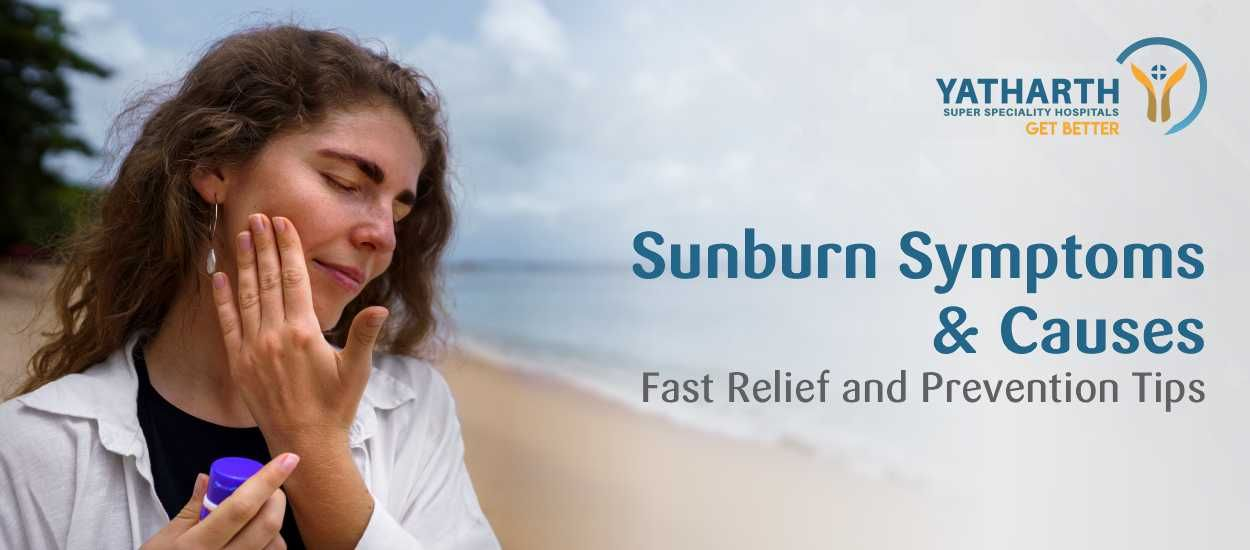


There is no doubt that getting out into the fresh air is good for you, but your skin can be damaged in a matter of minutes by overexposure to the sun’s ultraviolet (UV) rays. One of the common results of spending too much time in the sun is sunburn, which results in a red and irritated condition of the skin along with discomfort. It can affect anyone, any age and any skin type, and it’s no wonder it can do so much harm but whether that happens on the face, shoulders, hands, or back.
What is Sunburn?
Sunburn is an inflammatory response due to cellular damage in skin layers after an exposure to UV radiation of sun or artificial tanning sources. The skin’s exposure to too many UV rays results in inflammation and harm to skin cells. This leads to redness, pain, warmth and tenderness to touch of the skin.
Sunburn severity is influenced by:
- Duration of sun exposure
- Time of day
- Type of skin
- UV index levels
- No barrier of sun protection
People who have fair or sensitive skin are often more at risk for getting sunburned quickly, but anyone can get it if they aren’t protected.
What Causes Sunburn?
Extreme sun exposure
Prolonged exposure to the sun, particularly when the sun is strongest between 10 a.m. and 4 p.m., is a major source of UV risk.
Avoid sunscreen
Not using sunscreen or using products with a minimum SPF makes your skin susceptible to those damaging rays.
Outdoors
Swimming, hiking, sports, lounging on the beach these activities may keep you in the sun longer than you think.
Reflective Surfaces
Sunlight is reflected by water, sand, snow and concrete, which increases your exposure to UV rays.
Sensitive Skin Areas
Certain high-risk individuals with areas like their face, shoulders and hands may burn quicker due to immediate exposure.
Sunburn Signs to Look Out For
General signs include the following:
- Red and puffy skin
- Skin is warm or hot to the touch
- Pain or soreness
- Itching isolated patches that itch, sometimes also irritated skin
- Dryness and peeling
- Swollen (Inflamed) upper or lower eyelids and lips are involved.
- A severe sunburn may cause blistering
Some additional symptoms experienced by certain individuals can include:
Sunburn Face: Why Does the Skin On Your Face Burn So Easily
The face is the most exposed part of the body, so a sunburn face is not surprising in summer or during activities outdoors.
The skin on the face is thinner and more sensitive than that on other parts of the body. Prolonged sun exposure without hats, sunglasses, or sunscreen may cause:
- Redness
- Burning sensation
- Dry patches
- Swelling
- Peeling off skin
Even on cloudy days, you need to wear your sunscreen and apply it daily because the UV rays are still going through your skin.
Sunburn on the Hands: a Hidden Problem
Sunburn on hands is a very common occurrence as our hands are always being exposed to the elements when we're driving, walking, or working outside.
Symptoms include:
- Redness and dryness
- Tight or rough skin
- Burning sensation
- Skin peeling
- Increased sensitivity
Applying sunscreen to the hands and reapplying frequently can reduce your risk of long-term skin damage and pigmentation.
Sunburn Treatment: Quick Help for Your Skin in Pain
A good sunburn remedy will help reduce inflammation and discomfort and promote faster healing of your skin.
Cool the skin
Take a cool bath or shower, or apply a cool compress to the affected area to relieve discomfort. Don’t apply ice directly to your skin it can make irritation worse.
Keep Your Fluids Up
Sunburn pulls fluid to the surface of your skin, so you may be at higher risk for dehydration. Consume additional fluids to help you recover.
Moisturize
Moisturize with a fragrance-free lotion or aloe vera gel to relieve dryness and irritation.
Don’t Expose Yourself to More Sun
If you live in a climate that is hot and sunny you have to stay indoors or keep covered until your skin has fully healed.
Drug Relief
Over-the-counter anti-inflammatory drugs can help with the swelling and soreness.
Don’t Peel Your Skin Off
Resist the urge to pick at peeling skin, as this can delay healing and lead to infection.
Facial Sunburn Treatment Advice
Since the skin on the face is sensitive, the treatment for a sunburn on the face should be mild and focused on moisturising. Some useful remedies are:
- Using mild moisturizers
- Rinsing the face with cold water
- Avoiding harsh products for the skin
- Avoid make up until irritation subsides
- Moisturizing face masks and calming lotions can also help with mild sunburn on the face
See a doctor if you experience swelling, intense pain or blistering
How to Get Rid of Sunburn Naturally?
- Aloe vera gel for cooling effect
- Heat reducing coconut oil after whole heat diminishing
- Oatmeal baths for relieving the itching
- Cucumber slices for skin relief
- Cold milk compress for inflammation relief
Long-Term Consequences of Recurrent Sunburns
Recurrent sunburn isn’t just uncomfortable for a few day. Cumulative UV damage can cause:
- Premature ageing
- Wrinkles and fine lines
- Uneven pigmentation
- Sensitivity to the skin
- Elevated risk of skin cancer
Prevention of Sunburns
A few simple precautions can prevent a lifetime of skin damage.
Use a broad-spectrum sunscreen
Select an SPF of 30 or higher, and apply again every two hours, or more frequently if sweating or swimming.
Wear Protective Clothing
Hats, sunglasses and long-sleeved shirts offer a barrier against the sun’s rays.
Avoid the Sun in the middle of the day
Avoid peak hours when sun is on the head
Drink enough water
Good hydration is important for maintaining healthy skin and supporting the body's ability to regulate heat.
Cover all areas exposed to the sun
Never ignore body parts like ears, neck and feet when protecting against the sun. Don’t neglect such areas as the back of your hands and the soles of your feet.
Conclusion
Sunburn is more than just a cosmetic problem caused by spending too many hours outside. It is a type of skin injury, and that can play a factor in the overall health of skin if left to damage it over and over.
Sunburned face, irritated sunburn skin, even painful sunburned fingers, all deserve early attention and good hydration to ease pain and help speed healing. Knowing how to treat sunburn and what not to do can make all the difference in your recovery and can keep you out of trouble.
Such precautions as use of sunscreen, protective clothing, and avoidance of direct sun exposure, go a long way in providing healthy and well-protected skin all year round.