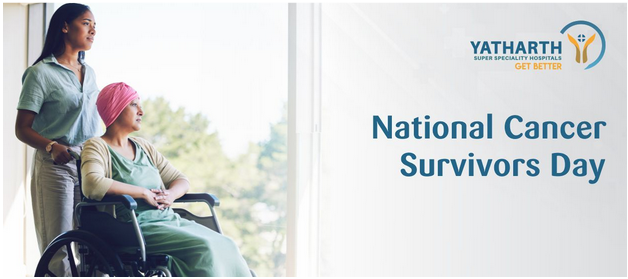


National Cancer Survivors Day is celebrated annually to recognize the bravery, strength, and resilience of individuals who have battled cancer, as well as their families. National Cancer Survivors Day 2026 is more than a celebration—it is a poignant reminder that life following cancer treatment is not only viable but can be deeply meaningful, uplifting, and worth living. The observance emphasizes the critical need for comprehensive emotional, physical, and social support systems for survivors and their loved ones. Driven by continuous therapeutic advancements and optimized clinical care, millions of individuals globally are successfully navigating their cancer recovery journeys and inspiring others through stories of hope and determination. This vital initiative raises public awareness regarding survivorship, the importance of early detection, mental health, physical rehabilitation, and the necessity of long-term assistance for those affected by cancer.
What is National Cancer Survivors Day (NCSD)?
National Cancer Survivors Day is observed globally on the first Sunday of June each year. It serves as a worldwide forum bringing together cancer survivors, caregivers, healthcare professionals, and families who share a unified commitment to mitigating the impact of cancer. This day celebrates "life after cancer" for every individual with a history of malignancy, encompassing those newly diagnosed, patients currently undergoing active treatment, and individuals who have been cancer-free for years. It also serves to elevate public awareness surrounding survivorship and to mobilize communities to support individuals living beyond cancer. Since its inception, the event has evolved into a major public health campaign focused on instilling hope, underscoring the value of structured survivorship care, and enhancing post-treatment quality of life.
Understanding Cancer Survivorship and Long-Term Recovery
Cancer survivorship is a continuous process that begins at the point of diagnosis and extends across the entire spectrum of care, including the acute treatment phase and beyond. With steady advancements in oncological care, survival rates have progressively improved, enabling patients to live longer, healthier lives post-treatment. Survivorship, however, frequently involves long-term physical, emotional, and psychological challenges that necessitate ongoing clinical surveillance and lifelong management.
The Importance of Cancer Survivor Awareness
Building robust public awareness is crucial because the transition to survivorship introduces distinct physical and psychological hurdles. Although active treatment regimens may conclude, the broader recovery process often spans months or years. The vast majority of survivors navigate a variety of complex challenges, including:
- Persistent fatigue and physical weakness
- Anxiety regarding disease recurrence
- Alterations in appetite and sleep architecture
- Emotional distress, anxiety, and depression
- Difficulties reintegrating into routine professional and social life
Targeted awareness campaigns inform the public about these challenges and highlight the critical need for continued, structured survivorship support.
Life Beyond Cancer Treatment
A core message of National Cancer Survivors Day 2026 is that a vibrant life after a cancer diagnosis is entirely achievable. Moving past acute therapy requires adapting to a "new normal". To support this transition, survivors are encouraged to focus on:
- Adhering to regular medical follow-ups and surveillance protocols
- Maintaining a balanced, nutritious diet and optimal hydration
- Engaging in structured exercise and physical rehabilitation
- Prioritizing professional emotional and psychological care
- Implementing evidence-based stress management and mindfulness techniques
- Cultivating a robust personal and social support network
Many survivors require and actively seek collaborative guidance from their clinical teams and caregivers to rebuild confidence and regain functional normalcy. Contemporary comprehensive oncology care extends far Blended beyond acute cytoreductive therapy; it inherently integrates structured, long-term wellness and survivorship programs designed to help patients recover, adapt, and thrive at every stage.
Hope and Healing Beyond Treatment
Another foundational pillar of National Cancer Survivors Day 2026 is emphasizing hope and holistic healing beyond malignancy. Because life after cancer entails significant lifestyle and physical adjustments, many survivors actively focus on:
- Consistent clinical follow-ups
- Nutritional optimization and hydration
- Regular physical activity and rehabilitation
- Dedicated emotional and mental healthcare
- Stress mitigation and mindfulness practices
Awareness and Recovery: Two Sides of the Same Coin
Expanding cancer awareness and supporting patients are key to achieving superior clinical outcomes and optimizing early detection. Structured public health campaigns are designed to educate communities on:
- Recognizing potential warning signs and symptoms of malignancy
- The clinical necessity of periodic screenings and routine diagnostic tests
- Adopting health-promoting lifestyle modifications
- Tobacco cessation and minimizing alcohol consumption
- Utilizing preventive care, including routine vaccinations
Early detection significantly enhances treatment efficacy and overall survival rates. Simultaneously, tailored post-treatment programs are vital to helping survivors rehabilitate both physical and psychological well-being. It is this precise synergy between proactive awareness and long-term survivorship support that distinguishes National Cancer Survivors Day 2026.