

With the increasing temperature in a lot of places around the globe, hyperthermia and other heat-related illnesses are becoming more prevalent. Our bodies are built to manage heat through sweating and circulation, but extended periods in an environment that's too hot can overpower these natural cooling systems. This may lead to severe health problems especially for children, elderly people, outdoor workers and persons with pre-existing health conditions.
Knowledge of symptoms, causes, treatment and preventive measures can help protect people and their families from the adverse effect of heat.
What is Hyperthermia?
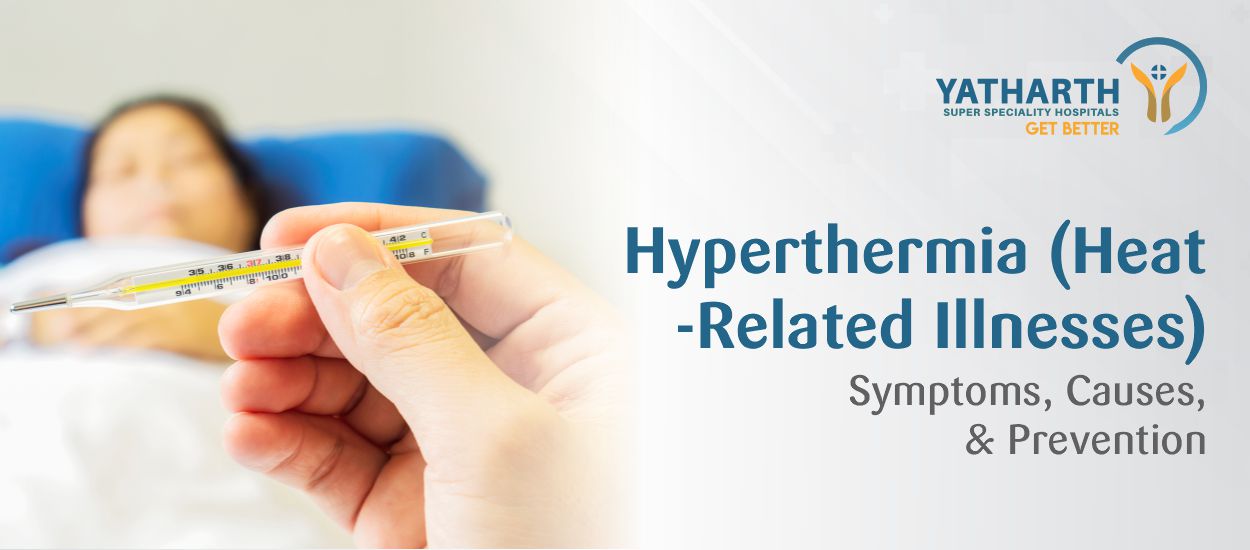
Hyperthermia is an excessive elevation of the body temperature that occurs when heat gain or production exceeds heat loss. In contrast to fever, which is triggered by infections and diseases, hyperthermia is brought on by extreme environmental conditions and the body retaining excessive amounts of heat.
Hyperthermia encompasses a range of heat-related conditions, from mild heat cramps and heat exhaustion to fatal heatstroke. Severe hyperthermia may damage vital organs and emergency care is indicated if this is suspected.
How does the body control heat?
The human body maintains a stable internal temperature through a complex process called thermoregulation which helps the body release excess heat through sweating and increased blood flow to the skin. But these natural responses are sometimes not enough, such as when people are exposed to extreme heat, high humidity, or performing intense physical activity, or when they are dehydrated.
When the body is unable to dissipate excess heat effectively, heat builds up within the body, increasing the risk of hyperthermia and related complications.
Types of Heat -Related Illness
Heat- related illnesses exist on a spectrum and include:
Heat Cramps
Heat cramps are painful muscle spasms that usually occur during or after strenuous physical activity in hot weather. They can be a result of dehydration and electrolyte loss.
Heat Exhaustion
Heat exhaustion is caused by excessive loss of fluid and electrolytes from the body through sweating. It needs to be taken seriously to avoid evolving into heatstroke.
Heatstroke
Heatstroke is the most extreme type of hyperthermia and an emergency. The core body temperature can rise above 104°F, which can lead to neurological dysfunction, multi-organ failure, and other serious complications if not treated.
Symptoms of Hyperthermia
Recognizing the symptoms early can help in better prevention and treatment:
- Profuse sweating
- Dizziness
- Headache
- Cramping Muscles
- Tiredness
- Rapid Heartbeat
- Nausea Vomiting
- Increased Thirst
- Flushed or hot skin
- Confused or disoriented
- Fainting
- Trouble focusing
In severe cases symptoms may exceed seizures, coma or heatstroke, all of which are medical emergencies.
Causes of Hyperthermia
You should be aware of the causes of hyperthermia to protect yourself from this. There are many reasons why your body may overheat. Some of the factors include:
Environmental Factors
- High outdoor temperature
- Damp conditions
- Poor Ventilation
- Prolonged exposure to sunlight
- Heat Waves
Physical Activity
Intense exercise or workout in hot surroundings can give rise to high body temperature and increase the risk of hyperthermia.
Dehydration
When people do not drink enough fluids, their bodies have a harder time cooling down by sweating.
Medical conditions and medications
Some health conditions such as heart disease, obesity, diabetes and thyroid disorders make temperature regulation more difficult. Some drugs also influence sweating or hydration status.
Age-related risks
Infants, young children, and older adults are at risk because their bodies might not be able to regulate temperature as well.
Diagnosis of Hyperthermia
Doctors diagnose hyperthermia from symptoms, medical history, environmental exposure, and core body temperature measurement.
Additional tests may be run to evaluate for dehydration, electrolyte imbalance, and organ damage, if the person is severely ill.
Early recognition is important in the prevention of complications and for successful treatment.
Therapeutic Hyperthermia Treatment
Prompt treatment of hyperthermia should be directed at lowering the body temperature and preventing additional heat exposure.
- Bring the person indoors or into the shade.
- Move the person away from direct sunlight and heat sources.
- Remove excessive clothes.
- Apply cool, wet clothes to the skin or spray the skin with cool water.
- Use fans or air conditioning when available.
- Offer fluids if the person is conscious and able to drink.
- Call for emergency medical help if the symptoms get worse.
Medical Treatment
In moderate to severe cases, healthcare providers can offer:
- Intravenous (IV) fluids
- Electrolyte replacement
- Cooling blankets
- Ice packs
- Continuous vital sign monitoring
Severe heatstroke requires immediate hospitalization and intensive medical care.
Care plan for Hyperthermia
A full-coverage hyperthermia action plan will generally have the following:
- Recording body temperature frequently
- Evaluating hydration levels
- Taking in enough fluids
- Keeping cool down
- Monitoring of mental status and vital signs
- Educating patients and caregivers about heat safety
- Risk stratification of individuals
How to Prevent Hyperthermia
The majority of cases of hyperthermia are avoidable with simple measures.
Stay hydrated
Drink water regularly, especially when it's hot outside or you're being active.
Avoid peak heat hours
Limit outdoor activities during the hottest parts of the day, typically between 10 a.m. and 4 p.m.
Wear the appropriate clothes
Wear light-coloured clothing made of loose-fitting breathable fabric.
Take frequent breaks
If working or exercising outdoors, rest in shaded or air-conditioned areas.
Employ cooling tactics
Fans, air conditioners, cool baths and cold compresses can assist in cool body temperature.
Protect people who are at risk
During heat waves, older people, young children and those with chronic disease should be checked on routinely.
Monitor Weather Alerts
Stay informed about heat advisories and extreme weather.
When to Seek Medical Attention
Get emergency medical help if you have:
- High body temperature
- Confusion or changes in consciousness
- Seizures
- Loss of consciousness
- Persistent vomiting
- Trouble breathing
Intervention at an early stage can help to enhance the results and minimize the possibility of complications.
Conclusion
Hyperthermia is a serious heat-related disorder that occurs when the body is overwhelmed by too much heat. Heat-related illnesses can strike anyone, and range from short-term muscle spasms to fatal heatstroke, with related conditions including heat exhaustion and heatstroke. Staying hydrated, avoiding heat exposure, and recognizing signs and symptoms of the condition can go a long way in helping people protect themselves and live healthier lives when the temperatures soar.