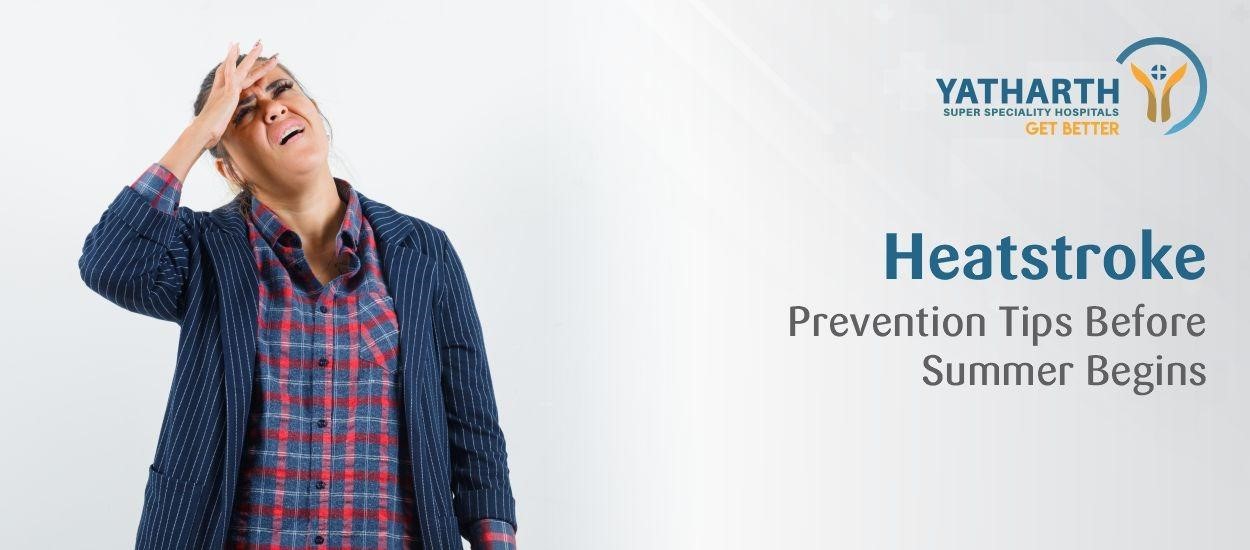


Now that it’s getting hot, it is important to start getting our bodies accustomed to the heat. Heatstroke is a severe form of heat-related illness and can cause death if treatment is delayed.
Heatstroke is the result of an overheated body that is no longer able to cool itself. It typically occurs when extended time in the heat or physical activity in hot weather overwhelms the body's ability to cool down.
Unlike less severe heat-related illnesses, heatstroke is a medical emergency that require urgent care.
Early Symptoms of Heat Stroke
- Early identification of the signs of heatstroke could help prevent fatal outcomes:
- Very high body temperature (higher than 40°C or 104°F)
- Hot, dry skin or heavy sweating
- Fast pulse
- Headache and dizziness
- Nausea or vomiting
- Confused or Disoriented - This is a serious sign of heat exhaustion that can lead to heat stroke.
Heat Exhaustion vs. Heatstroke
Heat exhaustion is a relatively mild illness that can cause symptoms such as heavy sweating and feeling weak and tired. It can usually be treated by resting and drinking fluids.
Heatstroke is a life-threatening illness in which your body temperature becomes excessively high and your body is no longer capable of cooling itself off. Seek immediate medical attention.
If left untreated, heat exhaustion can progress to heat stroke, so it's vital to treat it early.
Why Heatstroke Risk Is Higher in Summer
In summer the body fails to keep its temperature normal particularly in areas with strong sunshine and high humidity. Risk-enhancing factors include:
- Extended time on the road or outdoors
- Lack of fluids
- Heavy or tight clothing worn
- Not proper ventilation
- Inadequate water intake
Tips On Preventing Heatstroke Before Summer Arrives
Follow these heatstroke prevention tips to reduce risk.
Keep Hydrated All Day Long
One of the best things you can do to protect yourself from the heat is to stay hydrated.
- Drink water regularly
- Add some electrolyte-rich drinks like coconut water
- Stay away from too much caffeine and sweetened drinks
- Being Well Hydrated is the Key to Heatstroke Prevention
Wear Light and Breathable Fabrics
- The right clothing can help keep your body temperature down
- Wear loose, light coloured clothing
- Wear natural fabrics such as cotton
- Don’t wear black or tight-fitting clothes that trap heat
Avoid Direct Exposure to Sun
- Reducing exposure to sun is essential to prevent heatstroke in summer.
- Remain inside during the peak hours (12 PM to 4 PM)
- Bring an umbrella, wear a hat or scarf when outdoors
- Use shades
4. Keep Your Home Cool
- Your environment is a big factor in whether you get heatstroke.
- Turn on fans, coolers, or the air conditioner
- Close the drapes during the day to keep out the heat
- Make sure there is enough air-flow
- A cooler environment helps promote general summer heat safety tips.
Consume Light and Nourishing Foods
Diet plays vital role in tips to prevent heat stroke naturally.
- Add a bunch of watermelon, cucumber, and oranges or any other fruits that are light and watery.
- Stay away from greasy, spicy or oily food.
- Eat little but often.
- Cooling and hydrating foods also contribute to the body’s ability to maintain its core temperature and to its overall heat resilience.
Avoid Overexertion Outdoors
- Heavy work in the heat increases your chances of getting heatstroke.
- Work out in the early morning or at night when it’s cooler.
- Don’t overdo it in the sun
Safeguard Vulnerable Populations
- Children, the elderly, and those with chronic health conditions are at greater risk for heat-related illnesses.
- Observe heatstroke's early symptoms closely
- Give them fluids
- Avoid going in the sun unless absolutely necessary
Employ Cooling Measures
- Take cool showers
- Apply wet towels to the forehead or nape of the neck
- Remain in the shade or in air-conditioned surroundings.
Listen to Your Body
- You can often tell when your body is out of balance.
- Do not ignore tiredness, dizziness or profuse sweating.
- Rest if you need to.
- If the symptoms deteriorate seek medical assistance.
Conclusion
The danger of heatstroke becomes more pronounced as temperatures continue to rise. But with the necessary awareness and quick actions, it can be easily avoided. With the information about heatstroke ahead of time, knowing the early signs of heatstroke, heat exhaustion vs heatstroke differences, and heatstroke prevention tips you can help protect yourself and your family from heatstroke even in the hottest of heat situations.
Some simple lifestyle changes, good hydration and a bit of planning can go a long way in protection. Make these integrated habits to your lifestyle for effective heatwave protection and healthy summer fun.