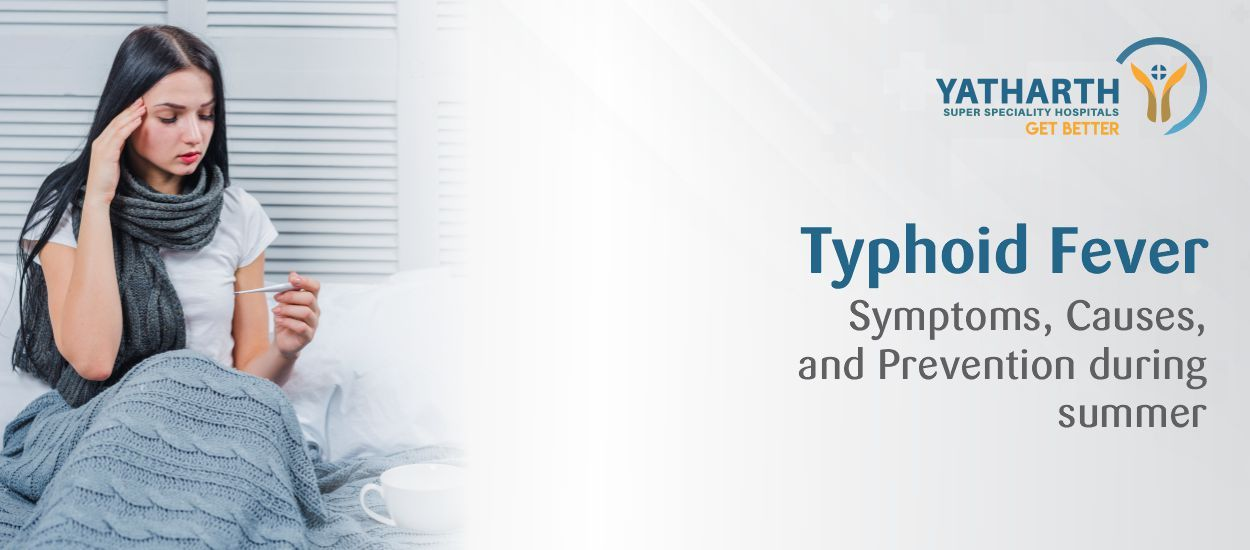


Summer is the time for hot weather, outdoor living and an increased risk of infections caused by contaminated food and water. Typhoid Fever is one of the most prevalent illnesses in the world. Both adults and children could be at risk from this potentially severe disease, and knowing the symptoms, causes and prevention of the condition can prove beneficial.
What is Typhoid Fever?
Typhoid fever is a bacterial infection caused by Salmonella Typhi and Paratyphi. It is transmitted primarily by means of contaminated food, water, and by hygiene practice. The risk of typhoid fever in the summer is high because temperatures are high that favour bacterial growth in the food exposed and in the drinking which is not covered.
When left undetected and untreated, typhoid can result in serious health problems on the intestines, liver and the other organs.
Why is Typhoid More Prevalent in Summer?
The typhoid fever in summer is influenced by various environmental and lifestyle factors including:
- Increased consumption of street foods and drinks
- Polluted sources of water
- Damp food storage during the hot weather
- Dehydration and immune suppression
- Flies spreading bacteria on exposed food
During summer vacations and travel, people tend to eat from unsanitary places and this exposes them more to the bacteria which causes typhoid fever.
Signs and Symptoms of Typhoid Fever
Whether typhoid fever symptoms can be recognized in the early stage is crucial for receiving medical care without delay. The onset of symptoms is typically gradual after 1–2 weeks of bacterial exposure.
- Persistent high fever
- Weakness and fatigue
- Headache
- Loss of appetite
- Abdominal pain
- Constipation or diarrhoea
- Nausea & vomiting
- Body ache
- Dry cough
- Skin rash in some cases
Typhoid Fever in Adults
Typhoid fever in adults is characterized by a high-grade fever, severe weakness, stomach discomfort, and digestive issues. Adults who eat out frequently or travel in summer may be more susceptible to infection.
Typhoid Fever in Children
Typhoid in a child may be difficult to diagnose as the symptoms are very similar to many other viral infections. Kids can have:
Parents should seek medical attention if fever persists for several days.
Typhoid Fever Causes
Contaminated Food & Water
Eating or drinking contaminated food and water with Salmonella Typhi is the leading source.
Poor Hygiene Practices
The bacteria can be spread that way if someone doesn`t wash their hands thoroughly after using the washroom or before they eat.
Street Food Consumption
Uncovered or half-cooked food, especially on hot summer days should be avoided.
Close Contact with an Infected Person
Salmonella bacteria are transmitted by the stool or urine of those infected.
Unsafe drinking water
Drinking untreated water is one of the most common causes of typhoid fever in many regions.
Typhoid Fever Diagnosis
Accurate diagnosis of typhoid fever is necessary for treatment. Physicians might advise:
- Blood tests
- Stooltests
- Urinetests
- Bloodculture
A prompt diagnosis leads to prevention of complications and rapid recovery.
Typhoid Fever Treatment
Treatment for typhoid: Typhoid fever treatment is commonly done by doctor-prescribed antibiotics. Finishing the complete span of dosage is very important to stop the reappearance or antibiotic resistance.
Additional Typhoid Fever Home Care Tips
- Drink plenty of fluids to prevent dehydration
- Eat light and healthy food
- Take rest
- Avoid oily or spicy foods
- Maintain personal hygiene
Don't self-medicate and seek medical advice for proper management.
Typhoid Fever Complications
Typhoid fever can lead to serious, life-threatening complications if not treated. Such complications include:
- Intestinal bleeding
- Intestinal perforation
- Severe dehydration
- Pneumonia
- The infection spreading to other organs
Early treatment greatly diminishes the risk of complications.
How to Prevent Typhoid in Summer
Hygiene and food safety measures decrease risk of infection.
Prevention Tips for Typhoid Fever:
Drink Safe Water
Always drink filtered or boiled water in winter and summer.
Run Away from the Uncovered Street Food
Warm temperatures can cause food to spoil and bacteria to grow rapidly.
Wash Hands Frequently
One of the best typhoid preventions is hand washing before meals and after using the toilet.
Eat Freshly Cooked Food
Steer clear of stale or refrigerated meals left in the open for hours.
Keep the Kitchen Clean
Cleanse your utensils, vegetables and fruit before you use them.
Get Vaccinated
Typhoid vaccines can help prevent the disease, especially for travellers and children.
Avoid Ice from Unknown Sources
Contaminated ice can also carry bacteria.
Typhoid Fever Recovery Tips
Recovery from typhoid may take a few weeks even after the fever subsides. Following these typhoid fever recovery tips can help improve healing:
- Complete all prescribed medicine.
- Keep your hydration levels up.
- Consume protein-rich, easy-to-digest food.
- Don’t do heavy physical labour right away.
- Go for follow-ups if needed.
- Good food and rest help regain strength after infection.
Conclusion
Typhoid fever in summer is still a significant health problem resulting from the exposure to polluted food and water. Early indication of typhoid fever symptoms and typhoid fever causes aids in preventing severe disease. Simple hygiene, safe drinking water, and adequate food safety can go a long way in preventing infection.
If you are concerned about typhoid fever in adults or typhoid fever in children, remember that early diagnosis, treatment and prevention are the key to a safe and healthy summer season.