Colonoscopy is a diagnostic and preventive medical procedure used to examine the inner lining of the large intestine (colon) and rectum. It allows doctors to identify abnormalities such as inflammation, ulcers, polyps, bleeding, and early signs of colorectal cancer. Colonoscopy plays a critical role in the early detection, diagnosis, and prevention of colorectal diseases.
A colonoscopy is performed using a long, flexible tube called a colonoscope, equipped with a camera and light at its tip. The instrument is gently inserted through the rectum to visualize the entire colon. During the procedure, tissue samples (biopsies) can be taken, and polyps can be removed if required.
Colonoscopy may be advised for:
Colorectal cancer screening
Rectal bleeding assessment
Constipation or persistent diarrhea
Abdominal pain that is not explained
Anemia due to iron deficiency
Change in bowel habits
Monitoring inflammatory bowel disease (IBD)
Monitoring of previously identified polyps
If a patient has any of the following, a colonoscopy might be advised:
Stools containing blood
Chronic cramping or pain in the abdomen Weight loss that is not explained changes in bowel habits over time
Unexplained weight loss
Ongoing bowel habit changes
Chronic fatigue due to anemia
Colorectal polyps
Colorectal cancer
Ulcerative colitis and Crohn’s disease
Diverticulosis and diverticulitis
Colonic strictures
Intestinal bleeding sources
Infections or inflammation
An accurate examination requires proper bowel preparation.
Dietary Restrictions: 24 hours prior to the procedure, follow a clear liquid diet.
Bowel Preparation: Use laxatives or a bowel-cleansing solution as directed.
Medication: Let the doctor know about any diabetes drugs, blood thinners, or supplements.
Fasting: Avoid solid food as directed prior to the procedure.
The colonoscope is advanced through the colon after being inserted through the rectum.
To increase visibility, air or carbon dioxide is added.
If polyps are discovered, they may be removed during the same process.
Usually, the process takes 20 to 40 minutes.
Observation: A brief recuperation time before the sedation wears off
Diet: Normal diet can usually be resumed the same day
Activity: Light activities permitted; driving should be avoided for 24 hours
Results Discussion: Findings are explained after the procedure or during follow-up
Most patients recover quickly and can return to normal activities within a day. Mild bloating or gas discomfort may occur temporarily.
Bleeding, especially after polyp removal
Perforation of the colon
Reaction to sedation
Infection
Colonoscopy is a safe procedure when performed by experienced specialists.
By detecting and eliminating precancerous polyps before they develop, colonoscopy is one of the best methods for preventing colorectal cancer. Frequent screening dramatically lowers the death rate from cancer.
Regular screening beginning at age 45–50
If colorectal cancer runs in the family, early screening
As recommended for high-risk conditions or symptoms
Experienced gastroenterologists at Yatharth Hospital use cutting-edge endoscopic equipment to perform colonoscopy procedures. From preparation to recovery, we guarantee patient comfort, precise diagnosis, and all-encompassing care
India’s leading specialists.
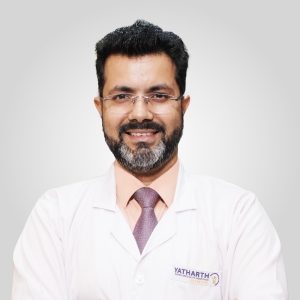
MBBS, MD, DM (ILBS, Delhi), AASLD Awardee (USA), MNAMS, FAMS
Gastroenterology
Hepatology

MBBS, MD (Medicine), DM, DrNB (Gastroenterology)
Gastroenterology

MBBS, MD (General Medicine), DM (Gastroenterology)
Gastroenterology
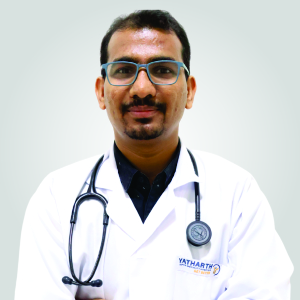
MBBS, MD (General Medicine), DM (Medical Gastroenterology)
Gastroenterology

MBBS, MD (Internal Medicine), DM (Hepatology), Fellowship in Transplant Hepatology
Gastroenterology

MBBS, MD, DNB, DM, MRCPESEGH (London)
Gastroenterology
Becoming a mother again at 40 was emotional, but I felt completely safe in the hands of Dr. Sonal Bathla. Nancy Chadha shares her...

Becoming a mother again at 40 was emotional, but I felt completely safe in the h...

This video highlights the successful outcome of a Complex Total Knee Replacement...
Meet Mr. Satish Chand Chawla, who underwent HOLEP – Holmium Laser Enucleation ...
Meet Mrs. Nirmala Singh, who underwent a Successful Vaginal Hysterectomy Prolaps...
Mr. Sanjay Kaushik’s journey is a powerful story of hope and recovery after ba...
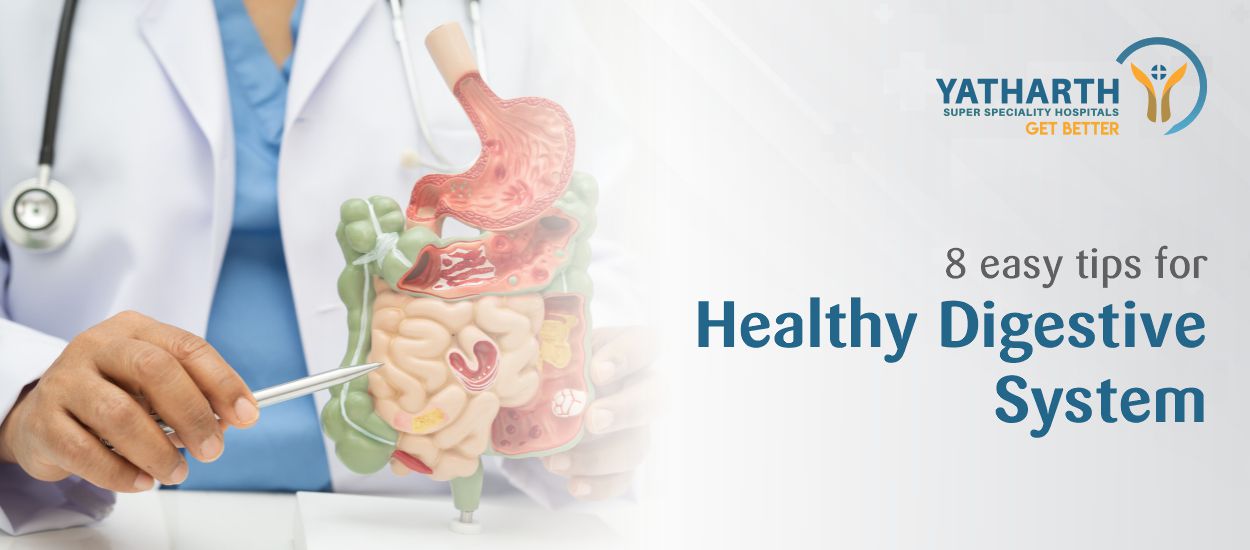
Digestion is the process by which the food we eat breaks down into essential nutrients that our body needs. Almost 70 pe...
Gastric problems may arrive when you least expect them, while you are simply traveling or just eating junk food. Let's ...
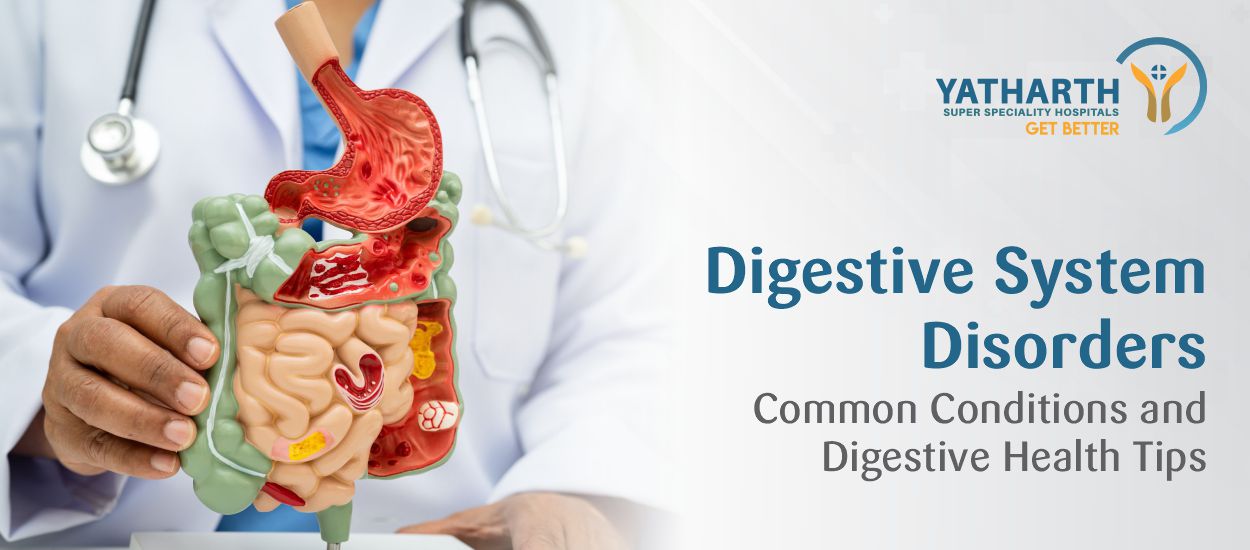
The digestive system plays a crucial role in breaking down food, absorbing nutrients, and eliminating waste. However, va...