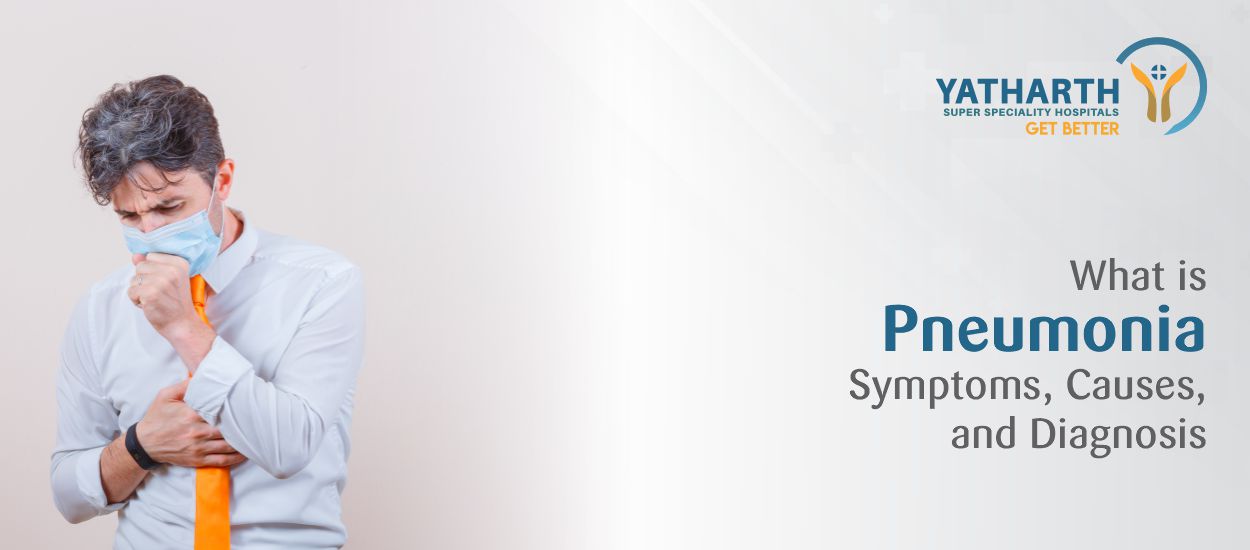


Pneumonia is a lung infection that causes inflammation in the air sacs (alveoli) leading to breathing difficulties. These sacs can fill with fluid or pus, resulting in cough, fever, chest pain, and shortness of breath. Pneumonia affects all age groups but is particularly dangerous for infants, older adults and individuals with weak immune systems.
It can be mild (walking pneumonia) or severe and life-threatening, depending on the cause and the person's overall health.
What Causes Pneumonia?
Pneumonia occurs when infectious organisms enter the lungs. The main pneumonia causes include:
1. Bacterial pneumonia
-
Most commonly caused by Streptococcus pneumoniae.
-
Often develops after a cold or flu.
-
Usually more severe than viral pneumonia.
2. Viral pneumonia
-
Caused by viruses such as influenza, RSV, or COVID-19.
-
More common in children but also affects adults.
3. Fungal pneumonia
-
Caused by fungi like Histoplasma or Pneumocystis.
-
More common in people with weakened immune systems.
Types of Pneumonia
1. Community-acquired pneumonia (CAP)
Develops outside hospitals and is the most common type.
2. Hospital-acquired pneumonia (HAP)
Occurs during hospital stays, especially in ICU patients or those using ventilators. Often more dangerous due to antibiotic resistance.
3. Walking pneumonia
A mild form of pneumonia caused by atypical bacteria like Mycoplasma pneumoniae. Symptoms are mild, and people can continue daily activities.
4. Aspiration pneumonia
Happens when food, liquid, vomit, or saliva accidentally enters the lungs, commonly in people with swallowing difficulties.
Common Pneumonia Symptoms
Pneumonia symptoms can vary based on age, type of infection, and severity. Common signs include:
-
Persistent cough (dry or mucus-filled)
-
Fever, chills, or sweating
-
Shortness of breath
-
Chest pain during breathing or coughing
-
Fatigue and weakness
-
Rapid breathing or heart rate
-
Loss of appetite
-
Confusion (especially in older adults)
Pneumonia in Children
Symptoms may appear differently, such as:
-
Fast or difficult breathing
-
High fever
-
Poor feeding
-
Lethargy or irritability
-
Bluish lips or fingernails
Pneumonia in Adults
-
Severe cough with phlegm
-
Fever and chills
-
Breathlessness even at rest
-
Chest discomfort
-
Confusion or disorientation in older adults
How Pneumonia is Diagnosed
Accurate pneumonia diagnosis is crucial for effective treatment. Doctors may use:
1. Physical examination
Listening for crackling or abnormal lung sounds.
2. Chest X-ray
Shows the presence and location of lung inflammation.
3. Blood tests
Detects infection and helps identify the organism.
4. Sputum test
Analyzes mucus from the lungs to identify bacteria, viruses, or fungi.
5. Pulse oximetry
Checks blood oxygen levels.
6. CT scan or bronchoscopy
Used for severe or unclear cases.
Pneumonia Risk Factors
Some people have a higher chance of developing pneumonia:
-
Infants and young children
-
Adults aged 65 and above
-
Smokers
-
People with asthma, diabetes, or heart disease
-
Individuals with weakened immune systems
-
Hospitalized or ventilated patients
-
People exposed to pollutants or toxic chemicals
Possible Pneumonia Complications
If untreated, pneumonia may lead to:
-
Pleural effusion – fluid buildup around the lungs
-
Respiratory failure – requiring oxygen or ventilation
-
Sepsis – life-threatening infection spread
-
Lung abscess – pus-filled cavity in the lungs
-
Worsening of chronic health conditions
Early diagnosis and treatment reduce the risk of complications.
Prevention Tips
You can lower the risk of pneumonia by following these practices:
-
Get vaccinated (flu vaccine, pneumococcal vaccine)
-
Wash hands regularly
-
Avoid smoking
-
Strengthen immunity with a balanced diet
-
Avoid close contact with sick individuals
-
Manage chronic illnesses responsibly