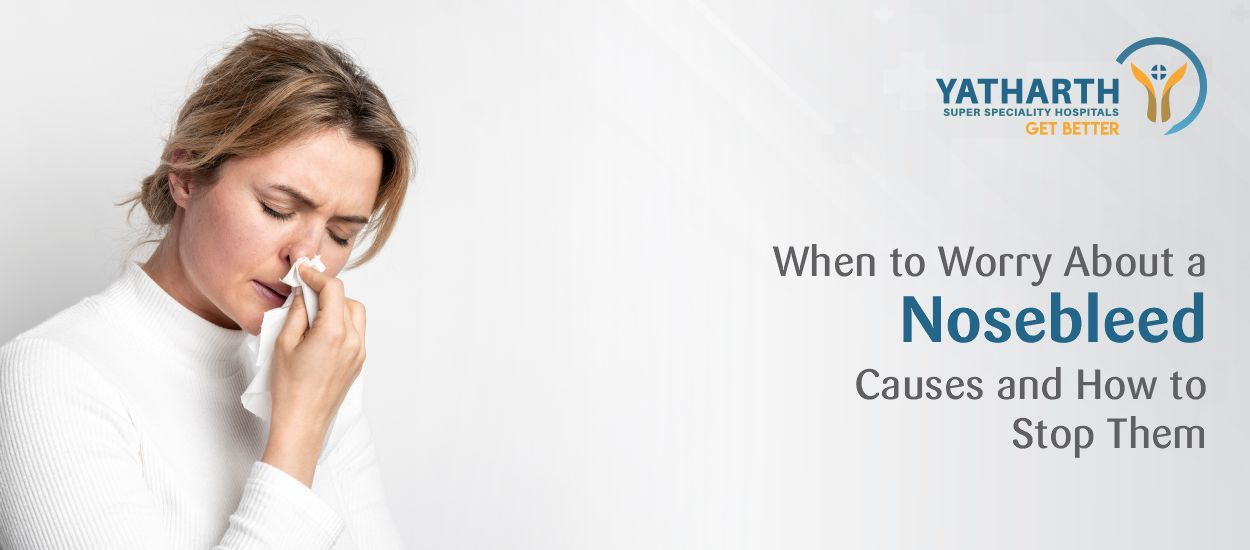


A nosebleed medically known as (epistaxis) can affect any person at any age. While most nosebleeds are harmless and stop on their own, some may indicate an underlying health concern that requires medical attention. Knowing causes of your nosebleed, its symptoms, and first-aid can prevent complications and promote rapid relief
What is a Nosebleed (Epistaxis)?
Epistaxis is bleeding of the blood vessels in the nose. The nose’s inner lining contains numerous small, fragile blood vessels that can rupture due to irritation, dryness, injury, or certain illnesses. Nosebleeds can come on suddenly and may be just a trickle or a full stream of blood.
There are two types of nosebleeds:
- Anterior nosebleeds: They occur in the front part of the nose and they are the most common type.
- Posterior nosebleeds: These occur deeper inside the nose and are more serious, often affecting older adults.
Common Nosebleed Causes
Knowing what causes your nose to bleed may help prevent further occurrences.
- Dry Air and Nasal Irritation- One of the most common nosebleed causes is dry air. When the air is too dry, or too much air conditioning or winter weather is pulling moisture from your skin it can also dry your nose lining. Nosebleeds and dry noses are particularly prevalent in the winter.
- Nose Picking or Injury- Trauma (nose pick, nose rubbing, accident) can break blood vessels and cause the fragile lining of the nose to bleed.
- Allergies and Infections- Sinus infections, colds and allergies irritate the nasal passages and contribute to epistaxis.
- High Blood Pressure- Uncontrolled high blood pressure might directly cause your nose to bleed frequently, especially in adults.
- Medications- Blood thinning drugs like aspirin and anticoagulants might cause bleeding.
- Underlying Medical Conditions - There are certain medical conditions such as bleeding disorders, liver disease or nasal tumours that may result in nose bleeds.
- Lifestyle and environmental factors- Such as smoking tobacco, drinking too much alcohol, or inhaling chemicals, may irritate the lining of the nose, leading to an increased risk of nosebleed.
Nosebleeds in Adults vs. Children
Nosebleeds in Adults
In adults, nosebleeds may be associated with high blood pressure, medications, stress, or chronic sinusitis. Adults who have recurrent or very heavy nosebleeds should be evaluated by a doctor.
Nosebleeds in Children
The most common causes of nosebleeds in kids are dry air, picking their nose, allergies or minor irritations. Most childhood nosebleeds are not serious, but even so, recurrent bleeding should be checked by a doctor.
Symptoms of Nosebleeds to Observe
- Bleeding from one or both nostrils
- Blood dripping into the throat
- Nasal dryness or irritation
- Feeling faint or weak in an extreme case
- Breathing difficulty if bleeding is heavy
How to Stop a Nosebleed
Knowing how to stop a nosebleed correctly can prevent excessive blood loss and reduce panic.
Instructions for First Aid
- Sit upright and be calm.
- Lean forward slightly to avoid swallowing blood.
- Pinch the soft part of your nostrils, just below the bony part of your nose, for 10-15 minutes.
- Breathe through your mouth.
- Put a cold compress or ice pack on your nose and cheeks.
If you follow the above tips, these easy and simple methods on how to stop nose bleeding fast will definitely help you in most cases.
Nosebleed Home Remedies: What Works?
Many safe nosebleed home remedies can help you soothe inflamed nostrils and keep your nose from drying out, such as:
- Saline Nasal Sprays, regularly use saline nasal sprays.
- Rub a small amount of petroleum jelly into the inside of your nostrils.
- Use a humidifier in your home.
- Stay hydrated.
Although home remedies may be effective in controlling the bleeding, severe or recurrent epistaxis should not be overlooked.
When to be Concerned about a Nosebleed
While the majority of nosebleeds are harmless, there are a few instances when you should seek care. It can help you identify when nosebleeds are dangerous.
- Bleeding lasting longer than 20 minutes
- Bleeding is profuse
- You have difficulty breathing
- Nosebleed occurs after a head injury
- Weakness, fainting or chest pain are present
- You have frequent nosebleeds for which no obvious cause can be found
- Blood from both the nose and mouth
These may be signs of serious nosebleed related complications or underlying medical issues.
Nosebleed Treatment Options
Treatment for a nosebleed depends on the cause and seriousness of the bleeding.
Typical Medical Treatments Include:
- Nasal packing
- Cauterization of blood vessels
- Medications to control bleeding
- Treatment of any underlying infection, or high blood pressure
- Surgery in exceptional severe cases
Doctors may also look for causes of recurrent nosebleeds by doing blood tests or imaging studies.
Nosebleed Prevention Tips
Here are some useful tips for avoiding nosebleeds:
- Ensure the nasal passages are moist
- Do not pick your nose
- Use humidifiers during dry weather
- Treat allergies and sinus infections promptly
- Avoid smoking and irritants
Understanding Risk Factors for Nosebleeds
Some people are more prone to bleeding from the nose than others. Risk Factors of Nosebleed:
- Exposure to Dry Air
- Chronic sinusitis
- Hypertension
- Clotting disorders
- Use of blood thinning drugs
Being aware of these risks can facilitate early treatment and prevention.
Conclusion
Nosebleed (or epistaxis) is usually harmless but may cause an individual to panic, and should be taken seriously and not ignored if frequent or severe. Find out about the causes of a nosebleed, when to get medical help, and how to stop a nosebleed. Most cases of nosebleeds are simple and will stop within a few hours but if there is continued profuse bleeding, it may suggest disease of vessels or sinus trauma which require earliest intervention.
Early diagnosis, proper hydration, nasal hygiene and early treatment contribute to the prevention of such complications to nasal health.