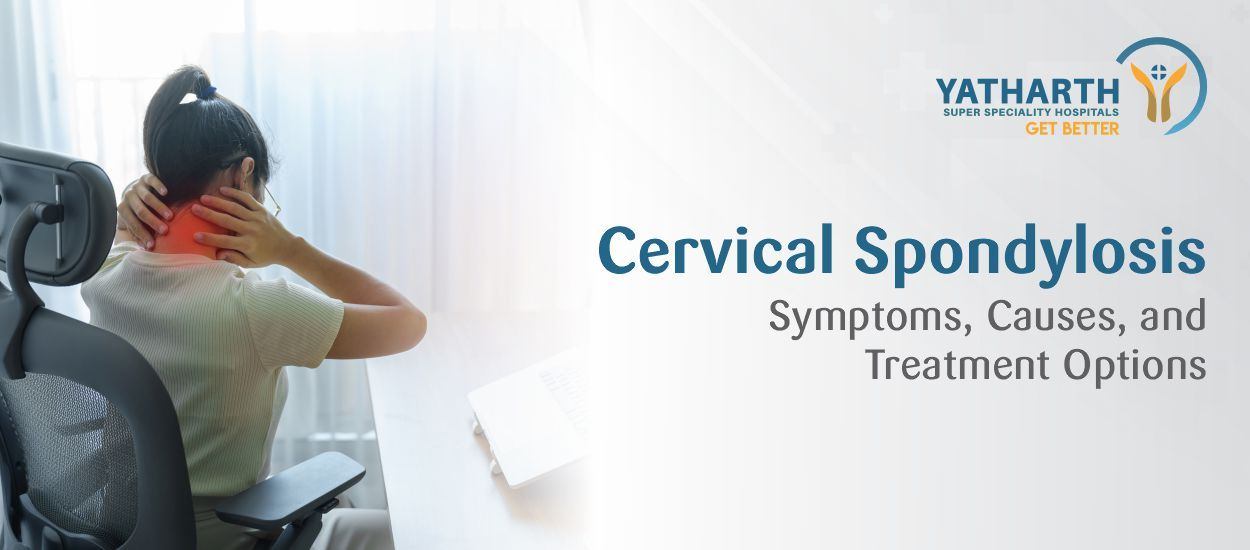


Cervical Spondylosis is a common age-related condition that affects the neck region of the spine. It is caused by degeneration in the bones and the discs of the cervical spine, making the neck stiff and painful, while limiting its range of motion. Due to longer screen time, bad postural habits and less physical activities, the cervical spine disease is not rare anymore among younger generation.
Though cervical spondylosis is a normal part of aging, a hasty diagnosis in respect to the management and control of this condition can greatly alleviate symptoms and improve quality of life. You should know about the symptoms of cervical spondylosis, and associated causes and treatment options if you want to be able to prevent any further problems.
What is Cervical Spondylosis?
Cervical spondylosis is when the bones, discs, and joints that make up your neck (cervical spine) wear down. Also referred to as cervical osteoarthritis or neck arthritis, cervical spine degeneration is the gradual wear and tear of the cartilage and bones in the neck.
As people age, spinal discs gradually lose hydration and elasticity. This results in decreased disc height, development of bone spurs and decreased neck mobility. Sometimes, adjacent nerves can be pinched, leading to pain and neurological symptoms.
Symptoms of Cervical Spondylosis
Cervical spondylosis symptoms vary from person to person. Some individuals may only experience mild pain, whereas others suffer from chronic pain and limited mobility.
- Neck stiffness that never quite goes away
- Neck pain from cervical spondylosis
- Head pain, mainly from the rear of the head
- Shoulder pain
- Weak muscle
- Arms and hands tingling or numbness
- Neck motion or flexibility restriction
- Vertigo in some cases
- Pain that increases with sitting or using a screen for a long time
When the nerve is being compressed, symptoms may radiate down to the arms and fingers. In rare instances, it can lead to disturbances in balance and coordination which can impact your daily activities.
Causes of Cervical Spondylosis
Main causes of cervical spondylosis:
Age-Related Wear and Tear
Cervical spondylosis is a wear and tear condition caused primarily due to aging. The spinal discs gradually deteriorate over time.
Poor Posture and Heredity
Hours of using laptops, smartphones or desktops with bad posture are causing more and more people neck pain.
Repetitive Neck Movements
Jobs that require repeated neck movement or heavy lifting might also speed up the deterioration of the cervical spine.
Prior Neck Injury
Early injuries predispose to these later-age cervical spine chronic problems.
Sedentary Lifestyle
Inactivity leads to weak neck and back muscles that provide less support to the spine.
Genetic Factors
Some people may have a genetic susceptibility to spinal degeneration.
Cervical Spondylosis in Elderly Patients
Due to their natural aging process, Cervical spondylosis is elderly’s common disabling disorder. Chronic neck pain, decreased range of motion, and difficulty performing daily activities.
Sometimes, the spinal cord can get compressed, leading to medical emergencies. Early physiotherapy and posture training can assist in elderly patients to preserve mobility and alleviate pain.
Diagnosis of Cervical Spondylosis
Common Diagnostic Methods:
- Medical history
- Physical examination
- X-rays
- Magnetic resonance imaging (MRI) scans
- CT scans
- Nerve conduction studies, if nerve involvement is suspected
Accurate diagnosis provides an estimation of the extent of degeneration of the cervical spine and can help in determining the treatment.
Cervical Spondylosis Treatment Options
Depending on the intensity of symptoms, treatment options for cervical spondylosis may vary.
Drugs
Medications may be prescribed by doctors for:
- Pain relievers
- Anti-inflammatory drugs
- Muscle Relaxants
- Nerve pain drugs in severe situations
Medication Pain and inflammation can be managed with medication, but it must be taken under medical supervision.
Physiotherapy for Cervical Spondylosis
Physiotherapy could involve:
- Neck exercises to strengthen
- Stretching routines
- Thermotherapy
- Postural correction education
- Manual therapy
Consistent physiotherapy visits can greatly enhance mobility and help with stiffness.
Exercises for Cervical Spondylosis
Some exercises for cervical spondylosis help alleviate neck stiffness and build up the muscles that support the neck.
Typical Exercises Are:
- Neck tilts
- Chin tucks
- Shoulder rolls
- Gentle neck rotations
- Stretching exercises
The exercises should be done with caution and under the guidance of a physician so as not to aggravate symptoms.
Natural Treatment for Cervical Spondylosis
There are a few home remedies for cervical spondylosis that can be followed along with the medication to relieve the pain.
- Home Management Effective
- Apply warm compress to relax the muscles
- Maintain the correct sitting posture
- Select right ergonomic chair and pillow
- Avoid staring at screens for too long without breaks
- Use a supportive mattress when you sleep
- Stay physically active
Prevention of Cervical Spondylosis
Maintain Good Posture
Remember to keep your screens at eye level and try not to bend your neck over for too long.
Exercise Regularly
The neck and back muscles are stronger when they provide better support for the spine.
Make Frequent Breaks
Avoid sitting continuously for extended periods.
Use Ergonomic Furniture
Ergonomic chairs and desks help to ease pressure on the cervical spine.
Avoid Heavy Neck Strain
Bad lifting can exacerbate spinal load.
When to Get Medical Care
Diagnosis is important if symptoms are severe or if they do not go away.
Tell your doctor if you have:
- Severe neck pain
- Persistent numbness
- Weakness in your arms or legs
- Trouble walking
- Loss of bladder or bowel control
- Constant dizziness
Intervention in the early stages helps to avoid complications and better recovery.
Conclusion
Cervical spondylosis is a prevalent disorder of the spine that is a result of a slow progression of cervical spine wear and tear. Although aging is one of the primary causes of cervical spondylosis, poor posture, lack of exercise, and repeated strain to the neck are also significant contributors.
Early identification of symptoms of cervical spondylosis and lifestyle changes can result in good control. From physiotherapy and exercises for cervical spondylosis to medications and posture correction, there are several ways of treating the condition so that the pain and discomfort can be alleviated.
With good spinal care and appropriate attention, people can protect their spine better and mitigate the effects of cervical spine disorders over time.