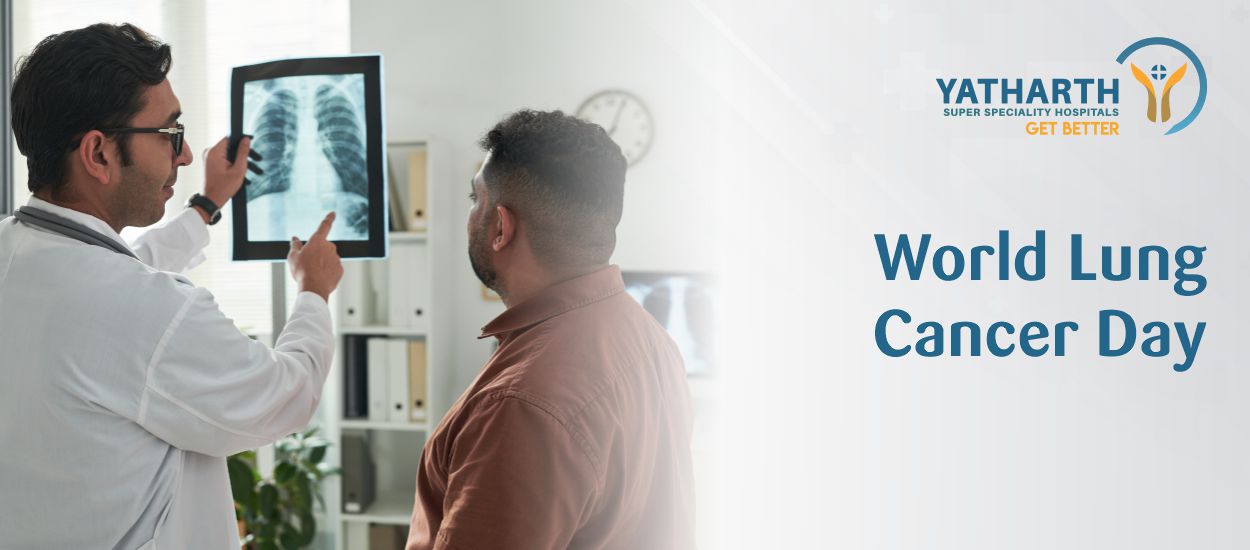


World Lung Cancer Day is observed on 1st August 2026. It highlights the importance of awareness, prevention, early detection, and treatment of lung cancer. Lung cancer is one of the most prevalent and deadliest cancers across the globe, affecting millions of people and their families. This day aims to raise awareness about lung cancer risk factors, encourage timely screening and early detection, and promote better lung health for all.
Importance of World Lung Cancer Day
The significance of this day lies in its ability to educate people about one of the leading causes of cancer-related deaths worldwide. Many cases are diagnosed at advanced stages, making treatment more challenging.
Through this day, we urge people to:
- Understand risk factors of lung cancer
- Identify early signs of lung cancer
- Engage in regular health check-ups
- Talk about screening
- Help patients diagnosed with lung cancer
Through raising awareness, this day helps to improve patient outcomes and quality of life.
What is Lung Cancer?
Lung cancer occurs when abnormal cells in the lungs grow uncontrollably and form tumours. There are two main types:
Non-Small Cell Lung Cancer
Non-small cell lung cancer (NSCLC) is one of the most common types of lung cancer.
Common subtypes include:
- Adenocarcinoma
- Squamous cell carcinoma
- NSCLC – Not otherwise specified
Small Cell Lung Cancer
Small cell lung cancer (SCLC) is less common, but it usually has a more aggressive biology. It is strongly linked to smoking and often needs multimodality treatment.
Treatment for non-small cell lung cancer and small cell lung cancer can be very different, so it is important to know the subtype of lung cancer.
Symptoms and Signs of Early Lung Cancer
Timely identification of lung cancer symptoms may help in early diagnosis and treatment of the disease.
Some of the common early symptoms of lung cancer are as follows:
- Persistent cough
- Coughing up blood
- Chest Pain
- Shortness of breath
- Unintentional weight loss
- Persistent fatigue
- Hoarseness or change in voice
If you're having any of these symptoms, consult a doctor immediately.
Lung Cancer Causes and Risk Factors
Many things increase the risk of lung cancer, but tobacco use is the single most important cause.
Smoking and lung cancer
Smoking and lung cancer have long been known to be linked. Many chemicals in cigarette smoke can cause lung damage, and over time some of this damage can contribute to cancer.
Other risk factors for lung cancer include:
- Exposure to second-hand smoke
- Exposure to radon gas
- Air pollution
- Occupational exposure to asbestos and other toxic materials
- Genetic causes
This information should help one to identify their risk factors and make an informed decision on lifestyle and/or health.
Lung Cancer Diagnosis
Early diagnosis is fundamental for increasing survival rates.
Diagnosis of Lung Cancer
The following investigations are required to determine the diagnosis
- Imaging tests, including CT scans and PET scans
- Bronchoscopy
- Needle biopsy and histopathology
- Molecular testing
Treatment for Lung Cancer
Advances in cancer care have significantly expanded the treatment options available for people with lung cancer. Depending on the type and stage of the cancer, treatment may include:
Surgery
Surgery may be appropriate for patients with early-stage lung cancer when the tumour is localised and has not spread to distant parts of the body.
Radiation Therapy
Radiation therapy uses high-energy radiation to destroy cancer cells and shrink tumours. It may be used alone or in combination with other treatments.
Chemotherapy
Chemotherapy uses anti-cancer medicines to kill cancer cells or stop them from growing and multiplying. It may be given before or after surgery, alongside radiation therapy, or as part of treatment for advanced disease.
Targeted Therapy
Targeted therapies are designed to act on specific genetic molecular alterations that drive the growth of certain lung cancers. These treatments can offer a personalised approach for patients whose tumours harbour specific actionable alterations.
Immunotherapy
Immunotherapy helps the body's immune system recognise and attack cancer cells more effectively and has become an important part of treatment for many patients with lung cancer.
The most appropriate treatment depends on several factors, including the type and stage of lung cancer, the tumour's molecular characteristics, the patient's overall health, and their individual preferences.
Lung Cancer Prevention and Better Lung Health
Not all cases of lung cancer are preventable, but adopting healthy habits and reducing exposure to known risk factors can help lower the risk and promote better lung health.
- Do not smoke or use tobacco products.
- Avoid exposure to second-hand smoke.
- Consider testing your home for radon, where applicable.
- Minimise exposure to occupational and environmental toxins.
- Exercise regularly and maintain an active lifestyle.
- Eat a balanced, nutritious diet rich in fruits and vegetables.
Conclusion
World Lung Cancer Day 2026 provides an opportunity to raise awareness about lung cancer, highlight the importance of prevention and early detection, and promote better lung health. Increasing awareness of lung cancer risk factors and symptoms, encouraging appropriate screening, supporting timely diagnosis and treatment, and advancing research can collectively help improve outcomes and make a meaningful difference in the lives of patients and families affected by lung cancer.