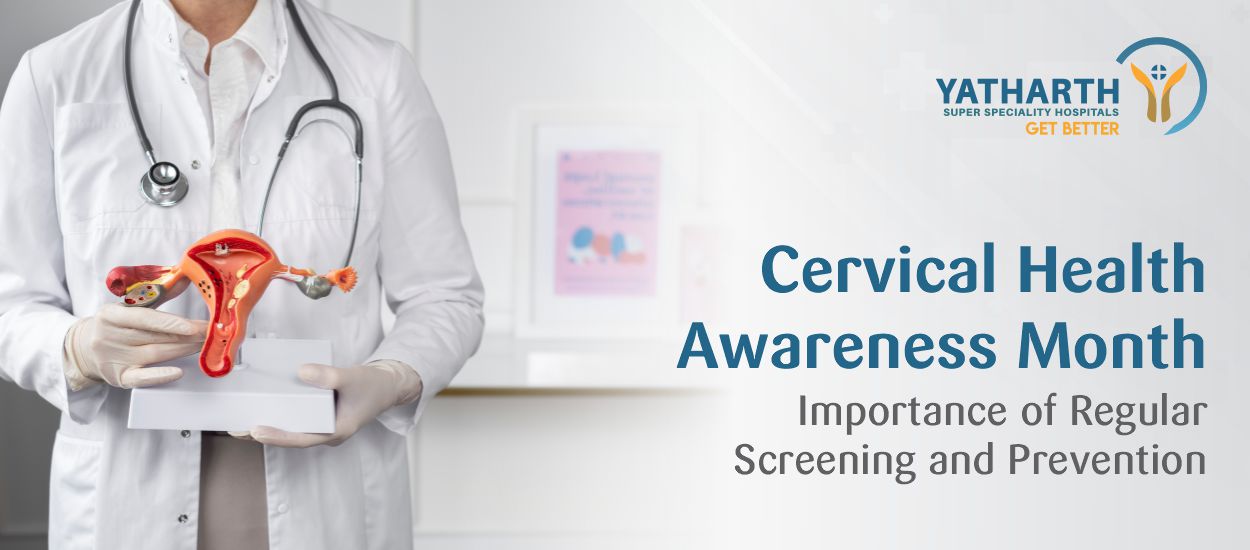


Cervical Health Awareness Month 2026 is more than just a date on the calendar—it is a reminder for every woman to pause, reflect, and take charge of her health. In our busy lives, women often place their own well-being last, ignoring routine check-ups until symptoms appear. Unfortunately, cervical cancer often develops silently, showing little or no warning in its early stages.
The good news is that cervical cancer is one of the most preventable and treatable cancers when detected early. Awareness, regular screening, and vaccination can save lives. This month is an opportunity to spread cervical health awareness and encourage women to make informed choices for a healthier future.
What is Cervical Health Awareness Month 2026?
Cervical Health Awareness Month is observed annually to educate women about cervical health, cervical cancer prevention, and the importance of early detection. Cervical Health Awareness Month 2026 focuses on empowering women with the right information so they can take timely action without fear or hesitation.
This cervical health month aims to break myths, reduce stigma, and promote open conversations about women’s reproductive health. When women understand cervical health facts, they are more likely to seek preventive care and regular screenings.
Understanding Cervical Cancer
Many people still ask, what is cervical cancer? Cervical cancer occurs when abnormal cells grow in the cervix, the lower part of the uterus that connects to the vagina. These abnormal changes usually happen slowly, over several years.
In most cases, cervical cancer develops from untreated precancerous changes caused by persistent infection with certain types of human papillomavirus (HPV). Regular cervical cancer screening can detect these changes early long before they become lifethreatening.
Signs and Symptoms of Cervical Cancer
One of the biggest challenges with cervical cancer is that it may not show symptoms in the early stages. This is why many women remain unaware until the disease progresses.
However, as the condition advances, some cervical cancer symptoms may include:
- Unusual vaginal bleeding, such as bleeding between periods, after intercourse, or after menopause
- Persistent pelvic pain or lower abdominal discomfort
- Pain during sexual intercourse
- Unusual vaginal discharge that may be watery, bloody or foul-smelling
Listening to your body and seeking medical advice if something feels unusual can make a critical difference.
Importance of Cervical Cancer Screening Test
The importance of cervical cancer screening lies in its ability to detect abnormal cell changes before cancer develops. Screening saves lives by catching problems early, when treatment is simpler and more effective.
Common cervical cancer screening tests include:
- Pap smear test, which examines cervical cells for abnormalities
- HPV test, which checks for high-risk HPV infections
A cervical cancer test is quick, usually painless, and can prevent years of suffering. Women should not wait for symptoms to appear before getting screened.
Risk Factors for Cervical Cancer
Understanding cervical cancer risk factors helps women make informed health decisions. Some common cervical cancer causes and risk factors include:
- Persistent HPV infection
- Early age of sexual activity
- Multiple sexual partners
- Smoking
- Weak immune system
- Lack of regular cervical cancer screening
While not all risk factors can be controlled, regular screening and preventive care significantly reduce the chances of developing cervical cancer.
HPV and Its Role in Cervical Cancer
HPV plays a central role in the development of cervical cancer. It is a very common virus, and most sexually active people are exposed to it at some point in their lives. In many cases, the body clears the infection naturally.
However, when high-risk HPV types persist, they can cause cervical cell changes that may lead to cancer. This is why HPV awareness and vaccination are essential components of cervical health awareness.
Cervical Cancer Treatment
Cervical cancer treatment depends largely on how early the disease is detected. When identified at an early stage, treatment is often highly effective and less intensive.
Treatment options may include:
- Surgery: Early-stage cervical cancer is often cured with surgery alone, offering excellent recovery outcomes.
- Radiation Therapy: Used when surgery is not suitable or as part of combined treatment.
- Chemotherapy: Commonly given alongside radiation for larger tumours.
- Combination Therapy: Larger or locally advanced tumours usually require a combination of chemotherapy and radiation for better control.
- Advanced & Metastatic Disease: Treated with chemotherapy, targeted therapy, immunotherapy, or a combination of these treatments to manage disease progression and improve quality of life.
Prevention: Vaccination and Lifestyle Adjustments for Cervical Health
Prevention remains the most powerful tool against cervical cancer.
HPV Vaccination
The HPV vaccine protects against the most common cancer-causing HPV strains. It is most effective when given at a younger age but can benefit eligible adults as well.
Regular Screening
Routine cervical cancer screening ensures early detection and timely treatment, reducing the risk of advanced disease.
Healthy Lifestyle Choices
Maintaining cervical health also involves simple lifestyle habits:
- Eating a nutritious diet with the best foods for cervical health, such as fruits, vegetables, whole grains, and antioxidant-rich foods
- Avoiding smoking
- Practicing safe sexual habits
- Staying physically active for overall well-being
While cervical spine health supports physical posture and mobility, cervical health screenings protect reproductive and long-term health.
Conclusion
Cervical Health Awareness Month 2026 is a reminder that prevention is always better than cure. Cervical cancer is largely preventable, and early detection can save lives. By spreading cervical health awareness, encouraging screening, and promoting vaccination, we can create a healthier future for women everywhere.
Taking a small step today such as scheduling a screening or learning more about prevention can protect your health for years to come. Your health matters, and caring for it is an act of strength.