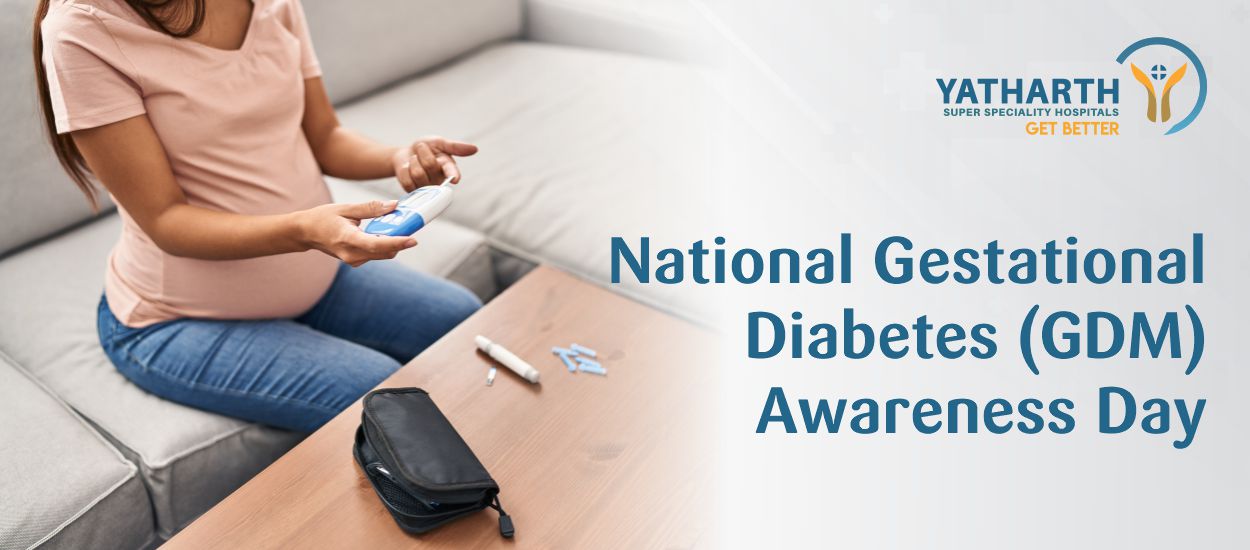


On National GDM Awareness Day, a hidden but serious health issue affecting thousands of pregnant women gestational diabetes is brought into focus. Celebrated within the context of maternal health overall care, Gestational Diabetes Awareness Day is dedicated to raising awareness, providing early detection, and supporting lifestyle modifications which may help to safeguard both the mother and the child.
This isn’t a day for numbers and figures it’s a day for educating families, encouraging healthy pregnancies, and expanding awareness of pregnancy blood sugar in every community.
What is Gestational Diabetes?
Gestational diabetes is a type of diabetes that occurs only during pregnancy, although women who develop it are at higher risk of developing type 2 diabetes later in life. It normally develops in the second or third trimester and occurs when pregnancy hormones block the action of insulin.
Elevated blood sugar levels, if not controlled, can affect the health of the mother and baby. That’s why all education about gestational diabetes is so important during prenatal care and in public health messaging on national GDM awareness day initiatives.
Why the GDM Awareness Day 2026 is Important
Gestational diabetes awareness day keeps the following goals in focus:
-
Encourage Early Screening and Detection
-
support healthier lifestyle choices during pregnancy
-
Minimize pregnancy complications
-
Promote long-term maternal health
Hospitals and healthcare professionals also are instrumental in educating pregnant mothers on risks and prevention through GDM awareness initiatives and community engagement.
Emphasizing preventive care, regular monitoring and nutrition education to combat increasing rates of pregnancy-related diabetes, the 2026 GDM awareness campaign is a call to action for pregnant women and healthcare providers.
Who Should Be Screened for Gestational Diabetes?
Although gestational diabetes may develop in any pregnancy, the following are risk factors:
-
Diabetic family history
-
Overweight or obese prior to pregnancy
-
Prior gestational diabetes
-
Age over 25 years
-
Inactive lifestyle
"If you identify your risk early, you will have a better outcome and so pregnancy diabetes awareness is very, very important for all pregnant women."
Common Indicators and Symptoms
Gestational diabetes tends to have no obvious symptoms, which is why screening is so critical. Although it did not happen for all ladies, but a couple women have reported the following:
-
More thirsty
-
Frequent Urination
-
Tiredness
-
Blurred sight
Because these are also symptoms of a normal pregnancy, testing blood sugar is the best way to tell.
The Importance of Controlling Gestational Diabetes
Gestational diabetes without proper control could cause:
For the Baby:
-
Macrosomia
-
Early birth
-
Breathing problems
-
Low blood sugar after delivery
-
Elevated risk of type 2 diabetes later in life
For the Mother:
-
High blood pressure and preeclampsia
-
Caesarean delivery
-
Elevated chance of diabetes later on
This is why preventing gestational diabetes and managing gestational diabetes is very important.
Gestational Diabetes Prevention: How Pregnant Women Can Reduce Their Risk
Though they can't be prevented in all cases, the risk of developing them can be greatly decreased by leading a healthy lifestyle.
1. Eat a Healthy, Balanced Diet
Focus on:
-
Whole grains
-
Lean proteins
-
Fresh fruit and vegetables
-
Add limited sugary and processed foods.
2. Keep Active
Walking, prenatal yoga and stretching exercises are some simple activities that help treat diabetes by keeping blood sugar in check.
3. Check Your Blood Sugar
Doctors might suggest glucose testing on a routine basis to see how you are doing.
4. Aim for a Healthy Weight Gain
Gaining weight in a normal range during pregnancy reduces the risk of complications.
5. Get Regular Prenatal Care
Early detection saves lives: so are your routine screenings.
These are the small but solid base GDM tips that help make a good prevention and management of the condition.
Hospital Role in the Awareness of GDM
Hospitals are active in gestational diabetes awareness efforts by:
-
Host GDM awareness campaigns Together with your organization
-
Providing nutritional guidance
-
Having blood sugar testing camps
-
Offering prenatal education classes
-
Assisting high-risk pregnancies
These actions in the national GDM day 2026 promote informed communities and healthier pregnancies.
Long Term Impact After Pregnancy:
-
Blood sugar returns to normal after delivery for most women.
-
But in some women are more likely to get type 2 diabetes after they have had a child
-
Babies delivered from pregnancies complicated by GDM are at heightened risk for metabolic disorders
Developing healthy practices after giving birth and maintaining routine health screenings are still key components of education for life after pregnancy.
Conclusion
The aim of every gestational diabetes day should not be just about living with it — it should be about preventing it? With education, medical support, and community involvement, there are a great many pregnancy complications that can be prevented.
This national GDM awareness day, let’s inspire pregnant women to make health a priority, get screened early, and nurture lifestyles that shield them and their little ones.