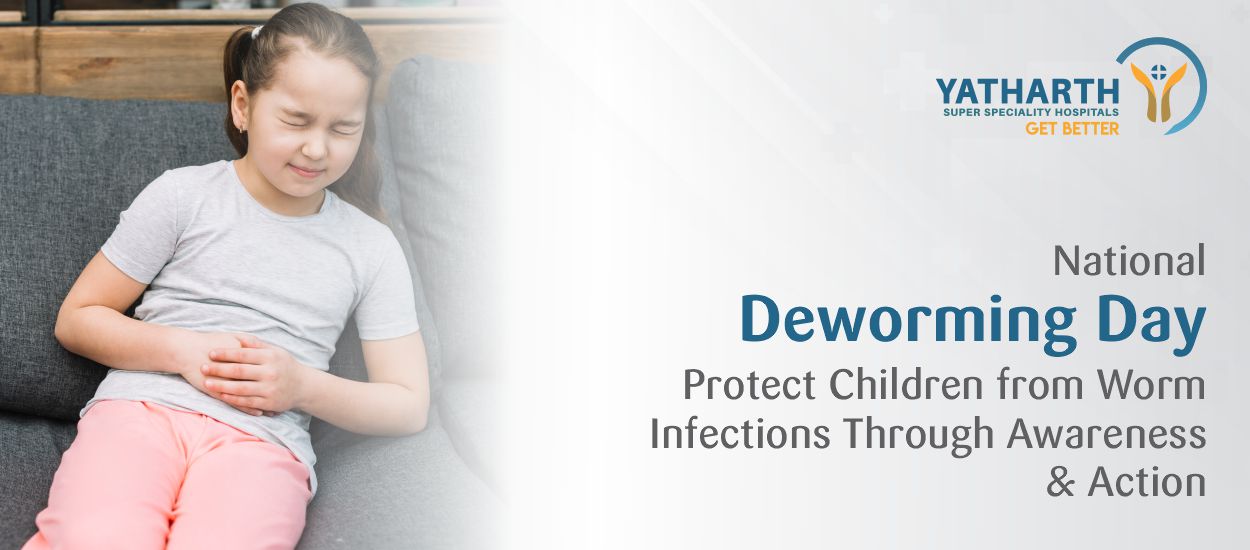


National Deworming Day 2026 is an important public health effort that aims to improve child health by preventing and treating intestinal worm infections. This day is observed throughout India and focuses on safeguarding children and adolescents from parasitic infections that can quietly impact their growth, nutrition, learning ability, and overall well-being.
Through extensive outreach, school-based programs, and community involvement, National Deworming Day boosts the country's fight against worm infections. It also supports long-term health awareness and deworming efforts.
What Is National Deworming Day?
National Deworming Day is a nationwide public health campaign conducted to administer deworming medication to children and adolescents. It is a key part of the national deworming program, designed to reduce the burden of intestinal ?????itic infections among vulnerable age groups.
The day emphasizes:
-
Worm infection awareness
-
Safe and effective deworming practices
-
Hygiene and sanitation education
-
Long-term parasite prevention awareness
Why National Deworming Day 2026 Is Important
Intestinal worm infections often go unnoticed but can cause serious health issues in children, including anemia, malnutrition, stunted growth, and poor academic performance.
National Deworming Day 2026 aims to:
-
Improve child health deworming outcomes
-
Reduce illness caused by intestinal worms
-
Support school attendance and learning
-
Build awareness about intestinal worm prevention
-
Strengthen community participation in preventive healthcare
Understanding Intestinal Worm Infections
Intestinal worms are parasites that live in the human digestive system. Common types include roundworms, hookworms, and whipworms.
How Do Worm Infections Spread?
-
Poor sanitation and hygiene
-
Contaminated soil, food, or water
-
Walking barefoot in infected areas
-
Unwashed hands before eating
Raising parasite prevention awareness is crucial to breaking this cycle of infection.
Signs and Symptoms of Worm Infections
Children with worm infections may experience:
-
Stomach pain or diarrhea
-
Weakness and fatigue
-
Loss of appetite or weight loss
-
Anemia and poor concentration
-
Delayed physical and mental development
Early identification and regular deworming help prevent long-term complications.
National Deworming Program: A Public Health Milestone
The national deworming program is one of the largest public health initiatives in the world. It targets millions of children through:
-
School deworming programs
-
Anganwadi and community health centers
-
Fixed-day administration of deworming tablets
This program ensures equitable access to preventive care, especially for children from high-risk communities.
Deworming Day Activities and Community Involvement
Deworming day activities are designed to combine treatment with education.
Common activities include:
-
Distribution of deworming tablets in schools
-
Health talks on hygiene and sanitation
-
Handwashing and nail hygiene demonstrations
-
Parent-teacher awareness sessions
-
Community outreach for out-of-school children
These activities play a vital role in health awareness, deworming and sustained prevention.
Intestinal Worm Prevention: Simple but Effective Steps
Beyond medication, prevention is key to long-term success.
Intestinal Worm Prevention Tips
-
Wash hands with soap before meals
-
Drink clean, safe water
-
Wash fruits and vegetables thoroughly
-
Use toilets and avoid open defecation
-
Encourage children to wear footwear outdoors
Together, these measures strengthen worm infection awareness and reduce reinfection.
The Role of Schools in Deworming Campaigns
Schools are at the heart of the deworming campaign. A strong school deworming program ensures:
-
High coverage among children
-
Easy monitoring and follow-up
-
Integration of health education into daily learning
Teachers and school staff play a critical role in guiding children and addressing parental concerns.
Why Deworming Awareness Day Matters for Public Health
Deworming awareness day is not just about tablets—it’s about education, dignity, and prevention. By addressing parasitic infections early, communities can:
-
Reduce healthcare costs
-
Improve nutritional outcomes
-
Support healthier, more productive futures for children