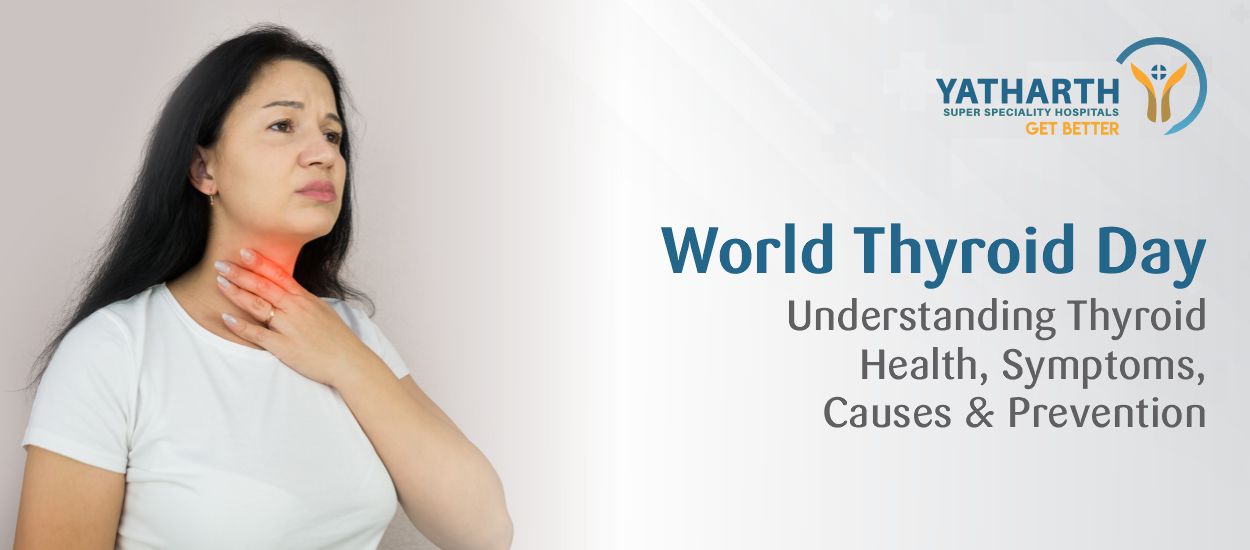


Every year, World Thyroid Day is observed on 25th May to spread awareness about thyroid diseases, encourage early diagnosis, and promote proper treatment. In 2026, World Thyroid Day continues to highlight the growing burden of thyroid disorders affecting millions of people worldwide, especially women.
The thyroid gland plays a vital role in regulating metabolism, energy production, heart function, body temperature, mood, and hormonal balance. However, thyroid disorders often go unnoticed because their symptoms can resemble common health problems such as fatigue, weight gain, anxiety, or hair fall.
On World Thyroid Day 2026, healthcare experts aim to educate people about the importance of regular thyroid screening, healthy lifestyle habits, and timely medical consultation for better thyroid health.
What is the Thyroid Gland?
The thyroid is a small butterfly-shaped gland located in the front of the neck. It produces hormones called:
-
Triiodothyronine (T3)
-
Thyroxine (T4)
These hormones regulate several body functions including:
-
Metabolism
-
Heart rate
-
Digestion
-
Brain development
-
Body temperature
-
Muscle function
-
Menstrual cycle
-
Weight management
The thyroid gland works under the control of the pituitary hormone called TSH (Thyroid Stimulating Hormone).
Why is World Thyroid Day Important?
World Thyroid Day is important because thyroid disorders are becoming increasingly common globally. Many people remain undiagnosed for years due to lack of awareness.
Objectives of World Thyroid Day 2026
-
Increase awareness about thyroid diseases
-
Promote early diagnosis and screening
-
Educate people about symptoms and risk factors
-
Encourage healthy lifestyle habits
-
Reduce complications caused by untreated thyroid disorders
-
Support patients living with thyroid conditions
Common Thyroid Disorders
1. Hypothyroidism (Underactive Thyroid)
Hypothyroidism occurs when the thyroid gland produces insufficient hormones.
Common Symptoms
-
Weight gain
-
Infertility
-
Pericardial Effusion - CAD
-
Diabetes
-
Hypertension
-
Obesity
-
Psychiatric Disorders
-
Fatigue
-
Depression
-
Dry skin
-
Hair fall
-
Constipation
-
Muscle Paralysis
-
Feeling cold
-
Slow heart rate
-
Puffy face
-
Irregular periods
Common Causes
-
Hashimoto’s thyroiditis
-
Iodine deficiency
-
Thyroid surgery
-
Radiation therapy
-
Certain medications
Common Causes in Child
-
Mental Retardation
-
Short Height
-
Delayed Development of Sexual Character
-
Weight Loss
2. Hyperthyroidism (Overactive Thyroid)
Hyperthyroidism happens when the thyroid gland produces excessive hormones.
Risk Factor
-
Heart Failure
-
Infertility
-
Diabetes
-
Hypertension
-
Myopathy
Symptoms
-
Weight loss
-
Anxiety
-
Rapid heartbeat
-
Excessive sweating
-
Tremors
-
Difficulty sleeping
-
Increased appetite
-
Irritability
-
Frequent bowel movements
Common Causes
-
Graves’ disease
-
Thyroid nodules
-
Thyroiditis
-
Drug Medicine
3. Thyroid Nodules
Thyroid nodules are abnormal lumps in the thyroid gland. Most are non-cancerous, but some may require evaluation.
Symptoms
-
Lump in the neck
-
Difficulty swallowing
-
Hoarseness
-
Breathing problems
4. Goiter
A goiter refers to enlargement of the thyroid gland.
Causes
-
Iodine deficiency
-
Autoimmune thyroid disease
-
Hormonal imbalance
-
Medication
5. Thyroid Cancer
Thyroid cancer is highly treatable when detected early.
Warning Signs
-
Neck swelling
-
Voice changes
-
Difficulty swallowing
-
Persistent throat pain
Causes and Risk Factors of Thyroid Disorders
Several factors can increase the risk of thyroid disease.
Major Risk Factors
-
Family history of thyroid disease
-
Female gender
-
Pregnancy and menopause
-
Autoimmune diseases
-
Iodine deficiency
-
Stress
-
Obesity
-
Smoking
-
Radiation exposure
Women are more likely to develop thyroid disorders than men.
If Pregnant Female Uncontrolled Thyroid
-
Abortion
-
IUD
-
Mental Retardation
-
Facial, Oral, Skeletal Defect
-
Thyroid
-
High Blood Pressure
Symptoms of Thyroid Problems You Should Not Ignore
Many thyroid symptoms develop gradually and are often ignored.
Warning Signs Include
-
Sudden weight changes
-
Low Sperm Count
-
Fatty Liver
-
Bloating
-
Persistent tiredness
-
Hair thinning
-
Mood swings
-
Depression or anxiety
-
Swelling in the neck
-
Irregular menstrual cycle
-
Infertility
-
Sleep disturbances
-
Muscle weakness
Early diagnosis can help prevent complications.
Thyroid Disorders and Women’s Health
Thyroid diseases are especially common in women and can affect:
-
Fertility
-
Pregnancy
-
Menstrual health
-
Menopause
-
Bone health
Untreated thyroid disorders during pregnancy may increase risks for both mother and baby.
Importance of Thyroid Screening
Regular thyroid testing is important for people with symptoms or risk factors.
Common Thyroid Tests
-
TSH Test
-
T3 and T4 Test
-
Thyroid Antibody Test
-
Ultrasound Neck
-
FNAC for thyroid nodules
Early detection helps in effective treatment and prevention of long-term complications.
How to Maintain Good Thyroid Health
1. Eat a Balanced Diet
Include foods rich in:
-
Iodine
-
Selenium
Healthy Foods for Thyroid
-
Eggs
-
Dairy products
-
Nuts and seeds
-
Green vegetables
-
Fruits
-
Whole grains
2. Exercise Regularly
Physical activity helps maintain healthy metabolism and hormone balance.
3. Manage Stress
Chronic stress may affect hormonal balance and thyroid function.
Stress Management Tips
-
Meditation
-
Yoga
-
Deep breathing
-
Adequate sleep
4. Avoid Smoking
Smoking negatively impacts thyroid health and increases risk of eye complications in hyperthyroidism.
5. Regular Health Checkups
Routine thyroid screening is important, especially for women, elderly individuals, and people with family history.
Treatment Options for Thyroid Disorders
Treatment depends on the type and severity of thyroid disease.
Hypothyroidism Treatment
-
Thyroid hormone replacement medication
Hyperthyroidism Treatment
-
Anti-thyroid medicines
-
Radioactive iodine therapy
-
Surgery
Thyroid Nodules and Cancer Treatment
-
Monitoring
-
Surgery
-
Radioiodine therapy
-
Targeted cancer treatment
Thyroid Disorders and Mental Health
Thyroid imbalance can affect emotional wellbeing.
Common Mental Health Symptoms
-
Anxiety
-
Depression
-
Brain fog
-
Irritability
-
Poor concentration
Proper treatment often improves mental health symptoms significantly.
Myths and Facts About Thyroid Disease
Myth 1: Only women get thyroid disorders
Fact:
Although more common in women, men and children can also develop thyroid disease.
Mens Thyroid Disorder chance risk if detect
Myth 2: Thyroid disease always causes weight gain
Fact:
Some thyroid disorders cause weight gain, while others cause weight loss.
In children weight loss and gain
Myth 3: Thyroid disorders are always lifelong
Fact:
Some thyroid conditions are temporary and treatable.
Myth 4: Thyroid problems only affect older people
Fact:
Thyroid disease can occur at any age, also children
World Thyroid Day 2026 Theme
The official theme for World Thyroid Day 2026 may focus on awareness, early diagnosis, patient support, and improving access to thyroid care globally. Healthcare organisations worldwide conduct:
-
Awareness campaigns
-
Thyroid screening camps
-
Educational seminars
-
Social media campaigns
-
Community health programs
When Should You Consult a Doctor?
Consult a healthcare professional if you experience:
-
Persistent fatigue
-
Unexplained weight changes
-
High Blood Sugar
-
High Blood Pressure
-
High Cholesterol
-
Fatty Liver
-
Neck swelling
-
Hair loss
-
Irregular heartbeat
-
Menstrual irregularities
-
Anxiety or depression without clear reason
Early diagnosis can improve quality of life and prevent complications.