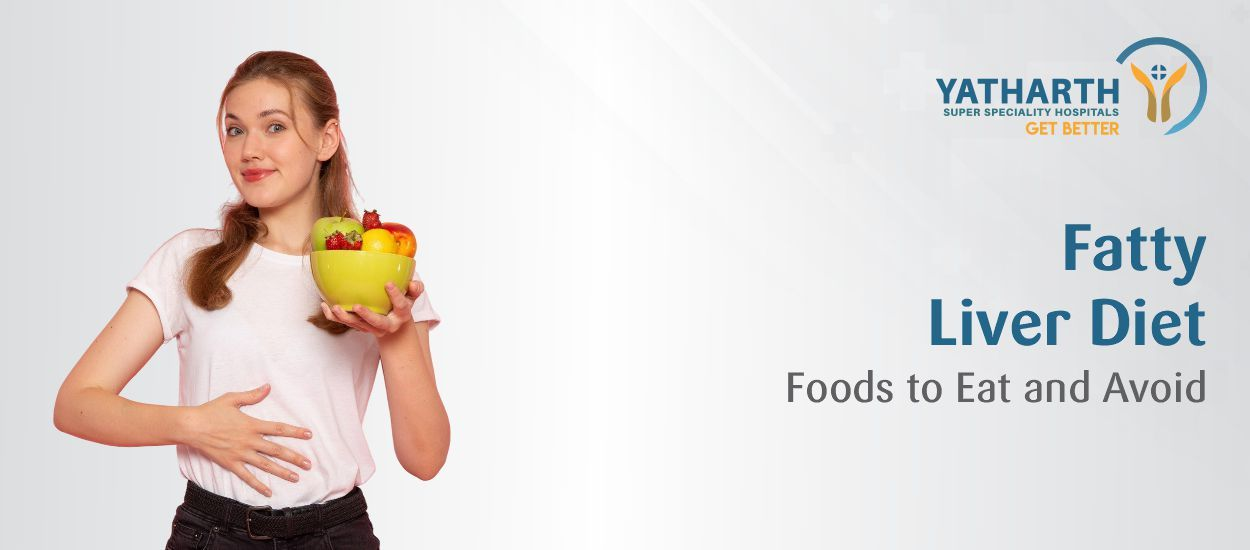


Fatty liver is the buildup of excess fat in the liver cells. Although the condition can arise from a number of causes, certain lifestyle factors such as an unhealthy diet, being overweight, having diabetes, or not getting enough exercise can contribute to the risk. The good news is that the liver can be supported with the right diet and exercise and, in many cases, it is possible to reduce the amount of fat in the liver.
What is a Fatty Liver Diet?
A fatty liver disease diet isn’t a crash diet or a super restrictive way of eating. It is a moderate, sensible way of eating to enhance overall nutrition, promote healthy body weight, and limit factors that may promote fat deposition in the liver.
Dietary improvement remains an important aspect of management in patients with metabolic dysfunction-associated steatotic liver disease (MASLD) widely known as non-alcoholic fatty liver disease or NAFLD. A non-alcoholic fatty liver diet or NAFLD diet focuses on eating lots of vegetables, fruits, whole grains, lean proteins, legumes and nuts, and better sources of fat.
Foods to Eat for Fatty Liver
Foods to eat in fatty liver to help you build a realistic, enjoyable way of eating
Vegetables
Vegetables are high in fibre, vitamins, minerals and plant compounds. Add some leafy greens like spinach or kale, as well as broccoli and cauliflower, carrots, tomatoes, cucumbers, beans or whatever else you feel like that’s in season.
You can add these vegetables for fatty liver in your salad, soups, curries or you can also consume them in lightly cooked form.
Fruits
Whole fruits provide fibre and important nutrients. Apples, oranges, strawberries, guava, pears, papaya and a lot more fresh fruits that you eat can be taken in your suitable serving.
Those fruits that are good for fatty liver are mostly whole foods rather than juices, as whole fruit has fibre and helps you feel full. Even naturally sweet foods should be consumed in sensible portions.
Whole Grains
Wholegrain products (for example: oats, brown rice, whole-wheat roti, barley and millets) could add up to more fibre than refined grain ones.
Severe carbohydrate restriction is not necessary, but switching from refined carbohydrates to whole-grain products can be a part of a healthy diet for fatty liver.
Protein-Rich Foods
You need protein to keep your muscles and yourself healthy. Protein-friendly fatty liver staples may be lentils, beans, chickpeas, tofu, eggs, fish and low-fat dairy products.
Choose cooking methods such as grilling, baking, steaming, or lightly sautéing instead of deep-frying.
Healthy Fats
Not all fats have the same effect on health. Nuts, seeds, avocados, and unsaturated vegetable oils can provide healthier fats when consumed in moderate amounts.
Foods to Avoid for Fatty Liver
- Sugary Drinks
- Refined Carbohydrates
- Fried and Highly Processed Foods
- Processed and Fatty Meats
- Excessive Added Sugar
Best Diet for Fatty Liver
There is no one best diet for fatty liver that fits all. Dietary patterns that are high in vegetables, whole grains, legumes, lean protein, nuts and unsaturated fats tend to be more supportive of metabolic and liver health.
Because it focuses on whole, unrefined foods and healthy fats, a Mediterranean-style diet pattern is often recommended as a good option. Indian preparations are also easily modified with whole grains, pulses, vegetables, curd, nuts, seeds and controlled amounts of protein.
Fatty Liver Diet Chart
A simple fatty liver diet chart can help organize daily meals:
|
Meal |
Example |
|
Early morning |
Water; unsweetened tea if desired |
|
Breakfast |
Vegetable oats/upma or vegetable poha with protein |
|
Mid-morning |
One whole fruit |
|
Lunch |
Whole-wheat roti or brown rice + dal + vegetables + salad + curd |
|
Evening |
Unsalted nuts/seeds or roasted chickpeas |
|
Dinner |
Vegetables + grilled/steamed protein + whole grain in a moderate portion |
|
If needed |
Low-fat, unsweetened dairy option |
This is a general example rather than a personalized fatty liver meal plan. Calorie and nutrient requirements vary from person to person.
Fatty Liver Meal Plan and Portion Control
A good fatty liver diet plan should be based on what to eat in the daily meal and how much to eat. Consuming healthy food in large amounts can still give excess calories to the body.
Try to fill a large portion of your plate with vegetables, include a moderate portion of protein, and add a suitable portion size of whole grains or other high-fibre carbohydrates.
Physical activity should be a regular part of life, too. Losing weight gradually and maintaining the loss can help people who are overweight or obese reduce fat in the liver.
Diet for weight loss with fatty liver
A fatty liver weight loss diet is all about making small but meaningful, sustainable adjustments, not about punishing yourself with severe calorie deprivation. Shedding extra pounds can help improve your metabolic health and even decrease liver fat.
Avoid fad diets, extended fasting unless medically supervised or unregulated supplements. A physician or dietitian can advise you on a safe and suitable approach for managing your weight.
Liver-Friendly Foods and Recipes
There is no one food that has the ability to “cleanse” the liver. Plenty of healthy foods are helpful for liver health. Vegetables, whole fruits, whole grains, legumes, nuts and seeds, fish, and low-fat dairy are examples of liver friendly foods.
These foods good for liver health should form part of an overall balanced eating pattern rather than being treated as a cure.
What About Liver Cleansing Foods?
The liver itself does detoxification in the body. So, no need for special “detox” drinks or liver cleansing foods to cleanse your liver.
Just eat a healthy diet, exercise regularly, get enough sleep, keep your weight in check and avoiding excessive alcohol.
How to Reduce Fatty Liver Naturally
- Choose minimally processed foods more often
- Cut back on added sugar and sugary drinks
- Eat more vegetables and fibre
- Select lean protein sources
- Cut down on fried foods and processed meats
- Keep weight under control
- Exercise regularly
- Don’t drink too much alcohol
If you have diabetes, cholesterol, or other health issues, follow your doctor’s instructions.
Conclusion
A healthy diet for fatty liver has a significant role in the overall improvement of metabolic and liver health. Emphasize on vegetables, whole fruits, whole grains, legumes, lean protein and healthy fats and limit sugary drinks, refined carbohydrates, fried foods, processed meats and too much added sugar.
Rather than searching for a single food or quick remedy, build sustainable eating habits that support healthy weight management and regular physical activity. With appropriate lifestyle changes and medical guidance, many people can improve their liver health over time.