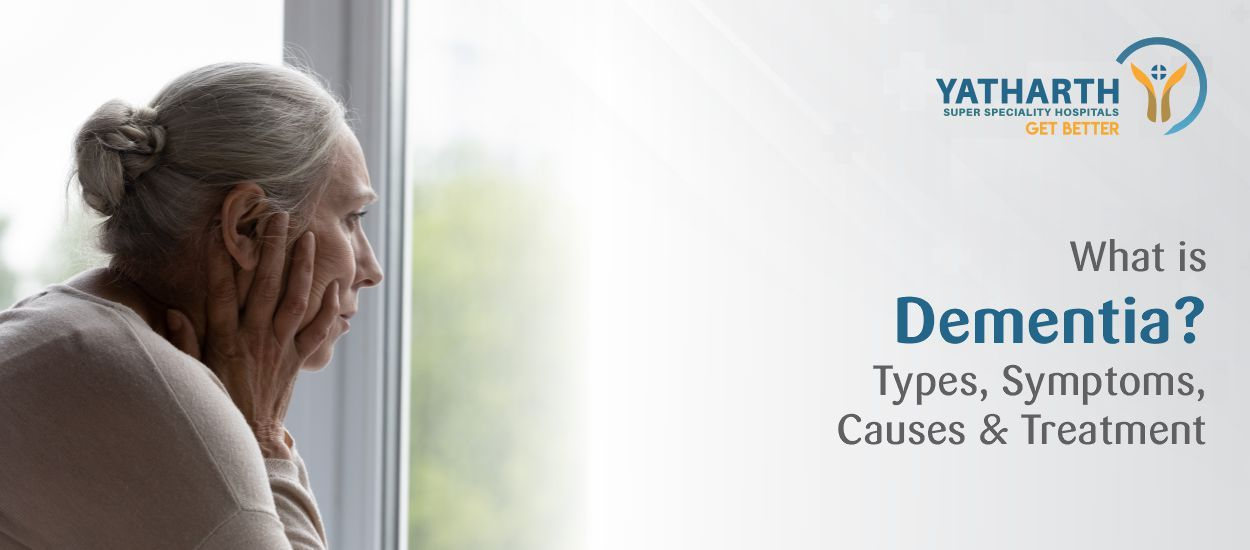


Dementia is a group of symptoms caused by diseases or damage affecting the brain. It can affect memory, thinking, language, judgement, behaviour and the ability to perform everyday activities independently. Although dementia is more common in older adults, it is not a normal part of ageing and can sometimes develop in younger people.
Alzheimer’s disease is the most common cause of dementia. Other types include vascular dementia, dementia with Lewy bodies and frontotemporal dementia. Each type can affect the brain differently, so symptoms and treatment needs vary.
Dementia usually progresses over time, but early diagnosis can help identify the underlying cause, manage symptoms, support independence and help families plan for future care. Some conditions that cause memory or thinking problems can be treated, making proper assessment particularly important.
What Is Dementia?
Dementia is not a single disease. It is a clinical syndrome involving a decline in cognitive abilities that is significant enough to interfere with daily life.
Depending on the cause, a person may experience difficulty remembering recent events, following conversations, managing money, planning tasks, recognising familiar places or making decisions. Changes in mood, personality and behaviour may also occur.
Dementia differs from occasional forgetfulness. Everyone may sometimes forget a name or misplace an item, but dementia-related changes tend to become persistent and increasingly interfere with everyday activities.
Dementia can affect both the person experiencing it and their family or caregivers. Appropriate medical care, practical support, and a safe environment can help maintain quality of life for as long as possible.
What Are the Different Types of Dementia?
Dementia can develop for different reasons, and some people have more than one underlying brain disease. The most common types include the following.
Alzheimer's disease
The most common cause of dementia
Alzheimer's disease is a progressive brain disorder associated with changes involving proteins in the brain, including beta-amyloid and tau. These changes are associated with damage to nerve cells and declining cognitive function.
Common symptoms include:
- Forgetting recent conversations or events.
- Repeating questions or stories.
- Difficulty finding words.
- Problems planning, organising or completing familiar tasks.
- Increasing confusion in unfamiliar places.
Memory problems are often among the earliest symptoms, although the pattern can vary.
Vascular dementia
Vascular dementia develops when problems affecting the brain's blood supply damage brain tissue. It may occur after a stroke or as a result of disease affecting small blood vessels in the brain.
Symptoms may include:
- Difficulty concentrating or planning.
- Slower thinking and decision-making.
- Problems with walking or balance.
- Mood or personality changes.
- Memory difficulties, which may be less prominent early on than in Alzheimer's disease.
Managing high blood pressure, diabetes, cholesterol and other vascular risk factors is an important part of care.
Dementia with Lewy bodies
Dementia with Lewy bodies is associated with abnormal deposits of a protein called alpha-synuclein in brain cells.
Possible symptoms include:
- Fluctuations in attention and alertness.
- Visual hallucinations, such as seeing people or objects that are not present.
- Slowness, stiffness or other movement difficulties.
- Sleep disturbances, including acting out dreams.
- Repeated falls or changes in blood pressure.
Accurate diagnosis is important because some medicines, particularly certain antipsychotic medicines, can cause severe adverse reactions in people with this condition.
Frontotemporal dementia (FTD)
Frontotemporal dementia affects the frontal and temporal regions of the brain, which help regulate behaviour, personality, language and decision-making.
Early symptoms may include:
- Noticeable changes in personality or social behaviour.
- Reduced empathy or changes in emotional responses.
- Impulsive or socially inappropriate behaviour.
- Difficulty speaking, understanding words or expressing thoughts.
- Changes in eating habits or motivation.
FTD often begins at a younger age than other common forms of dementia, although it can occur later in life.
Mixed dementia
Mixed dementia occurs when more than one disease contributes to cognitive decline. A common example is a combination of Alzheimer's disease and vascular brain disease.
Symptoms may overlap, making a careful clinical assessment important.
Other conditions that can cause dementia-like symptoms
Some other neurological conditions, including Parkinson's disease and Huntington's disease, can be associated with dementia. Memory and thinking problems may also occur with certain infections, brain injuries and other disorders.
Not every cause of memory loss is dementia. Depression, medication side effects, vitamin deficiencies, thyroid problems, sleep disorders and acute illnesses can also affect thinking and memory and may be treatable.
What Are the Symptoms of Dementia?
Dementia symptoms vary according to the underlying cause, the areas of the brain affected and the stage of the condition. Symptoms often develop gradually, although some types can have a different pattern.
Memory loss
A person may repeatedly forget recent conversations, appointments or events. They may ask the same question several times or increasingly rely on reminders for everyday activities.
Difficulty with familiar tasks
Tasks that were once routine, such as preparing a meal, managing household bills, using familiar equipment or following a known route, may become harder.
Language and communication problems
A person may struggle to find the right word, follow conversations, understand instructions or explain what they want to say.
Confusion about time and place
They may lose track of dates, become confused about where they are or have difficulty finding their way around familiar surroundings.
Problems with judgement and decision-making
A person may have difficulty managing money, assessing risks, planning activities or making decisions that were previously straightforward.
Mood and personality changes
Some people develop anxiety, irritability, low mood, apathy or changes in their usual behaviour. They may withdraw from social activities or become unusually suspicious.
Difficulty recognising people or objects
As dementia progresses, some people may struggle to recognise familiar faces, interpret objects correctly or understand their surroundings.
Changes in movement and sleep
Depending on the type of dementia, symptoms may include slower movement, poor balance, repeated falls, disturbed sleep or changes in alertness.
Increasing difficulty with daily activities
In later stages, a person may need help with dressing, bathing, eating, walking or other personal care. Communication may also become more difficult.
Important: A sudden change in memory, behaviour or awareness is not typical of gradually progressing dementia. Sudden confusion can be caused by delirium, infection, medication effects or a stroke and needs urgent medical assessment.
What Causes Dementia?
Dementia develops when diseases or injuries damage brain cells and disrupt the networks responsible for memory, reasoning, language, behaviour and other cognitive functions.
The exact cause depends on the type of dementia.
- Abnormal protein accumulation: Alzheimer's disease and dementia with Lewy bodies are associated with different abnormal protein changes in the brain.
- Reduced blood supply: Strokes and disease affecting brain blood vessels can damage brain tissue and contribute to vascular dementia.
- Degeneration of specific brain regions: Frontotemporal dementia involves progressive damage to areas associated with behaviour, personality and language.
- Neurological diseases or brain injury: Certain other brain disorders and repeated head injuries can contribute to dementia.
- Other medical conditions: Some illnesses can cause symptoms resembling dementia and may improve when the underlying problem is treated.
Dementia usually results from a combination of biological processes and risk factors rather than one simple cause.
Who Is at Risk of Developing Dementia?
Age is the strongest known risk factor, but dementia is not an inevitable part of getting older. Younger adults can also develop certain types of dementia.
Factors associated with a higher risk include:
- Older age.
- A family history of certain forms of dementia.
- High blood pressure.
- Diabetes and poorly controlled blood glucose.
- High cholesterol.
- Smoking.
- Harmful alcohol use.
- Physical inactivity.
- Social isolation and limited cognitive engagement.
- Hearing or vision loss that is not adequately addressed.
- Previous stroke or significant head injury.
- Obesity and other cardiovascular risk factors.
Having a risk factor does not mean a person will develop dementia. Some risk factors can be managed through lifestyle changes and medical care.
How Is Dementia Diagnosed?
There is no single test that diagnoses every type of dementia. Doctors combine the person's symptoms, medical history, cognitive assessment, physical examination and appropriate investigations to identify the likely cause.
Medical history and family observations
The doctor may ask when symptoms began, whether they are getting worse and how they affect everyday activities. Information from a family member or someone who knows the person well can help identify changes that the person may not recognise themselves.
Cognitive and memory tests
Brief assessments may evaluate memory, attention, language, orientation, problem-solving and other thinking skills. These tests help identify areas of difficulty but do not establish the diagnosis on their own.
Physical and neurological examination
The examination may assess movement, coordination, reflexes, balance and other neurological signs. It can also help identify conditions that may be contributing to the symptoms.
Blood tests
Blood tests may be recommended to look for potentially treatable causes of cognitive symptoms. Depending on the situation, these may include tests for thyroid function, vitamin B12 deficiency, blood glucose, kidney function, liver function or other medical conditions.
Brain imaging
A CT scan or MRI may be used to look for changes in brain structure, previous strokes, bleeding, tumours or other abnormalities. Imaging can support the diagnosis and help identify alternative explanations.
Specialist assessment
A neurologist, geriatrician, psychiatrist with relevant expertise or another appropriate specialist may conduct further assessments. More detailed cognitive testing or selected additional investigations may be needed when the diagnosis is uncertain.
Early assessment is valuable because some causes of memory problems can be treated, and an accurate diagnosis helps guide care and planning.
What Are the Treatment Options for Dementia?
Treatment depends on the type of dementia, the symptoms, the stage of the condition and the person's overall health. Although many forms of dementia currently have no cure, treatment and supportive care can help manage symptoms, maintain function and improve quality of life.
Medicines to manage symptoms
Depending on the diagnosis, a doctor may prescribe medicines such as:
- Donepezil, rivastigmine or galantamine: These medicines may temporarily improve or stabilise some cognitive symptoms in selected people with Alzheimer's disease and certain other types of dementia.
- Memantine: This may be used in moderate to severe Alzheimer's disease and selected other circumstances.
- Medicines for associated symptoms: Treatment for depression, anxiety, sleep problems or other symptoms may be considered when appropriate.
These medicines do not cure dementia, and their benefits and side effects vary. They should be prescribed and monitored by a qualified healthcare professional.
Treatments for selected forms of Alzheimer's disease
Certain newer treatments targeting amyloid in the brain may be available for carefully selected people with early Alzheimer's disease in some countries and healthcare settings. Eligibility, availability, potential benefits, costs and risks vary.
These treatments are not suitable for every person with dementia and require specialist assessment and monitoring. Their availability should be confirmed locally before considering them.
Managing underlying health conditions
Treatment of conditions that contribute to cognitive decline can be an important part of care. This may include controlling blood pressure, diabetes and cholesterol, treating depression, addressing hearing or vision problems, and reviewing medicines that may affect memory or alertness.
Cognitive stimulation and rehabilitation
Structured activities, memory strategies, occupational therapy and other rehabilitation approaches may help people maintain abilities and participate in daily activities for as long as possible.
The focus should be on meaningful activities suited to the person's interests, needs and remaining abilities.
Physical activity and healthy routines
Regular physical activity, a balanced diet, adequate sleep and social engagement can support general health and well-being. Activities should be adapted to the person's mobility, medical conditions and safety needs.
Caregiver support and safety planning
Family members and caregivers may need guidance on communication, medication routines, fall prevention, nutrition, personal care and managing changes in behaviour.
Planning ahead for future care and involving the person in decisions as early as possible can also help preserve autonomy and dignity.
How Can You Reduce the Risk of Dementia?
Not all forms of dementia can be prevented. However, evidence suggests that addressing certain health and lifestyle factors may reduce the risk of cognitive decline.
- Keep physically active: Choose regular activity appropriate for your age, fitness and health.
- Control blood pressure: Follow medical advice for hypertension and attend recommended check-ups.
- Manage diabetes and cholesterol: Keep these conditions under appropriate medical control.
- Avoid smoking: Seek support to stop using tobacco.
- Limit or avoid alcohol: Avoid harmful alcohol consumption.
- Eat a balanced diet: Include vegetables, fruits, whole grains, pulses and other nutritious foods.
- Maintain social connections: Spend time with family, friends and community groups.
- Stay mentally engaged: Enjoy activities such as reading, learning, music, puzzles or hobbies.
- Address hearing and vision problems: Seek assessment and use recommended aids when appropriate.
- Protect your head: Use seat belts, helmets and suitable safety measures to reduce the risk of head injury.
- Prioritise sleep: Seek medical advice for persistent sleep problems, particularly if you snore loudly or experience daytime sleepiness.
These steps support overall health and may help reduce dementia risk, but they cannot guarantee prevention.
How Can Families Support Someone Living With Dementia?
Dementia affects not only memory and thinking but also a person's independence, relationships and daily routines. Supportive communication and a predictable environment can make everyday life easier.
- Use clear, simple communication: Speak calmly, allow time for responses and give one instruction at a time.
- Maintain familiar routines: Regular mealtimes, activities and sleep schedules may reduce confusion.
- Make the home safer: Reduce fall hazards, improve lighting and consider supervision where needed.
- Use reminders and labels: Calendars, written prompts and clear labels may help with everyday tasks.
- Encourage independence: Allow the person to do what they can safely, offering help only where necessary.
- Avoid unnecessary confrontation: If a person is confused, respond with reassurance and try to understand what may be causing distress.
- Support nutrition and hydration: Offer suitable meals and drinks, and seek medical advice if eating or swallowing becomes difficult.
- Look after caregivers: Arrange respite, share responsibilities and seek professional or community support when needed.
Care should be respectful, person-centred and adapted as the person's needs change.
When Should You See a Doctor?
Arrange a medical appointment if you or a family member experiences persistent or worsening memory problems, difficulty performing familiar tasks, repeated confusion, changes in judgement or personality, or increasing difficulty managing daily activities.
Seek emergency medical attention if confusion develops suddenly, particularly if it is accompanied by facial drooping, weakness on one side, difficulty speaking, severe headache, fever or reduced consciousness. These symptoms may indicate a stroke or another urgent medical condition.
Do not assume that sudden confusion in an older person is simply dementia or ageing. Prompt evaluation can be critical.
Conclusion
Dementia is a group of conditions that affect memory, thinking, behaviour and everyday independence. Alzheimer's disease is the most common type, but vascular dementia, dementia with Lewy bodies, frontotemporal dementia and mixed dementia can also occur.
Although most forms of dementia cannot currently be cured, early diagnosis can help identify the underlying condition, guide treatment, support independence and prepare families for future care. Healthy lifestyle habits and management of cardiovascular risk factors may also help reduce the risk of cognitive decline.
If you notice persistent changes in memory, judgement, communication or daily functioning, seek medical evaluation rather than assuming they are a normal part of ageing.
At Yatharth Hospitals, patients and families can seek medical assessment for persistent memory or cognitive changes. The appropriate specialist and investigations depend on the individual's symptoms and the services available at the selected location.