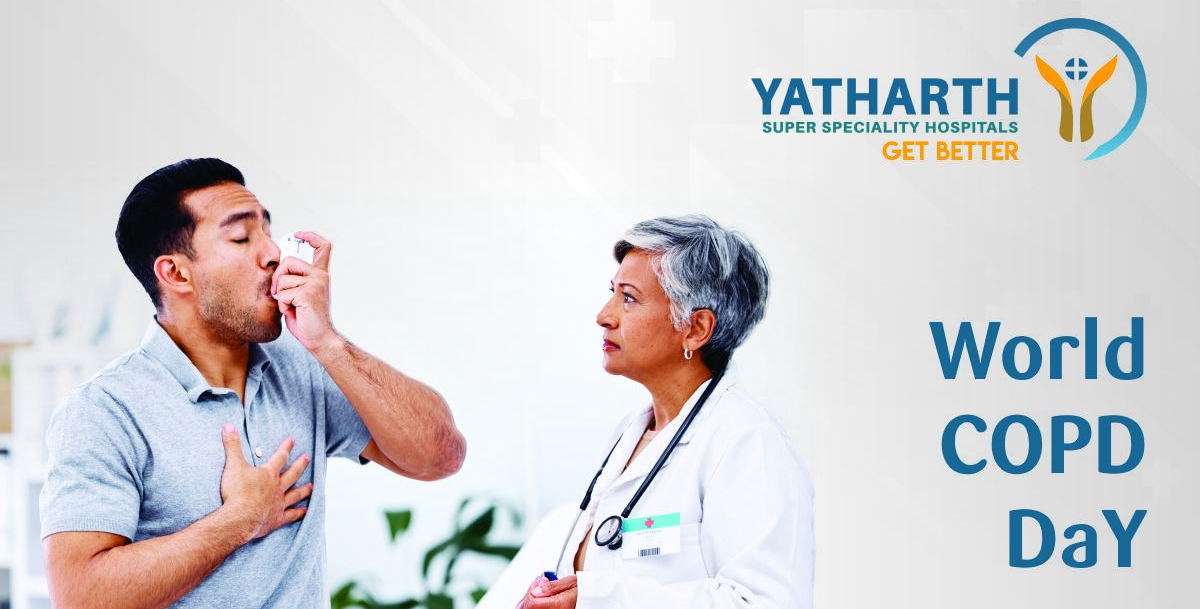


World COPD Day 2026 will be observed on 18 November 2026 to raise awareness about chronic obstructive pulmonary disease (COPD), a long-term lung condition that causes breathing difficulties and can significantly affect a person's quality of life. The day highlights the importance of recognising early symptoms, reducing exposure to risk factors, obtaining an accurate diagnosis, and starting appropriate treatment as early as possible.
The official theme for World COPD Day 2026 is “Early Diagnosis and Management for a Better Life.” It emphasises that COPD is often underdiagnosed or diagnosed only after symptoms become severe. Persistent coughing, excessive mucus production, wheezing, and gradually breathlessness progressive may be early warning signs that should not be ignored.
COPD is a significant respiratory health concern in India, where tobacco smoking, biomass fuel smoke, indoor smoke from cooking fuels, outdoor air pollution, and occupational exposure to dust and fumes can contribute to lung damage. Although COPD cannot usually be reversed completely, early diagnosis, appropriate medication, pulmonary rehabilitation, smoking cessation, and regular medical follow-up can help manage symptoms and reduce the risk of complications.
On the occasion of World COPD Day 2026, Yatharth Hospitals aims to spread awareness about COPD, its causes, symptoms, risk factors, diagnostic tests, treatment options, and preventive measures to help people protect their lung health and seek timely medical care.
What is World COPD Day?
World COPD Day is an annual global awareness initiative organised by the Global Initiative for Chronic Obstructive Lung Disease (GOLD), in collaboration with healthcare professionals and organisations working to improve respiratory health.
The first World COPD Day was observed in 2002. Since then, the initiative has encouraged communities, healthcare providers, and policymakers to improve understanding of COPD and reduce its impact on individuals and families.
The observance focuses on several important priorities:
- Raising awareness about COPD and its early symptoms.
- Encouraging timely diagnosis through appropriate lung function testing.
- Promoting smoking cessation and reducing exposure to harmful pollutants.
- Improving access to effective medication and respiratory healthcare.
- Highlighting the importance of pulmonary rehabilitation and physical activity.
- Helping patients recognise and manage COPD flare-ups.
- Supporting people living with COPD and improving their quality of life.
World COPD Day also addresses the misconception that breathlessness is simply a normal consequence of ageing or a lack of physical fitness. Persistent breathing difficulties may indicate an underlying lung condition and deserve medical evaluation.
World COPD Day 2026: Date and Theme
Date: 18 November 2026
Day: Wednesday
Theme: Early Diagnosis and Management for a Better Life
The 2026 theme highlights the importance of identifying COPD before substantial lung damage and disability develop.
COPD often progresses gradually. In the early stages, a person may experience only a mild cough, occasional wheezing, or breathlessness while walking quickly or climbing stairs. These symptoms may be dismissed as a smoker's cough, seasonal allergies, or age-related changes.
However, persistent symptoms can indicate airflow obstruction that requires medical assessment.
Early diagnosis allows healthcare professionals to recommend suitable inhaled medicines, smoking cessation support, vaccination, pulmonary rehabilitation, and measures to reduce exposure to harmful substances.
The theme also recognises that COPD is not caused by tobacco smoking alone. Air pollution, household smoke, workplace exposures, early-life respiratory problems, and genetic factors can also contribute to the disease.
The central message of World COPD Day 2026 is simple: recognise breathing problems early, seek an accurate diagnosis, and take timely action to protect lung health.
What Is COPD?
Chronic obstructive pulmonary disease, commonly known as COPD, is a chronic lung condition characterised by persistent respiratory symptoms and airflow obstruction.
In healthy lungs, air moves freely through the airways and reaches tiny air sacs called alveoli, where oxygen enters the bloodstream and carbon dioxide is removed.
In COPD, changes in the airways and lung tissue make it difficult for air to move out of the lungs efficiently. This can result from inflammation, narrowing of the airways, excessive mucus production, or damage to the alveoli.
People with COPD may experience persistent coughing, phlegm production, wheezing, chest tightness, and breathlessness. Symptoms can worsen over time, particularly when the disease is not properly managed or the person continues to be exposed to harmful substances.
COPD is an umbrella term that commonly includes two overlapping conditions: chronic bronchitis and emphysema.
The disease is usually long-term and may gradually progress. However, appropriate treatment can reduce symptoms, improve exercise tolerance, decrease flare-ups, and support a better quality of life.
COPD is not contagious. It is a medical condition that develops because of a combination of environmental exposures, individual susceptibility, and changes in the lungs.
What Are the Main Types of COPD?
COPD commonly involves chronic bronchitis, emphysema, or a combination of both. Not every patient has the same pattern of lung damage.
Chronic Bronchitis
Chronic bronchitis involves persistent inflammation of the bronchial tubes, which carry air into and out of the lungs.
The inflamed airways may produce excessive mucus, leading to a recurring cough and phlegm production.
The traditional clinical definition of chronic bronchitis involves a productive cough for at least three months in each of two consecutive years, after other causes have been excluded.
People with chronic bronchitis may experience:
- Frequent coughing with mucus.
- Wheezing.
- Chest congestion.
- Recurrent respiratory infections.
- Breathlessness, particularly during physical activity.
Chronic bronchitis can occur alongside COPD, but a productive cough alone does not establish the diagnosis. Lung function testing and clinical assessment may be required.
Emphysema
Emphysema involves damage to the walls of the alveoli, the tiny air sacs responsible for exchanging oxygen and carbon dioxide.
As these air sacs lose their normal structure and elasticity, air can become trapped in the lungs. This makes it more difficult to breathe out fully.
Common symptoms include progressive breathlessness, reduced exercise tolerance, and difficulty performing previously manageable activities.
Emphysema can develop after prolonged exposure to tobacco smoke or other harmful substances. In a smaller proportion of people, it may be associated with an inherited condition called alpha-1 antitrypsin deficiency.
COPD With Overlapping Features
Many people have features of both chronic bronchitis and emphysema.
The balance of these features differs between patients, which is why COPD treatment must be individualised rather than based on a single symptom.
Some people may also have coexisting asthma, bronchiectasis, heart disease, or other conditions that affect breathing. Identifying these conditions helps healthcare professionals choose appropriate treatment.
What Are the Early Symptoms of COPD?
COPD symptoms often develop gradually. Some people do not recognise the seriousness of their symptoms until everyday activities become increasingly difficult.
Common symptoms include:
- Persistent cough.
- Regular production of mucus or phlegm.
- Shortness of breath during walking or climbing stairs.
- Wheezing or whistling sounds while breathing.
- Chest tightness.
- Frequent respiratory infections.
- Reduced stamina and exercise tolerance.
- Fatigue or reduced energy.
- Difficulty completing routine activities without resting.
Persistent Cough
A cough that continues for weeks or months may be associated with COPD, particularly in people who smoke or have long-term exposure to dust, smoke, or fumes.
However, a persistent cough can also occur because of asthma, infections, acid reflux, and other conditions. It should be assessed rather than automatically attributed to smoking or pollution.
Excessive Mucus Production
People with COPD may produce phlegm regularly, especially in the morning.
An increase in mucus, a change in its appearance, or a worsening cough may indicate a respiratory infection or a COPD exacerbation.
Breathlessness During Physical Activity
Breathlessness may initially occur only during strenuous activities. As COPD progresses, some people experience difficulty while walking short distances, getting dressed, bathing, or performing household tasks.
Persistent or progressive breathlessness should not be considered a normal part of ageing.
Wheezing
Wheezing is a whistling sound that can occur when air moves through narrowed airways.
Although it may occur in COPD, wheezing is also associated with asthma and other respiratory conditions. A medical assessment is necessary to identify the cause.
Fatigue and Reduced Stamina
Breathing requires more effort when airflow is obstructed. People with COPD may become tired more easily and reduce their physical activity to avoid breathlessness.
Over time, reduced activity can weaken the muscles and make everyday tasks even more difficult.
Important: If you experience persistent cough, regular phlegm production, wheezing, or breathlessness, particularly if you smoke or have long-term exposure to air pollution, consult a healthcare professional. Early assessment can help identify COPD and other treatable conditions.
What Causes COPD?
COPD develops because of long-term exposure to harmful substances, individual susceptibility, or a combination of factors that damage the airways and lung tissue.
Smoking is a major risk factor, but it is not the only cause.
Tobacco Smoking
Cigarette smoking is one of the leading causes of COPD. Tobacco smoke contains chemicals and particles that can irritate the airways, promote inflammation, damage lung tissue, and interfere with normal lung defence mechanisms.
The risk generally increases with the duration and intensity of exposure.
People who smoke should be encouraged to quit, and those who have already stopped can still benefit from avoiding further exposure.
Passive Smoking
Breathing second-hand tobacco smoke can also harm respiratory health.
People who live or work with smokers may be exposed to harmful substances even if they do not smoke themselves.
Avoiding indoor smoking and maintaining smoke-free environments can help reduce exposure.
Outdoor Air Pollution
Air pollution is an important respiratory health concern, particularly in urban areas.
Exposure to particulate matter, traffic emissions, industrial pollution, and other airborne pollutants can irritate the lungs and worsen existing respiratory disease.
Long-term exposure may contribute to the development and progression of chronic respiratory conditions, including COPD.
Indoor Air Pollution
Smoke from solid cooking fuels, heating sources, and poorly ventilated indoor environments can expose people to harmful particles and gases.
In some households, prolonged exposure to biomass smoke from wood, crop residue, dung cakes, or coal may contribute to chronic respiratory problems.
Improved ventilation, cleaner cooking fuels, and reduced exposure to indoor smoke can support better lung health.
Occupational Exposure
Certain jobs involve exposure to dust, chemicals, fumes, and industrial pollutants.
Workers in construction, mining, manufacturing, agriculture, and other dust-intensive environments may face increased respiratory risks depending on the type and duration of exposure.
Appropriate protective equipment, workplace ventilation, and occupational health measures can help reduce exposure.
Genetic Factors
A rare inherited condition called alpha-1 antitrypsin deficiency can increase the risk of emphysema, particularly at a younger age.
People with early-onset COPD, a strong family history, or other suggestive clinical features may require further assessment for genetic causes.
Early-Life Factors
Lung development can be influenced by conditions before birth, childhood respiratory infections, premature birth, and other early-life factors.
Some individuals may enter adulthood with reduced lung function or experience an accelerated decline in lung health.
This helps explain why COPD can sometimes develop in people who have never smoked.
Who Is at Higher Risk of COPD?
COPD can affect people with different backgrounds, occupations, and lifestyles. Certain factors increase the likelihood of developing the condition.
You may be at increased risk if you:
- Currently smoke or have a history of smoking.
- Are regularly exposed to second-hand smoke.
- Have long-term exposure to household smoke or outdoor air pollution.
- Work in an environment with dust, fumes, or chemical irritants.
- Have a history of recurrent respiratory infections or impaired lung development.
- Have a family history of early-onset COPD.
- Have alpha-1 antitrypsin deficiency.
- Experience persistent respiratory symptoms despite never having smoked.
Although COPD is more commonly diagnosed in middle-aged and older adults, it can also affect younger individuals, especially when significant risk factors or genetic conditions are present.
A person's age alone should not determine whether breathing symptoms are investigated.
Can Non-Smokers Develop COPD?
Yes. Although tobacco smoking is a major cause of COPD, people who have never smoked can also develop the condition.
Possible contributing factors include:
- Long-term exposure to outdoor air pollution.
- Household smoke from cooking or heating fuels.
- Occupational exposure to dust, chemicals, or fumes.
- Genetic conditions such as alpha-1 antitrypsin deficiency.
- Abnormal lung development or reduced lung function from early life.
- Certain respiratory conditions that cause long-term airway damage.
Non-smokers with persistent cough, phlegm production, wheezing, or breathlessness should not assume that they cannot have COPD.
A healthcare professional can assess the symptoms, exposure history, and lung function to determine whether COPD or another respiratory condition is present.
How Is COPD Diagnosed?
COPD diagnosis involves reviewing symptoms, assessing risk factors, examining the patient, and performing appropriate investigations.
The most important diagnostic test is spirometry, which measures how much air a person can exhale and how quickly they can do so.
Medical History
The doctor may ask about:
- Persistent cough and mucus production.
- Breathlessness during everyday activities.
- Wheezing and chest tightness.
- Smoking history.
- Exposure to air pollution, dust, or workplace chemicals.
- Previous respiratory infections.
- Family history of lung disease.
- Current medication and other medical conditions.
The pattern and duration of symptoms help determine which investigations are appropriate.
Physical Examination
A healthcare professional may examine the chest, listen to breathing sounds, and assess respiratory effort.
The examination may provide clues about airflow obstruction or other respiratory conditions, but a physical examination alone cannot confirm COPD.
Spirometry
Spirometry is the key test used to confirm persistent airflow obstruction in a person suspected of having COPD.
During the test, the patient takes a deep breath and blows forcefully into a device called a spirometer.
In the appropriate clinical context, a post-bronchodilator FEV1/FVC ratio below 0.70 supports a diagnosis of persistent airflow obstruction under widely used GOLD criteria.
Spirometry results must be interpreted alongside symptoms, exposure history, and other clinical findings. A low ratio is not, by itself, proof that every symptom is caused by COPD.
Chest X-Ray
A chest X-ray may help identify other conditions that cause similar symptoms or assess certain complications.
It may reveal signs associated with emphysema or other lung abnormalities, but a normal chest X-ray does not rule out COPD.
CT Scan of the Chest
A CT scan may be recommended when more detailed information is needed, such as when emphysema, bronchiectasis, lung nodules, or another structural lung condition is suspected.
CT scanning is not necessary for every patient with COPD.
Oxygen Level Measurement
Pulse oximetry estimates oxygen saturation in the blood using a sensor placed on the finger.
It may be useful when symptoms are significant or oxygen deficiency is suspected. Additional tests may be required when more accurate assessment of oxygen and carbon dioxide levels is needed.
Additional Tests
Depending on the patient's condition, the doctor may recommend blood tests, an assessment for alpha-1 antitrypsin deficiency, an ECG, or other investigations.
These tests can help identify contributing conditions, assess complications, and guide treatment.
Early and accurate diagnosis is essential because COPD symptoms can resemble asthma, heart disease, lung infections, and other medical conditions.
What Is the Difference Between COPD and Asthma?
COPD and asthma can both cause wheezing, cough, chest tightness, and breathlessness. However, they differ in their typical patterns, underlying mechanisms, and treatment approaches.
|
Feature |
COPD |
Asthma |
|
Typical onset |
More common in middle-aged and older adults, but can occur earlier |
Often begins in childhood, but can develop at any age |
|
Main risk factors |
Tobacco smoke, air pollution, occupational exposure, genetic factors |
Allergens, airway sensitivity, genetic factors, and other triggers |
|
Symptom pattern |
Often persistent and progressive |
Often variable, with periods of worsening and improvement |
|
Airflow obstruction |
Persistent obstruction is characteristic |
Airflow obstruction is often variable and may improve substantially |
|
Diagnosis |
Requires appropriate clinical assessment and spirometry |
Requires assessment of variable symptoms and evidence of variable airflow limitation |
|
Treatment |
Often includes bronchodilators, risk reduction, and rehabilitation |
Commonly includes inhaled corticosteroid-containing treatment, depending on the diagnosis |
Some people have features of both conditions. The distinction matters because treatment plans differ.
Inhaled corticosteroids are essential for many people with asthma, whereas their use in COPD depends on factors such as exacerbation history, blood eosinophil count, and coexisting asthma.
People should not start, stop, or change inhalers without appropriate medical advice.
What Are the Stages or Severity Levels of COPD?
COPD severity is assessed using lung function, symptoms, history of exacerbations, and other clinical factors.
Spirometry is commonly used to classify the degree of airflow obstruction after the diagnosis has been established.
Two people with similar spirometry results may have very different symptom burdens, exercise capacity, and exacerbation risks.
Healthcare professionals also consider breathlessness, activity limitations, previous flare-ups, other medical conditions, and the patient's response to treatment when planning care.
What Are the Treatment Options for COPD?
COPD treatment aims to reduce symptoms, improve breathing and exercise tolerance, prevent flare-ups, and support a better quality of life.
The treatment plan depends on symptom severity, lung function, exacerbation history, other medical conditions, and individual needs.
Smoking Cessation
Stopping smoking is one of the most important steps for people who smoke and have COPD.
Quitting can reduce further exposure to harmful substances, slow the decline in lung function, and improve overall health.
Support may include behavioural counselling, structured cessation programmes, and approved medicines when appropriate.
People who have tried to quit before should not be discouraged. Professional support can increase the likelihood of success.
Bronchodilator Inhalers
Bronchodilators relax the muscles around the airways, helping them widen and allowing air to move more easily.
Depending on the patient's needs, these medicines may be short-acting or long-acting.
Some patients benefit from a combination of long-acting bronchodilators.
The choice depends on symptoms, exacerbation risk, other medical conditions, side effects, and response to treatment.
Inhaled Corticosteroids
Inhaled corticosteroids reduce airway inflammation and may be recommended for selected people with COPD.
They are more likely to be useful in certain patients with recurrent exacerbations, particular blood eosinophil levels, or coexisting asthma.
The benefits and risks should be reviewed by the treating doctor.
Combination Inhalers
Some inhalers combine two or more medicines to improve convenience and treatment effectiveness.
Depending on the patient's condition, a combination may include two bronchodilators or bronchodilators with an inhaled corticosteroid.
Using the correct inhaler and technique is essential. Incorrect use can reduce the amount of medicine reaching the lungs.
Pulmonary Rehabilitation
Pulmonary rehabilitation is a structured programme that helps people with chronic respiratory disease improve physical function and manage symptoms.
It may include supervised exercise, breathing strategies, education, nutritional guidance, and support for everyday activities.
Pulmonary rehabilitation can help improve exercise tolerance, reduce breathlessness, and enhance quality of life.
It may be useful even for people who experience significant breathlessness despite using prescribed medication.
Oxygen Therapy
Some people with advanced COPD develop persistently low oxygen levels and may benefit from long-term oxygen therapy.
Oxygen should be prescribed after appropriate assessment. It is not routinely required for every patient with COPD or for every episode of breathlessness.
Medicines for Selected Patients
Some people may benefit from additional treatments depending on the severity and characteristics of their disease.
These may include selected oral medicines, treatment for associated infections, or other therapies recommended by a respiratory specialist.
Antibiotics are not routinely required for every COPD flare-up. Their use depends on clinical findings and whether bacterial infection is suspected.
Surgical and Advanced Procedures
Selected patients with severe emphysema may be considered for procedures that reduce lung hyperinflation or improve breathing mechanics.
Options may include lung volume reduction procedures, bronchoscopic interventions, or lung transplantation in carefully selected cases.
These treatments require detailed specialist assessment and are not appropriate for everyone.
Regular Medical Follow-Up
Follow-up appointments help assess symptoms, inhaler technique, medication effectiveness, exacerbations, oxygen needs, and other medical conditions.
The treatment plan may need adjustment as the disease changes or new health concerns develop.
What Is a COPD Exacerbation?
A COPD exacerbation, often called a flare-up, is an episode in which respiratory symptoms become worse than usual over a short period.
Exacerbations may involve increased breathlessness, worsening cough, changes in sputum production, or other symptoms that require a change in treatment.
They may be triggered by respiratory infections, air pollution, or other irritants. Some exacerbations occur without an identifiable trigger.
Common Warning Signs of a COPD Flare-Up
- Breathlessness that is worse than usual.
- Increased coughing.
- More mucus than normal.
- A change in the colour or thickness of sputum.
- Increased wheezing or chest tightness.
- Reduced ability to perform routine activities.
- Fever or other signs of infection in some cases.
Not every change in symptoms is caused by a COPD exacerbation. Heart problems, pneumonia, blood clots, and other conditions can produce similar symptoms and may require urgent treatment.
How Are COPD Exacerbations Treated?
Treatment depends on the severity and suspected cause.
A healthcare professional may recommend changes to bronchodilator treatment, a short course of oral corticosteroids, or antibiotics when indicated.
Patients with severe exacerbations may require hospitalisation, oxygen therapy, or assisted ventilation.
People with COPD should discuss an individual action plan with their doctor so they know what to do when symptoms worsen.
Seek emergency medical attention for severe or rapidly worsening breathlessness, bluish lips, confusion, fainting, chest pain, or difficulty staying awake.
How Can COPD Be Prevented?
Not every case of COPD can be prevented, but reducing exposure to harmful substances and protecting lung health can lower the risk.
Avoid Tobacco and Quit Smoking
Avoid smoking and seek professional help to quit if you currently smoke.
Avoiding second-hand smoke is also important. Homes, workplaces, and public spaces should be kept smoke-free wherever possible.
Reduce Exposure to Air Pollution
Air pollution can worsen respiratory symptoms and may contribute to chronic lung damage.
Practical measures include monitoring local air-quality conditions, reducing unnecessary exposure during severe pollution episodes, and following public health advice.
People with COPD should ask their healthcare professional how to adjust outdoor activities when air quality is poor.
Improve Indoor Air Quality
Where possible, use cleaner cooking fuels, improve ventilation, and reduce indoor smoke exposure.
Avoid burning materials indoors and take precautions when using products that release fumes or airborne particles.
Follow Workplace Safety Measures
People working in dusty or chemically exposed environments should follow occupational safety recommendations.
Appropriate protective equipment, ventilation, and exposure control measures can reduce inhalation of harmful substances.
Maintain Regular Physical Activity
Physical activity supports overall cardiovascular and respiratory health.
Walking and other suitable exercises can help maintain fitness, although people with significant breathlessness should seek medical advice before starting a demanding exercise programme.
Keep Vaccinations Up to Date
People with COPD may be more vulnerable to severe respiratory infections.
Depending on age, health status, and current recommendations, vaccinations against influenza, COVID-19, pneumococcal disease, and other relevant infections may be advised.
The appropriate schedule should be discussed with a healthcare professional.
Seek Medical Advice for Persistent Symptoms
A cough that continues for weeks, regular phlegm production, wheezing, or unexplained breathlessness should not be ignored.
Early evaluation can help identify COPD and other respiratory conditions before symptoms become more limiting.
COPD and Air Pollution in India: Understanding the Connection
Air pollution is a major concern for respiratory health in many parts of India.
Exposure may occur through outdoor sources such as vehicle emissions, construction dust, industrial pollution, and particulate matter, as well as indoor sources such as biomass cooking smoke.
These pollutants can irritate the airways, worsen existing lung disease, and contribute to respiratory symptoms.
People living with COPD may experience more coughing, wheezing, and breathlessness when exposed to high levels of pollution.
However, air pollution is not the only cause of COPD. Smoking, workplace exposures, genetic factors, and other contributors may also play a role.
How Can People With COPD Protect Themselves During High Pollution?
- Monitor local air-quality information.
- Reduce strenuous outdoor activity when pollution levels are very high.
- Avoid exposure to smoke, dust, and fumes.
- Keep prescribed inhalers available and use them as directed.
- Follow an individual respiratory action plan.
- Seek medical advice if symptoms worsen.
Indoor air quality should also be considered. Ventilation may help when outdoor air is cleaner, while air filtration may be useful in suitable indoor environments.
People should seek medical attention if breathlessness increases significantly or symptoms do not improve according to their usual management plan.
What Is the Difference Between COPD and a Common Cough?
A common cough may develop because of a short-term respiratory infection, allergies, acid reflux, or other temporary conditions.
COPD is a chronic lung disease associated with persistent respiratory symptoms and airflow obstruction.
|
Feature |
Common short-term cough |
Possible COPD |
|
Duration |
Often improves over days or weeks |
May persist or recur over months or years |
|
Phlegm |
May occur during an infection |
May be produced regularly |
|
Breathlessness |
May occur temporarily during illness |
Often develops gradually or persists |
|
Risk factors |
Vary according to the cause |
May include smoking, pollution, dust, and genetic factors |
|
Diagnosis |
Depends on the suspected cause |
Requires clinical assessment and spirometry |
A cough lasting several weeks, recurrent chest infections, or progressive breathlessness deserves medical assessment, especially in someone with a history of smoking or long-term pollutant exposure.
A persistent cough does not automatically mean COPD, and symptoms should be evaluated to identify the correct cause.
How Can People With COPD Improve Their Quality of Life?
COPD can make everyday activities more challenging, but appropriate treatment and self-management can help people remain active and independent.
Use Inhalers Correctly
Ask a healthcare professional to demonstrate the correct inhaler technique. The technique varies between devices, and regular review can help ensure that the medicine reaches the lungs effectively.
Stay Physically Active Within Your Limits
Regular movement can help maintain muscle strength and improve exercise tolerance.
People who experience significant breathlessness may benefit from a supervised pulmonary rehabilitation programme.
Learn Breathing Techniques
Some people find pursed-lip breathing helpful during breathlessness. This involves inhaling gently through the nose and exhaling slowly through pursed lips.
The technique may help control breathing during certain activities, although it does not replace prescribed medication or emergency treatment.
A respiratory professional can demonstrate techniques suited to individual needs.
Eat a Balanced Diet
A balanced diet supports overall health and muscle function.
Some people with advanced COPD may lose weight because breathing requires more energy, while others may experience weight-related limitations.
A healthcare professional or dietitian can recommend an appropriate nutrition plan based on weight, appetite, muscle strength, and other medical conditions.
Avoid Respiratory Irritants
Reduce exposure to smoke, dust, strong fumes, and other substances that worsen symptoms.
Avoid tobacco and follow precautions advised by your healthcare team.
Recognise Early Warning Signs
Learn to identify changes in breathing, cough, sputum, and activity tolerance.
Seek medical advice when symptoms worsen instead of waiting until breathing becomes severely difficult.
Attend Regular Follow-Up Appointments
Regular review helps healthcare professionals assess disease progression, adjust treatment, and identify complications.
It also provides an opportunity to discuss sleep problems, anxiety, fatigue, and difficulties performing everyday tasks.
Common Myths and Facts About COPD
Myth 1: COPD Only Affects Smokers
Fact: Smoking is a major risk factor, but COPD can also develop because of air pollution, household smoke, occupational exposure, genetic factors, and abnormal lung development.
Myth 2: Breathlessness Is a Normal Part of Ageing
Fact: Some changes in physical capacity can occur with age, but persistent or progressive breathlessness should not be dismissed as normal ageing. It may indicate COPD, heart disease, or another medical condition.
Myth 3: COPD Cannot Be Treated
Fact: Although COPD generally cannot be cured completely, treatment can reduce symptoms, improve exercise tolerance, and help prevent or manage exacerbations.
Myth 4: Only Severe COPD Requires Medical Attention
Fact: Early assessment is important because treatment and risk reduction can help improve outcomes. People with persistent symptoms should seek evaluation even when their breathlessness is mild.
Myth 5: Inhalers Are Addictive
Fact: Prescribed inhalers are not generally addictive. They are used to improve airflow, control symptoms, and reduce exacerbation risk, depending on the medication.
Myth 6: Oxygen Therapy Is Suitable for Everyone With COPD
Fact: Oxygen therapy is prescribed for selected patients who meet clinical criteria. It is not routinely needed by everyone with COPD.
Myth 7: Exercise Should Be Avoided if You Have COPD
Fact: Appropriate physical activity and pulmonary rehabilitation can improve exercise tolerance and quality of life. The exercise plan should be tailored to the person's health and abilities.
Myth 8: COPD Is Always Caused by a Poor Lifestyle
Fact: COPD develops through a combination of environmental exposures, genetic susceptibility, and other factors. People with COPD deserve appropriate medical care and support without blame.
When Should You Consult a Doctor for COPD?
Consult a healthcare professional if you experience:
- A persistent cough.
- Regular mucus or phlegm production.
- Breathlessness during ordinary activities.
- Recurrent chest infections.
- Persistent wheezing.
- A gradual decline in exercise tolerance.
- Respiratory symptoms associated with smoking, air pollution, or workplace exposure.
Early assessment is particularly important for people with significant exposure to tobacco smoke, household smoke, dust, or chemicals.
If COPD has already been diagnosed, seek medical advice when symptoms worsen, inhalers become less effective, or flare-ups occur more frequently.
Seek emergency care for severe or rapidly worsening breathlessness, bluish lips or skin, new confusion, fainting, severe chest pain, or difficulty staying awake.
These symptoms may indicate a serious COPD exacerbation or another potentially life-threatening condition.
How Yatharth Hospitals Supports Respiratory Health
Yatharth Hospitals recognises the importance of respiratory health awareness, early diagnosis, and appropriate management of chronic lung diseases such as COPD.
The assessment of suspected COPD may involve reviewing symptoms and risk factors, conducting a physical examination, arranging spirometry, and recommending additional investigations when clinically necessary.
Treatment planning may include inhaled medication, smoking cessation support, guidance on reducing exposure to air pollution, vaccination advice, pulmonary rehabilitation, and regular follow-up according to the patient's needs.
People with advanced disease or recurrent exacerbations may require more specialised evaluation and support.
Through World COPD Day 2026, Yatharth Hospitals encourages individuals to recognise persistent respiratory symptoms, avoid tobacco and harmful pollutants, and seek timely medical evaluation rather than dismissing breathlessness as a normal part of ageing.
Early diagnosis and an appropriate management plan can help patients improve symptom control, maintain daily activities, and protect their long-term respiratory health.
Conclusion: Early Diagnosis and Management for a Better Life
World COPD Day 2026, observed on 18 November, highlights the importance of recognising COPD early and improving access to effective respiratory care.
COPD is a chronic lung condition that can cause persistent coughing, mucus production, wheezing, and progressive breathlessness. Tobacco smoking, air pollution, household smoke, occupational exposure, and genetic factors can all contribute to its development.
Although COPD cannot usually be cured completely, appropriate treatment can help control symptoms, improve quality of life, and reduce the risk of flare-ups. Spirometry plays a central role in confirming the diagnosis, while inhaled medicines, smoking cessation, pulmonary rehabilitation, vaccination, and regular follow-up support long-term management.
If you experience persistent cough, phlegm production, or breathlessness, do not ignore these symptoms. Timely medical evaluation can help identify the cause and guide appropriate treatment.
This World COPD Day, Yatharth Hospitals encourages everyone to prioritise lung health, reduce exposure to harmful pollutants, and seek professional advice when breathing problems persist. Recognise the symptoms. Get your lungs checked. Take early action for healthier breathing.