

National Epilepsy Day 2026 will be observed on 17 November 2026 in India to raise awareness about epilepsy, a neurological condition that affects people of all ages. The day aims to educate the public about seizure symptoms, available treatment options, early diagnosis, and the importance of providing support to individuals living with epilepsy.
Epilepsy is one of the most common neurological disorders worldwide. It is characterised by a tendency to experience recurrent, unprovoked seizures caused by abnormal electrical activity in the brain. Although epilepsy can affect daily activities and quality of life, many people can achieve good seizure control with appropriate treatment and medical supervision.
Despite advances in neurological care, epilepsy continues to be associated with misconceptions, social stigma, and delayed diagnosis. Some people mistakenly believe that epilepsy is untreatable or that seizures are caused by supernatural forces. These misunderstandings can prevent individuals from seeking timely medical attention and receiving the support they need.
On the occasion of National Epilepsy Day 2026, Yatharth Hospitals aims to spread awareness about epilepsy, its causes, symptoms, diagnosis, treatment, and emergency management. The goal is to encourage early medical consultation, improve understanding of seizure first aid, and promote an inclusive environment where people with epilepsy can live with confidence and dignity.
What Is National Epilepsy Day?
National Epilepsy Day is observed in India every year on 17 November to increase public awareness about epilepsy and encourage better access to diagnosis, treatment, and ongoing neurological care.
The observance was established through the efforts of the Indian Epilepsy Association, which has worked to educate communities about epilepsy and address the challenges faced by people living with the condition.
National Epilepsy Day highlights the importance of recognising seizures, understanding the medical causes of epilepsy, and seeking professional evaluation when symptoms occur. It also encourages families, educational institutions, workplaces, and communities to replace fear and misinformation with knowledge and compassion.
The main objectives of National Epilepsy Day include:
-
Increasing awareness about epilepsy and its different types.
-
Helping people recognise seizure symptoms and warning signs.
-
Encouraging early diagnosis and appropriate neurological assessment.
-
Educating the public about seizure first aid and emergency response.
-
Promoting adherence to prescribed treatment and regular follow-up.
-
Addressing myths, discrimination, and social stigma associated with epilepsy.
-
Supporting the education, employment, independence, and well-being of people living with epilepsy.
National Epilepsy Day is an opportunity to remind people that epilepsy is a medical condition, not a reason for exclusion or discrimination.
National Epilepsy Day 2026: Date and Significance
Date: 17 November 2026
Day: Tuesday
Observed in: India
National Epilepsy Day is significant because seizures can be frightening for the affected individual, family members, and bystanders, particularly when people do not know how to respond safely.
Understanding epilepsy can help individuals recognise symptoms, avoid harmful first-aid practices, and seek timely medical care.
The day also highlights the fact that epilepsy is not always accompanied by dramatic convulsions. Some seizures may cause brief periods of staring, confusion, unusual sensations, repetitive movements, or temporary loss of awareness.
Recognising these less obvious symptoms is important because they may otherwise go unnoticed or be mistaken for behavioural problems, distraction, or other medical conditions.
National Epilepsy Day also encourages people living with epilepsy to discuss their condition with healthcare professionals, understand their treatment options, and receive support for challenges involving education, employment, mental health, and everyday activities.
Note: A separately confirmed official theme for National Epilepsy Day 2026 has not been established here. The blog therefore focuses on epilepsy awareness, early diagnosis, seizure safety, treatment, and inclusion without attributing an unverified theme to the observance.
What Is Epilepsy?
Epilepsy is a neurological disorder in which a person has an enduring tendency to experience recurrent seizures that are not explained solely by an immediate, temporary cause.
The brain contains billions of nerve cells, called neurons, that communicate through electrical and chemical signals. These signals control movement, sensation, memory, emotions, awareness, and many other functions.
A seizure occurs when there is a sudden episode of abnormal electrical activity in the brain. Depending on which areas of the brain are involved, the seizure may affect movement, awareness, sensation, behaviour, or other functions.
Epilepsy is generally diagnosed after two unprovoked seizures occurring more than 24 hours apart. It may also be diagnosed after one unprovoked seizure when investigations indicate a sufficiently high risk of another seizure, or when a recognised epilepsy syndrome is identified.
It is important to understand that not every seizure means a person has epilepsy. Seizures can also occur because of low blood glucose, certain infections, head injuries, severe metabolic disturbances, or other acute medical conditions.
A healthcare professional must evaluate the circumstances, symptoms, and test results to determine the underlying cause.
Epilepsy can develop at any age. Some people experience their first seizure during childhood, while others develop the condition during adulthood or later life.
With appropriate diagnosis, treatment, and follow-up, many people with epilepsy can manage their seizures effectively and participate in everyday activities.
What Are the Different Types of Epileptic Seizures?
Seizures are classified according to where they begin in the brain and how they affect awareness, movement, and behaviour. Identifying the seizure type helps healthcare professionals determine the appropriate treatment.
1. Focal-Onset Seizures
Focal-onset seizures begin in a specific area of one side of the brain.
The symptoms depend on the affected brain region. Some people remain fully aware during the seizure, while others experience impaired awareness.
Possible symptoms include:
-
Unusual sensations, such as tingling or numbness.
-
Sudden feelings of fear, familiarity, or uneasiness.
-
Repetitive movements of the hands or mouth.
-
Staring or reduced responsiveness.
-
Temporary difficulty speaking.
-
Unusual smells, tastes, or visual sensations.
Some focal seizures may spread to involve both sides of the brain, resulting in a bilateral tonic-clonic seizure.
Focal seizures can sometimes be mistaken for anxiety, fainting, behavioural changes, or other neurological conditions. A detailed medical history and appropriate investigations can help establish the diagnosis.
2. Generalised-Onset Seizures
Generalised-onset seizures involve networks on both sides of the brain from the beginning.
They may affect awareness, movement, or muscle tone in different ways.
Common types include:
Tonic-clonic seizures: These seizures involve muscle stiffening followed by rhythmic jerking movements. The person may lose consciousness and experience confusion or fatigue afterwards.
Absence seizures: These typically involve brief episodes of staring or reduced awareness. They are more common in children and may be mistaken for daydreaming or inattention.
Myoclonic seizures: These cause sudden, brief muscle jerks that may affect the arms, shoulders, or other parts of the body.
Tonic seizures: These involve sudden muscle stiffening and may cause a person to fall.
Atonic seizures: These cause a sudden loss of muscle tone, potentially leading to falls and injuries.
Different seizure types require different approaches to diagnosis and treatment. Accurate classification is therefore important.
3. Seizures of Unknown Onset
Sometimes the beginning of a seizure is not witnessed, or there is insufficient information to determine where it started.
In these situations, healthcare professionals may initially classify the seizure as having an unknown onset. Additional information, electroencephalography (EEG), or other investigations may help clarify the diagnosis.
What Are the Common Symptoms of Epilepsy?
Epilepsy symptoms vary depending on the type of seizure, the area of the brain involved, and the individual's overall health.
Some people experience visible convulsions, while others have brief changes in awareness, sensation, or behaviour.
Common seizure symptoms include:
-
Sudden loss of consciousness.
-
Uncontrolled jerking movements of the arms and legs.
-
Muscle stiffening.
-
Brief episodes of staring or unresponsiveness.
-
Sudden confusion or disorientation.
-
Repetitive movements, such as lip-smacking or hand rubbing.
-
Unusual sensations, smells, tastes, or visual experiences.
-
Sudden fear or a feeling that an event has happened before.
-
Temporary difficulty speaking or understanding others.
-
Loss of awareness of the surroundings.
-
Fatigue, headache, or confusion after a seizure.
Not everyone experiences all these symptoms. Some seizures last only a few seconds, while others may continue for several minutes.
What Happens Before, During and After a Seizure?
The experience of a seizure can differ from person to person.
Before a seizure: Some people experience a warning sensation, known as an aura, which may involve unusual smells, visual changes, fear, tingling, or a feeling of familiarity. An aura is itself a type of focal seizure.
During a seizure: A person may experience staring, reduced awareness, muscle stiffening, jerking movements, or other changes in sensation and behaviour.
After a seizure: Some people experience a recovery period called the postictal phase. During this period, they may feel confused, tired, sleepy, or have a headache. Temporary weakness can also occur.
The duration of recovery varies. A person who does not regain consciousness as expected or has difficulty breathing needs urgent medical attention.
What Causes Epilepsy?
Epilepsy can develop for several reasons. In some individuals, the cause is identifiable, while in others, the underlying reason remains unknown despite medical investigations.
The major categories of causes include structural, genetic, infectious, metabolic, and immune-related factors.
1. Brain Injuries
Traumatic brain injuries caused by road accidents, falls, or other incidents can damage brain tissue and increase the risk of epilepsy.
The risk depends on the severity and nature of the injury. Seizures occurring immediately after an injury do not automatically mean that a person has developed epilepsy, but later recurrent unprovoked seizures may indicate the condition.
2. Stroke and Vascular Conditions
A stroke can damage areas of the brain and increase the risk of seizures. Epilepsy may develop after the initial stroke, particularly when the brain injury affects certain regions.
Other structural abnormalities involving blood vessels may also contribute to seizure risk.
3. Brain Infections
Certain infections affecting the brain or its surrounding tissues can lead to seizures and, in some cases, epilepsy.
Examples include meningitis, encephalitis, and selected parasitic infections that affect the central nervous system.
Prompt diagnosis and treatment of these infections are important for reducing complications.
4. Genetic Factors
Some forms of epilepsy are associated with genetic changes that influence how neurons function.
A family history may increase susceptibility in certain cases, but many people with epilepsy have no known family history.
Genetic factors do not always mean that epilepsy will be passed directly from parent to child.
5. Brain Tumours and Structural Abnormalities
Certain brain tumours, developmental abnormalities, scars, or other structural changes may trigger seizures.
Imaging investigations such as magnetic resonance imaging (MRI) can help identify some of these conditions when clinically indicated.
6. Metabolic and Developmental Conditions
Certain metabolic disorders and developmental conditions can be associated with epilepsy.
In children, the underlying cause may involve a genetic condition, a brain development abnormality, a previous brain injury, or another neurological disorder.
7. Unknown Causes
In many individuals, no specific cause can be identified despite appropriate testing.
An unknown cause does not mean that the condition is imaginary or that treatment cannot be effective. Many people with epilepsy of unknown cause respond well to appropriate medication.
What Can Trigger a Seizure in Someone With Epilepsy?
A seizure trigger is a factor that may increase the likelihood of a seizure in someone who has epilepsy. Triggers differ between individuals, and not every person has identifiable triggers.
Common triggers include:
-
Missing or delaying prescribed antiseizure medication.
-
Inadequate sleep or sleep deprivation.
-
Excessive alcohol consumption or alcohol withdrawal.
-
Acute illness, fever, or certain infections.
-
Significant stress in some individuals.
-
Flashing lights in people with photosensitive epilepsy.
-
Hormonal changes in some people.
-
Certain medicines or substances that lower the seizure threshold.
It is important to distinguish between seizure triggers and the underlying cause of epilepsy. For example, missing medication may trigger a seizure in someone with epilepsy, but it does not necessarily explain why the person developed epilepsy in the first place.
How Can Seizure Triggers Be Managed?
People with epilepsy may benefit from keeping a seizure diary that records the date, time, duration, symptoms, medication use, sleep patterns, and possible triggers associated with each event.
This information can help a neurologist identify patterns and adjust treatment when needed.
Practical measures include maintaining a regular sleep schedule, taking medication as prescribed, avoiding excessive alcohol consumption, managing stress, and discussing possible medication interactions with a healthcare professional.
People should not make major changes to their lifestyle or prescribed treatment based solely on suspected triggers without seeking appropriate medical advice.
How Is Epilepsy Diagnosed?
Epilepsy diagnosis requires a detailed assessment of the seizure event, medical history, physical examination, and appropriate investigations.
There is no single test that confirms every case of epilepsy. The diagnosis is based on the overall clinical picture.
1. Medical History
The doctor may ask about:
-
What happened before, during, and after the episode.
-
Whether the person lost consciousness.
-
The duration of the event.
-
Any abnormal movements or unusual sensations.
-
Previous similar episodes.
-
Family history of seizures or epilepsy.
-
Head injuries, infections, or other medical conditions.
-
Current medicines and possible missed doses.
Information from someone who witnessed the event can be particularly helpful.
If it is safe and appropriate, a witness's video of an episode may help the neurologist understand the symptoms. However, recording should never delay first aid or emergency assistance.
2. Neurological Examination
A neurological examination helps assess functions such as strength, sensation, coordination, reflexes, speech, and awareness.
The findings may help identify possible causes or determine which additional investigations are needed.
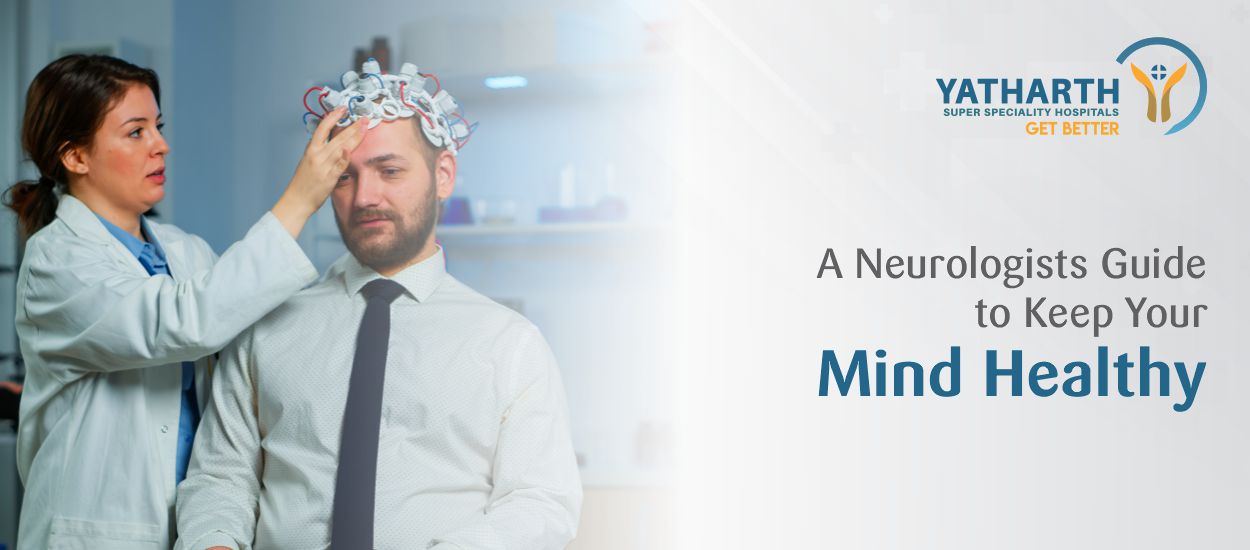
3. Electroencephalography (EEG)
An EEG records the electrical activity of the brain using electrodes placed on the scalp.
It can identify patterns of electrical activity that support the diagnosis of epilepsy and may help classify the seizure type.
However, a normal EEG does not rule out epilepsy. Some people with epilepsy have normal findings during a routine recording, and additional testing may be recommended if clinical suspicion remains high.
4. Magnetic Resonance Imaging (MRI)
An MRI of the brain may help identify structural abnormalities, scars, tumours, or other changes that could be associated with seizures.
The need for MRI depends on the patient's history, seizure type, examination findings, and clinical assessment.
5. Blood Tests
Blood tests may be used to identify conditions that can cause or contribute to seizures, such as low blood glucose, electrolyte disturbances, or certain infections.
The tests selected depend on the circumstances of the event.
6. Additional Monitoring
Some people may need prolonged EEG monitoring, video-EEG, or other investigations to clarify the diagnosis.
This can be particularly useful when the episodes are unusual, difficult to classify, or potentially caused by conditions other than epilepsy.
Accurate diagnosis is essential because treatment depends on the type of seizure and its underlying cause. Not every episode of loss of consciousness or abnormal movement is an epileptic seizure.
What Are the Treatment Options for Epilepsy?
Epilepsy treatment aims to control seizures, reduce the risk of injury, minimise medication side effects, and improve quality of life.
The appropriate treatment depends on seizure type, epilepsy syndrome, age, medical history, pregnancy considerations, other medicines, and individual treatment goals.
1. Antiseizure Medication
Antiseizure medicines are the main treatment for many people with epilepsy.
These medicines help reduce abnormal electrical activity in the brain and lower the likelihood of further seizures.
The choice of medicine depends on the seizure type and the patient's circumstances. Some medicines are effective for certain seizure types but may worsen others, making accurate diagnosis especially important.
Patients should:
-
Take medication at the prescribed time and dose.
-
Avoid stopping treatment suddenly without medical guidance.
-
Discuss side effects with their doctor.
-
Inform their doctor about other medicines and supplements.
-
Attend follow-up appointments as recommended.
Many people achieve good seizure control with medication. However, treatment response varies, and finding the most suitable medicine may require adjustments under medical supervision.
2. Treatment of the Underlying Cause
When epilepsy is associated with a treatable underlying condition, managing that condition may form part of the overall treatment plan.
For example, treatment may address a structural brain abnormality or another medical problem when appropriate.
Not every underlying cause can be reversed, but identifying it can help guide care and provide useful information about prognosis.
3. Epilepsy Surgery
Some people continue to experience seizures despite trying appropriate antiseizure medicines.
In selected cases, epilepsy surgery may be considered if investigations identify a specific brain region responsible for seizures and treatment can be performed safely.
A specialist epilepsy centre may conduct detailed assessments to determine whether surgery is appropriate.
The goal may be to eliminate seizures or reduce their frequency and severity. Surgery is not suitable for every patient.
4. Vagus Nerve Stimulation
Vagus nerve stimulation (VNS) involves an implanted device that delivers electrical impulses to the vagus nerve.
It may be considered as an additional treatment for selected people whose seizures are not adequately controlled with medication and who are not suitable candidates for certain surgical procedures.
VNS does not guarantee complete seizure control, and its suitability depends on specialist assessment.
5. Dietary Therapy
A ketogenic diet and certain related dietary therapies may be recommended for selected people with difficult-to-control epilepsy, particularly some children.
These diets require careful planning and medical supervision because they can have nutritional and metabolic effects.
They should not be started independently as a replacement for prescribed medication.
6. Regular Neurological Follow-Up
Follow-up appointments help assess seizure frequency, medication effectiveness, side effects, and changes in health.
The doctor may adjust treatment according to the patient's response and changing needs.
People with epilepsy should discuss driving, pregnancy planning, work-related risks, and other safety concerns with their healthcare team.
What Should You Do During an Epileptic Seizure? First Aid Guide
Knowing seizure first aid can help prevent injuries and may save a person's life.
A seizure can be frightening to witness, but remaining calm and taking the right steps is important.
Step 1: Stay Calm and Note the Time
Stay with the person and note when the seizure begins. Timing the seizure helps determine whether emergency medical assistance is needed.
Step 2: Protect the Person From Injury
If the person is falling, help them reach the ground safely if possible. Move nearby furniture, sharp objects, or other hazards away.
Place something soft and flat under their head if they are lying down and it is safe to do so.
Step 3: Do Not Restrain Their Movements
Do not try to hold the person's arms or legs down. Allow the seizure to run its course while preventing avoidable injury.
Step 4: Never Put Anything in Their Mouth
Do not place fingers, spoons, cloth, water, food, or medicines in the person's mouth.
A person cannot swallow their tongue during a seizure. Putting objects into the mouth can cause serious injury or obstruct breathing.
Step 5: Turn the Person on Their Side When Possible
When the jerking movements allow it, gently turn the person onto their side to help keep the airway clear.
Do not forcefully move their body during intense movements if doing so would cause injury.
Step 6: Check Their Breathing and Recovery
After the seizure, check whether the person is breathing normally and remains responsive.
If they are breathing but remain drowsy, keep them on their side and stay with them until they recover sufficiently.
If they are not breathing normally after the seizure ends, call emergency services and begin CPR if you are trained, following the emergency dispatcher's instructions.
Step 7: Offer Reassurance
The person may feel confused, tired, embarrassed, or frightened after a seizure.
Speak calmly, explain what happened, and allow them time to recover. Do not offer food, drink, or oral medication until they are fully alert and able to swallow safely.
When Should You Call an Ambulance?
Seek emergency medical help if:
-
The seizure lasts 5 minutes or longer.
-
Another seizure begins before the person has recovered from the first.
-
The person has difficulty breathing or does not regain consciousness as expected.
-
The seizure occurs in water.
-
The person is seriously injured.
-
It is the person's first known seizure.
-
The person is pregnant or has another significant medical concern.
-
The person has diabetes and loses consciousness.
-
You are unsure whether the person is recovering safely.
A prolonged seizure or repeated seizures without recovery may indicate status epilepticus, a medical emergency requiring urgent treatment.
Even when a seizure stops on its own, a first seizure should be medically evaluated to determine its cause and assess the risk of recurrence.
What Is Status Epilepticus?
Status epilepticus is a medical emergency involving prolonged seizure activity or repeated seizures without adequate recovery between them.
A convulsive seizure lasting five minutes or longer is generally treated as an emergency because the likelihood of spontaneous termination becomes lower and the risk of complications increases.
Possible complications include breathing difficulties, injury, metabolic disturbances, and damage associated with prolonged seizure activity.
Treatment may involve emergency medication, airway and breathing support, monitoring, and investigations to identify the cause.
If someone has a prolonged seizure, do not wait for it to stop on its own. Call emergency services immediately and follow seizure first-aid instructions.
People with a history of prolonged seizures may have an individual emergency plan prescribed by their specialist. Caregivers should be trained to follow that plan when appropriate.
Can Epilepsy Be Cured?
Whether epilepsy can be cured depends on the underlying cause, seizure type, epilepsy syndrome, and response to treatment.
Many people achieve long periods without seizures through appropriate medication. Some may eventually be able to discontinue medication under specialist supervision, while others require long-term treatment.
Certain individuals with medication-resistant epilepsy may benefit from surgery or other specialised treatments.
It is important to distinguish between seizure control and cure. Being seizure-free for a period does not automatically mean that medication can be stopped safely.
The decision to reduce or discontinue antiseizure medication should be made with a neurologist after considering factors such as seizure history, EEG findings, underlying cause, and the risk of recurrence.
Never stop antiseizure medication suddenly without medical advice, as doing so can increase the risk of recurrent or prolonged seizures.
Living With Epilepsy: Everyday Safety Tips
A diagnosis of epilepsy does not mean that a person must give up independence, education, employment, or social activities.
With appropriate treatment and individualised safety planning, many people with epilepsy can lead active and fulfilling lives.
1. Take Medicines Consistently
Follow the prescribed medication schedule. If you miss a dose, ask your doctor or pharmacist what to do rather than taking extra doses without guidance.
2. Maintain a Regular Sleep Schedule
Sleep deprivation may trigger seizures in some people. Aim for consistent sleep and seek medical advice for persistent sleep difficulties.
3. Avoid Known Triggers
If certain factors repeatedly precede seizures, discuss them with your neurologist. A seizure diary can help identify patterns and guide practical changes.
4. Take Precautions Around Water
People with uncontrolled seizures should take extra precautions when bathing, swimming, or participating in water activities.
Showers may be safer than baths for some individuals. Swimming should be supervised by someone who understands the seizure risk, and the level of supervision should be based on individual medical advice.
5. Follow Driving Regulations
Seizures can affect consciousness and the ability to control a vehicle. People with epilepsy should follow applicable driving regulations and obtain medical advice before driving.
6. Make the Home Environment Safer
Depending on seizure control, precautions may include avoiding open flames, using safer cooking arrangements, and taking care around heights or machinery.
Safety measures should be practical and tailored to the individual's circumstances rather than unnecessarily restricting everyday life.
7. Inform Trusted People When Appropriate
Family members, close friends, and relevant colleagues may benefit from knowing how to recognise a seizure and provide first aid.
An individual seizure action plan can be especially useful for people who experience recurrent seizures.
Epilepsy in Children: Symptoms and Special Considerations
Epilepsy can develop during childhood, and its symptoms may sometimes be mistaken for distraction, daydreaming, behavioural difficulties, or other developmental concerns.
Possible symptoms in children include:
-
Repeated episodes of staring or unresponsiveness.
-
Sudden jerking movements.
-
Brief falls or loss of muscle tone.
-
Unusual repetitive movements.
-
Sudden confusion or changes in awareness.
-
Unexplained episodes of waking with injuries or unusual fatigue.
Children with suspected seizures should receive appropriate medical evaluation. The assessment may involve a paediatrician, paediatric neurologist, EEG, and other investigations depending on the symptoms.
Treatment should be tailored to the child's seizure type, age, developmental needs, and medical history.
Parents and caregivers should understand the child's seizure action plan and ensure that teachers or other responsible adults know how to respond appropriately.
Schools can support children with epilepsy by providing a safe, inclusive environment and avoiding unnecessary restrictions on participation.
Epilepsy During Pregnancy: What Should Women Know?
Women with epilepsy can have healthy pregnancies, but planning and medical supervision are important.
Some antiseizure medicines can affect fetal development, and uncontrolled seizures may also pose risks to the mother and baby.
Women who are planning pregnancy should discuss their treatment with their neurologist and obstetrician before conception whenever possible.
Important considerations include:
-
Reviewing the current antiseizure medication regimen.
-
Choosing the safest effective treatment for the individual's seizure type.
-
Discussing folic acid supplementation before and during pregnancy.
-
Monitoring seizure control during pregnancy.
-
Avoiding abrupt medication changes.
-
Planning follow-up during pregnancy and after delivery.
The risks vary according to the medication, dose, seizure type, and individual circumstances. Some medicines carry substantially different pregnancy risks from others.
Women should not stop antiseizure medication on their own after discovering they are pregnant. Sudden withdrawal may trigger seizures and create serious risks. Treatment changes should be guided by the specialist team.
Epilepsy and Mental Health: Addressing Emotional Well-Being
Living with epilepsy can affect emotional well-being as well as physical health.
Some people experience anxiety about having a seizure in public, concerns about employment or education, or fear of being judged by others.
Depression and anxiety can also occur alongside epilepsy and may affect quality of life.
Emotional symptoms should not be dismissed as an unavoidable part of the condition. They deserve appropriate assessment and treatment.
Helpful approaches may include:
-
Discussing emotional concerns with a healthcare professional.
-
Seeking psychological counselling when needed.
-
Connecting with supportive family members or peer groups.
-
Learning about seizure management and first aid.
-
Maintaining social connections and meaningful activities.
-
Seeking prompt help for persistent low mood or severe anxiety.
If someone experiences thoughts of self-harm or suicide, immediate professional support is essential.
A comprehensive approach to epilepsy care should consider neurological health, emotional well-being, safety, and social participation.
Common Myths and Facts About Epilepsy
Myth 1: Epilepsy Is a Mental Illness
Fact: Epilepsy is a neurological disorder involving abnormal electrical activity in the brain. Some people may experience coexisting mental health conditions, but epilepsy itself is not a mental illness.
Myth 2: Epilepsy Is Contagious
Fact: Epilepsy cannot be spread from one person to another through touching, sharing food, or being near someone during a seizure.
Myth 3: Every Seizure Means a Person Has Epilepsy
Fact: Seizures can occur for several reasons, including acute metabolic disturbances, infections, or other medical conditions. A proper medical evaluation is needed to determine whether epilepsy is present.
Myth 4: You Should Put a Spoon or Cloth in the Mouth During a Seizure
Fact: Nothing should be placed in the person's mouth during a seizure. This can cause injuries, obstruct breathing, and create additional danger.
Myth 5: A Person Having a Seizure Should Be Held Down
Fact: Restraining seizure movements can cause injuries. Instead, clear nearby hazards, protect the head, time the seizure, and stay with the person.
Myth 6: Epilepsy Cannot Be Treated
Fact: Many people achieve good seizure control with appropriate medication. Some individuals may benefit from specialised treatments when medication alone is insufficient.
Myth 7: People With Epilepsy Cannot Study or Work
Fact: Many people with epilepsy study, work, build careers, and participate in society. Individual safety considerations and applicable regulations should guide decisions about specific activities.
Myth 8: Antiseizure Medication Can Be Stopped Once Seizures Stop
Fact: Being seizure-free does not automatically mean that treatment can be discontinued. Any reduction or withdrawal should be planned with a neurologist.
When Should You Consult a Neurologist?
You should seek medical assessment if you or someone in your family experiences a suspected seizure, unexplained episodes of loss of awareness, repeated staring spells, or unusual movements that occur without a clear explanation.
A neurologist may be particularly helpful when:
-
Seizures recur or the diagnosis is uncertain.
-
Symptoms change despite treatment.
-
Medication causes significant side effects.
-
Seizures continue despite appropriate medication.
-
Pregnancy is being planned.
-
There are concerns about memory, mood, or daily functioning.
-
A child has possible seizure symptoms.
-
Specialist assessment for surgery or other advanced treatment is being considered.
A first seizure requires prompt medical evaluation. Emergency care is necessary for prolonged seizures, repeated seizures without recovery, breathing difficulties, serious injury, or other emergency warning signs.
Early assessment can help identify the cause, classify the seizure, and determine the most appropriate treatment.
How Yatharth Hospitals Supports Neurological Health
Yatharth Hospitals recognises the importance of awareness, early diagnosis, and appropriate treatment for neurological conditions such as epilepsy.
The evaluation of suspected epilepsy may involve a detailed medical history, neurological examination, EEG, brain imaging, blood tests, and other investigations as indicated by the patient's symptoms and clinical condition.
Treatment planning may include antiseizure medication, regular follow-up, counselling on seizure safety, and referral for specialised evaluation when seizures are not adequately controlled.
People living with epilepsy may also need guidance on medication adherence, pregnancy planning, driving, work-related safety, and emotional well-being. The appropriate care plan depends on the individual's seizure type, medical history, treatment response, and personal circumstances.
Through National Epilepsy Day 2026, Yatharth Hospitals encourages individuals and families to recognise possible seizure symptoms, seek timely neurological assessment, learn appropriate first aid, and avoid harmful myths surrounding epilepsy.
The goal is to promote informed decisions, safer communities, and compassionate care for people living with epilepsy.
Conclusion: Raise Awareness and Break the Stigma This National Epilepsy Day 2026
National Epilepsy Day 2026, observed on 17 November, provides an opportunity to improve public understanding of epilepsy and encourage timely medical care.
Epilepsy can affect people at any stage of life, and seizures may present in different ways. Recognising the symptoms, understanding seizure first aid, obtaining an accurate diagnosis, and following an appropriate treatment plan are important steps towards better outcomes.
Although epilepsy can create challenges, many people achieve good seizure control and lead productive, fulfilling lives. Support from healthcare professionals, families, schools, workplaces, and communities can make a meaningful difference.
This National Epilepsy Day, Yatharth Hospitals encourages everyone to replace fear with knowledge, misconceptions with facts, and discrimination with understanding.
Recognise the signs. Respond safely. Seek timely treatment. Break the stigma surrounding epilepsy.