

Key Takeaways
|
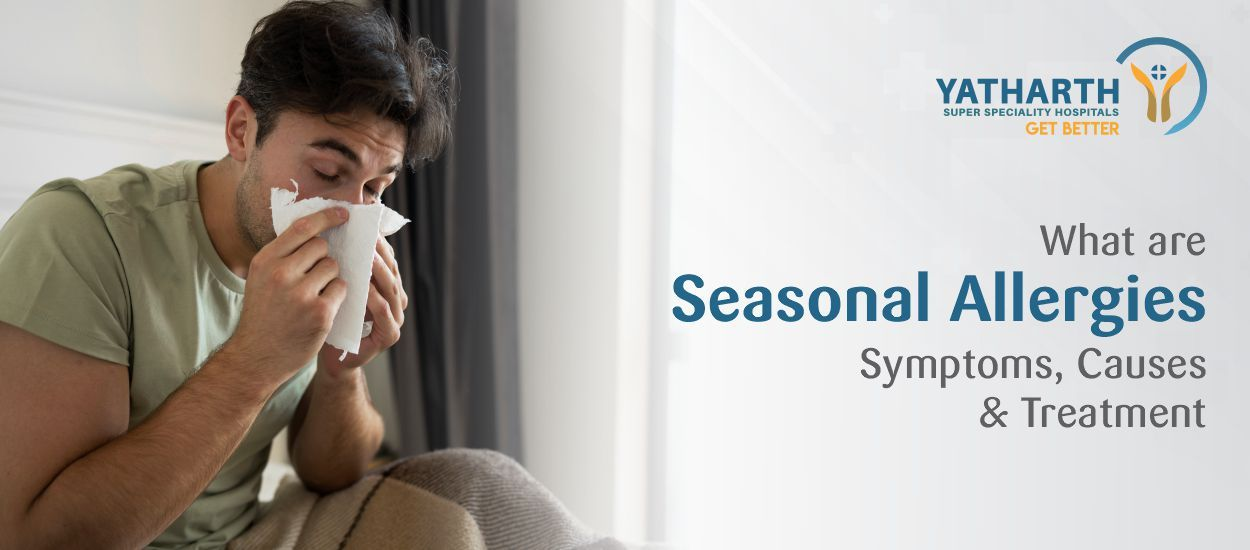
Symptoms such as a blocked nose, itchy or watery eyes, and frequent sneezing may seem like signs of a common cold, but they could indicate seasonal allergies. If left unmanaged, seasonal allergies can interfere with sleep, productivity, and overall quality of life. The good news is that seasonal allergies can often be managed effectively with the right home care. More on the subject: in this article, we’ll cover all you need to know about seasonal allergies, including their symptoms, causes, and home care tips. But first, some basics.
What are Seasonal Allergies?
Seasonal allergies, also known as seasonal allergic rhinitis or hay fever, occur when the immune system overreacts to airborne allergens that are present during certain seasons. These allergens commonly include pollen from trees, grasses, and weeds, as well as mould spores that may increase in number during humid weather.
When a person with seasonal allergies inhales these allergens, the immune system mistakenly identifies them as harmful and releases chemicals such as histamine. This response leads to symptoms affecting the nose, eyes, throat, and sometimes the airways.
Seasonal allergies differ from perennial (year-round) allergies, which are triggered by allergens that remain present throughout the year, such as house dust mites, pet dander, or indoor mould.
Symptoms of Seasonal Allergies
The symptoms of seasonal allergies usually appear when pollen or other seasonal allergens are present in the environment. They may develop suddenly after spending time outdoors and can range from mild irritation to symptoms that significantly affect daily activities. While seasonal allergies do not cause an infection, the body's immune response to allergens can lead to inflammation of the nose, eyes, and throat.
Common symptoms of seasonal allergies include:
- Frequent sneezing: Often one of the earliest symptoms, sneezing may occur repeatedly, especially after exposure to pollen or other outdoor allergens.
- Runny or blocked nose: Inflammation of the nasal passages can cause a clear, watery nasal discharge or nasal congestion, making it difficult to breathe comfortably through the nose.
- Itchy, red, or watery eyes: Exposure to pollen can irritate the eyes, leading to persistent itching, redness, watering, or a burning sensation.
- Itching of the nose, throat, ears, or roof of the mouth: Many people experience irritation in these areas due to the body's allergic response.
- Postnasal drip: Excess mucus may drain down the back of the throat, causing discomfort and frequent throat clearing.
- Mild cough: A lingering cough can develop as a result of postnasal drip irritating the throat.
- Fatigue: Ongoing allergy symptoms, disturbed sleep due to nasal congestion, or the body's continuous immune response can leave individuals feeling tired or less energetic during the day.
In some individuals, seasonal allergies may also worsen asthma symptoms or make existing respiratory conditions more difficult to manage.
Causes of Seasonal Allergies
Seasonal allergies occur when the immune system mistakenly identifies harmless airborne substances as a threat. In response, it releases chemicals such as histamine, which trigger inflammation and produce the characteristic symptoms of an allergic reaction. The specific allergens responsible often vary depending on the season and geographical location.
Common causes and triggers of seasonal allergies include:
- Tree pollen: Many trees release pollen during spring, making it one of the most common triggers of seasonal allergies early in the year.
- Grass pollen: Grass pollen levels typically rise during late spring and summer and are a major cause of hay fever in many regions.
- Weed pollen: Weeds, including ragweed, release pollen during late summer and autumn, leading to seasonal allergy symptoms in susceptible individuals.
- Mould spores: Damp and humid weather encourages mould growth, releasing airborne spores that can trigger allergic reactions in susceptible individuals.
- Genetic predisposition (atopy): Individuals with a family history of allergies, asthma, or eczema are more likely to develop seasonal allergies because of an inherited tendency towards allergic conditions.
The severity of seasonal allergies can vary from year to year depending on pollen counts, weather conditions, air pollution, and the amount of time spent outdoors. Understanding these triggers can help individuals take preventive measures and better manage their symptoms during allergy season.
Home Care & Management Tips
Seasonal allergies cannot always be prevented, but taking simple precautions can help reduce exposure to allergens and minimise symptoms. These measures are particularly helpful during periods of high pollen levels and can complement treatment recommended by a doctor.
Monitor Pollen Counts and Limit Outdoor Exposure
Pollen levels often vary throughout the day and may be higher during dry, windy weather. Checking local pollen forecasts and limiting outdoor activities on high-pollen days can help reduce allergen exposure. If possible, schedule outdoor activities after rainfall, when pollen levels are generally lower.
Keep Windows Closed During Peak Pollen Hours
Keeping doors and windows closed at home and in the car can help prevent pollen from entering indoor spaces. Using air conditioning with clean filters, where available, may also improve indoor air quality during allergy season.
Rinse the Nasal Passages With Saline
Using a saline nasal spray or nasal irrigation can help flush out pollen and other allergens from the nasal passages. This may relieve nasal congestion, reduce irritation, and improve breathing without the use of medication.
Shower and Change Clothes After Spending Time Outdoors
Pollen can collect on clothing, hair, and skin during outdoor activities. Showering, washing the hair, and changing into clean clothes after returning indoors can help reduce continued exposure to allergens inside the home.
Use an Air Purifier Indoors
Air purifiers equipped with HEPA filters can help reduce airborne allergens indoors, particularly in bedrooms and other frequently used living spaces. Regularly cleaning air filters and maintaining a dust-free environment may also help improve indoor air quality.
Consider Over-the-Counter Allergy Medications
For mild seasonal allergies, over-the-counter antihistamines may help relieve symptoms such as sneezing, itching, and a runny nose. These medications may provide temporary relief when used according to the manufacturer's instructions. However, if symptoms persist, worsen, or recur frequently, consult a doctor rather than relying on self-medication.
When to Consult a Doctor
While seasonal allergies can often be managed with home care measures and over-the-counter medications, a doctor's consultation becomes important if symptoms persist, worsen, or interfere with daily life. A doctor can help confirm the diagnosis, identify specific allergy triggers, and recommend an appropriate treatment plan to provide long-term symptom relief. It is advisable to consult a doctor if:
- Symptoms persist beyond the typical allergy season or keep recurring without improvement.
- Over-the-counter antihistamines or home care measures do not provide adequate relief.
- You develop wheezing, shortness of breath, or frequent sinus infections, as these may indicate an underlying respiratory condition such as asthma or a complication requiring medical attention.
- Symptoms interfere with your sleep, work, school, or other daily activities, affecting your overall quality of life.
- You are unsure whether your symptoms are caused by seasonal allergies or another condition, such as the common cold, a sinus infection, or another respiratory illness.
During your consultation, a doctor at Yatharth Super Speciality Hospitals will evaluate your symptoms and medical history and, when appropriate, may recommend allergy testing to identify the specific allergens responsible for your symptoms. Based on the findings, your treatment plan may include prescription medications, nasal sprays, or allergen immunotherapies tailored to your individual needs.
Get Expert Care for Seasonal Allergies
Seasonal allergies can affect daily comfort and overall quality of life if not managed in time. If you or a loved one is experiencing symptoms of seasonal allergies or has risk factors for allergic conditions, seeking timely medical evaluation can help identify the underlying triggers, confirm the diagnosis, and ensure appropriate treatment for effective symptom relief.
At Yatharth Super Speciality Hospitals, our experienced ENT specialists, pulmonologists, and internal medicine specialists provide comprehensive evaluation and personalised treatment for seasonal allergies and other allergic conditions. Using a patient-centred approach, our team focuses on identifying allergy triggers and developing tailored management plans to help relieve symptoms and improve quality of life.
To schedule a consultation, call the contact number for your nearest Yatharth Super Speciality Hospitals location or book an appointment online. You can also chat with our team online for assistance.