

Heart health deserves attention long before symptoms appear. High blood pressure, raised cholesterol and other cardiovascular risk factors can develop without obvious warning signs. Understanding your risks and seeking timely advice are important steps towards protecting your heart.
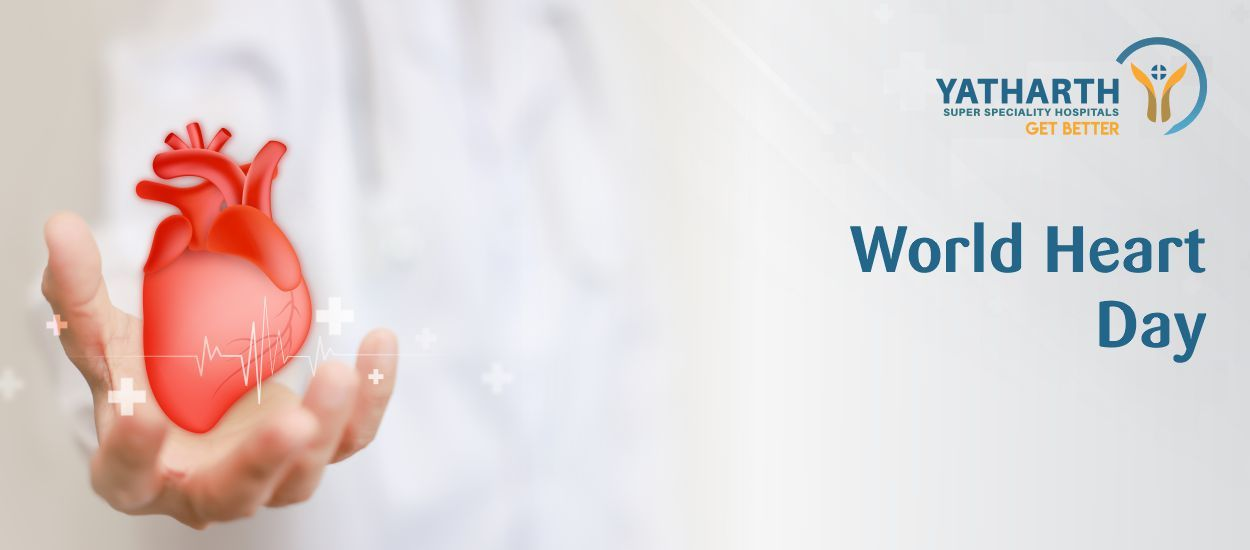
World Heart Day 2026, observed on 29 September, encourages individuals, families and communities to make cardiovascular health a priority. At Yatharth Hospitals, we encourage people to use this occasion to understand their heart health, review their risk factors and build healthier everyday habits.
What Is World Heart Day?
World Heart Day is a global heart health awareness day that brings attention to cardiovascular disease, including conditions affecting the heart and blood vessels.
It encourages people to understand risk factors, recognise concerning symptoms and access appropriate care. It also calls on communities and decision-makers to make prevention and treatment more accessible.
World Heart Day History
The World Heart Federation established World Heart Day in partnership with the World Health Organization in 2000. It was created to raise awareness and mobilise international action against cardiovascular disease.
Today, it is observed on 29 September each year, bringing together healthcare professionals, organisations and the public through educational campaigns and community activities.
What Is the World Heart Day 2026 Theme?
The theme for World Heart Day 2026 is "Don't Miss a Beat" (continuing under the broader multi-year overarching campaign theme of "Use Heart for Action" from 2024 to 2026).
The campaign encourages three areas of action:
- Recognise the signs: Understand possible symptoms and avoid delaying medical assessment.
- Protect your heart: Take steps to address risk factors and improve daily habits.
- Support better access to care: Encourage stronger heart-health services and policies.
For patients, this means paying attention to changes in how they feel while remembering that some important risk factors cause no symptoms.
Why Is World Heart Day Important?
Cardiovascular diseases remain the leading cause of death globally. Many cases can be prevented or delayed by addressing risk factors and providing appropriate treatment.
World Heart Day awareness helps people understand that prevention involves more than responding to chest pain. It includes identifying high blood pressure, managing diabetes, avoiding tobacco, and seeking advice about overall cardiovascular risk.
Earlier detection allows lifestyle guidance and medicines to begin when needed.
Who Should Pay Attention to Heart Disease Risk?
Everyone can benefit from heart health awareness. A risk review is particularly useful for people with:
- High blood pressure.
- Diabetes.
- Raised cholesterol.
- Tobacco use or exposure to second-hand smoke.
- Excess body weight.
- Low physical activity.
- A family history of early heart disease.
- Previously diagnosed cardiovascular disease.
Age and family history cannot be changed, but several other risks can be managed. Your doctor can assess these factors together rather than relying on a single test result.
Heart Attack Symptoms You Should Not Ignore
Heart attack symptoms are not always sudden or severe. They may begin with mild discomfort or come and go.
Warning signs can include:
- Pressure, squeezing, fullness, or pain in the chest.
- Discomfort spreading to one or both arms, the back, neck, or jaw.
- Shortness of breath, with or without chest discomfort.
- Cold sweating.
- Nausea or vomiting.
- Light-headedness or sudden weakness.
Chest discomfort is the most common heart attack symptom in both men and women. Women may also experience breathlessness, nausea, back or shoulder discomfort, or unusual tiredness.
If you suspect a heart attack, call local emergency services immediately. Do not wait for a routine appointment or drive yourself to hospital. Do not assume new chest discomfort is acidity, particularly when accompanied by sweating, breathlessness or weakness.
Practical Heart Health Tips
Know Your Blood Pressure, Cholesterol and Blood Sugar
Ask your doctor which checks are appropriate for your age, medical history and family history. Feeling well does not necessarily mean that these measurements are within a healthy range.
Keep a record of your results and discuss when they should be reviewed.
Avoid Tobacco
Avoid smoking and smokeless tobacco, and reduce exposure to second-hand smoke. If quitting is difficult, ask a healthcare professional about support.
Follow Your Prescribed Treatment
Healthy habits and prescribed medicines often work together. Do not stop blood pressure, cholesterol or other heart medicines because you feel better. Discuss side effects or concerns with your treating doctor.
Build Balanced Meals
Include vegetables, fruit, whole grains, pulses and suitable protein sources in your diet. Reduce excess salt and limit foods high in trans fats, saturated fats and added sugar.
Practical changes include choosing fruit more often than sugary drinks, moderating salty packaged snacks and using less salt in cooking.
Move Regularly
For most adults, WHO recommends 150–300 minutes of moderate-intensity aerobic activity each week, or an equivalent amount of vigorous activity. Muscle-strengthening activities are recommended on at least two days weekly.
Brisk walking, cycling and swimming are options. Start gradually if you have been inactive. If you have heart disease or symptoms during activity, seek advice about a suitable exercise plan.
Make Changes You Can Maintain
Choose a few realistic actions, such as a regular walking routine, planned meals or support to stop tobacco use. Consistency is more useful than short periods of extreme dieting or exercise.
Discuss your priorities with your healthcare team, especially if you are managing several medical conditions.
Do You Need a Heart Health Check-Up?
World Heart Day can be a useful reminder to discuss cardiovascular risk with your doctor.
An assessment may begin with your symptoms, medical and family history, blood pressure and relevant blood tests. Additional investigations should depend on clinical findings.
Not everyone needs an ECG, echocardiogram, stress test or coronary scan as part of routine screening. Ask your doctor what each recommended test is intended to assess. Symptoms that suggest an emergency need immediate care rather than a scheduled check-up.
Heart Care at Yatharth Hospitals
Yatharth Hospitals’ Centre for Cardiac Sciences provides diagnostic and treatment services for cardiovascular conditions, including interventional and non-interventional cardiology care.
Patients can seek assessment for symptoms, discuss existing heart conditions and receive guidance on further management. Treatment recommendations depend on the diagnosis and individual clinical needs. Confirm specialist and service availability at your preferred hospital when booking.
For a routine consultation, book through the Yatharth Hospitals website or call 8800550057. For suspected heart attack symptoms, seek emergency care immediately.
This World Heart Day, Give Your Heart the Attention It Deserves
Make time to understand your risk factors and discuss any concerns with a healthcare professional. Book a heart-health consultation at Yatharth Hospitals and take a practical step towards protecting your cardiovascular health.