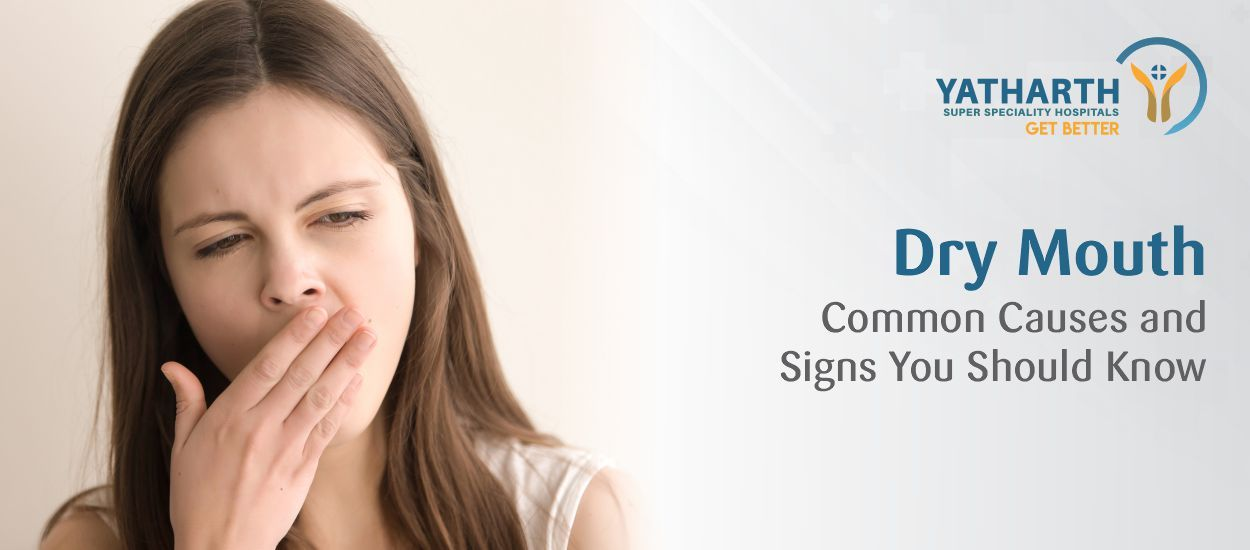


A sticky mouth, a dry tongue or the need to sip water while speaking can be uncomfortable. When these symptoms keep returning, they may interfere with eating, sleeping and everyday conversations.
Dry mouth, medically called xerostomia, is the feeling that your mouth is unusually dry. It often occurs when there is too little saliva, although some people experience dryness without a measurable reduction in saliva production. Identifying the cause is the first step towards effective relief.
This guide explains common dry mouth causes, symptoms, treatment options and warning signs that deserve medical attention.
Why Is Saliva Important?
Saliva does more than keep your mouth wet. It helps you chew, swallow and speak, washes away food particles, and supplies minerals that help protect teeth.
When saliva is insufficient, eating can become uncomfortable and the risk of tooth decay and oral fungal infections increases. Persistent dryness therefore deserves attention even when it seems manageable with frequent sips of water.
Common Dry Mouth Symptoms
Symptoms of dry mouth may include:
- A sticky or uncomfortable feeling inside the mouth.
- Thick or stringy saliva.
- A dry, rough tongue.
- Cracked lips.
- A dry throat or hoarse voice.
- Difficulty chewing, swallowing or speaking.
- Changes in taste.
- Bad breath.
- Discomfort when wearing dentures.
Symptoms may be occasional, limited to nighttime, or present throughout the day. Persistent symptoms should be assessed rather than assumed to be a normal part of ageing.
Dry Mouth Causes: Why Does It Happen?
Dehydration
Dry mouth and dehydration commonly occur together. Dehydration develops when the body loses more fluid than it takes in, such as during vomiting, diarrhoea, fever or heavy sweating.
Other clues include thirst, dark urine, urinating less frequently and dizziness. However, dryness alone does not prove dehydration, and drinking more water may not fully help when another cause is involved.
Medicines
Many prescription and over-the-counter medicines can contribute to dry mouth.
|
Medicine category |
Examples of what they treat |
|
Antihistamines and decongestants |
Allergies and cold symptoms |
|
Antidepressants |
Depression and some anxiety conditions |
|
Certain blood pressure medicines and diuretics |
High blood pressure or fluid retention |
|
Bladder-control medicines |
Overactive bladder |
|
Certain pain medicines and muscle relaxants |
Pain or muscle spasms |
Not every medicine in these groups causes dryness. If symptoms begin after a new prescription or dose change, ask the prescribing clinician to review it. Do not stop or change prescribed medication yourself.
Mouth Breathing
Sleeping with your mouth open or breathing through your mouth because of a blocked nose can cause dryness. This may explain why your mouth feels particularly dry when you wake up.
Stress and Anxiety
Dry mouth due to stress may occur before a presentation, examination or other anxiety-provoking situation. Persistent dryness, however, should not automatically be attributed to stress. Other contributing factors may need assessment.
Sjögren’s Disease
Sjögren’s disease is an autoimmune condition that can affect glands producing saliva and tears.
Dry mouth together with ongoing dry eyes, fatigue or joint symptoms may prompt a doctor to investigate this possibility. These symptoms have several potential explanations and do not confirm the condition on their own.
Cancer Treatment or Nerve Damage
Radiotherapy involving the head and neck can damage salivary glands. Some cancer medicines can alter saliva, making it thicker or causing the mouth to feel dry.
Head or neck injuries that affect the nerves controlling salivary glands can also contribute. People receiving cancer treatment should report oral symptoms to their treatment team so that supportive care can begin.
Dry Mouth in Diabetes
People with diabetes may produce less saliva and experience dry mouth. High blood sugar can also increase glucose in saliva, contributing to oral health problems.
Diabetes may increase susceptibility to gum disease and oral thrush, making dental care an important part of diabetes management. If you already have diabetes, report persistent dryness and continue the glucose monitoring plan recommended by your clinician.
Dry mouth alone cannot diagnose diabetes. If it occurs with excessive thirst or frequent urination, seek medical assessment rather than relying on symptoms to estimate blood sugar.
Why Does Dry Mouth Get Worse at Night?
Saliva production naturally reaches its lowest levels during sleep. Mouth breathing can make this more noticeable, especially when you already have reduced saliva.
For nighttime comfort, consider keeping water nearby and discussing a moisturising oral gel with a pharmacist. A humidifier may help when the room air is dry.
If you regularly wake with a dry throat and mouth, mention nasal blockage, snoring, and your medication schedule during your appointment. These details can help identify contributing factors.
Dry Mouth and Bad Breath
Saliva helps clear food debris and keep the mouth clean. When the mouth is dry, bad breath may become more noticeable.
Dryness is only one possible explanation. Persistent bad breath can also require assessment for dental or gum problems. Masking odour with sweets or mouthwash does not address the underlying cause.
Chronic dry mouth can also contribute to tooth decay, mouth sores and fungal infections. A dental examination helps identify these problems early.
How Is Dry Mouth Diagnosed?
A doctor or dentist will review your symptoms, medical history, and medicines, including products bought without a prescription. They will examine your mouth and may assess saliva production.
Depending on the findings, further evaluation could include blood tests or salivary gland imaging. A biopsy is sometimes used when a condition such as Sjögren’s disease is suspected.
Not everyone needs these investigations. Testing should follow the symptoms and examination findings.
Before your appointment, note:
- When the dryness started.
- Whether it is constant or mainly at night.
- Any recent medication changes.
- Whether eating, swallowing, or sleep is affected.
- Other symptoms, such as dry eyes or frequent urination.
How to Relieve Dry Mouth at Home
Home remedies for dry mouth can improve comfort while the underlying cause is being addressed.
Sip Water Regularly
Take small sips throughout the day and with meals. If you have a prescribed fluid restriction, follow your clinician’s guidance rather than increasing fluids freely.
Try Sugar-Free Gum
Chewing sugar-free gum can stimulate saliva. Sugar-free lozenges may also help, provided they are safe for you to use. Avoid gum or sweets while sleeping because of choking risk.
Reduce Irritating Products
Limit caffeine if it worsens dryness. Avoid tobacco and alcohol-containing mouthwashes. Sugary sweets and acidic products, including frequent lemon sucking, can increase dental problems rather than provide suitable long-term relief.
Add Moisture to the Air
A humidifier may help with nighttime comfort. Follow its cleaning instructions.
Protect Dry Lips
Use a suitable lip moisturiser to reduce cracking and discomfort. These measures relieve symptoms but may not resolve chronic dry mouth on their own.
Dry Mouth Treatment Options
Treatment aims to improve comfort, address the cause, and protect oral health.
Medication Review
If a medicine contributes to dryness, the prescriber may consider a dose adjustment or alternative treatment when appropriate.
Saliva Substitutes
Moisturising gels, sprays and rinses can provide temporary relief. Ask a pharmacist or dentist to help choose a suitable product.
Prescription Saliva-Stimulating Medicines
Medicines such as pilocarpine or cevimeline may be considered for selected patients, including some with Sjögren’s disease or treatment-related salivary gland problems. They require medical assessment and are not suitable for everyone.
Dental Protection
Brush twice daily with fluoride toothpaste and clean between the teeth daily. Your dentist may recommend additional fluoride protection and a personalised review schedule based on your risk of decay.
Saliva substitutes can ease dryness, but they do not replace every protective function of natural saliva.
Dry Mouth Warning Signs: When to Seek Help
Arrange a medical or dental appointment if dryness persists despite a few weeks of self-care, affects eating or speaking, or occurs with:
- Pain, redness, swelling, or bleeding.
- Sore white patches.
- Persistent taste changes.
- Dry eyes or frequent urination.
These symptoms may require treatment beyond moisturising products.
When Is Urgent Care Needed?
Seek urgent medical advice if dryness accompanies markedly reduced urination, persistent dizziness on standing or unusual drowsiness. These may indicate significant dehydration.
Confusion, difficulty breathing or being difficult to wake requires emergency help.