

Burning, gritty, or tired eyes can make reading, working on a computer, and wearing contact lenses uncomfortable. Sometimes, your eyes may even water excessively while still feeling dry.
Dry eyes develop when your eyes do not produce enough tears or when tears cannot keep the eye surface adequately lubricated. Also called dry eye syndrome or dry eye disease, the condition can be occasional or persistent. Effective treatment starts with identifying what is disrupting your tears.
This guide explains common dry eye symptoms, possible causes, treatment options, and practical ways to protect your eyes.
What Is Dry Eye Syndrome?
Each time you blink, tears spread over the front of your eye. This tear film helps maintain a smooth surface for vision and keeps the eye comfortable.
Dry eye syndrome generally involves one or both of these problems:
|
Type |
What happens |
|
Reduced tear production |
The eyes make too little of the watery component of tears. |
|
Excessive tear evaporation |
Tears dry out too quickly, often because the eyelid oil glands are not working properly. |
These oil glands, called meibomian glands, help slow evaporation. Problems with the glands, eyelids, or blinking can destabilise the tear film even when the eyes produce watery tears.
Common Dry Eyes Symptoms
Symptoms of dry eyes can include:
- Stinging or burning.
- A gritty sensation, as though sand is trapped in the eye.
- Redness or irritation.
- Itching.
- Sensitivity to light.
- Intermittent blurry vision.
- Excessive watering.
Symptoms alone cannot confirm the diagnosis because other eye conditions can cause similar discomfort.
Dry eye disease may also cause stringy mucus, difficulty wearing contact lenses and discomfort with nighttime driving. Excess watering can happen because irritation triggers reflex tears, which may not provide lasting lubrication.
Can dry eyes cause blurry vision?
Yes. An unstable tear film can make vision fluctuate, sometimes improving temporarily after blinking. However, sudden or persistent vision changes should not automatically be attributed to dryness.
Are itchy dry eyes always caused by dryness?
No. Itching can occur with dry eyes, but allergies and eyelid inflammation may also contribute. Tell your eye specialist whether itching comes with seasonal symptoms, eyelid crusting or a recent change in eye products.
Dry Eyes Causes and Risk Factors
Several factors can contribute at the same time. Understanding them helps guide eye dryness treatment.
Ageing and hormonal changes
Tear production tends to decrease with age. Hormonal changes, particularly around menopause, can also increase susceptibility to dry eye disease.
Eyelid oil gland problems
Blocked or poorly functioning meibomian glands can reduce the protective oil component of tears. Blepharitis, which involves inflammation around the eyelid edges, may contribute to this problem.
Environmental conditions
Wind, smoke, and dry air can increase tear evaporation. Air conditioning or heating directed towards your face may worsen symptoms.
Contact lenses and previous eye surgery
Contact lens wear and procedures such as laser vision correction can contribute to dryness. Dryness following refractive surgery is often temporary, although persistent symptoms need assessment.
Medicines and medical conditions
Certain medicines used for allergies, depression or blood pressure can contribute to dry eyes. Conditions such as Sjögren’s disease, lupus, diabetes and thyroid disorders may also affect tear production or eye surface health.
An eye specialist may ask about dry mouth, joint symptoms and other health concerns to decide whether further investigation is appropriate. Do not stop prescribed medication yourself; discuss possible alternatives with the prescribing clinician.
Dry Eyes Due to Screen Time
When concentrating on a screen or other close work, people often blink less frequently. This allows tears to evaporate and can worsen existing dryness.
Frequent breaks and deliberate, complete blinks can help interrupt long periods of concentrated viewing. Consider placing a reminder near your screen if you routinely work for long stretches without looking away.
For a more comfortable workstation:
- Position the screen slightly below eye level.
- Keep fans and air-conditioning vents from blowing directly at your face.
- Consider a humidifier when indoor air is particularly dry.
These changes may reduce triggers but cannot address every cause of chronic dry eyes.
Why Do Dry Eyes Feel Worse at Night?
Evening symptoms may reflect the day’s screen use and exposure to dry environments. Dryness on waking can also occur if your eyelids do not close completely during sleep.
Even a small opening can leave part of the eye surface exposed overnight. If morning dryness keeps returning, ask an eye specialist to assess eyelid closure. Do not start taping your eyelids shut without professional guidance.
How Are Dry Eyes Diagnosed?
An eye specialist reviews your symptoms, medicines, contact lens use and medical history, then examines the eye surface and eyelids.
Depending on the findings, testing may include:
|
Assessment |
What it checks |
|
Tear breakup time |
How quickly the tear film becomes unstable after blinking. |
|
Eye surface staining |
Areas of surface irritation or damage highlighted by special dyes. |
|
Schirmer test |
Tear production, measured using a small paper strip. |
You may not need every test. The findings help distinguish reduced tear production from excessive evaporation and other causes of discomfort.
Dry Eyes Treatment Options
The best treatment for dry eyes depends on the cause, severity, and response to previous care.
Artificial tears
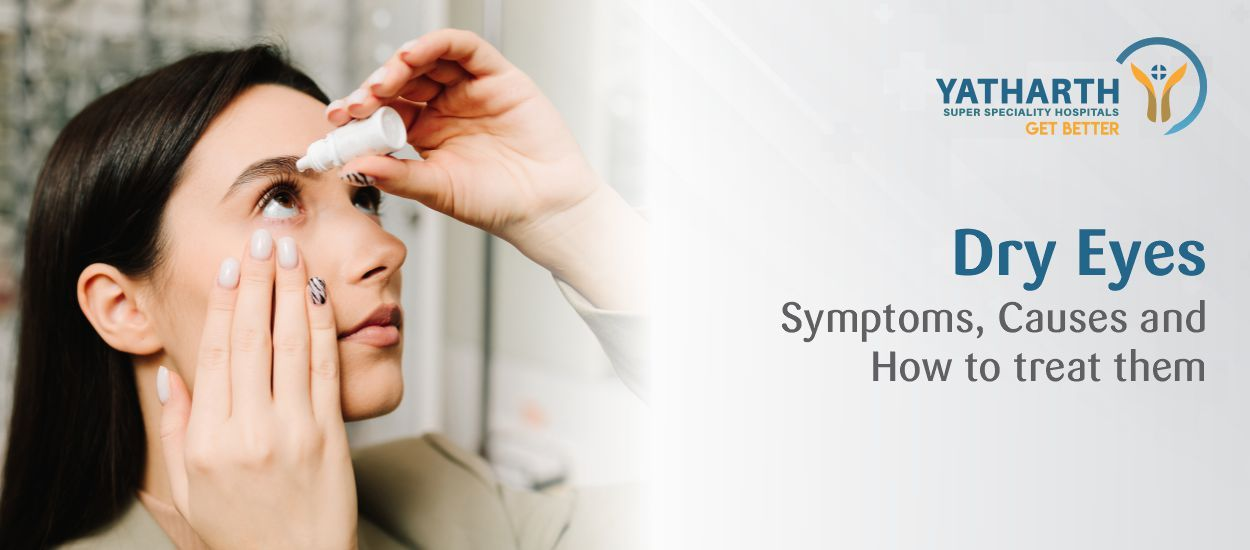
Lubricating eye drops, also called artificial tears, are often the first treatment for mild dry eye symptoms.
Preservative-free formulations may be preferable for people who need drops frequently, particularly more than four times daily, because preservatives can irritate the eye surface with repeated exposure. Ask an eye professional which formulation and schedule suit you.
Lubricating gels and ointments
Thicker lubricants can provide longer-lasting coverage. Ointments may temporarily blur vision, so they are often used at bedtime.
Prescription treatment
An ophthalmologist may prescribe anti-inflammatory treatment such as cyclosporine when appropriate. Steroid eye drops require medical supervision because of potential adverse effects.
Procedures for selected patients
Options may include punctal plugs to reduce tear drainage, treatment for blocked oil glands, or specialist therapies for severe disease. These are chosen after assessment; no procedure is suitable for everyone.
Treating the underlying problem
Treatment may also involve reviewing a contributing medicine or managing an associated health condition. This is particularly relevant when lubricants provide only brief relief.
Home Remedies for Dry Eyes: What Can Help?
Home care can support treatment, particularly when eyelid oil gland dysfunction contributes to symptoms.
Use a warm compress
Place a clean, comfortably warm—not hot—cloth over closed eyelids. Warmth can help soften the oils in the eyelid glands. Avoid pressing firmly on the eyeballs.
Keep eyelids clean
If you have crusting or blepharitis, ask an eye professional to demonstrate gentle eyelid cleaning and recommend a suitable product. Consistent care may help improve the oil component of tears.
Use eye drops safely
Wash your hands first. Avoid touching the bottle tip to your eye, fingers or other surfaces, and follow storage and disposal instructions.
Do not put homemade rosewater, honey, herbal mixtures or household oils into your eyes. Products placed in the eyes must be sterile; a substance being “natural” does not establish that it is safe for eye use.
Be cautious about supplement claims
Omega-3 supplements are sometimes advertised for dry eyes, but they are not a guaranteed treatment. A major NIH-funded trial found that fish-oil supplementation was no better than placebo for the participants’ dry eye symptoms and signs. Discuss supplements with your clinician before starting them.
When Do Dry Eyes Need Urgent Medical Attention?
Seek urgent assessment for a painful red eye, especially if you wear contact lenses. Remove contact lenses while arranging care.
Seek emergency eye care for sudden vision loss, marked new visual disturbance, severe pain with light sensitivity, or a red eye accompanied by severe headache and nausea. These symptoms may indicate something more serious than dry eye disease.
For persistent mild symptoms that do not improve after a few weeks of self-care, arrange an eye examination.
Is Permanent Relief for Dry Eyes Possible?
Some people improve substantially when a temporary trigger is removed. Others have chronic dry eyes that require ongoing treatment.
There is no single treatment that guarantees permanent relief for dry eyes. A realistic goal is lasting symptom control, protection of the eye surface and comfortable vision through a plan matched to the cause.