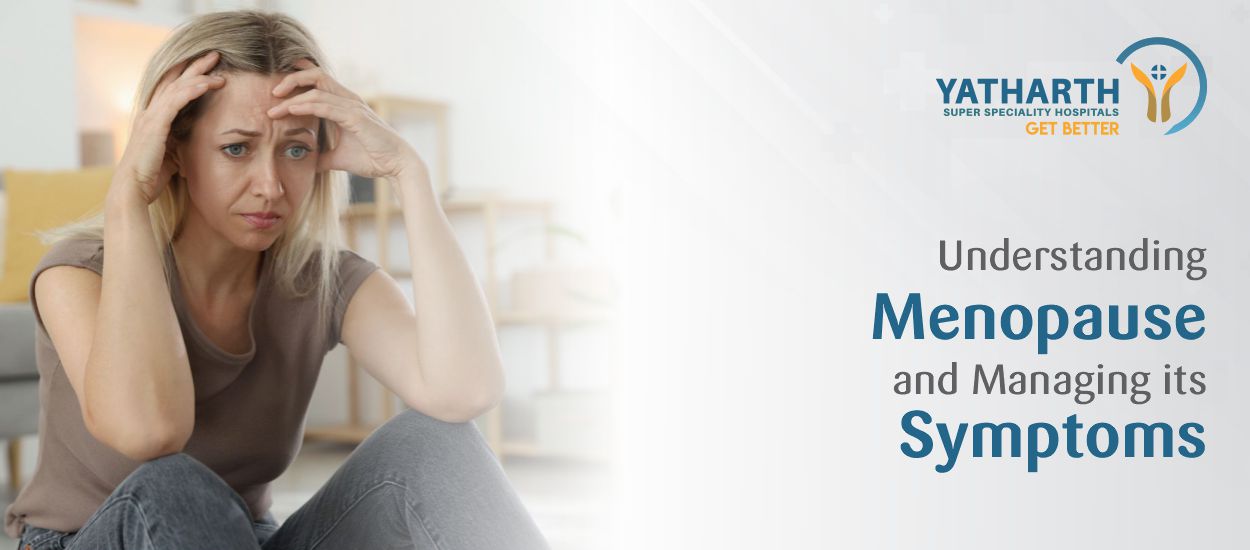


Menopause is a natural biological process that marks the end of a woman’s reproductive years. It is a significant life transition that brings hormonal, physical, and emotional changes. Understanding what is menopause, its stages, common symptoms, and the typical menopause age range can help women prepare and manage this phase with confidence and proper healthcare support.
In this blog, we will explain menopause, perimenopause, postmenopause, menopause symptoms, signs of menopause in women, and early menopause symptoms in detail.
What Is Menopause?
Menopause is defined as the time when a woman stops having menstrual periods permanently. It is officially diagnosed after 12 consecutive months without a menstrual cycle. This happens because the ovaries gradually stop producing reproductive hormones like estrogen and progesterone.
Menopause is not a disease but a natural stage of aging. However, hormonal changes can cause several physical and emotional symptoms that may affect daily life.
Menopause Age Range
The menopause age range varies among women, but it typically occurs between 45 and 55 years of age.
-
Average menopause age: Around 51 years
-
Early menopause: Before 40 years
-
Late menopause: After 55 years
Factors such as genetics, lifestyle, smoking, medical treatments, and underlying health conditions can influence the age at which menopause begins.
Stages of Menopause
Menopause occurs in three main stages:
1. Perimenopause
Perimenopause is the transitional period before menopause when hormone levels start fluctuating. This stage can begin 8–10 years before menopause.
Perimenopause symptoms include:
-
Mood swings
-
Weight gain
-
Hot flashes
-
Night sweats
-
Sleep disturbances
2. Menopause
Menopause is confirmed when periods stop completely for 12 months. During this stage, symptoms like hot flashes, vaginal dryness, and emotional changes may peak.
3. Postmenopause
Postmenopause is the period after menopause. Hormone levels stabilize at low levels, and many symptoms may reduce, but long-term health risks like osteoporosis and heart disease may increase.
Common Menopause Symptoms
Menopause symptoms vary widely from woman to woman. Some experience mild discomfort, while others face severe symptoms.
Physical Symptoms
-
Menopause hot flashes (sudden feeling of heat)
-
Menopause night sweats
-
Vaginal dryness and discomfort during intercourse
-
Irregular periods
-
Fatigue
-
Joint and muscle pain
-
Weight gain
-
Hair thinning or skin changes
Emotional and Psychological Symptoms
-
Mood swings
-
Anxiety and depression
-
Memory issues
-
Irritability
-
Difficulty concentrating
Signs of Menopause in Women
The signs of menopause in women often begin gradually and may include:
-
Skipped or irregular periods
-
Hot flashes and night sweats
-
Reduced libido
-
Sleep problems
-
Vaginal dryness
-
Emotional instability
-
Changes in skin and hair
Recognizing these signs early can help women seek medical guidance and lifestyle support.
Early Menopause Symptoms
Early menopause symptoms occur when menopause begins before age 40. This can happen due to:
-
Genetic factors
-
Autoimmune diseases
-
Chemotherapy or radiation therapy
-
Surgical removal of ovaries
-
Smoking
Common early menopause symptoms include:
-
Sudden cessation of periods
-
Severe hot flashes
-
Night sweats
-
Infertility
-
Mood changes
Early menopause requires medical evaluation and hormone management to prevent long-term complications.
How Menopause Affects Health
Menopause can impact overall health in several ways:
-
Bone health: Increased risk of osteoporosis
-
Heart health: Higher risk of cardiovascular diseases
-
Mental health: Risk of anxiety and depression
-
Metabolism: Weight gain and slower metabolism
Healthy lifestyle choices and regular medical checkups are essential during and after menopause.