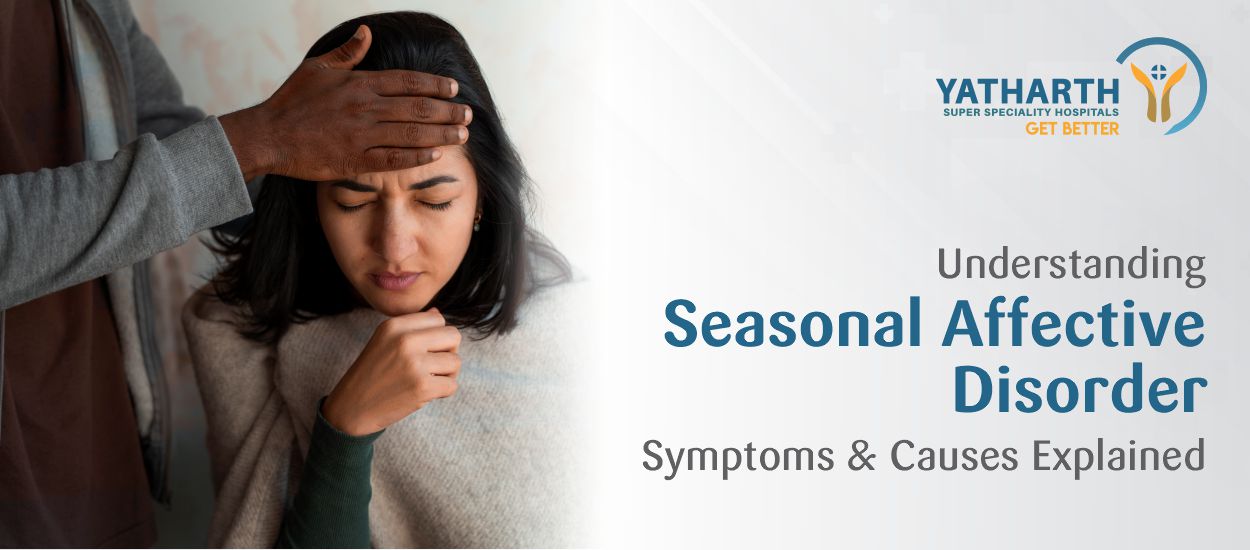


Changes in the season can affect anyone, but for some, the change in weather and daylight brings more than just a mood change—it causes a type of depression called Seasonal Affective Disorder (SAD). This type of depression usually happens during certain seasons, most often winter, when there is less daylight.
What is Seasonal Affective Disorder (SAD)?
Seasonal Affective Disorder, often referred to as SAD Seasonal Affective Disorder, is a type of depression that follows a seasonal pattern. Most people experience symptoms during late fall or winter and start feeling better during spring and summer. However, a less common form known as summer-pattern SAD can also occur.
SAD is more than just “ winter blues.” It is a diagnosable mental health condition that affects mood, energy levels, sleep, and daily functioning.
Seasonal Affective Disorder Symptoms
People experiencing Seasonal Affective Disorder symptoms may notice emotional, physical, and behavioral changes. While symptoms vary from person to person, the most common include:
1. Persistent Low Mood
A lasting feeling of sadness, hopelessness, or emptiness, particularly during certain seasons.
2. Loss of Interest or Pleasure
Reduced interest in daily activities, hobbies, or social interactions.
3. Fatigue and Low Energy
Feeling unusually tired or drained, even with adequate rest.
4. Changes in Sleep Patterns
-
Oversleeping (hypersomnia) is common in winter-pattern SAD
-
Insomnia can occur in summer-pattern SAD
5. Changes in Appetite or Weight
-
Craving carbohydrates and gaining weight in winter SAD
-
Reduced appetite and weight loss in summer SAD
6. Difficulty Concentrating
Struggling to focus on tasks or make decisions.
7. Irritability or Anxiety
Heightened stress, irritability, or restlessness.
8. Social Withdrawal
Avoiding social activities and preferring to stay isolated.
What Causes Seasonal Affective Disorder?
The exact cause is not fully understood, but several biological and environmental factors contribute to Seasonal Affective Disorder:
1. Reduced Sunlight Exposure
Shorter winter days lead to decreased sunlight, which affects the body’s internal clock (circadian rhythm). This disruption can trigger symptoms of SAD.
2. Serotonin Imbalance
Serotonin, the “feel-good” brain chemical, may drop due to lack of sunlight, contributing to depression.
3. Melatonin Levels
Melatonin, a hormone responsible for sleep regulation, can become imbalanced during seasonal changes, affecting mood and energy.
4. Vitamin D Deficiency
Low sunlight exposure can reduce Vitamin D levels, which may worsen depressive symptoms.
5. Genetic and Family History
Individuals with a family history of depression are more likely to develop SAD.
6. Pre-existing Mental Health Conditions
People with major depression, anxiety disorders, or bipolar disorder may be at a higher risk.
Seasonal Affective Disorder Treatment Options
Effective treatment for Seasonal Affective Disorder involves a combination of lifestyle changes, therapy, and medical support. Common approaches include:
1. Light Therapy (Phototherapy)
Seasonal Affective Disorder light therapy is one of the most widely used treatments. It involves exposure to a bright light box that mimics natural sunlight for 20–40 minutes daily. Benefits include improved mood, better sleep patterns, and increased energy.
2. Psychotherapy (Talk Therapy)
Cognitive Behavioral Therapy (CBT) is particularly effective. It helps individuals reframe negative thoughts and develop healthy coping strategies.
3. Medications
Antidepressants may be prescribed in moderate to severe cases, especially if symptoms recur annually.
4. Vitamin D Supplements
For people with Vitamin D deficiency, supplements may help reduce symptoms.
5. Lifestyle Modifications
-
Spending more time outdoors
-
Exercising regularly
-
Maintaining social connections
-
Practicing stress-reducing activities such as yoga or meditation
Preventing Seasonal Affective Disorder
While prevention may not always be possible, early lifestyle adjustments can help reduce symptom severity:
-
Increase exposure to sunlight, especially during the morning
-
Keep your environment bright by opening curtains or using daylight bulbs
-
Maintain a regular sleep schedule
-
Stay active and socially connected
Start Seasonal Affective Disorder light therapy before symptoms begin (for those with recurring SAD)