

Introduction
Bone marrow plays an essential role in maintaining good health by producing the blood cells that carry oxygen, fight infections, and help control bleeding. When the bone marrow is damaged or affected by certain diseases, the body may struggle to produce enough healthy blood cells.
A bone marrow transplant can help restore blood cell production and may offer an important treatment option for patients with certain blood cancers, bone marrow disorders, inherited blood conditions, and immune system diseases.
For patients and families, understanding the purpose of a bone marrow transplant, the different types available, and what recovery involves can make the treatment journey easier to navigate.
In this guide, we explain what a bone marrow transplant is, why it may be recommended, how the procedure works, its potential benefits and risks, and what patients can expect during recovery.
What Is a Bone Marrow Transplant?
A bone marrow transplant is a medical procedure in which healthy blood-forming stem cells are infused into a patient's bloodstream to restore or replace damaged or diseased blood cell production.
It is also known as a haematopoietic stem cell transplant (HSCT).
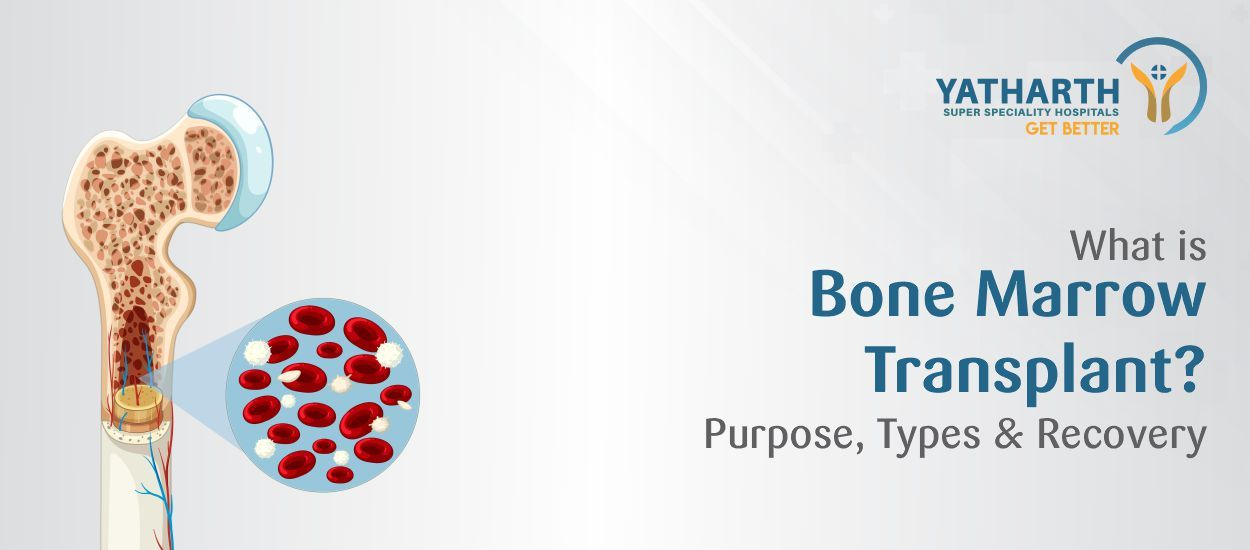
Bone marrow is the soft tissue inside certain bones where blood-forming stem cells develop into different types of blood cells.
These include:
- Red blood cells: Carry oxygen from the lungs to the rest of the body.
- White blood cells: Help protect the body against infections.
- Platelets: Help blood clot and prevent excessive bleeding.
When diseases or intensive treatments damage the bone marrow, it may not produce enough healthy blood cells. A transplant can help restore this function.
Despite its common name, a bone marrow transplant does not always involve collecting cells directly from the bone marrow. Stem cells may also be collected from circulating blood or umbilical cord blood, depending on the treatment plan.
The procedure generally involves preparing the patient with chemotherapy, sometimes combined with radiation therapy, followed by an infusion of stem cells. The cells can then settle in the bone marrow and begin producing blood cells.
Why Is a Bone Marrow Transplant Needed?
A bone marrow transplant may be recommended when the patient's bone marrow cannot produce healthy blood cells adequately or when replacing the blood-forming system offers a therapeutic benefit.
The decision depends on the underlying disease, its severity, the patient's overall health, previous treatments, and the expected benefits and risks.
Blood Cancers
Certain blood cancers can affect the production of healthy blood cells or require intensive treatment.
A transplant may be considered for selected patients with:
- Leukaemia: Cancer involving blood-forming tissues.
- Lymphoma: Certain cancers of the lymphatic system.
- Multiple myeloma: A cancer involving plasma cells.
Not every patient with these cancers requires transplantation. The treating specialist determines whether it is appropriate based on the diagnosis, disease stage, treatment response, and other clinical factors.
Aplastic Anaemia
Aplastic anaemia is a condition in which the bone marrow does not produce sufficient blood cells.
Depending on the severity of the disease, a bone marrow transplant may be considered to restore blood cell production.
Thalassaemia and Other Inherited Blood Disorders
Certain inherited conditions affect the body's ability to produce healthy blood cells.
For selected patients with thalassaemia and other inherited blood disorders, transplantation may offer a potentially curative treatment option. Eligibility depends on the specific condition, disease severity, donor availability, and individual risks.
Immune System Disorders
Some inherited immune deficiencies affect the body's ability to fight infections.
In selected cases, a transplant can provide healthy blood-forming stem cells that help restore immune function.
Other Bone Marrow Disorders
Certain bone marrow failure conditions and disorders affecting blood cell development may require transplantation when other treatments are insufficient or when transplantation offers the best available treatment approach.
A specialist evaluation is necessary to determine whether the procedure is appropriate for an individual patient.
What Are the Different Types of Bone Marrow Transplants?
Bone marrow transplants are classified mainly according to the source of the stem cells.
Autologous Bone Marrow Transplant
An autologous transplant uses the patient's own stem cells.
The stem cells are collected and stored before the patient receives conditioning treatment, usually high-dose chemotherapy. The collected cells are then returned to the bloodstream to help restore blood cell production.
How it works:
- The patient's stem cells are collected.
- The patient receives the planned conditioning treatment.
- The stored stem cells are infused.
- Blood cell production gradually recovers.
This type of transplant is used for selected conditions, including multiple myeloma and certain lymphomas.
Because the patient's own cells are used, a separate donor is not required. However, the procedure still involves specialised treatment, monitoring, and recovery.
Allogeneic Bone Marrow Transplant
An allogeneic transplant uses stem cells from another person.
The donor may be a suitably matched family member, a partially matched family member, or an unrelated donor identified through an appropriate registry.
The transplant team performs compatibility testing and evaluates both donor and recipient before treatment.
This approach may be used for selected blood cancers, bone marrow failure disorders, inherited blood diseases, and certain immune system conditions.
One potential benefit is that donor immune cells may help recognise and attack remaining cancer cells in certain diseases. This is known as the graft-versus-tumour or graft-versus-leukaemia effect.
However, allogeneic transplantation also carries risks, including graft-versus-host disease (GVHD), in which donor immune cells attack the recipient's tissues.
Haploidentical Transplant
A haploidentical transplant uses stem cells from a partially matched donor, often a family member.
It may be considered when a fully matched donor is unavailable or when the transplant team determines that this option is appropriate.
Specialised treatment and monitoring are required to manage the risk of immune-related complications.
Cord Blood Transplant
In selected cases, stem cells collected from donated umbilical cord blood may be used.
Cord blood can provide an alternative stem cell source for certain patients, depending on cell availability, compatibility, the patient's size, and clinical requirements.
The transplant team determines whether this option is suitable.
How Does a Bone Marrow Transplant Work?
Although treatment plans vary, the process usually involves several stages.
Step 1: Medical Evaluation
The patient undergoes blood tests, organ function assessments, infection screening, and other investigations to determine whether transplantation is appropriate.
Step 2: Donor Assessment or Stem Cell Collection
For an autologous transplant, the patient's own stem cells are collected. For an allogeneic transplant, the team identifies and evaluates a suitable donor.
Step 3: Conditioning Treatment
The patient receives chemotherapy, sometimes combined with radiation therapy, to treat the underlying disease and prepare the body for the transplant.
The intensity of treatment depends on the diagnosis, transplant type, and the patient's health.
Step 4: Stem Cell Infusion
The collected stem cells are infused into the bloodstream, usually through a central venous catheter.
The infusion is generally similar to a blood transfusion and does not usually require an operation.
Step 5: Engraftment
The infused stem cells travel to the bone marrow, where they can begin producing new blood cells.
This process is called engraftment. It often begins within a few weeks, although the timing varies.
Step 6: Recovery and Monitoring
The patient is monitored for blood cell recovery, infections, treatment side effects, and other complications.
The team provides supportive care and determines when the patient can leave the hospital or transition to an appropriate outpatient recovery programme.
What Are the Benefits of a Bone Marrow Transplant?
A bone marrow transplant can offer important benefits for appropriately selected patients.
Restoring Blood Cell Production
A transplant can help restore the production of red blood cells, white blood cells, and platelets when the bone marrow has been damaged or is not functioning properly.
Treating Certain Blood Cancers
For selected patients, transplantation may help achieve long-term disease control or remission. In some circumstances, it may offer a potentially curative treatment option.
Treating Bone Marrow Failure
For selected patients with severe bone marrow failure, transplantation may restore blood cell production and reduce the need for ongoing supportive treatment.
Treating Certain Inherited Conditions
Some inherited blood and immune disorders may be treated with transplantation, depending on the condition and the patient's suitability.
Improving Long-Term Health
When transplantation successfully treats the underlying disease, patients may experience improvements in blood counts, reduced disease-related symptoms, and a better quality of life.
The potential benefits vary significantly by diagnosis, transplant type, and individual clinical circumstances. A transplant specialist can explain the expected outcomes and alternatives.
What Are the Risks and Possible Complications?
A bone marrow transplant is an intensive treatment. Although it can be beneficial, it also carries risks that need to be discussed before treatment begins.
Infections
Conditioning treatment can reduce white blood cell counts, making patients more vulnerable to bacterial, viral, and fungal infections.
Preventive medicines, hygiene measures, and close monitoring help manage this risk.
Bleeding and Anaemia
Low platelet counts can increase the risk of bleeding, while low red blood cell counts can cause anaemia and fatigue.
Some patients require blood or platelet transfusions during recovery.
Side Effects of Chemotherapy
Conditioning treatment may cause nausea, vomiting, mouth sores, diarrhoea, hair loss, and fatigue.
The medical team provides supportive medicines and other measures to help manage these effects.
Graft-Versus-Host Disease
GVHD can occur after an allogeneic transplant when donor immune cells attack the recipient's tissues.
It can affect the skin, digestive tract, liver, and other organs. Its severity varies, and treatment may be required.
Delayed Engraftment or Graft Failure
In some cases, the transplanted cells take longer than expected to establish themselves or fail to produce adequate blood cells.
Additional treatment or other interventions may be necessary.
Long-Term Complications
Some patients experience longer-term effects involving organ function, hormone levels, fertility, or other aspects of health.
The risk depends on the treatment received, the patient's condition, and whether complications occur.
The transplant team explains the risks relevant to each patient's diagnosis and treatment plan.
What Is the Recovery Process After a Bone Marrow Transplant?
Recovery takes time and differs between patients. Some patients regain strength over several months, while others need a year or longer for more complete recovery.
During the First Few Weeks
Patients may experience fatigue, reduced appetite, nausea, mouth sores, or diarrhoea.
Blood counts may be very low, so close monitoring and supportive treatment are important.
The team checks for infections, bleeding, and signs of engraftment.
During the First Three Months
Patients may need frequent follow-up appointments and blood tests.
They may continue to take prescribed medicines to prevent infections or manage immune-related complications.
Activity should increase gradually, depending on the patient's strength and medical advice.
Beyond Three Months
Recovery continues as the patient's blood counts, immune function, and general strength improve.
Some patients gradually return to work, school, or other activities. Others need additional time or treatment.
Following an allogeneic transplant, monitoring for GVHD and other immune-related complications may continue for an extended period.
Long-Term Follow-Up
Long-term care may include monitoring blood counts, organ function, infection risk, disease status, and medication effects.
Vaccinations may need to be repeated or rescheduled according to the transplant team's recommendations.
Regular follow-up remains important even when the patient feels well.
How Can Patients Prepare for a Bone Marrow Transplant?
Preparation involves medical evaluation as well as practical and emotional planning.
Complete the Recommended Investigations
Attend all appointments and complete the tests requested by the transplant team.
Report any new symptoms, infections, or changes in health before treatment begins.
Review Medicines and Supplements
Tell the medical team about prescription medicines, over-the-counter products, and supplements. Do not change or stop prescribed medicines without medical advice.
Maintain Nutrition and Physical Activity
Follow a balanced diet and remain active within your limits when medically appropriate. A dietitian may help address poor appetite, weight loss, or specific nutritional needs.
Discuss Fertility Preservation
Some transplant treatments can affect fertility. Patients who may want children in the future should discuss available fertility preservation options before conditioning treatment, where clinically feasible.
Arrange Family and Caregiver Support
A transplant may involve prolonged treatment, frequent follow-up, and precautions to reduce infection risk.
Plan transport, accommodation where needed, support with medicines, and help with daily activities.
Understand the Treatment Plan
Ask your specialist about the expected duration of hospital care, potential side effects, recovery requirements, and long-term monitoring.
Understanding the plan can help patients and families prepare for the practical demands of treatment.
How Can Patients Stay Safe During Recovery?
Patients should follow their transplant team's instructions to reduce preventable risks.
- Take medicines as prescribed: Do not change doses or stop medicines without medical advice.
- Practise good hand hygiene: Follow recommendations about visitors and exposure to unwell people.
- Follow food safety advice: Prepare food hygienically and avoid foods identified as unsafe by the clinical team.
- Increase activity gradually: Avoid strenuous exercise until medically cleared.
- Attend follow-up appointments: Blood tests and consultations help identify complications early.
- Report warning signs promptly: Contact the transplant team if concerning symptoms develop.
Fever, chills, unusual bleeding, persistent vomiting, or other new symptoms may require prompt medical assessment. Severe breathlessness, confusion, collapse, or other emergency symptoms require immediate medical attention.
What Is the Difference Between a Bone Marrow Test and a Bone Marrow Transplant?
These procedures have different purposes.
|
Feature |
Bone marrow test |
Bone marrow transplant |
|
Main purpose |
Diagnosis or monitoring |
Treatment |
|
Procedure |
Collects a small marrow sample |
Infuses blood-forming stem cells |
|
Typical setting |
Often outpatient |
Specialised transplant care |
|
Recovery |
Usually brief |
Often months, with long-term follow-up |
A bone marrow test does not automatically mean that a patient needs a transplant. The treatment decision depends on the underlying diagnosis and the available options.
Bone Marrow Transplant Guidance at Yatharth Super Speciality Hospital
Patients considering a bone marrow transplant need clear information about their diagnosis, available treatment options, expected recovery, and long-term monitoring.
Yatharth Super Speciality Hospital encourages patients and families to seek appropriate specialist evaluation and discuss the services relevant to their condition.
If you or a family member has been advised to consider a bone marrow transplant, contact the hospital to enquire about relevant haematology and oncology services, transplant evaluation, referral options, and financial counselling.
Please confirm directly with Yatharth Hospital whether bone marrow transplantation is available at your preferred location before making treatment arrangements.
Conclusion
A bone marrow transplant is an advanced treatment that can restore blood cell production and help treat selected blood cancers, bone marrow disorders, inherited blood conditions, and immune system diseases.
The process involves careful evaluation, stem cell collection, conditioning treatment, infusion, and close monitoring during recovery.
Although transplantation can offer significant benefits, it also carries risks, including infection, bleeding, treatment-related side effects, and, in donor transplants, graft-versus-host disease.
Recovery varies from person to person and requires regular follow-up, prescribed medicines, and attention to infection prevention.
Patients and families should discuss the potential benefits, risks, alternatives, and long-term care requirements with a qualified transplant specialist before making treatment decisions.