

Introduction
A bone marrow transplant is an advanced medical treatment used for selected blood cancers, bone marrow disorders, inherited blood conditions, and certain immune system diseases. It involves infusing healthy blood-forming stem cells into a patient's bloodstream to restore or replace damaged or diseased blood cell production.
For patients and their families, the treatment journey can seem complicated. Questions about preparation, stem cell collection, chemotherapy, hospitalisation, recovery, and possible side effects are common.
Understanding each stage can help patients prepare for treatment and know what to expect.
In this guide, we explain the bone marrow transplant procedure step by step, including the tests performed before treatment, the different types of transplant, conditioning therapy, stem cell infusion, recovery, and long-term care.
What Is a Bone Marrow Transplant?
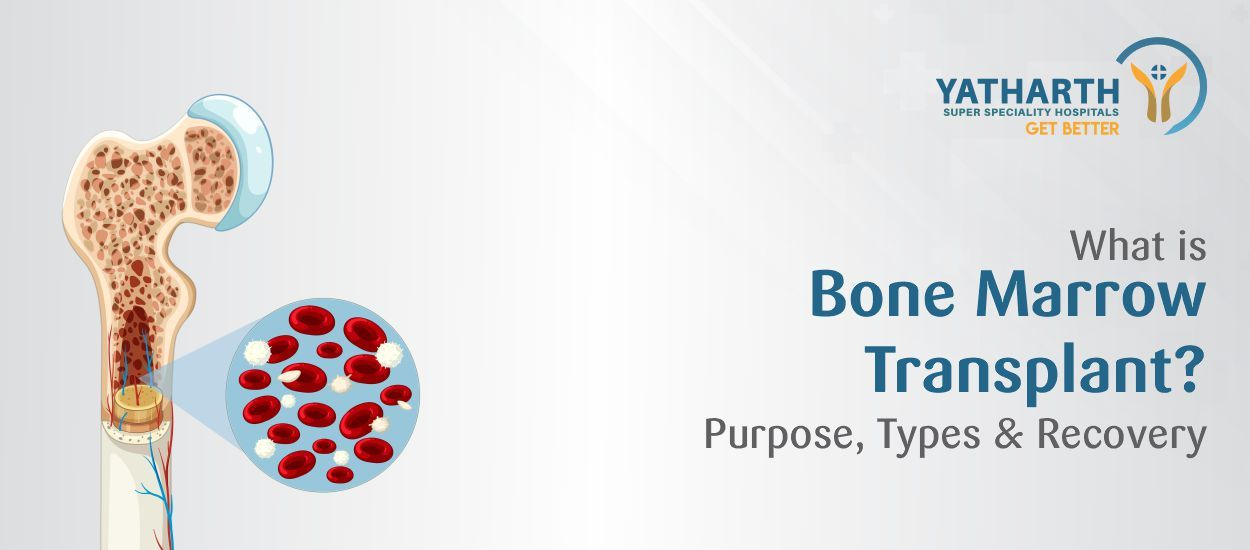
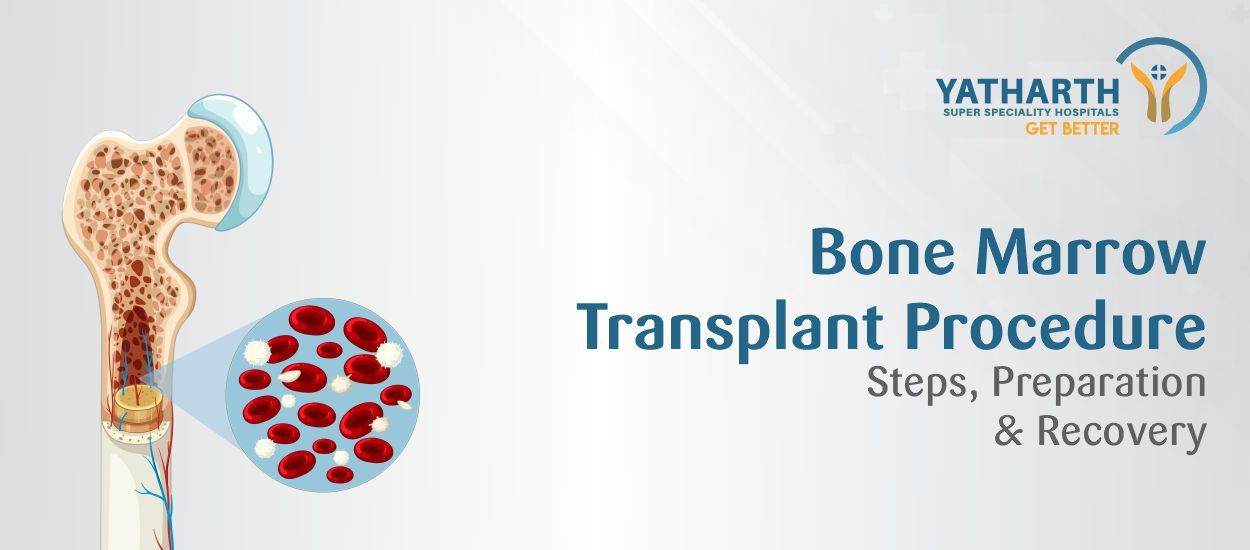
Bone marrow is the soft tissue inside certain bones where blood cells are made. These stem cells develop into:
- Red blood cells, which carry oxygen throughout the body.
- White blood cells, which help the body fight infections.
- Platelets, which help control bleeding.
When the bone marrow is damaged by disease or treatment, it may not produce enough healthy blood cells. A transplant can help restore this function.
Although the treatment is commonly called a bone marrow transplant, stem cells can be collected from bone marrow, circulating blood, or umbilical cord blood, depending on the transplant plan.
The treatment generally involves preparing the patient with chemotherapy, sometimes combined with radiation, followed by infusion of the collected stem cells. The new cells can then settle in the bone marrow and begin producing blood cells.
Why Is a Bone Marrow Transplant Needed?
A transplant may be recommended when a patient's disease or treatment requires restoration of blood-forming stem cells, or when donor stem cells can provide a therapeutic benefit.
Conditions that may be treated with a transplant include:
- Leukaemia: Cancer affecting blood-forming tissues.
- Lymphoma: Certain cancers of the lymphatic system.
- Multiple myeloma: A cancer involving plasma cells.
- Aplastic anaemia: A condition in which the bone marrow does not produce sufficient blood cells.
- Thalassaemia and selected inherited blood disorders: Conditions that affect normal blood cell production.
- Certain immune system disorders: Conditions in which immune function is severely impaired.
- Other bone marrow diseases: Selected disorders that affect blood cell development or production.
Not every patient with these conditions needs a transplant. The treating specialist considers the diagnosis, disease stage, previous treatments, overall health, donor availability, and expected benefits and risks before recommending the procedure.
Types of Bone Marrow Transplants
The type of bone marrow transplant depends on where the stem cells come from and the patient's treatment requirements.
Autologous Bone Marrow Transplant
An autologous transplant uses the patient's own stem cells.
The stem cells are collected and stored before the patient receives conditioning treatment. After the treatment, the cells are returned to the bloodstream to help restore blood cell production.
This approach is used for selected conditions, including multiple myeloma and certain lymphomas.
Allogeneic Bone Marrow Transplant
An allogeneic transplant uses stem cells from another person, such as a suitably matched family member or an unrelated donor.
The donor undergoes the necessary medical assessment and compatibility testing. The recipient's treatment plan also includes measures to reduce the risk of complications, including graft-versus-host disease (GVHD).
This type of transplant may be recommended for selected blood cancers, bone marrow failure disorders, and inherited conditions.
Haploidentical Transplant
A haploidentical transplant uses stem cells from a partially matched donor, often a family member.
It may be considered when a fully matched donor is unavailable or when the transplant team determines that this approach is appropriate.
Each type of transplant has different requirements, risks, and recovery considerations. The treating specialist determines the most appropriate option.
Bone Marrow Transplant Procedure: Step by Step
The transplant process involves several stages. The exact sequence and duration depend on the patient's diagnosis, the source of the stem cells, and the treatment protocol.
Step 1: Pre-Transplant Consultation and Evaluation
Before treatment begins, the transplant team reviews the patient's medical history, current condition, previous treatments, and diagnostic results.
The purpose is to determine whether transplantation is appropriate and to identify factors that could affect treatment or recovery.
The evaluation may include:
- Complete blood count and other blood tests.
- Liver and kidney function tests.
- Heart assessments, such as an ECG or echocardiogram.
- Lung function tests or imaging, where indicated.
- Infection screening.
- Bone marrow examination, when needed.
- Assessment of nutritional status and overall fitness.
- Review of current medicines and other medical conditions.
Patients should inform the team about previous illnesses, allergies, prescribed medicines, and any signs of infection.
This stage also provides an opportunity to discuss expected benefits, potential complications, fertility preservation, financial considerations, and the support needed during recovery.
Step 2: Donor Matching and Stem Cell Planning
This stage applies when donor stem cells are required.
The transplant team performs human leukocyte antigen (HLA) testing and other relevant assessments to identify a suitable donor.
Potential sources include:
- A matched family donor.
- A partially matched family donor.
- A suitable unrelated donor identified through a donor registry.
- Other approved stem cell sources in selected circumstances.
The donor must undergo appropriate evaluation, and donation must comply with applicable consent and safety requirements.
For an autologous transplant, the team instead plans how and when to collect the patient's own stem cells.
Step 3: Stem Cell Collection
Stem cells may be collected from circulating blood or directly from the bone marrow.
Peripheral blood stem cell collection: The patient or donor may receive medicines that increase the number of stem cells circulating in the blood. Blood is then passed through an apheresis machine, which separates and collects the stem cells while returning the remaining blood components.
The collection process may require one or more sessions.
Bone marrow collection: If stem cells are collected directly from the bone marrow, the procedure is usually performed under general anaesthesia. A specialised needle is used to collect marrow, commonly from the back of the hip bones.
The collection method depends on the treatment plan and donor circumstances.
Step 4: Conditioning Therapy
Before stem cells are infused, the patient receives a treatment regimen known as conditioning. Conditioning commonly involves chemotherapy and may include radiation therapy in selected cases.
It serves one or more purposes:
- Destroying diseased cells.
- Suppressing the immune system to reduce the risk of rejecting donor cells.
- Creating conditions that allow the new stem cells to establish themselves in the bone marrow.
The intensity of conditioning depends on the disease, transplant type, patient's age, and overall health.
Some patients receive high-dose conditioning, while others may receive reduced-intensity treatment.
Possible side effects include nausea, vomiting, mouth sores, diarrhoea, fatigue, hair loss, low blood counts, and an increased risk of infection.
The medical team provides supportive medicines and monitoring to help manage these effects.
Step 5: Stem Cell Infusion — The Transplant Day
The day the stem cells are infused is often called Day 0.
The collected stem cells are usually delivered through a central venous catheter, a tube placed into a large vein. The process is similar to receiving a blood transfusion and generally does not require surgery or general anaesthesia.
The healthcare team monitors the patient during infusion for any reactions or other concerns.
Although the infusion itself is usually straightforward, it is an important stage in a treatment process that can take several months from preparation to recovery.
Step 6: Engraftment and Early Recovery
After infusion, the stem cells travel through the bloodstream to the bone marrow, where they can begin producing new blood cells.
This process is called engraftment.
Engraftment often begins within a few weeks, but the timing varies with the transplant type, cell source, treatment protocol, and individual response.
During this period, blood cell counts may be very low. The patient may require:
- Frequent blood tests.
- Red blood cell or platelet transfusions.
- Medicines to prevent or treat infections.
- Treatment for nausea, mouth sores, or other side effects.
- Nutritional support.
- Close monitoring for bleeding and other complications.
The transplant team assesses blood count recovery and other clinical indicators before deciding when the patient can leave the hospital.
Step 7: Hospital Monitoring and Discharge
After the transplant, patients usually remain in specialised hospital care or a closely supervised transplant programme until their condition is stable enough for discharge.
The healthcare team monitors blood cell recovery, organ function, infection risk, medicine effects, and other possible complications.
Before discharge, patients and caregivers receive instructions about medicines, diet, hygiene, follow-up appointments, and symptoms that require medical attention.
The length of hospitalisation varies considerably. Some patients need several weeks of inpatient care, while others may follow an outpatient pathway if the transplant centre considers it safe.
How to Prepare for a Bone Marrow Transplant
Preparation involves more than medical testing. Patients may need to make practical, emotional, and financial arrangements before treatment.
Follow Medical Instructions
Attend all scheduled appointments and complete the required investigations.
Tell the transplant team about fever, new symptoms, recent infections, or changes in your health before conditioning begins.
Review Medicines and Supplements
Provide a complete list of prescription medicines, over-the-counter products, and supplements. Do not stop prescribed medicines or start new products without medical advice.
Maintain Nutrition and Physical Activity
Where medically appropriate, follow a balanced diet and maintain gentle physical activity within your limits.
A dietitian may recommend nutritional adjustments to help manage weight loss, poor appetite, or other treatment-related concerns.
Patients should not make major dietary changes without consulting their care team.
Address Dental and Infection Concerns
The transplant team may recommend a dental assessment or treatment of existing infections before transplantation.
Tell your doctor about dental pain, skin problems, respiratory symptoms, or other possible sources of infection.
Discuss Fertility Preservation
Some conditioning treatments can affect fertility.
Patients who may wish to have children in the future should discuss fertility preservation options with their treating team before starting treatment, where clinically feasible.
Arrange Caregiver Support
A transplant may require frequent appointments, transport, assistance with daily activities, and close observation after discharge.
Arrange for a caregiver or family member to help with practical tasks and understand the medication schedule and emergency contact instructions.
Plan Finances and Accommodation
Discuss the estimated treatment cost, insurance approval, and possible additional expenses with the hospital.
Patients who live far from the transplant centre may need accommodation nearby during the early recovery period, depending on the treatment protocol.
Recovery After a Bone Marrow Transplant
Recovery is gradual and differs between patients. Blood counts may recover before the immune system is fully restored, so medical follow-up remains important even after discharge.
During the First Few Weeks
Patients may experience fatigue, reduced appetite, nausea, mouth sores, diarrhoea, or weakness related to conditioning treatment.
Blood counts are monitored regularly, and supportive treatment is provided as required. Patients may also need precautions to reduce the risk of infection while their immune system is recovering.
During the First Three Months
Many patients continue to require frequent follow-up appointments, blood tests, and prescribed medicines.
The medical team monitors blood cell recovery, infection risk, organ function, and other treatment-related effects.
Activity should increase gradually according to the patient's strength and medical advice.
Beyond Three Months
Recovery may continue for many months. Some patients gradually return to work, school, and usual activities, while others require additional time or treatment.
After an allogeneic transplant, immune recovery and monitoring for GVHD may continue for an extended period.
Full recovery can take a year or longer in some patients, and the timeline varies according to the type of transplant and whether complications develop.
Possible Complications of a Bone Marrow Transplant
Bone marrow transplantation is a specialised treatment with potential risks. The type and severity of complications depend on the disease, conditioning regimen, donor source, and patient's health.
Infections
Conditioning therapy can significantly reduce white blood cell counts, leaving patients more vulnerable to infections.
Preventive medicines, hand hygiene, food safety, and close monitoring help reduce risk.
Bleeding and Anaemia
Low platelet counts may increase the risk of bleeding, while low red blood cell counts can cause anaemia and fatigue.
Some patients need blood or platelet transfusions until their marrow function recovers.
Graft-Versus-Host Disease
GVHD can occur after an allogeneic transplant when immune cells from the donor attack the recipient's tissues.
It can affect the skin, digestive system, liver, and other organs. Preventive medicines and prompt assessment of symptoms are important.
Side Effects of Conditioning Treatment
Chemotherapy and radiation, when used, may cause nausea, vomiting, mouth sores, diarrhoea, fatigue, hair loss, and other adverse effects.
The treating team provides supportive care to manage these problems.
Delayed Engraftment or Graft Failure
In some patients, the transplanted cells take longer than expected to establish themselves or do not produce adequate blood cells.
Additional treatment or other interventions may be required depending on the circumstances.
Long-Term Health Effects
Some patients develop longer-term complications involving organ function, hormone levels, fertility, or other aspects of health.
Regular follow-up helps identify and manage these concerns.
Not every patient experiences complications, but understanding the risks helps patients and families prepare for the treatment journey.
Diet and Lifestyle After a Bone Marrow Transplant
Following the transplant team's advice can support recovery and help reduce preventable risks.
Follow Food Safety Guidance
Patients may need to avoid certain high-risk foods while their immune system is weakened.
Wash hands before preparing food, clean fruits and vegetables appropriately, and ensure that meat, fish, eggs, and other foods requiring cooking are thoroughly cooked.
Follow the hospital's specific dietary instructions rather than relying on a generic transplant diet.
Take Medicines as Prescribed
Some patients require medicines to prevent infections, and allogeneic transplant recipients may need immunosuppressive treatment.
Do not change doses or stop medicines without medical advice.
Practise Good Hygiene
Wash hands frequently and follow instructions about personal hygiene, visitors, and exposure to people who are unwell.
Additional precautions may be required during periods of significant immune suppression.
Resume Physical Activity Gradually
Rest when needed and increase walking or other activity as advised by the medical team. Avoid strenuous exercise until you have been cleared to resume it.
Attend Follow-Up Appointments
Blood tests and consultations help the transplant team monitor recovery, identify complications, and adjust treatment.
Vaccinations may need to be repeated or rescheduled after transplantation. Follow the transplant team's recommendations.
When Should You Contact Your Doctor After a Transplant?
Patients should know how to contact their transplant team at all times during the early recovery period.
Seek prompt medical advice for:
- Fever or chills.
- New or worsening cough or breathing difficulties.
- Persistent vomiting or diarrhoea.
- Unusual bleeding or bruising.
- Severe abdominal pain.
- A new rash or other unexplained skin changes.
- Difficulty taking prescribed medicines.
- Signs of dehydration or a significant reduction in urine output.
Severe breathlessness, confusion, collapse, or other emergency symptoms require immediate medical attention.
Do not delay seeking care because a scheduled appointment is approaching.
How Can Family Members Support a Patient During Treatment?
Family support can be valuable throughout the transplant journey.
Caregivers can help by:
- Keeping track of appointments and test results.
- Helping organise medicines according to the prescribed schedule.
- Following infection-prevention guidance.
- Preparing safe meals.
- Arranging transport and accommodation.
- Monitoring symptoms and contacting the team when necessary.
- Supporting the patient's emotional wellbeing.
Caregivers should also seek help when the demands of treatment become difficult to manage.
Bone Marrow Transplant Care at Yatharth Super Speciality Hospital
Patients considering a bone marrow transplant need reliable information about the treatment process, available specialist services, expected recovery, and long-term monitoring.
Yatharth Super Speciality Hospital encourages patients and families to seek appropriate specialist evaluation and discuss the treatment options relevant to their diagnosis.
If you or a family member has been advised to consider a bone marrow transplant, contact the hospital to enquire about relevant haematology and oncology services, transplant evaluation, referral options, and financial counselling.
Please confirm directly with Yatharth Hospital whether bone marrow transplantation is available at your preferred location before making treatment arrangements.
Conclusion
The bone marrow transplant procedure involves several stages, including pre-transplant evaluation, donor matching when required, stem cell collection, conditioning therapy, stem cell infusion, and recovery.
Each stage plays an important role in preparing the patient for treatment and monitoring the return of blood cell production.
Recovery can take several months and sometimes a year or longer. During this period, patients need close medical supervision, prescribed medicines, infection-prevention measures, and regular follow-up.
Understanding the procedure and preparing in advance can help patients and families navigate treatment with greater confidence. A qualified transplant specialist can explain the approach most appropriate for the patient's condition, the likely risks, and the support required throughout recovery.