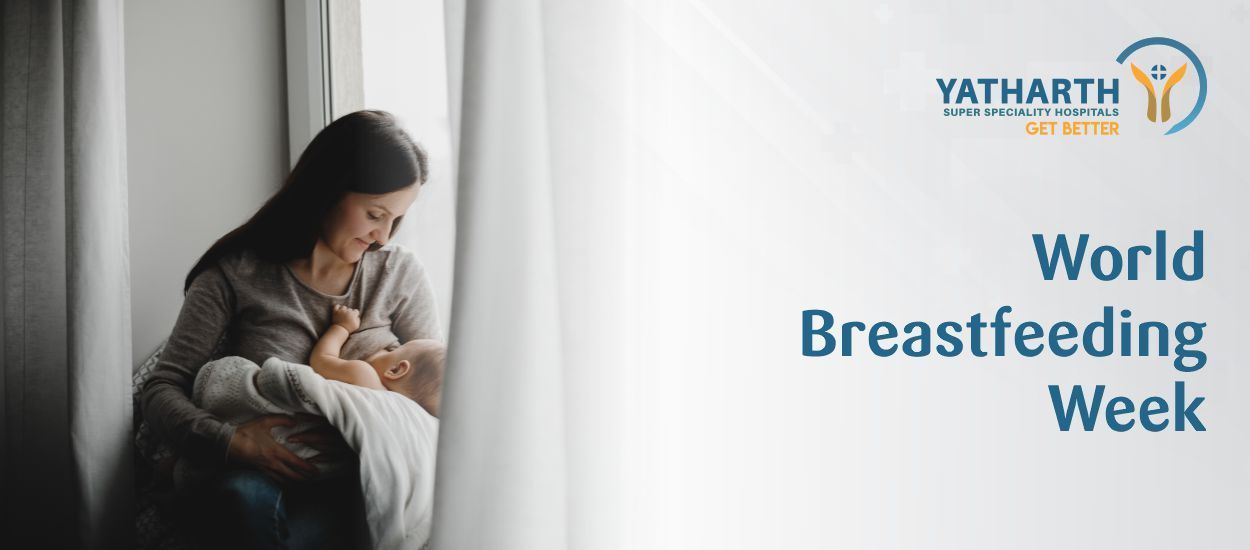


Every year, people from around the world unite to celebrate World Breastfeeding Week, a campaign designed to raise awareness of the significance breastfeeding has for infants, mothers, families, and communities. World Breastfeeding Week 2026 will continue to underscore the importance of breastfeeding in enhancing child survival, maternal health, and sustainable development.
The theme for World Breastfeeding Week 2026 is “Breastfeeding for a sustainable start in life: strengthen what works.” World Breastfeeding Week is held from 1st August to 7th August every year.
World Breastfeeding Week Importance
The importance of World Breastfeeding Week goes beyond the feeding of babies. Breastfeeding is also a normal and natural way to ensure that babies receive the best possible nutrition at the beginning of their lives. It promotes healthy development, boosts immune function, and is linked to longer-term health outcomes.
Benefits of Breastfeeding for Baby and Mother
The breastfeeding benefits are many, which is why it is one of the best things you can do for your baby's nutrition.
Benefits for Babies
- Provides complete nutrition during the first six months of life.
- Boosts the immune system and fights infection.
- Promotes brain and cognitive development.
- Encourages healthy weight gain and good digestion.
- Lowers risk of respiratory infections and allergies.
Benefits for Mothers
- Helps in post-partum healing.
- It also lowers the risk of breast and ovarian cancer.
- Promotes mother-baby bonding.
- Natural birth spacing: may have a role in natural birth spacing.
- Has a positive impact on maternal health.
These remarkable breast milk benefits make breastfeeding an essential component of early childhood development.
Exclusive Breastfeeding Is the Newborn’s Best Start
The World Health Organization (WHO) and other health agencies recommend breastfeeding for the first six months of life. This is normal breastfeeding without giving anything else: no water, no glucose, no animal milk, nothing other than breast milk.
Breastfeeding for newborns ensures that infants receive colostrum, often called the “first vaccine,” which is rich in antibodies and nutrients. Breastfeeding protects babies from infection and promotes healthy growth and development.
In effective newborn care, parents need guidance from health professionals to help them breastfeed successfully from birth.
Common Breastfeeding Challenges
While breastfeeding is natural, many mothers face challenges while breastfeeding. Examples of some typical challenges are:
- Latching problems
- Sore or cracked nipples
- Concerns about low milk supply
- Breast engorgement
- Fatigue and emotional distress
- Returning to work while continuing breastfeeding
Awareness of these problems and early intervention may enable mothers to continue breastfeeding with confidence.
Importance of Breastfeeding Support
Adequate breastfeeding support is essential. Encouragement from relatives, health staff , employers, from local or national organisations, or from specially trained breastfeeding counsellors.
Professional advice on lactation can assist mothers in coping with feeding problems, increasing milk supply, and gaining confidence. For the promotion of ongoing breastfeeding, in the home, health care setting and workplace environments which support breastfeeding need to be established.
Breastfeeding Positions for Comfortable Feeding
Cradle Hold
The baby rests across the mother's lap while facing the breast.
Cross-Cradle Hold
Offers extra support to the head and is particularly helpful for newborns.
Football Hold
The baby is positioned under the mother's arm, making it ideal after a cesarean delivery.
Side-Lying Position
Allows mothers to rest while feeding, particularly during nighttime sessions.
Experimenting with different positions may help mom and baby find out what is most comfortable for them.
Breastfeeding Tips for New Mothers
These practical breastfeeding tips will help to make your breastfeeding journey a little bit easier:
- Start breastfeeding as soon as possible after giving birth
- Feed the infant according to demand rather than a schedule
- Ensure proper position and the latch
- Drink plenty of water and eat balanced meals
- Consult a professional if you have problems
- Don't compare your breastfeeding experience with that of someone else
At the end of the day, these are simple things that can help make for a great breastfeeding experience.
Breastfeeding – Busting the Myths About It
Several myths about breastfeeding are still prevalent: they are used to discourage mothers from breastfeeding. Here are a few common misconceptions:
Myth: A woman with small breasts will not produce enough milk.
Fact: It doesn't matter how large or small your breasts are when it comes to how much milk you can produce.
Myth: It’s always easy to breastfeed
Fact: Many mothers require time, support, and practice.
Myth: Breast milk and formula provide the same type of nutrition.
Truth: Breast milk contains unique antibodies and nutrients that cannot be fully replicated.
Myth: A mother should stop breastfeeding when she is sick.
Fact: In many cases, breastfeeding can be continued, with the help of medical guidance.
Conclusion
World Breastfeeding Week 2026 will remind the world that breastfeeding is the best assurance of a healthy and sustainable start. By promoting exclusive breastfeeding, improving breastfeeding support, addressing breastfeeding challenges, and increasing breastfeeding awareness, we can create healthier futures for children while advancing global health and sustainability goals.