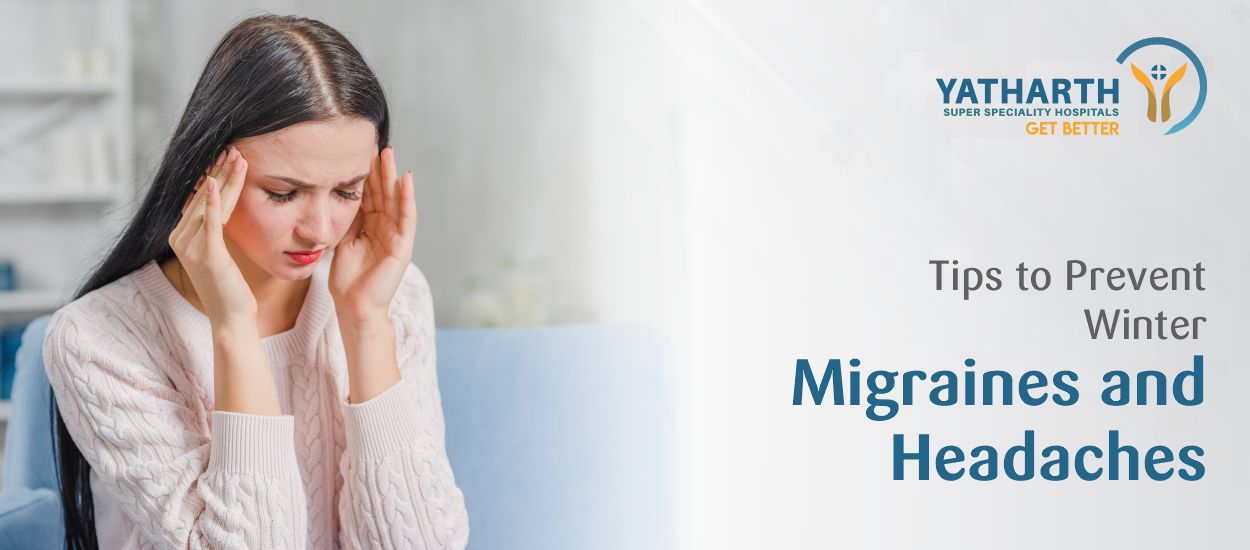


Temperature changes seem to bring on more headaches and migraines than usual. If you have ever attempted to fight a pounding head in the winter, I'm sorry to say you're not alone. Cold air, routine adjustments in daily activities and a bit of cabin fever, all contribute. Identifying triggers for these winter headaches - and how to prevent them - can help you get through the season more comfortably.
Why Are Headaches And Migraines So Bad InThe Winter?
Cold weather does strange things to your body. Blood vessels can constrict because of rapid temperature changes. Lack of sunlight and not drinking enough water can also disrupt your system. All of this means more winter migraines and headaches. Then there’s the fact that when you’re stuck inside with the heat up and you’re not moving very much, that tends to make things worse.
Typical Winter Migraine Trigger
It is useful to find out what really triggers those winter headaches:
1. Cold Air
Braving the wind means exposing yourself to cold air, which can cause your blood vessels in your head and neck to constrict.
2. Dehydration
People skip drinking water when they’re cold, so dehydration gets the best of you and starts headaches.
3. Shorter Days/Less sunlight
Too little sunlight can disrupt your sleep patterns and your mood, influences the serotonin levels and may up your chances for migraines.
4. Dry, Heated Air
Heat is an agent of drying – it dries out your nose and your sinuses as well as your skin. That’s a big factor for winter headaches.
5. Stress and Changes in Routine
The holidays, eating at strange times, or losing sleep can all add to your headaches.
6. Less physical activity
Lack of exercise in winter impacts mood and will influence sleep pattern, which will lead to headache.
What Is the Sensation of a Winter Migraine?
You’ll probably notice:
– Your head is pounding or feels like it’s under pressure.
– Increased sensitivity to light and sound.
– Feeling nauseous or dizzy.
– Tightness in your neck and shoulders.
– Fatigue and difficulty concentrating.
-Spotting these cues early on means you can move faster to get relief.
Winter Migraine Tips That Really Work
Here are a few habits to help you beat the winter headache:
1. Keep Warm
Cold is a big trigger. Dress warmly especially your head, ears and neck before going outdoors.
2. Stay hydrated
Don’t forget to drink water just because it’s cold out. Drink regularly and warm drinks such as tea or soup.
3. Keep a Sleep Routine
Have a consistent bedtime and wake time to keep your body on track.
4. Add Moisture Indoors
Fight the dry air of central heating with a humidifier. Your sinuses will thank you.
5. Eat Well and Don’t Skip Meals
Warm and well-balanced meals do the body good. Don't eat too much junk food and don't let yourself get too hungry.
6. Move your body
Gentle activity such as stretching or practising yoga can help boost circulation and relieve tension.
7. Manage stress
Consider meditation or deep breathing for tension headaches.
Natural and Medical Treatments That May Help Prevent Winter Migraines
If your migraines keep coming around, you may need a combination of lifestyle changes and treatments:
-Eat magnesium-rich foods or take supplements (ask your doctor first)
-Apply warm compresses to your neck and shoulders
-Use gentle massagetherapy
-Usemedications prescribed by your doctor.
These measures contribute to long-term migraine control.
Cold Weather Headaches? Quick Relief!
If you get a headache, try this:
- Get some rest in a warm, quiet place.
- Eat or Drink Something Warm
- Stretch or relax
All of these simple cures will usually take the edge off winter headaches and hold it off for a couple hours or so.
When Should You Call Your Doctor?
Don’t ignore when headaches when-
- Arefrequent, severe
- Interfere with your life/stop you from doing thing
- The frequency and intensity gets worse
- Are associated with changes in vision or numbness
An early visit to a doctor may mean an earlier start on the right treatment.
How to Prevent Winter Headaches
- Avoid triggers
- Adapted to maintain healthy lifestyle
- Apply with fast effect at earliest convenience
- When necessary, consult doctor
Winter headaches are more common, but you don’t have to just suffer through them. Know what triggers them, then try these tips and you’ll have a much easier, more comfortable seasongone as far as possible at least from headaches.