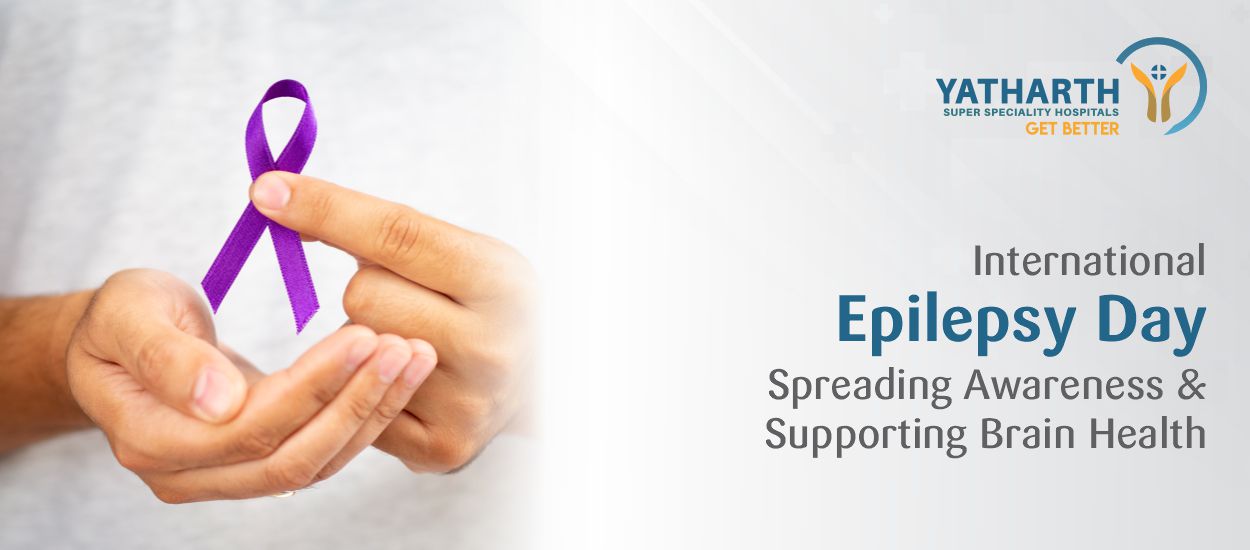


International Epilepsy Day 2026 is recognized worldwide to raise awareness about epilepsy, one of the most common neurological disorders affecting people of all ages. This important day focuses on breaking myths, promoting early diagnosis, improving access to treatment, and encouraging compassion for those living with seizure disorders.
Epilepsy is not just a medical condition; it’s a social issue. Through education, advocacy, and community action, International Epilepsy Day plays a key role in raising awareness about neurological disorders and strengthening global epilepsy health campaigns.
What Is International Epilepsy Day?
International Epilepsy Day is a worldwide event aimed at raising awareness about epilepsy and improving life for people who have the condition. It has support from epilepsy groups, healthcare workers, caregivers, and patient communities around the world.
The day highlights:
-
Epilepsy facts and awareness
-
The importance of epilepsy education
-
The need for early diagnosis and consistent treatment
-
Social inclusion and emotional support
Why International Epilepsy Day 2026 Matters
Despite medical advancements, epilepsy continues to be misunderstood and stigmatized. Many people with epilepsy face discrimination in education, employment, and social settings.
International Epilepsy Day 2026 aims to:
-
Promote seizure disorder awareness
-
Encourage people to seek medical help early
-
Educate communities on seizure first aid
-
Support global epilepsy support awareness initiatives
-
Advocate for better access to neurological care
Understanding Epilepsy: Key Facts
Epilepsy is a chronic neurological disorder characterized by recurrent, unprovoked seizures caused by abnormal electrical activity in the brain.
Important Epilepsy Facts and Awareness Points
-
Epilepsy affects people of all ages, including children and older adults
-
It is not contagious
-
Many people with epilepsy can live normal, active lives with proper treatment
-
Up to 70% of people with epilepsy can become seizure-free with appropriate care
-
Lack of awareness often causes more challenges than the condition itself
Improving brain health awareness helps reduce fear and misinformation around epilepsy.
Common Causes of Epilepsy
Epilepsy can result from various factors, including:
-
Brain injury or trauma
-
Stroke or brain infections
-
Genetic conditions
-
Complications during birth
-
Brain tumors or structural abnormalities
In many cases, the exact cause remains unknown.
Signs and Symptoms of Seizures
Seizures vary widely and may include:
-
Sudden jerking movements of arms or legs
-
Temporary confusion or staring spells
-
Loss of consciousness
-
Unusual sensations, emotions, or behaviors
Recognizing early symptoms supports timely medical care and strengthens seizure disorder awareness.
Epilepsy Education: Breaking Myths and Stigma
One of the main goals of International Epilepsy Day is education. Common myths—such as epilepsy being a mental illness or a curse—still exist in many societies.
Epilepsy education helps:
-
Replace fear with understanding
-
Promote empathy and inclusion
-
Encourage open conversations about neurological health
-
Reduce social stigma and discrimination
Seizure Prevention Tips for People with Epilepsy
While epilepsy cannot always be prevented, seizures can often be managed effectively.
Helpful Seizure Prevention Tips
-
Take prescribed medications regularly
-
Get enough sleep and manage stress
-
Avoid known seizure triggers (such as flashing lights or alcohol, if applicable)
-
Maintain a healthy lifestyle and balanced diet
-
Attend regular medical follow-ups
These steps are central to long-term epilepsy health campaigns and patient care.
How You Can Support International Epilepsy Day 2026
Everyone can contribute to epilepsy support awareness, even without a medical background.
You can:
-
Share accurate information on social media
-
Learn basic seizure first aid
-
Support epilepsy awareness events
-
Encourage inclusive attitudes at schools and workplaces
-
Stand against stigma and discrimination
Small actions create meaningful change.
The Role of Brain Health Awareness
Epilepsy is part of a broader conversation about brain health awareness. Promoting neurological well-being benefits everyone—by encouraging early diagnosis, reducing fear, and strengthening healthcare systems.
International Epilepsy Day reminds us that brain health deserves the same attention as physical health