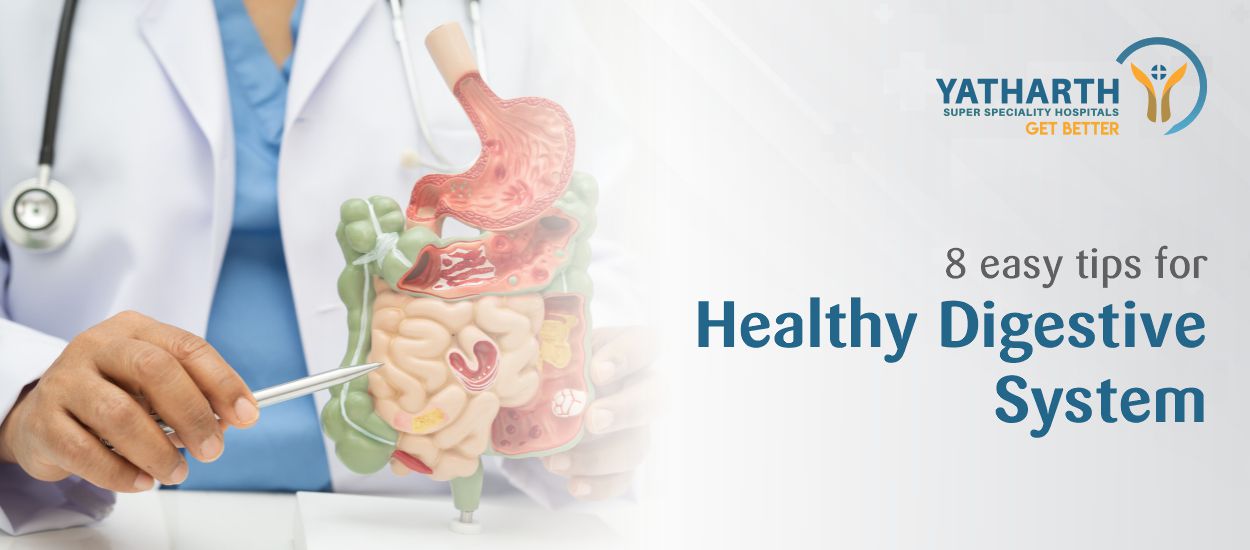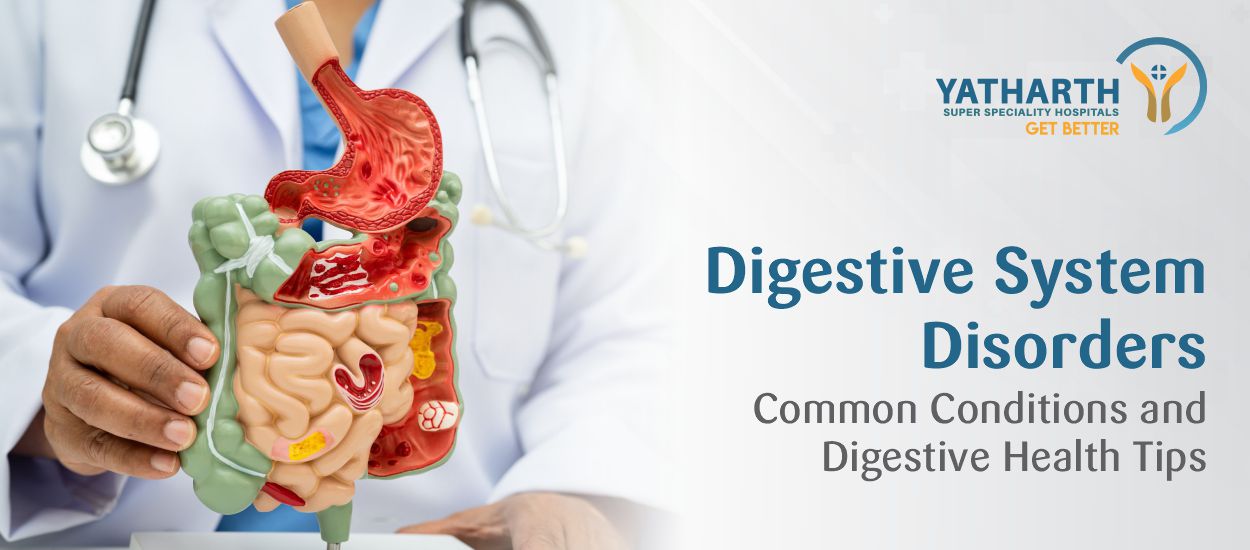


Gastric problems are some of the most common health issues that affect people of all ages. They can range from occasional indigestion to chronic gastrointestinal disease. Digestive issues can greatly affect daily life. Knowing the symptoms, causes, and effective care solutions for gastric problems can help you manage and prevent discomfort.
In this guide, we’ll look at the causes, warning signs, treatments, and prevention strategies for gastric problems.
What are Gastric Problems?
Gastric problems refer to a wide range of conditions that affect the stomach and digestive tract. These may include:
- Gas and bloating
- Indigestion
- Acid reflux
- Gastritis
- Stomach infections
- Peptic ulcers
- Chronic gastrointestinal disease
Some conditions are temporary and mild, while others require medical attention and long-term management.
Common Gastric Problems Symptoms
Recognizing symptoms early is essential for timely treatment. Common gastric problems symptoms include:
- Abdominal pain or stomach cramps
- Bloating and excessive gas
- Nausea or vomiting
- Heartburn or acid reflux
- Loss of appetite
- Feeling full quickly
- Burping or flatulence
- Burning sensation in the upper abdomen
If symptoms persist for more than a few days or become severe, consult a healthcare professional.
Gastric Problems Causes
Understanding gastric problems helps in better prevention and treatment. Here are the major contributing factors:
1. Poor Eating Habits
- Overeating
- Eating too quickly
- Consuming spicy, oily, or processed foods
- Irregular meal timings
These habits commonly lead to indigestion causes and solutions becoming a frequent concern.
2. Stress and Anxiety
Chronic stress affects the digestive system and may trigger:
- Acid reflux
- Gastritis
- Irritable bowel symptoms
3. Bacterial Infections
Infections like Helicobacter pylori can cause:
- Gastritis
- Peptic ulcers
- Chronic inflammation
4. Excessive Alcohol and Smoking
Both irritate the stomach lining and increase acid production.
5. Long-term Medication Use
Painkillers (NSAIDs), steroids, and certain antibiotics may damage the stomach lining.
6. Underlying Gastrointestinal Disease
Conditions like:
- GERD
- Peptic ulcer disease
- Irritable bowel syndrome
- Inflammatory bowel disease
require medical supervision and structured gastric care solutions.
Gastritis Symptoms and Treatment
What Is Gastritis?
Gastritis is inflammation of the stomach lining. It may be acute (sudden) or chronic (long-term).
Gastritis Symptoms:
- Burning stomach pain
- Nausea
- Vomiting
- Indigestion
- Feeling bloated after meals
Gastritis Treatment:
- Antacids
- Proton pump inhibitors (PPIs)
- Antibiotics (if caused by H. pylori)
- Lifestyle modifications
- Avoiding alcohol and spicy foods
Proper gastric disorder prevention strategies help reduce recurrence.
Indigestion Causes and Solutions
Indigestion (dyspepsia) is discomfort after eating.
Common Indigestion Causes:
- Heavy meals
- Fatty foods
- Carbonated drinks
- Stress
- Lying down immediately after meals
Solutions:
- Eat smaller meals
- Chew food slowly
- Avoid trigger foods
- Stay upright for 2–3 hours after eating
- Practice mindful eating
Bloating Relief Tips
Bloating is uncomfortable and often linked to dietary habits.
Effective Bloating Relief Tips:
- Avoid gas-producing foods (beans, cabbage, carbonated drinks)
- Drink warm water
- Try herbal teas like ginger or peppermint
- Include probiotics
- Light walking after meals
These small digestive health tips can significantly reduce discomfort.
Acid Reflux Management
Acid reflux occurs when stomach acid flows back into the esophagus.
Symptoms:
- Heartburn
- Sour taste in mouth
- Chest discomfort
- Difficulty swallowing
Acid Reflux Management Strategies:
- Avoid spicy and acidic foods
- Elevate the head while sleeping
- Maintain healthy weight
- Avoid late-night meals
- Reduce caffeine intake
If symptoms persist, medical evaluation is necessary.
Stomach Pain Home Remedies
For mild cases, stomach pain home remedies can provide relief:
- Warm water with lemon
- Ginger tea
- Ajwain (carom seeds)
- Fennel seeds
- Heating pad on abdomen
- Coconut water
However, severe or recurring pain should not be ignored.
Gastric Disorder Prevention
Prevention is better than cure. Follow these gastric disorder prevention strategies:
- Eat balanced meals
- Maintain regular eating schedule
- Stay hydrated
- Manage stress
- Exercise regularly
- Avoid excessive alcohol and smoking
- Get adequate sleep
These habits form the foundation of strong digestive health.
Digestive Health Tips for Long-Term Wellness
Maintaining digestive health reduces the risk of chronic gastric problems.
Essential Digestive Health Tips:
- Include fiber-rich foods
- Eat fresh fruits and vegetables
- Add curd or probiotics
- Limit junk food
- Stay physically active
- Practice stress management techniques
Consistent lifestyle changes act as powerful gastric care solutions.
When to See a Doctor
Seek immediate medical help if you experience:
- Severe abdominal pain
- Blood in vomit or stool
- Persistent vomiting
- Unexplained weight loss
- Difficulty swallowing
These may indicate serious gastrointestinal disease requiring urgent care.