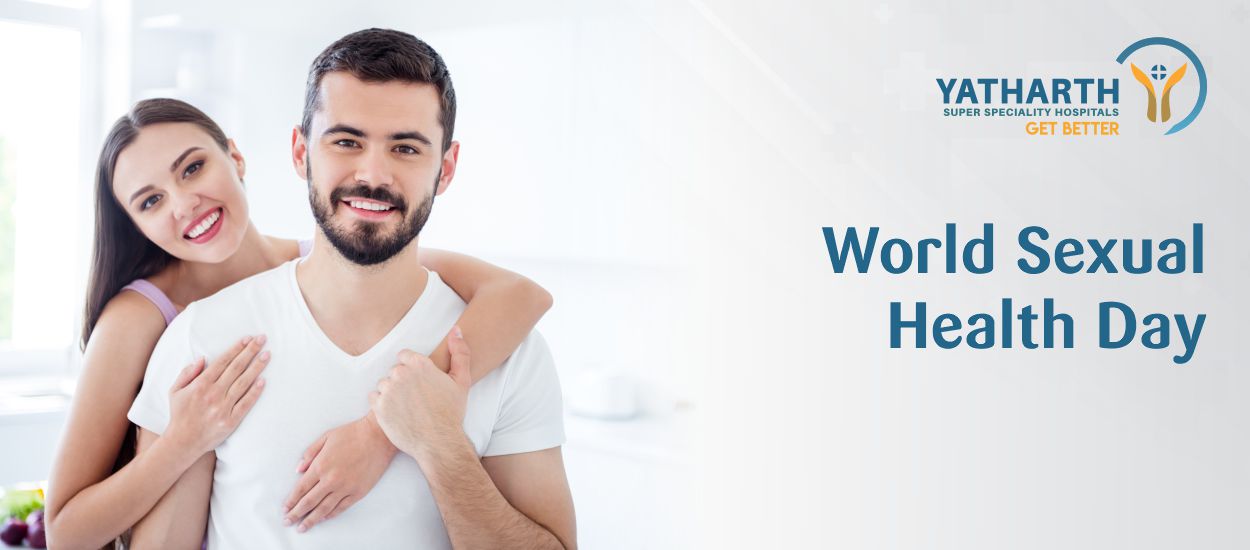


World Sexual Health Day 2026 will be observed on September 4, 2026, as a means to foster informed debates on sexual health, reproductive health, relationships, consent and access to suitable healthcare.
Sexual health contributes to overall well-being. It’s about so much more than avoiding infections and unplanned pregnancies. It also includes physical, emotional, mental and social well-being related to sexuality, along with the ability to make informed and respectful decisions about one's body and relationships.
World Sexual Health Day 2026 Theme: Every Body
In 2026, the World Sexual Health Day theme is “Every Body.” The word is meant to highlight the idea that sexual health, rights, justice and pleasure should be relevant to every person, no matter what kind of body they have or what circumstances they find themselves in.
The theme highlights that access to sexual healthcare and well-being is not the same for all people. Age, disability, pregnancy, menopause, social situations and more are barriers to receiving the right information and services.
History of World Sexual Health Day
The origin of world sexual health day goes back to 10 June 2010, when World Association for Sexual Health, launched the observance with the theme “Let’s talk about it!” The objective was to confront fear, stigma and taboo regarding sexuality and create channels for constructive dialogue.
Since then, World Sexual Health Day has been celebrated globally with educational programmes, debates, conferences, health care services and awareness-raising activities. Focus for each year has been around a different angle of sexual health such as consent, positive relationships, sexual justice and sexuality education.
Why Is Sexual Health Awareness Important?
The World Sexual Health Day offers a platform to challenge the myths and misconceptions that surround sexuality and qualifying everyone to access competent medical advice if needed.
Sexual health awareness can help the individual to:
- Understand their bodies and recognize changes that require medical attention
- Make informed decisions about birth control and reproductive health.
- Discuss the importance of consent and respect for one another.
- Get tested and treated for infections in a timely manner.
- Access appropriate sexual and reproductive healthcare without unnecessary stigma.
STI and STD Awareness
Sexually transmitted infections (STIs) can affect people of different ages and backgrounds. Some infections may produce symptoms, while others can go undetected for a period of time. This too contributes to the need for education on STIs and for seeking medical attention if there is suspicion of one.
Based on individual risk factors and discussion with health-care providers, people should consider HIV and other STI testing. Early detection can enable treatment that may also reduce the risk to others and complications. STD awareness should also focus on reducing stigma.
Having an STI is a health concern, not a reason for shame or discrimination.
Safe Sex Practices and Contraception Awareness
Practicing safe sex can contribute to lowered risk for STIs and unplanned pregnancy. They might involve:
- Using condoms correctly and consistently.
- Discussing sexual health and get tested for STIs with your partners.
- Have tests when advised or after risk.
- With suitable contraception, following consultation with a healthcare professional.
- Avoid sexual contact if you suspect an active infection, until appropriate medical advice is obtained.
- Understanding that contraception and STI prevention are linked but not the same thing.
It is especially important to be aware of contraception as different methods have different advantages and disadvantages and are suitable for different people. A healthcare professional can help individuals choose an option based on their health, preferences and reproductive goals.
HIV Prevention and Testing
HIV prevention is another important part of sexual health. Preventive measures can include safer sexual practices, appropriate testing and seeking medical advice about prevention options when relevant.
Individuals who think they might have been exposed to HIV are advised to seek medical advice as soon as possible because certain preventive measures are time-dependent. Testing may also be recommended on a regular basis according to personal risk.
The Intimate Health and Wellness Solution
Sexual well-being consists of maintaining physical comfort, emotional well-being, positive communication, and making autonomous decisions about intimate relationships. Symptoms such as pain during sex, chronic irritation, alterations in sexual function, unusual discharge, sores or other unexplained signs should not be ignored.
Hormones changes, infections, medications, stress, chronic illness and more can impact intimate health.
Sexual Health Tips for Everyday Well-Being
A few practical sexual health tips include:
- Safer sex and correct use of condoms.
- Get tested for STIs when advised, or after a potential exposure.
- If you need to prevent pregnancy, talk to a healthcare provider about contraception.
- People should respect consent and personal boundaries in all relationships.
- Don’t ignore chronic pain, abnormal discharge, sores or other worrisome symptoms.
- Get professional advice rather than treating yourself from internet information.
- Have an open and respectful conversation with your partner about health and protection.
Conclusion
The World Sexual Health Day 2026 is not just another checkbox awareness date. It’s a chance to promote informed choices, challenge stigma and increase access to respectful, non-discriminatory, and evidence-informed health services.
An open and responsible discussion about sexual health can contribute to people seeking care in a timely manner, to their understanding of prevention, and to their ability to make decisions that support their physical and emotional health.